Plot Explained Spoilers guaranteed!
Plot Explained

Browse by genre

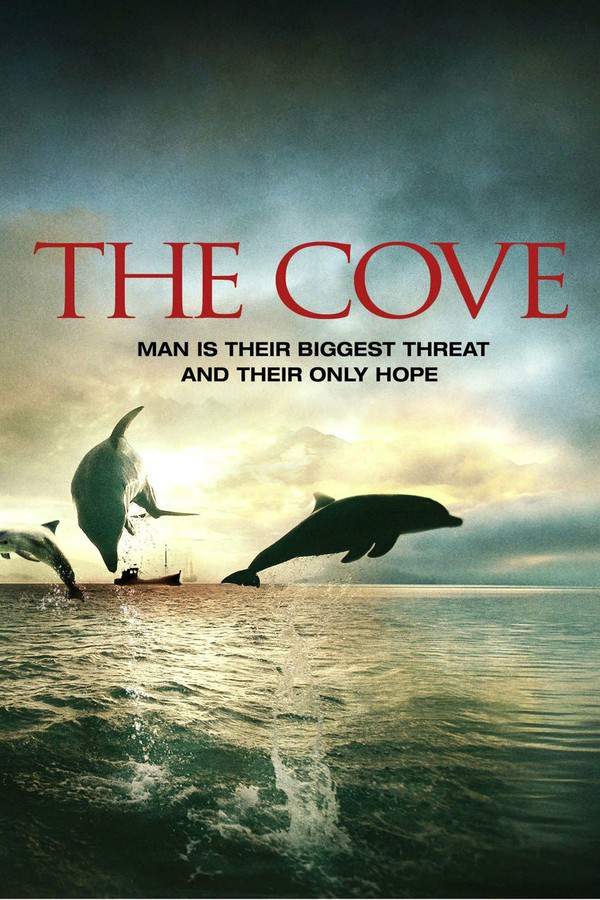
The Cove (2009) movie poster

Timeline

The Cove (2009) Timeline Explained – Every Event in Order

Release, runtime and language
2009 · 92 min · English
Loading streaming availability…
Directed by
Louie Psihoyos
Starring
Richard O'Barry

A covert team of activists and experts embarks on a dangerous mission into the protected waters of Japan. Using innovative technology, they infiltrate a secluded cove to uncover a hidden practice with devastating consequences for marine life. The documentary exposes a centuries-old tradition and its impact on the survival of dolphins and whales. Winner of the Sundance Audience Award, this film is a gripping and provocative exposé designed to raise awareness and inspire change.

On this page (6)
  1. 1 Where to watch
  2. 2 Events in order (12)
  3. 3 Timeline questions answered
  4. 4 Movie threads
  5. 5 Movies like The Cove
  6. 6 Every angle
Loading streaming availability…

12 events in order · contains spoilers

The Cove Timeline: Events in Chronological Order

Every key event of The Cove (2009) in order, scene by scene, with when and where it takes place. Use it to untangle flashbacks, time jumps and parallel storylines, to refresh your memory before the sequel or to find the exact scene you are thinking of.

  1. Richard O'Barry's Early Involvement

    In the 1960s, Richard O'Barry played a significant role in capturing and training five wild dolphins for the beloved television series 'Flipper.' This show ignited a worldwide fascination with dolphins, leading to their extensive use in marine parks and aquariums.

    When
    1960s
  2. A Life-Altering Moment

    O'Barry experienced a profound change when he witnessed one of the dolphins he trained voluntarily close her blowhole, suffocating herself. This tragic act of desperation led him to reevaluate his views on captivity and the treatment of dolphins.

  3. Commitment to Dolphin Rights

    Following his shift in perspective, O'Barry dedicated his life to advocating for the rights of dolphins around the globe. He began to see the capture and confinement of these creatures as a societal curse rather than an entertainment boon.

  4. Attempt to Free a Dolphin

    Richard O'Barry was arrested for trying to free a captive dolphin off the coast of Bimini. This bold act highlighted his commitment to dolphin welfare and marked the beginning of his activism journey.

    Where
    Bimini
  5. Dolphin Hunting in Taiji

    The documentary reveals the stark contrast between the town of Taiji's public love for dolphins and the horrific practices hidden within a secluded cove. In this area, fishermen engage in dolphin drive hunting, where many dolphins are captured for aquariums, while the rest are brutally slaughtered.

    Where
    Taiji, Wakayama, Japan
  6. The Role of Local Authorities

    Local government officials are depicted as complicit in the dolphin hunting activities, working to conceal the brutal realities from the public eye. This involvement underscores a systemic issue regarding the protection and rights of marine life.

    Where
    Taiji, Wakayama, Japan
  7. Documenting the Hunts

    Collaborating with filmmaker Louie Psihoyos and the Oceanic Preservation Society, O'Barry and his crew devise innovative methods to secretly document the dolphin killings. Their courageous efforts highlight the atrocities committed against dolphins in the cove.

    Where
    Taiji, Wakayama, Japan
  8. Facing Intimidation

    As they pursue their mission, the crew encounters severe intimidation from local law enforcement, who monitor their activities closely. This pressure does not deter them, and they continue to capture critical footage of the ongoing dolphin hunts.

    Where
    Taiji, Wakayama, Japan
  9. Public Health Concerns

    The documentary brings to light alarming levels of mercury found in dolphin meat, prompting concerns from health advocates. Some local politicians respond by calling for the removal of dolphin meat from school lunches due to these health risks.

    Where
    Taiji, Wakayama, Japan
  10. Confrontation with Japanese Officials

    In a pivotal moment, O'Barry confronts a Japanese official, presenting shocking footage of the dolphin slaughter. His attempts to instigate change are met with indifference, revealing the stark disconnect between the authorities and the plight of the dolphins.

  11. Crash at the Whaling Commission

    In a dramatic demonstration, O'Barry crashes an International Whaling Commission meeting while displaying dolphin slaughter footage on a television strapped to his chest. This bold act seeks to draw international attention to the horrific practices occurring in Japan.

  12. Call to Action

    The documentary concludes with a poignant appeal for viewers to recognize the urgent need for change regarding the treatment of dolphins. It encourages global audiences to stand up for marine life rights and put an end to such inhumane practices.

Last updated: November 16, 2024 at 11:28

Was this helpful?

Timeline questions answered

The Cove Timeline Explained: Your Questions Answered

When does it happen, and why in that order? The questions people ask about the chronology of The Cove (2009): time jumps, flashbacks, cause and effect between scenes and the correct order of events, each answered with spoilers.

Q1

Why did Richard O'Barry become a dolphin activist after working with Flipper?

Richard O'Barry became an activist after witnessing one of the dolphins he trained for Flipper voluntarily close her blowhole and suffocate herself, an act he interpreted as a desperate escape from captivity. This traumatic moment transformed his perspective entirely, leading him to see the capture and confinement of dolphins as a curse rather than a blessing. He was later arrested in Bimini for attempting to free a captive dolphin, marking the official beginning of his dedicated activism career.

  • richard obarry
  • flipper
  • dolphin activism
  • transformation
  • bimini arrest
Q2

What is dolphin drive hunting and why is it controversial?

Dolphin drive hunting is a method used in Taiji, Japan where fishermen chase dolphins into a secluded cove using boats and noise. Some are captured alive and sold to aquariums for entertainment, while others are slaughtered for meat. The practice is controversial because it involves the brutal killing of intelligent, social marine animals, and much of the meat contains dangerous levels of mercury, making it a public health hazard despite being sold in local supermarkets.

Foreshadowing: The film opens by showing the town's public affection for dolphins before revealing the hidden horror in the cove.

  • dolphin drive hunting
  • taiji
  • japan
  • controversy
  • mercury
Q3

How did the filmmakers manage to secretly record the dolphin hunts in Taiji?

Filmmaker Louie Psihoyos and the Oceanic Preservation Society team used innovative technology and covert strategies to infiltrate the protected waters and document the hidden cove. They faced intense surveillance from local law enforcement who monitored their every move, forcing them to devise creative camera placements and filming techniques to capture the killings without detection.

Foreshadowing: The documentary builds tension as the crew discusses the dangerous nature of their mission and the lengths they must go to remain undetected.

  • louie psihoyos
  • oceanic preservation society
  • covert filming
  • taiji
  • documentary techniques
Q4

Why is dolphin meat considered dangerous to eat?

Dolphin meat tested in the documentary revealed alarmingly high levels of mercury, far exceeding safe consumption limits. This discovery prompted some local politicians in Taiji to call for removing dolphin meat from school lunches, recognizing the serious health risks posed to children. The mercury accumulates in dolphin tissue through the marine food chain, making the meat toxic even though it continues to be sold in local markets.

Foreshadowing: The documentary specifically highlights the public health investigation into mercury contamination as a turning point that added another layer to the expose.

  • mercury
  • dolphin meat
  • health risks
  • school lunches
  • taiji
Q5

What happened when Richard O'Barry confronted the Japanese official with the slaughter footage?

In a pivotal scene, O'Barry directly confronts a Japanese official with the shocking footage of the dolphin slaughter. Despite the graphic evidence of the atrocities committed in the cove, the official responds with indifference, showing no willingness to take action against the practice. This moment underscores the institutional resistance to change that the documentary aims to expose.

  • japanese official
  • confrontation
  • slaughter footage
  • indifference
Q6

Why does dolphin hunting in Taiji continue even after the documentary exposed it?

The documentary reveals that local government officials are complicit in concealing the hunts, and the practice is driven by significant financial incentives, dolphins sold to aquariums fetch high prices while the meat continues to enter local food supply. The institutional indifference shown when O'Barry confronts officials demonstrates the deep economic and cultural roots of the practice, making it resistant to exposure alone.

Foreshadowing: The film shows the stark disconnect between the town's public facade of dolphin love and the hidden industry driving the hunts.

  • taiji
  • continues
  • exposure
  • financial incentive
  • government complicity
Q7

What is the connection between the TV show Flipper and the dolphin captivity industry?

Richard O'Barry captured and trained five wild dolphins for the 1960s television series Flipper, which sparked global fascination with dolphins and directly led to the explosion of marine parks and aquariums featuring dolphins as main attractions. O'Barry came to view his role in creating this demand as the root cause of the captivity industry that would later haunt him, making his activism a form of personal atonement.

  • flipper
  • tv show
  • dolphin captivity
  • marine parks
  • 1960s
Q8

What were the findings of the mercury tests on dolphin meat in Taiji?

The documentary's investigation revealed dangerously high mercury concentrations in dolphin meat sampled from Taiji's local markets. These levels far exceeded acceptable safety thresholds established by health authorities, leading some local politicians to demand that dolphin meat be removed from school lunch programs to protect children from poisoning.

  • mercury tests
  • dolphin meat
  • samples
  • health danger
Q9

What was the purpose of O'Barry crashing the International Whaling Commission meeting?

In the documentary's dramatic climax, O'Barry crashes an International Whaling Commission meeting wearing a television strapped to his chest that plays footage of the dolphin slaughter. This bold protest was designed to directly interrupt the Japanese delegates while they discussed improving their whaling tactics, forcing international attention onto the dolphin massacre occurring in Taiji and creating a powerful visual statement for global awareness.

Foreshadowing: The film builds toward this confrontation as the ultimate expression of the activists' determined mission to expose the truth on the world stage.

  • international whaling commission
  • protest
  • crashing meeting
  • television strapped to chest
Q10

What role do local authorities play in the Taiji dolphin hunts?

Local government officials in Taiji are depicted as actively complicit in the dolphin hunting operations, working to conceal the brutal practices from the public and international scrutiny. Their involvement represents a systemic institutional problem that protects the hunting industry and blocks meaningful reform, making the documentary's exposure of their complicity a key element of the critique.

  • local authorities
  • government
  • complicity
  • concealment
  • taiji

Movie threads

More Movies Like The Cove, by Mood & Story

Curated lists built around what makes The Cove tick: the same mood, the same kind of story or the same emotional payoff. Each list explains why these movies belong together.

Thrilling Activist Documentaries like The Cove

Documentaries that use thrilling, covert methods to uncover hidden truths. If you enjoyed the tense, mission-driven structure of The Cove, this thread features movies with a similar feel. These documentaries play out like real-life thrillers, focusing on high-stakes investigations and undercover exposés that aim to inspire change and provoke outrage.

  • urgent
  • tense
  • determined
  • gripping
  • outraged
  • investigative
  • Tone: tense, determined, urgent
  • Pacing: fast, relentless
Why these movies?

The story pattern: The narrative follows a clear mission structure, often with a team planning and executing a risky operation to expose a corrupt or harmful practice. Tension builds steadily towards a climactic reveal of evidence, after which the film explores the fallout and impact of the exposure.

Why they belong together: These movies are grouped by their shared approach to documentary filmmaking, which blends investigative journalism with the pacing and tension of a thriller. They evoke similar feelings of urgency, moral outrage, and a desire for justice.


Movies That Provoke Outrage Like The Cove

Films that reveal unsettling realities to provoke strong emotional and ethical responses. For viewers seeking the heavy emotional impact and disturbing themes of The Cove, this thread collects films that expose difficult truths. These movies share a goal of raising awareness and inspiring change through powerful, often difficult-to-watch revelations.

  • disturbing
  • unsettling
  • outraged
  • heavy
  • provocative
  • sadness
  • Tone: dark, unsettling, provocative
  • Pacing: steady, building to a climax
Why these movies?

The story pattern: The narrative pattern involves the systematic unveiling of a disturbing practice or reality, supported by evidence that builds an undeniable case. The emotional arc leads the audience from initial curiosity to profound shock and outrage, often ending on a mixed note where awareness is achieved but the underlying problem persists.

Why they belong together: These films are united by their powerful emotional goal: to make the audience feel a deep sense of moral outrage. They share a heavy emotional weight, disturbing thematic content, and a purpose that extends beyond entertainment to advocacy and awareness.

If you liked this

Movies Like The Cove

Similar movies to The Cove: the same genre, themes or kind of story. Each one comes with its own plot summary, timeline and ending explained.

Browse all movie summaries

Every angle

The Cove (2009) Explained: Plot, Timeline & Characters

Everything about The Cove in one place: what happens in the plot summary, the timeline in chronological order, the characters and meaning and a spoiler-free summary. What's After the Movie adds the cast, box office and post-credit scenes.

Coming soon on iOS and Android

The Plot Explained Movie Summary App

Plot summaries, endings explained and timelines on your phone. Catch up on any movie in minutes, save your favorites and never miss a twist again.

Be the first to know when we launch. Your email stays private, always.

Learn more about the app