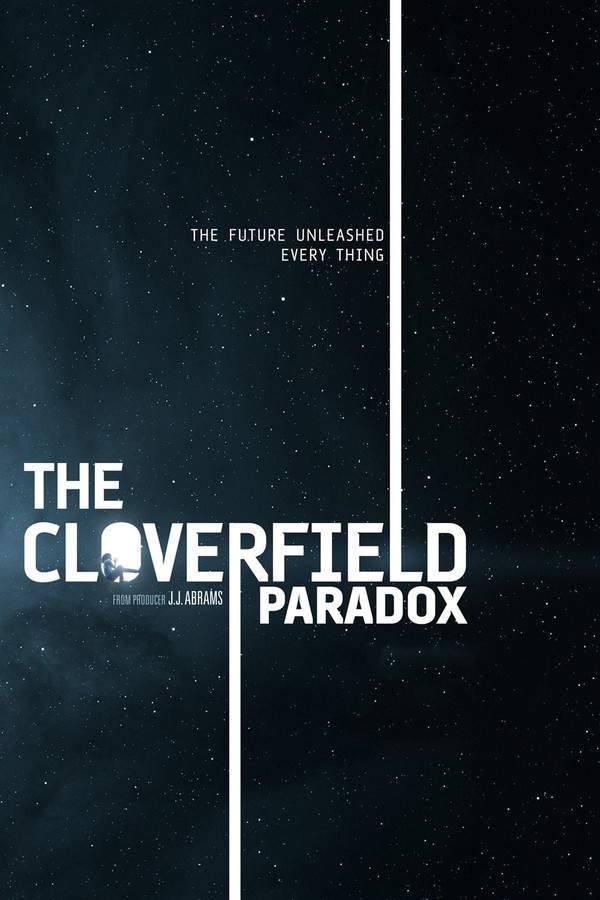



A team of scientists aboard a space station conduct a risky experiment to solve Earth's energy crisis. Suddenly, Earth vanishes, and the crew finds themselves adrift in deep space, witnessing unsettling events. The appearance of an unexpected shuttle complicates matters, forcing them to question whether these newcomers are saviors or a threat connected to the experiment that has stranded them. They must work together to understand what happened and find a way back home.
Warning: spoilers below!
Haven’t seen The Cloverfield Paradox yet? This summary contains major spoilers. Bookmark the page, watch the movie, and come back for the full breakdown. If you're ready, scroll on and relive the story!
Still thinking about how The Cloverfield Paradox (2018) ended? Here’s a full breakdown of the ending, key final moments, major twists, and the deeper meaning behind the film’s conclusion.
*The climax of “The Cloverfield Paradox” reveals a shocking twist that ties the film’s multiverse concept into the broader franchise. After the crew of the Cloverfield Station manages to return to Earth following their experiment in an alternate dimension, it becomes clear that something horrific is happening back home. As their escape pod emerges from the clouds, a massive creature—an enormous version of the original Cloverfield monster—rises from the planet’s surface, releasing a thunderous roar. This indicates that, through the experiment and the dimensional rift, monsters and chaos have crossed into the real world, unleashing a terrifying invasion on Earth.
The film also offers a deeper understanding of the monster’s origins. It suggests that these creatures are not merely extraterrestrial but are connected to the multidimensional rifts caused by energy experiments like the Shepard project. The true horror is that our reality isn’t isolated; it’s constantly bleeding into other dimensions, which allows monsters from the multiverse to spill over into our world. This explains the glimpses of the monster in previous films and hints that the big monsters are, in fact, not fully grown yet—they’re just the “babies,” with even larger, more terrifying versions likely lurking elsewhere.
Importantly, the film’s ending links back to the franchise’s recurring themes of corporate greed and the perils of unchecked scientific experimentation. The catastrophe on Earth — the monsters rampaging across continents — underscores the consequences of pushing the boundaries of technology. The movie’s story suggests that the multiverse impacts aren’t confined to fictional sci-fi but are rooted in real fears about how powerful experiments can destabilize the fabric of reality itself. Ultimately, the ending leaves viewers with a haunting image of an Earth overrun by monstrous beings, raising questions about what future threats might come from these interdimensional breaches and how the series might continue to explore the interconnected chaos of alternate realities.*
Last Updated: June 25, 2025 at 08:59
Discover curated groups of movies connected by mood, themes, and story style. Browse collections built around emotion, atmosphere, and narrative focus to easily find films that match what you feel like watching right now.
Stranded crews facing cosmic horror and psychological collapse.If you liked the high-stakes, paranoid atmosphere of The Cloverfield Paradox, explore more movies about crews stranded in space. These similar sci-fi thrillers and horror stories focus on survival against cosmic horrors and internal collapse, delivering tense and unsettling experiences.
These narratives typically begin with a routine mission that is abruptly interrupted by a scientific mishap or external attack. The crew becomes trapped, cut off from help, and must contend with a series of escalating, often bizarre crises. The plot is driven by a combination of external threats and the psychological disintegration of the group, as secrets are revealed and trust erodes.
They are grouped by their shared setting of deep space isolation, a fast-paced sequence of dire events, and a heavy, tense tone. The experience is defined by claustrophobic anxiety, the fear of the unknown, and the desperate struggle to maintain sanity and humanity in the face of cosmic indifference.
Experiments shatter reality, unleashing existential terror.For viewers who enjoyed the alternate dimension chaos of The Cloverfield Paradox, this list features similar movies about scientific hubris and reality breakdown. These films share a theme of experiments gone terribly wrong, leading to cosmic horror, body horror, and ambiguous, mind-bending endings.
The narrative follows a team of experts pushing the boundaries of science, only to lose control of their creation. The central conflict arises from the unraveling of normal reality, manifesting as physical anomalies, doppelgangers, or hostile entities from another plane. The journey is one of understanding the new, terrifying rules of existence while dealing with grief, guilt, and the consequences of playing god.
These films are connected by their core theme of scientific overreach leading to cosmic-level consequences. They share a heavy emotional weight, a tense and unsettling tone, and often feature ambiguous endings that leave the full scope of the disaster unanswered. The experience is defined by existential horror and the unsettling feeling that reality itself is fragile.
Don't stop at just watching — explore The Cloverfield Paradox in full detail. From the complete plot summary and scene-by-scene timeline to character breakdowns, thematic analysis, and a deep dive into the ending — every page helps you truly understand what The Cloverfield Paradox is all about. Plus, discover what's next after the movie.
Read a complete plot summary of The Cloverfield Paradox, including all key story points, character arcs, and turning points. This in-depth recap is ideal for understanding the narrative structure or reviewing what happened in the movie.
Track the full timeline of The Cloverfield Paradox with every major event arranged chronologically. Perfect for decoding non-linear storytelling, flashbacks, or parallel narratives with a clear scene-by-scene breakdown.
Discover the characters, locations, and core themes that shape The Cloverfield Paradox. Get insights into symbolic elements, setting significance, and deeper narrative meaning — ideal for thematic analysis and movie breakdowns.
Get a quick, spoiler-free overview of The Cloverfield Paradox that covers the main plot points and key details without revealing any major twists or spoilers. Perfect for those who want to know what to expect before diving in.
Visit What's After the Movie to explore more about The Cloverfield Paradox: box office results, cast and crew info, production details, post-credit scenes, and external links — all in one place for movie fans and researchers.
Discover movies like The Cloverfield Paradox that share similar genres, themes, and storytelling elements. Whether you’re drawn to the atmosphere, character arcs, or plot structure, these curated recommendations will help you explore more films you’ll love.
The Cloverfield Paradox (2018) Plot Summary & Movie Recap
The Cloverfield Paradox (2018) Scene-by-Scene Movie Timeline
The Cloverfield Paradox (2018) Movie Characters, Themes & Settings
The Cloverfield Paradox (2018) Spoiler-Free Summary & Key Flow
Movies Like The Cloverfield Paradox – Similar Titles You’ll Enjoy
Interstellar (2014) Detailed Story Recap
10 Cloverfield Lane (2016) Ending Explained & Film Insights
Cloverfield (2008) Ending Explained & Film Insights
The Beyond (2018) Full Summary & Key Details
Transcendence (2014) Story Summary & Characters
The Black Hole (1979) Full Movie Breakdown
Event Horizon (1997) Ending Explained & Film Insights
Cosmos (2019) Story Summary & Characters
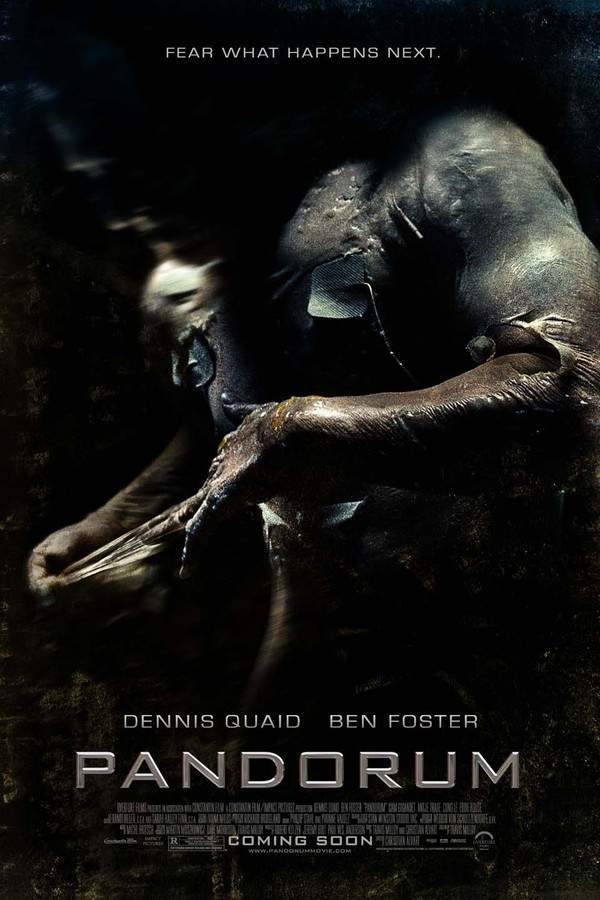
Pandorum (2009) Complete Plot Breakdown
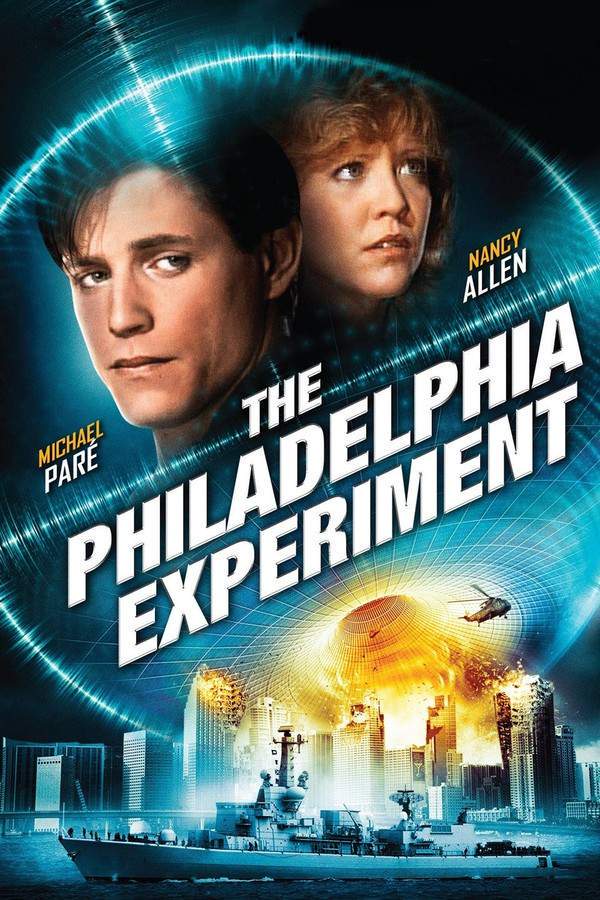
The Philadelphia Experiment (1984) Detailed Story Recap
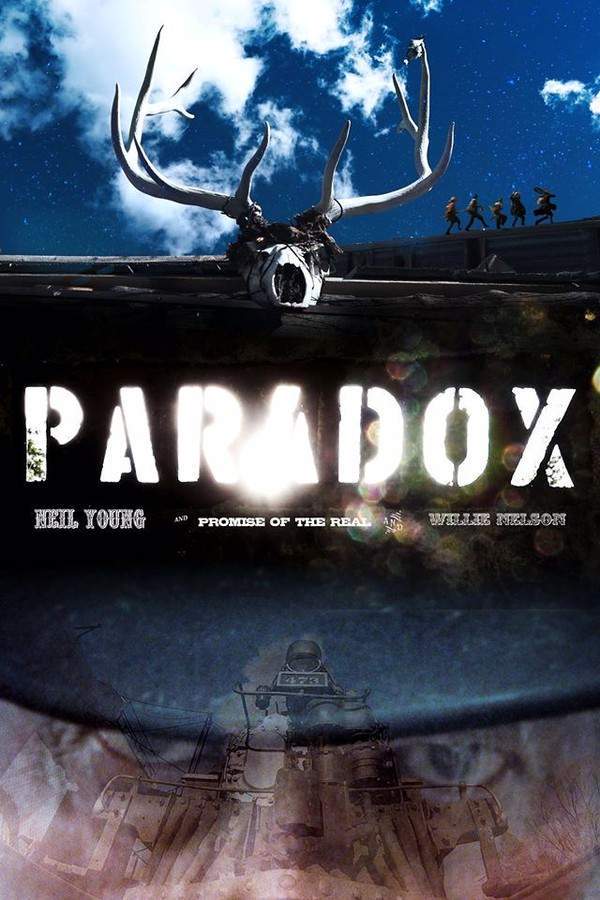
Paradox (2016) Full Summary & Key Details
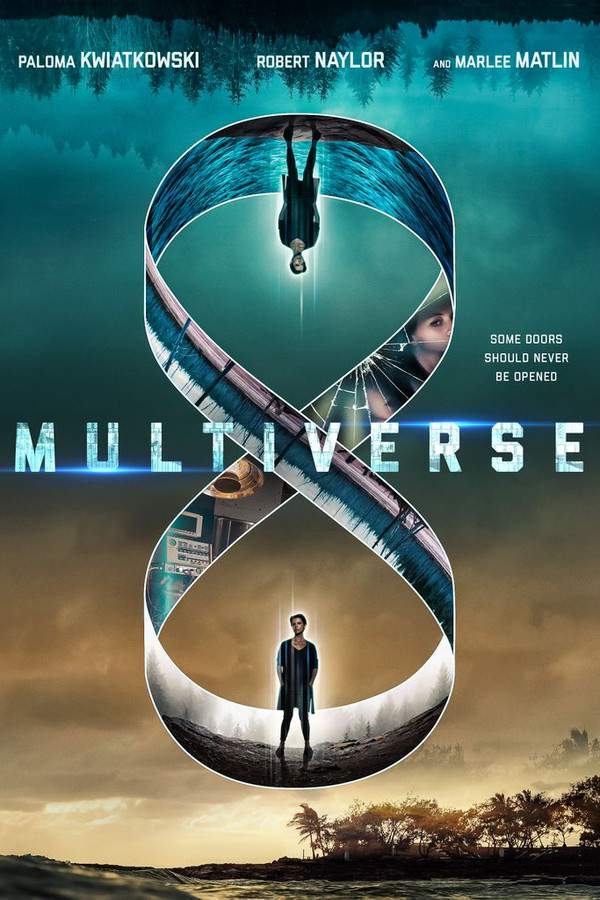
Multiverse (2021) Spoiler-Packed Plot Recap
Parallel (2018) Full Movie Breakdown
Multiverse (2019) Spoiler-Packed Plot Recap
The Triangle (1000) Ending Explained & Film Insights