Plot Explained Spoilers guaranteed!
Plot Explained

Browse by genre

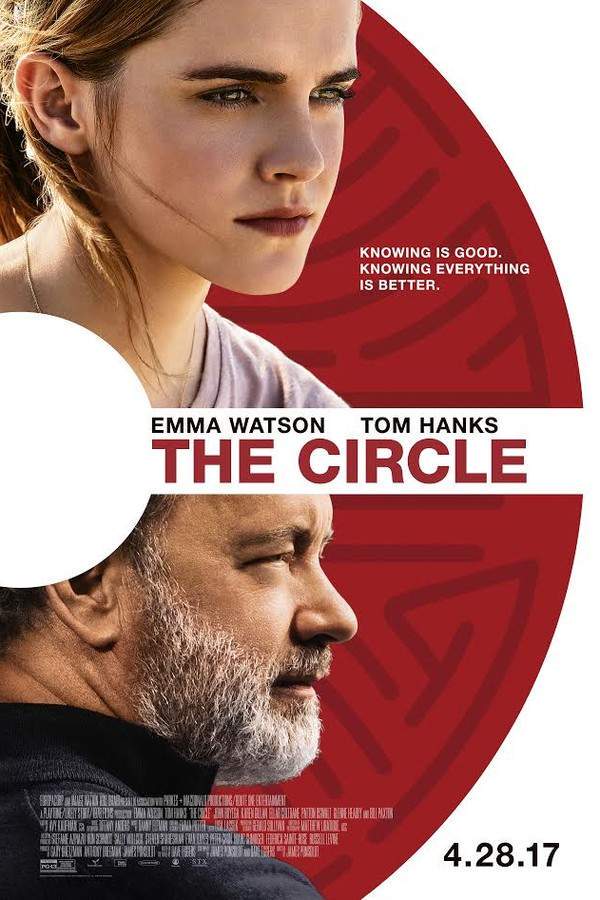
The Circle (2017) movie poster

Plot Summary

The Circle (2017) Plot Summary Explained

Release, runtime and language
2017 · 110 min · English
Echo score 38
Directed by
James Ponsoldt
Starring
Tom Hanks, John Boyega, Emma Watson
Budget
$18M

A young and ambitious woman joins the Circle, a powerful and innovative company, believing in its mission to connect the world. However, she soon discovers a disturbing agenda that jeopardizes individual privacy and global freedom. As she investigates, she must grapple with the ethical implications of technological progress and the blurring lines between innovation and intrusive surveillance, ultimately facing a profound moral dilemma.

On this page (7)
  1. 1 Where to watch
  2. 2 What happens: full plot
  3. 3 Plot questions answered
  4. 4 The book behind the movie
  5. 5 Movie threads
  6. 6 Movies like The Circle
  7. 7 Every angle

Where to watch

Where to Watch The Circle (2017)

Where can you watch The Circle? Stream, rent or buy it in the US, including on Amazon Video, Apple TV Store and Fandango At Home: current JustWatch availability with up-to-date prices.

Streaming availability powered by JustWatch

Full plot summary · contains spoilers

What Happens in The Circle: Full Plot Summary

The whole story of The Circle (2017) explained, from the opening scene to the final frame: every key event, every twist and what it all adds up to. Read it as a quick recap before the sequel, to check a scene you missed, or to finally understand what really happened.

Through her friend Annie (Karen Gillan](/actor/karen-gillan)), call center intern Mae Holland (Emma Watson) lands a customer support role at The Circle, a prominent tech and social media company. After a challenging interview with Dan (Nate Corddry), who focuses on behavioral questions to gauge her character, Mae begins her journey. Under the supervision of Jared ([Mamoudou Athie](javascript:void(0)]), Mae initially struggles with her work, worrying about her mid-90s satisfaction scores and the possibility of being dismissed. However, Annie reassures her that it takes time to adapt.

Mae's lifelong friend Mercer (Ellar Coltrane) is less than encouraging, secretly harboring feelings for Mae but never daring to express them. Taking the job at The Circle is crucial for Mae, as she aims to provide for her parents—especially her father, Vinnie Holland ([Bill Paxton](javascript:void(0)])—who is battling multiple sclerosis and requires expensive treatments.

At a pivotal company meeting, CEO Eamon Bailey unveils the revolutionary SeeChange technology, which utilizes small cameras for real-time video and analytics. He posits that the technology can bring justice by exposing wrongdoers, stating, > "If it happens, we will know." Meanwhile, Senator Williamson ([Eve Gordon](javascript:void(0)]) initiates an investigation into potential anti-trust violations at The Circle.

Mae quickly ascends the ranks, fully embracing the company culture and social networking. She finds herself integrating her personal social media accounts into her professional profile, which is the policy of the company. The Circle even tracks her activity, including her weekends away from the campus, disclosing information about her father's health conditions to the staff.

Her growing responsibilities lead her to meet Ty Lafitte (John Boyega), a co-founder who becomes increasingly skeptical of the aggressive enthusiasm exhibited by other employees. Mae is fitted with a health monitoring sensor and wristband, illustrating the invasive nature of her new job. As her commitment to work intensifies, she neglects her home life, which becomes evident when Mercer assists her father after a fall—a clear sign of Mae's diminishing presence at home.

The company continues to encourage extreme measures for safety, revealing they are even implanting chips in children's bones as a protective measure against various crimes. During an outdoor event, Mae becomes embroiled in a sentiment of accountability that permeates the workplace, driven by the initiative of Tom Stenton, the COO. This pushes Mae to take further steps, ultimately leading her to completely share her life through continuous video monitoring, a decision that begins to fracture her relationships with her friends and family, as private moments are exposed to the public eye.

At a board meeting, Eamon claims overwhelming support for voting through Circle accounts—highlighting their integration into governmental services. Mae, feeling increasingly empowered, intensifies the push for transparency, leading to a series of unfortunate events that culminate in the tragic death of Mercer when Circle users hunt him down, believing they are acting for the greater good.

Reeling from Mercer's death, Mae attempts to reconnect with Annie, who has distanced herself from The Circle for her own well-being. Despite her parents' concerns, Mae returns to the company, believing that connection can help her heal. She confronts Eamon and Tom, advocating that no one should remain in the shadows. During a pivotal meeting, Mae's revelation brings chaos as she publicly exposes their private correspondences, leading to their retreat in embarrassment.

In a darkened auditorium, Mae's resolve remains unshaken as her supporters illuminate her path, and she embraces the culture of transparency, unceremoniously returning to kayaking, emboldened by her newfound conviction against the all-seeing nature of technology that once enveloped her.

Last updated: November 03, 2024 at 12:12

Was this helpful?

Plot questions answered

The Circle Plot Explained: Your Questions Answered

The questions people ask most about The Circle (2017): what happens in the confusing scenes, why the characters do what they do, the twists, hidden details and what the ending means. Each answer contains spoilers.

Q1

Why did Mae decide to work at The Circle despite her friend Mercer's concerns?

Mae needed the job to pay for her father Vinnie's expensive multiple sclerosis treatments. Her financial desperation override her initial reservations about the company. Additionally, her friend Annie already worked there and vouched for the opportunity, making it seem like a legitimate chance for career advancement.

Foreshadowing: Mercer's early warnings about the company foreshadow his later tragic fate and highlight Mae's blind spots.

  • Mae Holland
  • job
  • Mercer
  • financial desperation
  • multiple sclerosis
Q2

What is SeeChange technology and why is it important in the movie?

SeeChange is a revolutionary system CEO Eamon Bailey unveils that uses tiny cameras for real-time video monitoring and analytics. Bailey argues it brings justice by exposing wrongdoing, claiming 'if it happens, we will know.' The technology represents the movie's central theme of privacy versus transparency and marks the point where The Circle shifts from a social network to a surveillance apparatus.

Foreshadowing: The SeeChange announcement sets the foundation for the invasive monitoring that ultimately leads to Mercer's death.

  • SeeChange
  • surveillance
  • cameras
  • Eamon Bailey
  • transparency
  • privacy
Q3

Why does Mercer die in The Circle?

After Mae begins streaming her life 24/7, Circle users track down her location and find Mercer at his remote cabin. Believing they are doing the right thing, these users hunt him down believing he is hiding something. Their mob mentality and mistaken belief in righteous accountability leads to his tragic death, demonstrating how the company's culture of transparency enables real-world violence.

Foreshadowing: Earlier scenes showing Mercer's isolation and the company's rhetoric about accountability foreshadow this violent outcome.

  • Mercer death
  • hunting
  • Circle users
  • transparency
  • accountability
  • tragic death
Q4

What was the moral dilemma Mae faced at the end of The Circle?

Mae had to choose between continuing to expose The Circle's wrongdoing and potentially destroying the company, or staying silent and allowing its invasive surveillance to continue unchecked. She ultimately chooses transparency by publicly exposing the private correspondences of Eamon and Tom, but the movie leaves ambiguous whether her actions represent genuine resistance or if she has become another tool of the system.

Foreshadowing: The gradual erosion of her personal relationships throughout the movie builds to this moment of moral reckoning.

  • moral dilemma
  • transparency
  • Eamon Bailey
  • Tom Stenton
  • exposure
  • accountability
Q5

Why does Annie distance herself from Mae and The Circle?

Annie initially helps Mae get the job but becomes increasingly concerned about the company's invasive culture. As Mae rises through the ranks and embraces constant transparency, Annie recognizes the toxic nature of The Circle and prioritizes her own well-being by distancing herself. Her departure represents the loss of Mae's moral compass.

Foreshadowing: Annie's early skepticism contrasts with Mae's naive enthusiasm, foreshadowing their eventual rift.

  • Annie
  • distancing
  • friendship
  • The Circle
  • well-being
Q6

What happens during Mae's confrontation with Eamon and Tom?

In the boardroom confrontation, Mae boldly advocates for total transparency and rejects secrecy. She publicly exposes the private emails and correspondences between Eamon and Tom, causing them embarrassment and forcing them to retreat. This chaotic moment marks Mae's pivot from compliant employee to radical transparency activist, though the movie questions whether she has truly broken free from the company's influence.

Foreshadowing: Mie's gradual adoption of the company's values builds to this explosive confrontation.

  • confrontation
  • Eamon Bailey
  • Tom Stenton
  • boardroom
  • exposure
  • emails
Q7

Does Mae actually reject The Circle at the end, or does she embrace it?

The ending is intentionally ambiguous. Mae appears to return to kayaking and walks through a darkened auditorium illuminated by supporters, seemingly embracing transparency rather than rejecting it. Critics debate whether this represents Mae's genuine resistance against surveillance or whether she has simply internalized The Circle's values so completely that she no longer sees them as oppressive. The final image suggests she has become part of the system she once questioned.

Foreshadowing: Mae's gradual acceptance of invasive monitoring throughout the film foreshadows this ambiguous conclusion.

  • ending
  • ambiguity
  • transparency
  • kayaking
  • system
  • resistance
Q8

Why does Mae neglect her father and family while working at The Circle?

Mae becomes consumed by her work and the company's culture of constant connectivity. She prioritizes maintaining her high satisfaction scores and integrating her personal life into her professional persona. This neglect becomes apparent when Mercer must help her father Vinnie after a fall, highlighting how Mae's job has replaced her family obligations.

Foreshadowing: Early scenes showing Mae's initial concern for her father contrast sharply with her later detachment.

  • neglect
  • father
  • Vinnie
  • family
  • Mercer
  • work
  • priority
Q9

What was Ty Lafitte's role in The Circle and why was he skeptical?

Ty Lafitte is a co-founder of The Circle who becomes increasingly concerned about the company's direction. Unlike the enthusiastic employees, he recognizes the dangerous implications of radical transparency and surveillance. His skepticism serves as an early warning within the film about where the company's technology ultimately leads, though he appears to have little power to stop it.

Foreshadowing: Ty represents the voice of reason that gets drowned out by corporate groupthink.

  • Ty Lafitte
  • co-founder
  • skepticism
  • founder
  • warning
  • surveillance
Q10

Why does Mae decide to stream her life 24/7?

Mae is pressured by The Circle's culture of accountability and transparency. During an outdoor event, the COO Tom Stenton encourages extreme measures for safety, and Mae internalizes the belief that those with nothing to hide should share everything. This decision to constantly stream represents her complete surrender to the company's values and marks the beginning of her relationships falling apart.

Foreshadowing: The company's rhetoric about transparency throughout the movie builds to this moment of total compliance.

  • streaming
  • 24/7
  • transparency
  • accountability
  • Tom Stenton
  • compliance
Q11

Why does The Circle track employees' personal lives and activities?

The Circle implements extensive monitoring of employees as part of its culture of total transparency. This includes tracking Mae during her weekends away from campus and disclosing private information about her father's health to other staff. The company justifies this as promoting accountability and community, but it represents invasive surveillance that blurs professional and personal boundaries.

Foreshadowing: Early scenes with the health monitoring sensor and wristband establish the company's pattern of intrusion.

  • tracking
  • employees
  • surveillance
  • privacy
  • monitoring
  • personal life
Q12

What does kayaking symbolize at the end of The Circle?

Mae returning to kayaking represents a attempt to reclaim personal freedom and autonomy away from The Circle's surveillance. However, the context is ambiguous, she kayaks while still championing transparency, suggesting she may have found a way to be visible on her own terms rather than the company's. The act symbolizes her attempt to find middle ground between privacy and exposure, though whether she succeeds remains unclear.

Foreshadowing: Mae abandons kayaking early in the film when she becomes consumed by work, making its return significant.

  • kayaking
  • freedom
  • autonomy
  • symbolism
  • ending
  • personal space

Movie threads

More Movies Like The Circle, by Mood & Story

Curated lists built around what makes The Circle tick: the same mood, the same kind of story or the same emotional payoff. Each list explains why these movies belong together.

Ethical Tech Thrillers and Corporate Dystopias like The Circle

Thrillers where gleaming corporate ideals hide a sinister, world-altering agenda. If you enjoyed The Circle's critique of a powerful technology company, you'll find similar tension in these movies. This thread gathers thrillers and dramas where characters confront the ethical consequences of innovation, facing moral dilemmas about privacy, control, and the dark side of corporate ambition.

  • thought-provoking
  • unsettling
  • urgent
  • sobering
  • claustrophobic
  • anxious
  • Tone: tense, thought-provoking, unsettling
  • Pacing: steady, methodical build
Why these movies?

The story pattern: These stories typically follow an insider's journey from idealism to disillusionment. A protagonist joins or believes in a powerful, innovative entity, only to discover its dangerous, hidden ambitions. The plot revolves around their awakening and the ensuing conflict between personal ethics and a seemingly unstoppable systemic force.

Why they belong together: They are grouped by their shared focus on the clash between technological ambition and human ethics. They create a tense, thought-provoking atmosphere by placing relatable characters in sophisticated, high-stakes settings where the enemy is not a person, but a system or ideology they once admired.

Slow-Burn Thrillers with a Sense of Dread like The Circle

Stories where a growing sense of dread suffocates the protagonist's reality. Fans of The Circle's anxious and claustrophobic vibe will appreciate these selections. This list features movies that share a steady, unsettling pace, building psychological tension and a feeling of being watched or trapped, leading to a heavy emotional payoff.

  • anxious
  • paranoid
  • unsettling
  • claustrophobic
  • slow burn
  • psychological
  • Tone: tense, anxious, claustrophobic
  • Pacing: steady, slow burn
Why these movies?

The story pattern: The narrative pattern is one of gradual awakening and escalating unease. The story begins in a state of normalcy or promise, then meticulously introduces small, disturbing details. The protagonist's perception shifts from comfort to deep suspicion, creating a psychologically intense journey where the world itself becomes a threat.

Why they belong together: These films are united by their mastery of mood and tension. They prioritize a specific emotional experience—sustained psychological unease—over fast-paced action. The similarity lies in the feeling they evoke: a constant, low-level anxiety that builds to a sobering climax.

If you liked this

Movies Like The Circle

Similar movies to The Circle: the same genre, themes or kind of story. Each one comes with its own plot summary, timeline and ending explained.

Browse all movie summaries

Every angle

The Circle (2017) Explained: Plot, Timeline & Characters

Everything about The Circle in one place: what happens in the plot summary, the timeline in chronological order, the characters and meaning and a spoiler-free summary. What's After the Movie adds the cast, box office and post-credit scenes.

Coming soon on iOS and Android

The Plot Explained Movie Summary App

Plot summaries, endings explained and timelines on your phone. Catch up on any movie in minutes, save your favorites and never miss a twist again.

Be the first to know when we launch. Your email stays private, always.

Learn more about the app