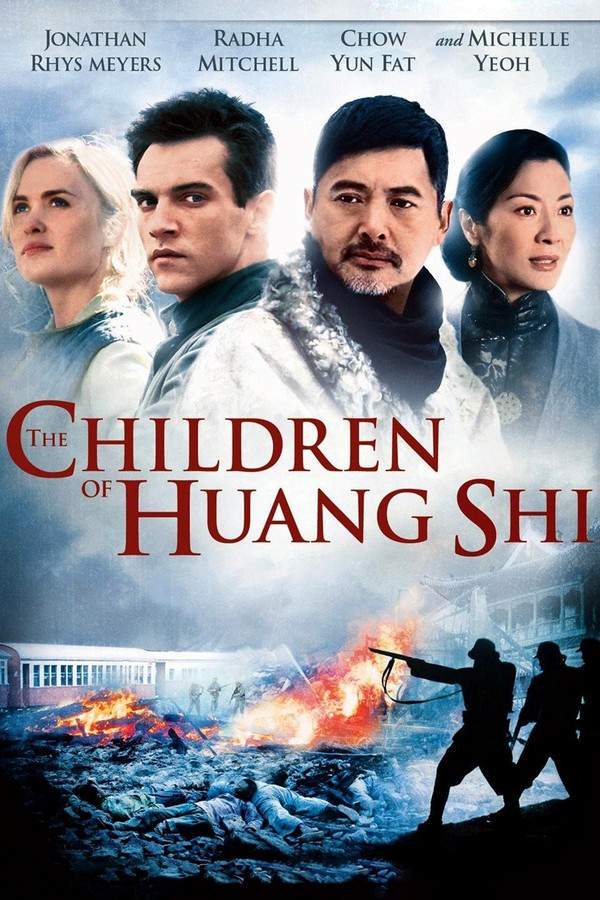
The Children of Huang Shi
Year: 2008
Runtime: 125 min
Language: English
Director: Roger Spottiswoode
During the 1930s in China, a British journalist, an American nurse, and a Chinese resistance leader find themselves united by a shared purpose. They begin a dangerous mission to locate and rescue sixty orphaned children amidst the chaos of war. The journey takes them through difficult terrain, testing their resolve and revealing the strength of their bond as they confront adversity and discover the true meaning of love and responsibility.
Where to Watch The Children of Huang Shi?
Find where to stream, rent, or buy The Children of Huang Shi (2008) in the US with current JustWatch availability, up-to-date pricing, and platform listings for subscription, rental, and digital purchase options.






Warning: spoilers below!
Haven’t seen The Children of Huang Shi yet? This summary contains major spoilers. Bookmark the page, watch the movie, and come back for the full breakdown. If you're ready, scroll on and relive the story!
Timeline & Setting – The Children of Huang Shi (2008)
Explore the full timeline and setting of The Children of Huang Shi (2008). Follow every major event in chronological order and see how the environment shapes the story, characters, and dramatic tension.
Last updated: March 08, 2025 at 15:50
Main Characters – The Children of Huang Shi (2008)
Meet the key characters of The Children of Huang Shi (2008), with detailed profiles, motivations, and roles in the plot. Understand their emotional journeys and what they reveal about the film’s deeper themes.
Last updated: March 08, 2025 at 15:50
Major Themes – The Children of Huang Shi (2008)
Explore the central themes of The Children of Huang Shi (2008), from psychological, social, and emotional dimensions to philosophical messages. Understand what the film is really saying beneath the surface.
Last updated: March 08, 2025 at 15:50
The Children of Huang Shi (2008) Character & Theme Questions Answered – Info FAQ
Browse frequently asked questions about The Children of Huang Shi (2008) focused on characters, relationships, themes, symbols, setting, and story context. This movie info FAQ gives spoiler-aware explanations for character arcs, world details, and thematic interpretation so readers can better understand what the film is really about.
Where is The Children of Huang Shi set?
The film is primarily set in Nanjing, China, during the Japanese invasion of the 1930s. Key locations include the Liu Pan Shan mountains, which serve as a treacherous escape route, and the Mongolian desert, representing the hope for safety and a fresh start for the characters.
What time period does the movie cover?
The story unfolds between 1938 and 1945, beginning during the Rape of Nanjing and concluding with the end of World War II. This period was marked by intense violence, suffering, and resistance efforts against the Japanese invasion.
What are the main themes in the film?
The film explores three primary themes: survival amid the horrors of war, compassion as a driving force for humanity, and war atrocities that expose the brutal realities of conflict. These themes interweave to show how characters adapt, care for one another, and bear witness to tragedy.
How does the theme of survival play out in the movie?
Survival is central as characters navigate the horrors of war. George Hogg transforms from a detached journalist to a caretaker, illustrating how people must adapt in dire circumstances. The orphans themselves demonstrate remarkable resilience, showing the strength of the human spirit even in extreme chaos.
What role does compassion play in the story?
Compassion emerges as Hogg learns to care for the orphans under his guardianship. His initial reluctance evolves into deep responsibility, demonstrating how humanity can thrive even in despair. Lee Pearson's role further emphasizes kindness and community as essential to survival.
Who is George Hogg in the movie?
George Hogg is a young British journalist who begins as a detached observer of the war but evolves into a compassionate leader. Driven by duty and ethical responsibility, he ultimately places the welfare of sixty orphans above his own ambitions, reflecting the struggle between personal aspirations and moral obligations.
Who is Chen Hansheng in the film?
Chen Hansheng is a brave Chinese communist resistance fighter who plays a crucial role in saving Hogg from execution. His character embodies resilience and loyalty, demonstrating deep commitment to fighting for his people while serving as a catalyst for Hogg's transformation.
Who is Lee Pearson in the movie?
Lee Pearson is a compassionate and resourceful woman running the orphanage. She represents the nurturing spirit present even during the worst times, inspiring Hogg to embrace his role as a caretaker and fostering community among the orphans.
Why is Nanjing significant to the story?
Nanjing becomes the critical backdrop during the Japanese invasion, representing the struggle and devastation faced by its people. The city's portrayal establishes the dire circumstances that drive the characters' mission to rescue and protect the orphans.
What does the journey to the Mongolian desert represent?
The Mongolian desert represents hope for safety and a fresh start, though reaching it requires a long and perilous journey. It symbolizes the ultimate goal of escaping war's devastation and finding peace for the orphans.
What is the overall tone and emotional weight of the film?
The film carries a bittersweet tone with heavy emotional weight due to the Rape of Nanjing context and Hogg's eventual death. However, the central arc of saving the children and building a community provides a strong, persistent hopeful counterpoint throughout the narrative.

Explore Movie Threads
Discover curated groups of movies connected by mood, themes, and story style. Browse collections built around emotion, atmosphere, and narrative focus to easily find films that match what you feel like watching right now.
Movies about wartime rescue missions like The Children of Huang Shi
Ordinary people undertake extraordinary missions to save lives amidst chaos.If you were moved by the perilous journey to save the orphans in The Children of Huang Shi, you'll find similar stories here. This collection features movies about humanitarian aid, rescue operations, and protecting the innocent during times of war, showcasing bravery and compassion in the face of overwhelming adversity.











Narrative Summary
The narrative pattern involves an outsider or group entering a conflict area with one purpose, only to have their mission transformed by a direct encounter with human suffering. They then embark on a dangerous, against-the-odds quest to transport a group of non-combatants to safety, facing external threats and internal doubts along the way.
Why These Movies?
Movies are grouped here because they share a central plot of a high-stakes rescue mission set against the backdrop of war. They combine the tension and violence of the setting with a powerful, hopeful drive centered on preservation of life and dignity, creating a specific type of intense yet uplifting drama.
Movies about found family in adversity like The Children of Huang Shi
Groups of strangers bond deeply through shared trauma to become a new family.For viewers who appreciated the powerful theme of found family in The Children of Huang Shi, this list highlights similar films. Discover stories where characters from different backgrounds are united by crisis, forming deep, familial bonds while navigating a journey filled with danger, sacrifice, and ultimately, a bittersweet sense of hope.

Like Dandelion Dust
2009

We Are Family
2010

Family Sins
2004

The Search
1948

Boys on the Side
1995

So B. It
2017

Born to Love
1931

My Favorite Season
1993

Two Is a Family
2016

Bad Hurt
2016

After This Our Exile
2006

Return to Seoul
2022

Daughter from Danang
2002

Wounded Game
1977

For a Lost Soldier
1992
Narrative Summary
The emotional journey begins with isolation and danger, forcing a collection of lonely or lost characters to rely on each other. Through a series of challenges, they learn to trust, protect, and care for one another, building a new community. The story arc typically culminates in a victory of spirit and connection, but acknowledges the sacrifices made along the way, resulting in a deeply felt, bittersweet resolution.
Why These Movies?
These films are grouped by their central emotional arc: the creation of a 'found family' under dire circumstances. They balance the heaviness of their setting with the uplifting power of human connection, resulting in a specific tonal mix of somber resilience and heartfelt hope that defines the viewing experience.
Unlock the Full Story of The Children of Huang Shi
Don't stop at just watching - explore The Children of Huang Shi in full detail. From the complete plot summary and scene-by-scene timeline to character breakdowns, thematic analysis, and a deep dive into the ending - every page helps you truly understand what The Children of Huang Shi is all about. Plus, discover what's next after the movie.
The Children of Huang Shi Summary
Read a complete plot summary of The Children of Huang Shi, including all key story points, character arcs, and turning points. This in-depth recap is ideal for understanding the narrative structure or reviewing what happened in the movie.

The Children of Huang Shi Timeline
Track the full timeline of The Children of Huang Shi with every major event arranged chronologically. Perfect for decoding non-linear storytelling, flashbacks, or parallel narratives with a clear scene-by-scene breakdown.


Similar Movies to The Children of Huang Shi
Discover movies like The Children of Huang Shi that share similar genres, themes, and storytelling elements. Whether you’re drawn to the atmosphere, character arcs, or plot structure, these curated recommendations will help you explore more films you’ll love.

Shanghai Triad
1995

The Taking of Tiger Mountain
2015

The Flowers of War
2011

Pavilion of Women
2001

Empire of the Sun
1987

Air Strike
2018
Shaolin
2011

The Chinese Widow
2017

The Warlords
2007

China Cry
1990

Sons of the Good Earth
1965

China Doll
1958

City of Life and Death
2009

Children of Troubled Times
1935

China Sky
1945
Explore More About Movie The Children of Huang Shi
The Children of Huang Shi (2008) Plot Summary & Movie Recap
The Children of Huang Shi (2008) Scene-by-Scene Movie Timeline
The Children of Huang Shi (2008) Spoiler-Free Summary & Key Flow
Movies Like The Children of Huang Shi – Similar Titles You’ll Enjoy
Shanghai Triad (1995) Plot Summary & Ending Explained
The Taking of Tiger Mountain (2015) Full Summary & Key Details
The Flowers of War (2011) Story Summary & Characters
Pavilion of Women (2001) Complete Plot Breakdown
Empire of the Sun (1987) Full Summary & Key Details
Air Strike (2018) Ending Explained & Film Insights
Shaolin (2011) Full Summary & Key Details
The Chinese Widow (2017) Movie Recap & Themes
The Warlords (2007) Movie Recap & Themes
China Cry (1990) Plot Summary & Ending Explained
Sons of the Good Earth (1965) Ending Explained & Film Insights
China Doll (1958) Spoiler-Packed Plot Recap
City of Life and Death (2009) Ending Explained & Film Insights
Children of Troubled Times (1935) Detailed Story Recap
China Sky (1945) Full Summary & Key Details