Plot Explained Spoilers guaranteed!
Plot Explained

Browse by genre

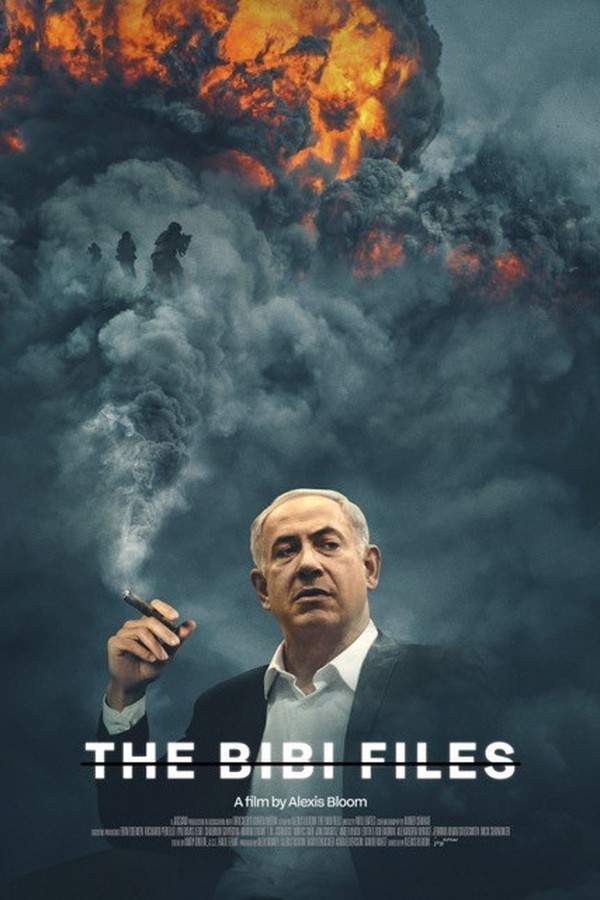
The Bibi Files (2024) movie poster

Timeline

The Bibi Files (2024) Timeline Explained – Every Event in Order

Release, runtime and language
2024 · 1 h 55 m · English
Echo score 70
Loading streaming availability…
Directed by
Alexis Bloom
Starring
Ami Ayalon, Benjamin Netanyahu
Budget
$100

This investigation utilizes previously unseen interrogation footage to explore the private world of Benjamin Netanyahu and his inner circle. It examines how petty vanity, a sense of entitlement, and a reluctance to relinquish power contributed to corruption and created opportunities for those on the extreme right.

On this page (6)
  1. 1 Where to watch
  2. 2 Events in order (15)
  3. 3 Timeline questions answered
  4. 4 Movie threads
  5. 5 Movies like The Bibi Files
  6. 6 Every angle
Loading streaming availability…

15 events in order · contains spoilers

The Bibi Files Timeline: Events in Chronological Order

Every key event of The Bibi Files (2024) in order, scene by scene, with when and where it takes place. Use it to untangle flashbacks, time jumps and parallel storylines, to refresh your memory before the sequel or to find the exact scene you are thinking of.

  1. The 1993 Sex Tape Scandal

    Insiders speculate that Benjamin Netanyahu fears his wife, Sara, and has regularly appeased her wishes since the 1993 sex tape scandal. This dynamic is presented as key to understanding the couple's relationship and Sara's influence over the Prime Minister.

    When
    1993
  2. Drucker's Years of Investigative Reporting

    Investigative journalist Raviv Drucker publishes several investigative reports on Netanyahu in the years leading up to the documentary, making him deeply familiar with the Prime Minister. Drucker notes that despite decades of corruption allegations, Netanyahu has never faced prosecution. He and other insiders believe the 2018-2022 Israeli political crisis was a direct result of Netanyahu's efforts to avoid prosecution.

    When
    Years leading up to the documentary
  3. A Supply Line of Luxury Gifts

    Hundreds of witnesses are interrogated throughout the investigation, stating that Netanyahu and his wife Sara had been steadily receiving expensive gifts, including jewelry, cigars, and champagne. The gifts came from wealthy businesspeople such as Arnon Milchan, Sheldon Adelson, and Miriam Adelson. Hadas Klein, Milchan's former assistant, alleges the gifts were demanded by the Netanyahus like a 'supplyment [sic] line'. To hide the inflow of gifts, they communicated in code and concealed items in bags and coolers.

  4. A Tax Exemption for Milchan

    Yair Lapid, former Minister of Finance, states that Netanyahu, at Milchan's request, personally advocated for the extension of a tax exemption that solely benefited Milchan's financial interests. The exemption was marginal, applying to only a few individuals. Lapid notes it was the only tax regulation Netanyahu ever approached him about.

  5. Calls to Reinstate Milchan's U.S. Visa

    Hadas Klein states that Netanyahu, at Milchan's request, personally contacted U.S. Secretary of State John Kerry and Ambassador Daniel B. Shapiro. The purpose of the contacts was to have Milchan's U.S. visa reinstated. The episode became another striking example of favors allegedly traded between the Prime Minister and the media mogul.

  6. Favorable Coverage on Walla! News

    In a second case in Netanyahu's trial, former spokesperson Nir Hefetz states that Netanyahu gave Shaul Elovitch access to funds to repay a loan. In exchange, Elovitch provided favorable coverage on his news website, Walla! News. Hefetz also states that Yair Netanyahu, the Prime Minister's son, had influence over Walla's content.

  7. Yair Netanyahu's Defiant Interrogation

    Yair Netanyahu, known for his strict right-wing views, is uncooperative during his police interrogation. He compares the Israeli police to the Stasi and Gestapo and calls the investigation a 'witch hunt'.

  8. Sara Netanyahu Clashes with Investigators

    Sara Netanyahu is hostile and combative during her interrogation, accusing the police of trying to bring down her husband. Insiders state that she is controlling and heavily involved in political matters and decision-making under her husband's premiership.

  9. Turmoil Among the Residence Staff

    Household workers at the Prime Minister's official residence state that Sara Netanyahu created a hostile work environment for them. A former housekeeper claims that Sara expected the same level of luxury as the White House.

    Where
    Beit Aghion, Jerusalem
  10. Netanyahu Before the Interrogators

    Benjamin Netanyahu is interrogated by Israeli police as he faces allegations of bribery and corruption. He is defensive throughout, calling the interrogators' questions 'delusional' and the investigation 'preposterous and insane'. He vehemently denies soliciting any gifts, and quotes The Godfather Part II to the interrogators: 'Keep your friends close, keep your enemies closer'.

  11. Indictment and Refusal to Resign

    After his indictment in November 2019, Netanyahu denies the charges and refuses to resign. To maintain his political power, he begins to appeal to the far-right and religious factions. Insiders say he willingly threw Israeli politics into turmoil rather than step down and face his trial.

    When
    November 2019
  12. Ultra-Nationalists Enter the Cabinet

    Netanyahu later appoints ultra-nationalists Bezalel Smotrich and Itamar Ben-Gvir to his cabinet. Insiders view the appointments as part of his strategy to hold onto power while fighting his corruption trial.

  13. The Judicial Reform Storm

    In January 2023, Netanyahu promotes a judicial reform plan to limit the power of the Supreme Court, sparking nine months of widespread protests across Israel. Insiders state that he backed the reform plan in an attempt to block his trial. They claim he willingly destabilized and undermined the security of the country in order to evade a jail sentence.

    When
    January 2023
    Where
    Israel
  14. October 7 and 'The Height of the Flames'

    Footage from the October 7 attacks is shown in the film. Insiders believe Netanyahu to be indirectly responsible for the attacks, having empowered Hamas in Gaza for years to weaken the Palestinian Authority in the West Bank. They cite his belief that 'we control the height of the flames'.

    When
    October 7, 2023
    Where
    Israel
  15. The War as a Legal Shield

    Insiders believe the anti-Arab far-right has an incentive to prolong the Gaza war in order to achieve its goals in Gaza and Southern Lebanon, rather than prioritizing the hostage crisis and a ceasefire. In turn, Netanyahu repeatedly requests that his corruption trial be delayed, citing the ongoing war. Drucker and other insiders see this as Netanyahu using the war as an instrument to further delay his trial.

Last updated: October 28, 2026 at 07:13

Was this helpful?

Timeline questions answered

The Bibi Files Timeline Explained: Your Questions Answered

When does it happen, and why in that order? The questions people ask about the chronology of The Bibi Files (2024): time jumps, flashbacks, cause and effect between scenes and the correct order of events, each answered with spoilers.

Q1

What are the main corruption allegations against Netanyahu?

The Bibi Files centers on three strands of alleged corruption: luxury gifts from Arnon Milchan, Sheldon Adelson, and Miriam Adelson; official favors for Milchan, including a tax exemption and help restoring his U.S. visa; and a loan to Shaul Elovitch in exchange for favorable Walla! coverage. Netanyahu denies soliciting gifts and portrays the inquiry as a political attack. The film presents the case through police interrogations and insider testimony rather than a definitive verdict.

Foreshadowing: The opening interrogation establishes the conflict that drives the film: Netanyahu's denials versus allegations from former insiders and associates.

  • netanyahu corruption case
  • bribery allegations
  • arnon milchan
  • shaul elovitch
  • walla news
  • luxury gifts
Q2

Why did Netanyahu refuse to resign after his 2019 indictment?

After his November 2019 indictment, Netanyahu denied the charges and chose to stay in power by building an alliance with far-right and religious parties. The documentary presents that refusal as more than personal defiance: it gave him allies who could resist the case and support his political agenda, allowing him to postpone the threat of conviction while remaining prime minister. The insiders' interpretation is that keeping office was his central way to avoid prison.

Foreshadowing: His immediate refusal to resign after the indictment sets up the coalition strategy and reform campaign that follow.

  • 2019 indictment
  • refuse to resign
  • corruption trial
  • coalition government
  • political survival
Q3

How was the 2023 judicial reform plan connected to Netanyahu's corruption trial?

The 2023 plan sought to limit the Supreme Court's power, and insiders in The Bibi Files argue that Netanyahu supported it to make his corruption trial harder to pursue. Because his coalition depended on parties favoring the changes, the reform drive became both a legal-protection strategy and a fight over whether he could remain in office. It triggered nine months of nationwide protests, making the alleged effort to evade accountability inseparable from a constitutional crisis.

Foreshadowing: The alliance-building that began after the 2019 indictment foreshadows the judicial reform push in 2023.

  • judicial reform
  • supreme court
  • corruption trial
  • 2023 protests
  • coalition government
Q5

Why does the documentary blame Netanyahu for the October 7 attacks?

The documentary blames Netanyahu indirectly by presenting insiders who argue that he deliberately empowered Hamas in Gaza for years to weaken the Palestinian Authority. On that account, maintaining a stronger Hamas created conditions the attack could exploit. The film offers this as a serious allegation about responsibility, not as a judicially established finding that Netanyahu planned or controlled October 7.

Foreshadowing: Earlier passages about Netanyahu's policy of empowering Hamas prepare the later accusation that he indirectly enabled the attack.

  • october 7 responsibility
  • hamas
  • palestinian authority
  • indirect responsibility
  • israel security
Q6

What was the alleged 'supplyment line' of gifts?

Hadas Klein alleges that Benjamin and Sara Netanyahu demanded a steady supply of expensive gifts from wealthy supporters such as Milchan and the Adelsons. The allegedly systematic deliveries were coordinated through coded messages and hidden in bags or coolers, which is why witnesses described them as a “supplyment line.” Netanyahu denies soliciting gifts, so the documentary presents the pattern as contested testimony rather than an established confession.

Foreshadowing: Klein's description of repeated demands and concealed deliveries foreshadows the scale of the gift network detailed by other witnesses.

  • supplyment line
  • luxury gifts
  • coded messages
  • coolers
  • hadas klein
  • netanyahu gifts
Q7

What favors did Netanyahu allegedly provide for Arnon Milchan?

Yair Lapid says Netanyahu personally pushed to extend a tax exemption that benefited Milchan, and Hadas Klein says he contacted U.S. officials to restore Milchan's visa. Both episodes show alleged high-level intervention on behalf of a wealthy gift-giver. The film's witnesses connect these favors to the gifts, although the small tax exemption by itself did not establish a bribery exchange.

  • milchan tax exemption
  • us visa
  • john kerry
  • daniel shapiro
  • official favors
Q8

How did the Walla! News arrangement allegedly work?

Former Netanyahu spokesperson Nir Hefetz says Netanyahu gave Shaul Elovitch access to money to repay a loan. In the alleged quid pro quo, Elovitch then used Walla! News to provide favorable coverage, with Yair Netanyahu also influencing the site's content. This is a separate media case from the Milchan allegations and is presented as testimony from Hefetz rather than a settled finding.

Foreshadowing: The film introduces Elovitch as a media operator before linking Netanyahu's financial assistance to Walla's editorial behavior.

  • walla news
  • shaul elovitch
  • nir hefetz
  • favorable coverage
  • quid pro quo
  • yair netanyahu
Q9

Why do insiders blame Netanyahu for Israel's 2018–2022 political crisis?

Insiders argue that Netanyahu's effort to escape prosecution drove the 2018–2022 political crisis rather than leaving the upheaval to be explained only by ideological disputes. In their account, his refusal to resign, coalition-building, and push for judicial reform were all connected to avoiding a conviction. The documentary thus frames the upheaval as a possible personal survival strategy, while relying on insider interpretation to establish that motive.

Foreshadowing: The 2019 indictment and refusal to resign form the early hinge for the later reform campaign.

  • 2018 2022 political crisis
  • corruption case
  • judicial reform
  • coalition
  • political strategy
Q10

Why did Netanyahu appoint Ben-Gvir and Smotrich to his cabinet?

The documentary frames Benjamin Netanyahu's appointments of Itamar Ben-Gvir and Bezalel Smotrich as coalition-building moves designed to secure loyal far-right support while his corruption case threatened his tenure. Their support gave him a parliamentary base for the judicial reform agenda and, in the insiders' view, made it harder for opponents to force him from office. The film treats the appointments as part of a power-retention strategy, not merely a shift in policy.

Foreshadowing: Netanyahu's cultivation of right-wing support after the 2019 indictment foreshadows their later cabinet roles.

  • ben-gvir
  • smotrich
  • ultranationalist cabinet
  • coalition support
  • judicial reform
Q11

What does the leaked interrogation footage show about the corruption case?

The unseen recordings show Netanyahu, Yair Netanyahu, and Sara Netanyahu responding to investigators, with Netanyahu repeatedly denying solicitation and the others adopting hostile, combative postures. The footage establishes how each family member resisted the inquiry, but it does not independently prove or disprove the witness accounts about gifts and quid pro quos. Its value is mainly to show the interrogation dynamic alongside documentary reporting and insider testimony.

  • interrogation footage
  • netanyahu interrogation
  • yair netanyahu
  • sara netanyahu
  • police inquiry
  • documentary evidence
Q12

What does “we control the height of the flames” mean?

Within the film, the phrase expresses the alleged belief that Netanyahu could keep the flames of conflict high enough to pressure the Palestinian Authority while retaining control of the situation. Insiders use it to support their claim that he strengthened Hamas before October 7. It is an inference built from statements and policy history, not proof that he foresaw or directed the attack.

Foreshadowing: The documentary's earlier references to empowering Hamas make the phrase the stated logic behind its later accusation.

  • height of the flames
  • netanyahu quote
  • hamas
  • palestinian authority
  • october 7
Q13

Why does the 1993 sex tape scandal matter to Netanyahu and Sara's relationship?

Insiders speculate that the 1993 sex tape scandal left Benjamin Netanyahu fearful of Sara and inclined to appease her wishes. The film presents that behavior as the origin of a relationship in which her influence became unusually strong. This is context supplied by insiders, not proof that the tape caused later political or corruption decisions.

Foreshadowing: The tape is presented as an early origin point for the alleged pattern of appeasement that follows.

  • 1993 sex tape
  • sara netanyahu
  • benjamin netanyahu
  • marriage
  • appeasement
Q14

How much influence did Sara Netanyahu have over Benjamin Netanyahu?

The film describes Sara Netanyahu as controlling and heavily involved in political matters and decision-making during her husband's premiership. Former household staff also portray her as demanding and as creating a hostile work environment, while investigators connect her to the alleged gift deliveries. These accounts establish a broad sphere of influence, but they do not show that she directed every major decision attributed to Benjamin Netanyahu.

Foreshadowing: The household-staff accounts of Sara's treatment of employees anticipate the later portrayal of her as a demanding, controlling figure around the Prime Minister.

  • sara netanyahu
  • household staff
  • political influence
  • controlling behavior
  • gift deliveries
Q15

Why does Netanyahu quote “Keep your friends close, keep your enemies closer”?

During his interrogation, Netanyahu invokes The Godfather Part II to describe his view of keeping allies and adversaries close. In the documentary's framing, the line adds irony to a portrait of a leader whose inner circle and business relationships allegedly became instruments of political leverage. It is a rhetorical response to the investigators, not a literal admission of criminal conduct.

Foreshadowing: His repeated dismissal of the questions precedes the Godfather reference, making the line the sharpest expression of his defensive posture.

  • keep your friends close
  • godfather part ii
  • netanyahu quote
  • interrogation
  • inner circle

Movie threads

More Movies Like The Bibi Files, by Mood & Story

Curated lists built around what makes The Bibi Files tick: the same mood, the same kind of story or the same emotional payoff. Each list explains why these movies belong together.

Movies like The Bibi Files: Political corruption and abuse of power

Private misconduct becomes an institutional crisis when the evidence starts talking. Explore movies like The Bibi Files and similar documentary stories exposing political corruption through interrogation footage, insider testimony, and painstaking reporting. These tense investigations trace private vanity and abuse of power into institutional failure, revealing how personal compromise can become a national crisis.

  • political corruption
  • abuse of power
  • investigative
  • tense
  • morally urgent
  • private scandal
  • Tone: tense, somber, morally urgent
  • Pacing: variable, detail-driven, propulsive
Why these movies?

The story pattern: An inquiry begins with recorded conversations or accusations about a powerful figure's conduct, then widens to show the political networks around them. Revelations accumulate, motives remain contested, and a personal scandal becomes a question of institutional responsibility, leaving consequences unresolved and accountability painfully incomplete.

Why they belong together: They share a forensic, high-stakes approach to political wrongdoing: private evidence forces viewers to confront uncomfortable claims about leaders, while detailed reporting connects individual failures to wider systemic damage. The mood stays grave and suspenseful, with moral urgency replacing comforting closure.

Movies like The Bibi Files: Political crisis, war, and civilian cost

Intimate confrontations expose how political choices become a national catastrophe. Find movies like The Bibi Files and similar investigative films that combine tense political conflict with disturbing questions of extremism, war, and civilian suffering. These high-intensity stories use intimate confrontations and ominous revelations to expose how institutional decisions escalate into public catastrophe, often ending without reassurance or resolution.

  • tense
  • ominous
  • claustrophobic
  • conspiratorial
  • war and geopolitical crisis
  • emotionally heavy
  • Tone: tense, ominous, somber
  • Pacing: variable, measured, intermittently urgent
Why these movies?

The story pattern: A confined encounter or leaked disclosure first exposes a disturbing human motive, then the story widens into conflict, conspiracy, and institutional collapse. The pressure rises as personal wrongdoing meets geopolitical consequences, and the journey ends not with reassurance but with an unresolved crisis and visible human cost.

Why they belong together: The connection is an experience of dread under institutional pressure: intimate, uncomfortable exchanges sit beside depictions of a society destabilized by conflict. These films move between measured detail and urgent revelation, keeping political complexity and civilian suffering at the center rather than offering a clean heroic resolution.

If you liked this

Movies Like The Bibi Files

Similar movies to The Bibi Files: the same genre, themes or kind of story. Each one comes with its own plot summary, timeline and ending explained.

Browse all movie summaries

Every angle

The Bibi Files (2024) Explained: Plot, Timeline & Characters

Everything about The Bibi Files in one place: what happens in the plot summary, the timeline in chronological order, the characters and meaning and a spoiler-free summary. What's After the Movie adds the cast, box office and post-credit scenes.

Coming soon on iOS and Android

The Plot Explained Movie Summary App

Plot summaries, endings explained and timelines on your phone. Catch up on any movie in minutes, save your favorites and never miss a twist again.

Be the first to know when we launch. Your email stays private, always.

Learn more about the app