












Plot Explained Spoilers guaranteed!
Plot Explained

Browse by genre

The 4th Floor (1999) movie poster

Characters & Themes

The 4th Floor (1999) Characters, Setting & Themes Explained

Release, runtime and language
1999 · 90 mins · English
JustWatch #21,623 9
Directed by
Josh Klausner
Starring
William Hurt, Juliette Lewis, Shelley Duvall, Austin Pendleton, Robert Costanzo, Tobin Bell

People are dying to live in this building. A woman inherits a rent-controlled apartment and is terrorized by a neighbor.

On this page (8)
  1. 1 Where to watch
  2. 2 Characters explained (9)
  3. 3 Where & when it takes place
  4. 4 Themes & meaning (3)
  5. 5 Character & meaning questions
  6. 6 Movie threads
  7. 7 Movies like The 4th Floor
  8. 8 Every angle

Where to watch

Where to Watch The 4th Floor (1999)

Where can you watch The 4th Floor? Stream, rent or buy it in the US, including on Amazon Prime Video, fuboTV and Fawesome: current JustWatch availability with up-to-date prices.

Streaming availability powered by JustWatch

9 main characters · contains spoilers

The 4th Floor Characters Explained: Who Is Who

The main characters of The 4th Floor (1999), heroes and villains: what drives them, how they change over the course of the story and what each of them reveals about the film's bigger ideas.

  • Jane Emelin

    played by Juliette Lewis

    A newly independent renter who inherits a rent-controlled brownstone and confronts the fragility of her new autonomy. Her move-in sparks a chain of disturbing incidents that test her courage, resilience, and ability to trust others, especially as she navigates pressure from her boyfriend and mounting evidence of a hidden threat.

    • ❄️ Determined
    • 🔍 Curious
    • 🗝️ Resourceful
  • Greg Harrison

    played by William Hurt

    Jane's boyfriend who urges her to move in and conflicts with her insistence on independence. He represents stability and support on one hand but also pressure on her personal autonomy, creating friction that amplifies the film’s tension.

    • 💑 Protective
    • 💬 Controlling
    • 🧭 Relationship-pressure
  • Martha Stewart

    played by Shelley Duvall

    Jane's neighbor from the first floor who offers gossip and context about the building’s occupants. She acts as a bridge between Jane and the building’s social web, though her information sometimes complicates the mystery.

    • 🤝 Friendly
    • 🗺️ Informative
    • 🗝️ Secretive
  • Mr. Collins

    played by Austin Pendleton

    The elderly-appearing occupant of the 4th floor who is revealed to be the terrorizing neighbor. His calm exterior masks a calculating and dangerous personality, driving much of the film’s confrontation with Jane.

    • 🗝️ Menacing
    • 🧭 Calculating
    • 🗡️ Violent
  • The Locksmith

    played by Tobin Bell

    A mysterious repairman who appears to help Jane but becomes entangled in the mounting danger as events escalate toward a violent confrontation. He provides a counterbalance to the fear by offering aid and a different perspective on what is happening.

    • 🗝️ Mysterious
    • 🛠️ Helpful
  • Exterminator

    played by Robert Costanzo

    The technician called to deal with the maggot and rodent infestation, whose findings hint at deliberate manipulation of Jane’s living space.

    • 🪲 Necessary
    • 🧪 Investigative
  • Cheryl

    played by Sabrina Grdevich

    Jane's coworker friend who appears briefly and represents external life beyond the apartment, offering support when she can. She connects Jane to outside help and awareness of the situation.

    • 🤝 Supportive
    • 💬 Friend
  • Korean Grocer

    played by Ho Chow

    The local Korean grocer who mentions Alice’s sudden discontinuation of daily orders, hinting at the larger mystery brewing in the building.

    • 🧭 Informative
    • 🌶️ Cultural
  • Alice

    The hermit living on or beneath the 4th floor whose disappearance and presumed death become a central mystery piece in Jane’s investigation.

    • 🧭 Mysterious
    • 🗝️ Hidden

Last updated: October 04, 2025 at 18:23

Was this helpful?

Setting

Where and When Does The 4th Floor Take Place?

The setting of The 4th Floor (1999): the year and time period, the places and locations, and how they shape the characters, the mood and the tension of the story.

Time period

Location

Rent-controlled brownstone apartment building

A multi-tenant brownstone where Jane moves into a rent-controlled apartment. The building houses a variety of neighbors across floors, including a hermit on the 4th floor. The interior spaces become stages for creeping disturbances—notes on doors, tampering, and a pervasive sense of surveillance.

  • 🏚️ Urban
  • 🗝️ Rent-controlled
  • 🏢 Multi-tenant

Last updated: October 04, 2025 at 18:23

Was this helpful?

3 major themes

The 4th Floor Meaning: Themes & Message Explained

What is The 4th Floor (1999) really about? The emotional, social and philosophical themes the film keeps returning to, its symbolism and the message beneath the surface.

  • Paranoia

    The film builds creeping suspicion as ordinary actions—notes on doors, tampered locks, and strange deliveries—hint that someone is watching. Jane's attempts to settle in are met with coded signals and hidden threats that blur the line between neighborly friction and danger. The building itself becomes a trap where every room could conceal a secret.

  • Isolation

    Claustrophobic corridors and closed doors drive Jane into a shrinking social circle where help feels out of reach. Friends and authorities seem powerless as secrets fester between floors. The apartment shifts from sanctuary to prison as paranoia intensifies.

  • Concealed Threat

    A calm veneer hides a violent, calculating antagonist in Mr. Collins, whose true nature unfolds through hidden holes, coded messages, and a room overflowing with disturbing evidence. Key objects—the hole in the floor, the portcullis motif, and the ominous typewriter—recast everyday spaces as instruments of danger. The film builds toward a climactic confrontation that exposes how private spaces can weaponize fear.

Last updated: October 04, 2025 at 18:23

Was this helpful?

Character & theme questions

The 4th Floor Characters & Meaning: Your Questions Answered

The questions people ask about The 4th Floor (1999): who the characters really are, their relationships, what the symbols mean, where it takes place and what the movie is really about. Each answer contains spoilers.

Q1

What kind of building is the story set in?

The story takes place in a multi-tenant brownstone in an urban setting. Jane inherits a rent-controlled apartment in this building, which becomes both her sanctuary and her prison. The building houses various neighbors across different floors, with the 4th floor harboring the mysterious hermit, Mr. Collins.

Foreshadowing: The brownstone's narrow corridors and multiple floors create a claustrophobic environment where surveillance and isolation naturally emerge.

  • brownstone
  • apartment building
  • rent-controlled
  • urban setting
  • multi-tenant
Q2

What does the Paranoia theme mean in the film?

The film builds creeping suspicion as ordinary actions, notes on doors, tampered locks, and strange deliveries, hint that someone is watching. Jane's attempts to settle in are met with coded signals and hidden threats that blur the line between neighborly friction and genuine danger. The building itself becomes a trap where every room could conceal a secret.

Foreshadowing: Early scenes of small disturbances establish that someone is systematically observing and interfering with Jane's life.

  • paranoia
  • suspicion
  • surveillance
  • watching
  • threats
Q3

How does the Isolation theme develop in the movie?

Claustrophobic corridors and closed doors drive Jane into a shrinking social circle where help feels out of reach. Friends and authorities seem powerless as secrets fester between floors. The apartment shifts from sanctuary to prison as paranoia intensifies, leaving Jane increasingly alone against a hidden threat.

Foreshadowing: Jane's initial excitement about independent living gradually gives way to feeling trapped within her own home.

  • isolation
  • claustrophobia
  • trapped
  • sanctuary
  • prison
Q4

Who is Mr. Collins and what role does he play?

Mr. Collins is the elderly-appearing occupant of the 4th floor who is revealed to be the terrorizing neighbor. His calm exterior masks a calculating and dangerous personality. He uses hidden holes, coded messages, and a room overflowing with disturbing evidence to stalk and torment Jane.

Foreshadowing: The subtle references to the 4th floor hermit and the mysterious goings-on in the building hint at Mr. Collins's presence long before his true nature is exposed.

  • mr collins
  • antagonist
  • 4th floor
  • hidden threat
  • psychological terror
Q5

What is the Concealed Threat theme about?

A calm veneer hides a violent, calculating antagonist in Mr. Collins, whose true nature unfolds through hidden holes, coded messages, and a room overflowing with disturbing evidence. Key objects, the hole in the floor, the portcullis motif, and the ominous typewriter, recast everyday spaces as instruments of danger.

Foreshadowing: The seemingly helpful locksmith and mysterious repairmen moving through the building hint at darker activities happening behind closed doors.

  • concealed threat
  • hidden danger
  • secret room
  • calculating antagonist
  • psychological horror
Q6

Who is Jane Emelin and what is her situation?

Jane Emelin is a newly independent renter who inherits a rent-controlled brownstone apartment. Her move-in sparks a chain of disturbing incidents that test her courage, resilience, and ability to trust others. She navigates pressure from her boyfriend while discovering mounting evidence of a hidden threat in her new home.

Foreshadowing: Jane's determination to live independently sets her on a collision course with the building's darkest secret.

  • jane emelin
  • protagonist
  • independent woman
  • rent-controlled apartment
Q7

What role does Greg Harrison play in the story?

Greg Harrison is Jane's boyfriend who urges her to move in with him and conflicts with her insistence on independence. He represents stability and support on one hand but also pressure on her personal autonomy, creating friction that amplifies the film's tension between dependency and self-reliance.

Foreshadowing: Greg's persistence in wanting Jane to move in suggests he may not fully respect her need for independence.

  • greg harrison
  • boyfriend
  • pressure
  • independence
  • support
Q8

Who is Alice and why is she important?

Alice is the hermit living on or beneath the 4th floor whose disappearance and presumed death become a central mystery piece in Jane's investigation. The Korean grocer mentions Alice's sudden discontinuation of daily orders, hinting at the larger mystery brewing in the building and connecting to the film's theme of concealed threat.

Foreshadowing: Alice's abrupt absence from her routine orders foreshadows the darker truth Jane will uncover about the 4th floor.

  • alice
  • hermit
  • 4th floor
  • disappearance
  • mystery
Q9

How does the building itself function as a character in the film?

The brownstone transforms from a hopeful symbol of independence into a trap. Interior spaces become stages for creeping disturbances, notes on doors, tampering, and a pervasive sense of surveillance. Every room could conceal a secret, and private spaces weaponize fear as the true nature of the building reveals itself.

Foreshadowing: Early scenes of Jane exploring her new apartment hint at the building's hidden architecture and the secrets within its walls.

  • building as character
  • brownstone
  • setting
  • trap
  • surveillance
Q10

What is the psychological tone of the film?

The intensity is relentless, featuring harassment, gaslighting, and psychological torment that creates a consistently stressful and anxious viewing experience. The tone is dark, centered on deception and malevolence, with no levity to offset the grim events. The film deals with profound psychological manipulation, violation of personal safety, and the discovery of a murder.

Foreshadowing: The escalating pattern of disturbing incidents builds an atmosphere where viewers increasingly question what is real and who can be trusted.

  • psychological horror
  • gaslighting
  • dark tone
  • manipulation
  • terror

Movie threads

More Movies Like The 4th Floor, by Mood & Story

Curated lists built around what makes The 4th Floor tick: the same mood, the same kind of story or the same emotional payoff. Each list explains why these movies belong together.

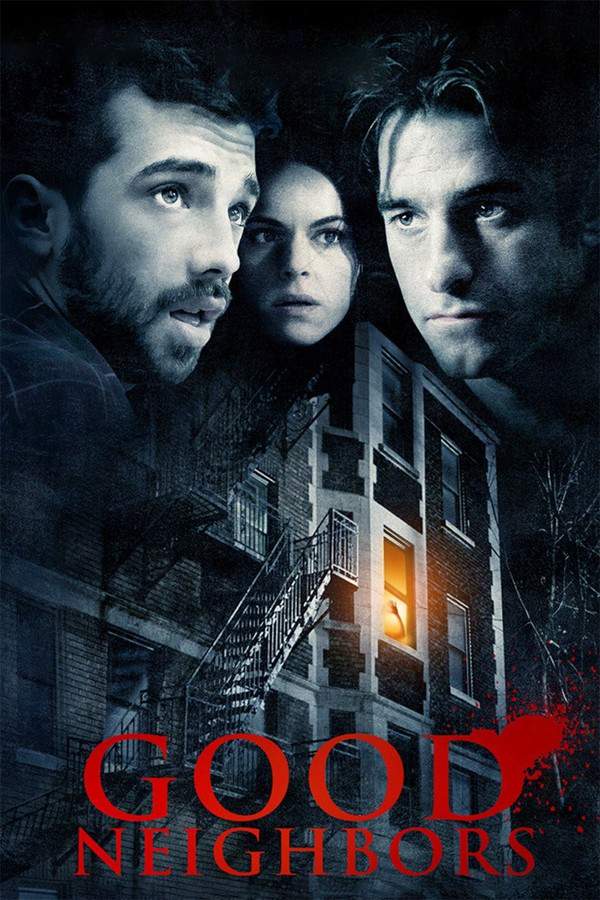
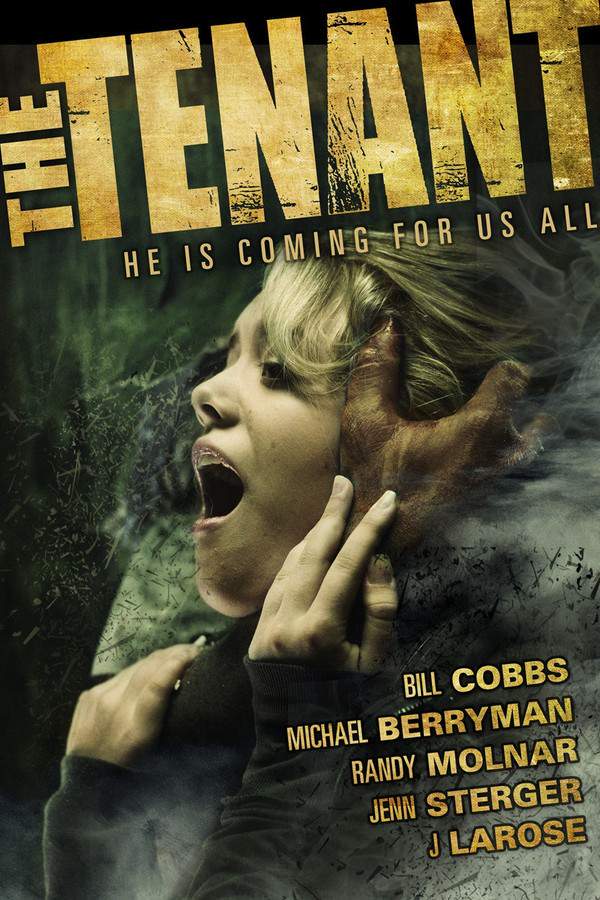
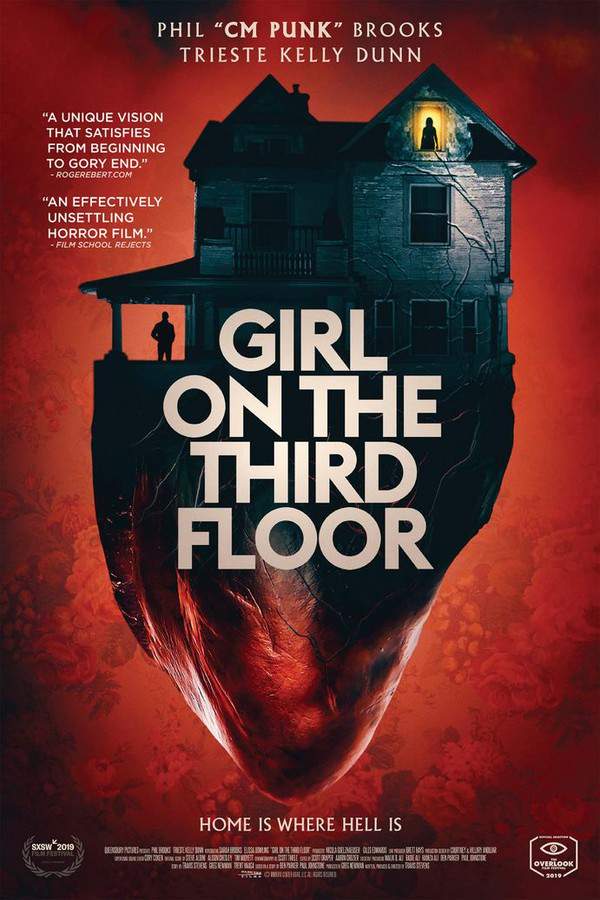
Movies of domestic claustrophobia and paranoid neighbors like The 4th Floor

The threat comes from next door, turning your home into a trap. If you liked the intense feeling of urban isolation and neighborly terror in The 4th Floor, explore more movies about domestic claustrophobia. These films feature protagonists whose homes are invaded by a threat from next door, creating a suspenseful and unsettling viewing experience perfect for fans of psychological thrillers.

  • paranoid
  • claustrophobic
  • unsettling
  • suspenseful
  • urban anxiety
  • violated safety
  • Tone: dark, unsettling
  • Pacing: steady, methodical
Why these movies?

The story pattern: This thread follows protagonists who, after moving into a new home, discover that their neighbor or someone within their building harbors malicious intent. The narrative focuses on the breakdown of trust and the psychological erosion of the main character as their personal space is violated, often through gaslighting and harassment.

Why they belong together: Movies are grouped here based on the shared core fear of the home becoming unsafe. They create a specific kind of tension rooted in proximity, urban anxiety, and the violation of privacy, delivering a consistently unnerving and paranoid experience.
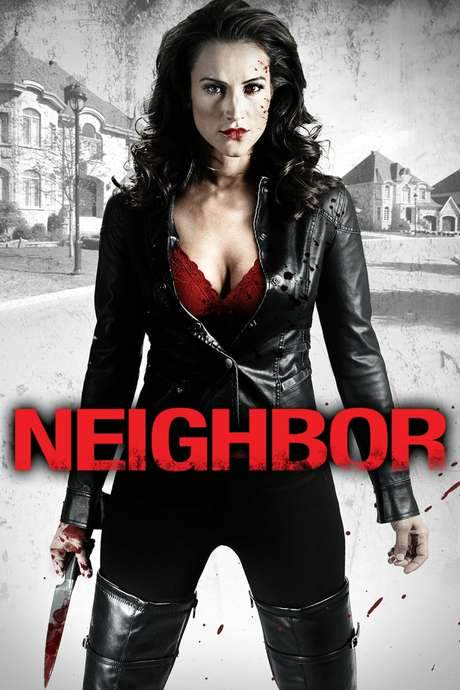
Gaslighting and psychological manipulation thrillers like The 4th Floor

A slow, steady erosion of a character's sanity and perception of reality. For viewers who enjoyed the psychological torment and reality-questioning plot of The 4th Floor, this section collects movies focused on gaslighting. These films feature a systematic dismantling of a protagonist's sanity, leading to ambiguous endings and a heavy emotional weight, similar to intense psychological thrillers.

  • psychological
  • anxious
  • unsettling
  • mind games
  • deception
  • suspenseful
  • Tone: dark, tense
  • Pacing: steady, slow burn
Why these movies?

The story pattern: The narrative pattern involves a targeted campaign of psychological manipulation where the protagonist is made to doubt their own memories, judgment, and sanity. The plot unfolds through a series of seemingly innocuous events that escalate, revealing a malicious intent to isolate and break down the main character.

Why they belong together: These films are grouped by their shared focus on psychological warfare rather than physical violence. They deliver a specific, stressful viewer experience built on suspense, deception, and the terrifying theme of losing one's grip on reality.

If you liked this

Movies Like The 4th Floor

Similar movies to The 4th Floor: the same genre, themes or kind of story. Each one comes with its own plot summary, timeline and ending explained.

Browse all movie summaries

Every angle

The 4th Floor (1999) Explained: Plot, Timeline & Characters

Everything about The 4th Floor in one place: what happens in the plot summary, the timeline in chronological order, the characters and meaning and a spoiler-free summary. What's After the Movie adds the cast, box office and post-credit scenes.

Coming soon on iOS and Android

The Plot Explained Movie Summary App

Plot summaries, endings explained and timelines on your phone. Catch up on any movie in minutes, save your favorites and never miss a twist again.

Be the first to know when we launch. Your email stays private, always.

Learn more about the app