
SuperDragon: The Bruce Lee Story
Year: 1974
Runtime: 89 mins
Language: Chinese
Director: Ti Shih
The film opens with the motto “the super dragon never dies,” then launches into a wildly imagined biography of Bruce Lee. Marketed as the first biopic of the martial‑arts legend, it blends fact and fiction on a shoestring budget, starring Bruce Li, the era’s premier Lee impersonator. It traces Lee’s modest start delivering newspapers, his meteoric rise to martial‑arts fame, and his tangled romance with actress Betty Ting‑Pei.
Where to Watch SuperDragon: The Bruce Lee Story?
Find where to stream, rent, or buy SuperDragon: The Bruce Lee Story (1974) in the US with current JustWatch availability, up-to-date pricing, and platform listings for subscription, rental, and digital purchase options.













Streaming availability powered by 
Warning: spoilers below!
Haven’t seen SuperDragon: The Bruce Lee Story yet? This summary contains major spoilers. Bookmark the page, watch the movie, and come back for the full breakdown. If you're ready, scroll on and relive the story!
Timeline & Setting – SuperDragon: The Bruce Lee Story (1974)
Explore the full timeline and setting of SuperDragon: The Bruce Lee Story (1974). Follow every major event in chronological order and see how the environment shapes the story, characters, and dramatic tension.
Last updated: February 18, 2026 at 23:35
Main Characters – SuperDragon: The Bruce Lee Story (1974)
Meet the key characters of SuperDragon: The Bruce Lee Story (1974), with detailed profiles, motivations, and roles in the plot. Understand their emotional journeys and what they reveal about the film’s deeper themes.
Last updated: February 18, 2026 at 23:35
Major Themes – SuperDragon: The Bruce Lee Story (1974)
Explore the central themes of SuperDragon: The Bruce Lee Story (1974), from psychological, social, and emotional dimensions to philosophical messages. Understand what the film is really saying beneath the surface.
Last updated: February 18, 2026 at 23:35
SuperDragon: The Bruce Lee Story (1974) Character & Theme Questions Answered – Info FAQ
Browse frequently asked questions about SuperDragon: The Bruce Lee Story (1974) focused on characters, relationships, themes, symbols, setting, and story context. This movie info FAQ gives spoiler-aware explanations for character arcs, world details, and thematic interpretation so readers can better understand what the film is really about.
Where does the movie take place?
The film is set in two primary locations: Seattle, Washington, where Bruce Lee starts his journey delivering newspapers and teaching martial arts, and Hong Kong, where he pursues his film career with major studios like Shaw Brothers and Golden Harvest. These two cities anchor the film's cross-cultural narrative.
What time period does the film cover?
The movie spans from the mid-to-late 1960s through Bruce Lee's death in 1973. It covers his early days in America, his meteoric rise in martial arts cinema, and his brief but impactful career in Hong Kong before his tragic passing.
What is the Fame & Ambition theme about?
The film centers on Bruce Lee's relentless pursuit of artistic control and stardom. He negotiates contracts and chooses projects that shape his public persona, with tension between financial demands and creative independence. Fame is portrayed as both opportunity and pressure, driving him to push boundaries in martial arts cinema.
What is the Love & Loyalties theme about?
Romantic entanglements complicate Bruce's personal life through his affair with actress Betty Ting Pei, which intersects with his marriage to Linda Lee. This brings heartbreak and choices that redefine loyalties, illustrating the cost of fame and the fractures within a high-profile life. The pregnancy reveal adds emotional stakes to these relationships.
What is the Identity & Legacy theme about?
Bruce Lee's evolving identity, from American martial artist to Hong Kong film star to global iconic figure, drives the narrative. The film shows his struggle for independence from studio control, culminating in a personal and professional legacy that extends beyond his death and reshapes cross-cultural cinema.
Who is Bruce Lee in the movie?
Bruce Lee (portrayed as Ho Tsung-Tao) is depicted as a driven, disciplined martial artist whose quest for creative control propels his rise from Seattle teacher to international film icon. He navigates professional disputes, personal relationships, and the pressures of fame, showing both a calm exterior and intense ambition.
Who is Betty Ting Pei and what role does she play?
Betty Ting Pei (Tang Pei) is an actress who becomes Bruce Lee's love interest, bringing glamour and complication to his personal life. Her affair with Bruce, the pregnancy reveal, and involvement in his private decisions underscore the tension between love and duty in his life.
Who is Linda Lee Caldwell?
Linda Lee Caldwell is Bruce Lee's wife during the early years and mother of his children. Her presence anchors a more conventional life amidst the turbulence of his fame. Her visit to Hong Kong signals a shifting personal trajectory in the story.
Who is Sir Run Run Shaw in the film?
Sir Run Run Shaw (depicted as Chin Yung-Hsiang) is a powerful film studio figure central to the pay disputes and career decisions Bruce faces in Hong Kong. His negotiation power shapes the opportunities available to Bruce in the Hong Kong film industry.
What is the tone and style of the movie?
The film has a predominantly bittersweet tone, blending the triumphant arc of Bruce Lee's career success with the personal tragedy of his failing health and marriage collapse. The narrative is straightforward and linear, presenting a chronological biography without significant deviations. The emotional arc moves from hopeful ambition to tragic loss.
How does the film portray the film industry?
The movie depicts the Hong Kong film industry through major studios like Shaw Brothers and Golden Harvest, showing how they shaped Bruce Lee's career. It highlights the tension between artistic vision and commercial demands, reflecting the rapid changes in the film industry during the late 1960s and early 1970s.

Explore Movie Threads
Discover curated groups of movies connected by mood, themes, and story style. Browse collections built around emotion, atmosphere, and narrative focus to easily find films that match what you feel like watching right now.
Rise and Fall Biographical Dramas like SuperDragon: The Bruce Lee Story
Inspiring journeys of fame cut short by personal tragedy.Find more movies like SuperDragon: The Bruce Lee Story that explore the bittersweet journey of a celebrity's rise to fame and tragic downfall. These films blend inspiring achievement with personal drama and often feature a poignant ending.
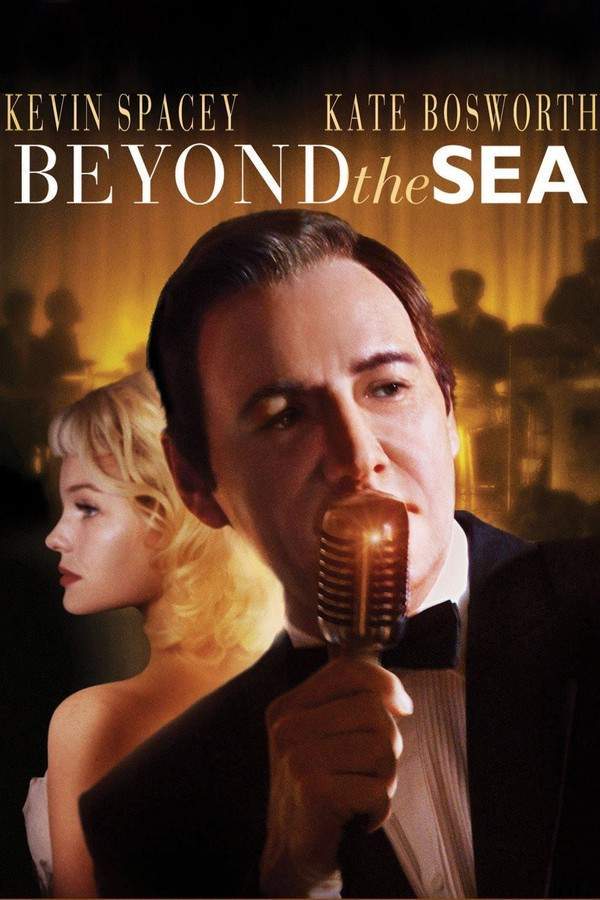
Beyond the Sea
2004

Aaliyah: The Princess of R&B
2014
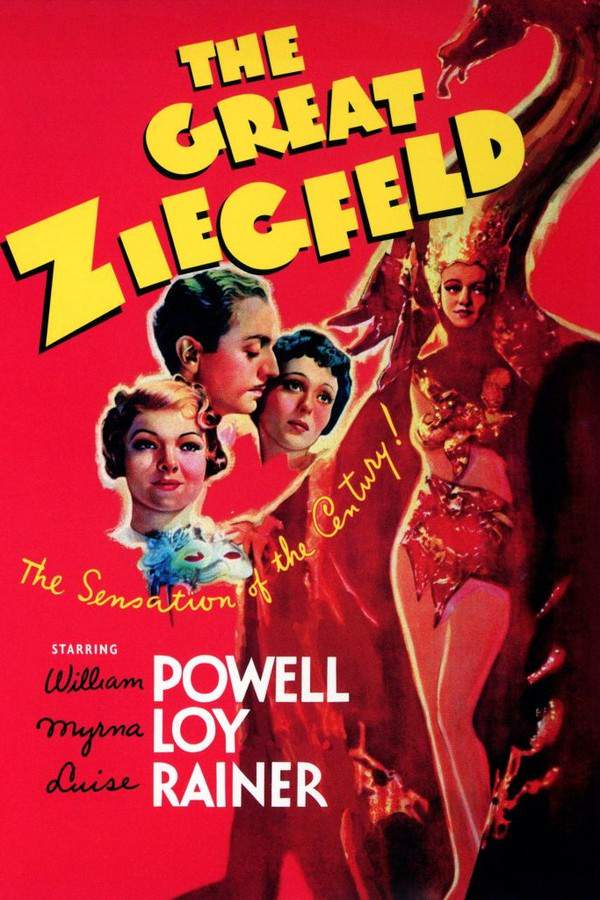
The Great Ziegfeld
1936
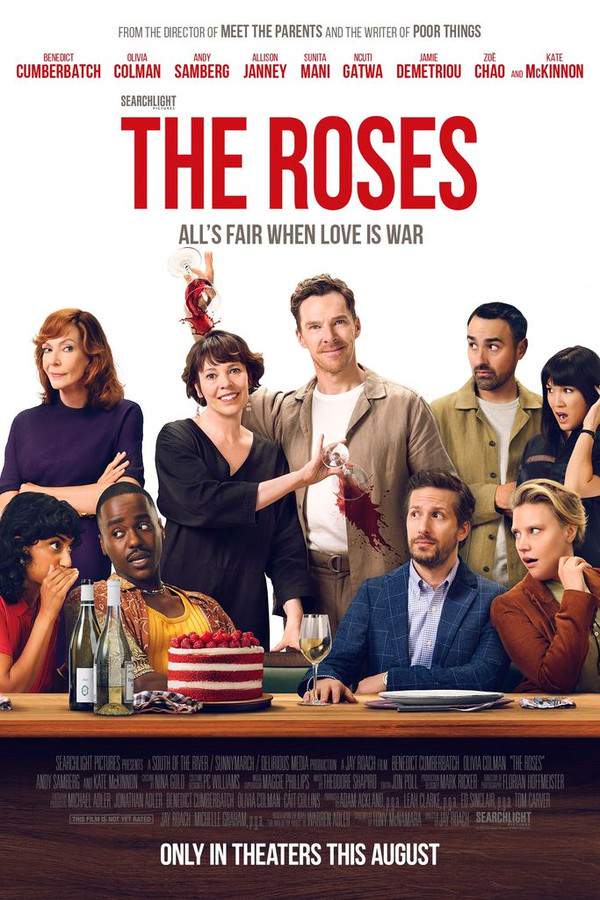
The Roses
2025

Swanee River
1939
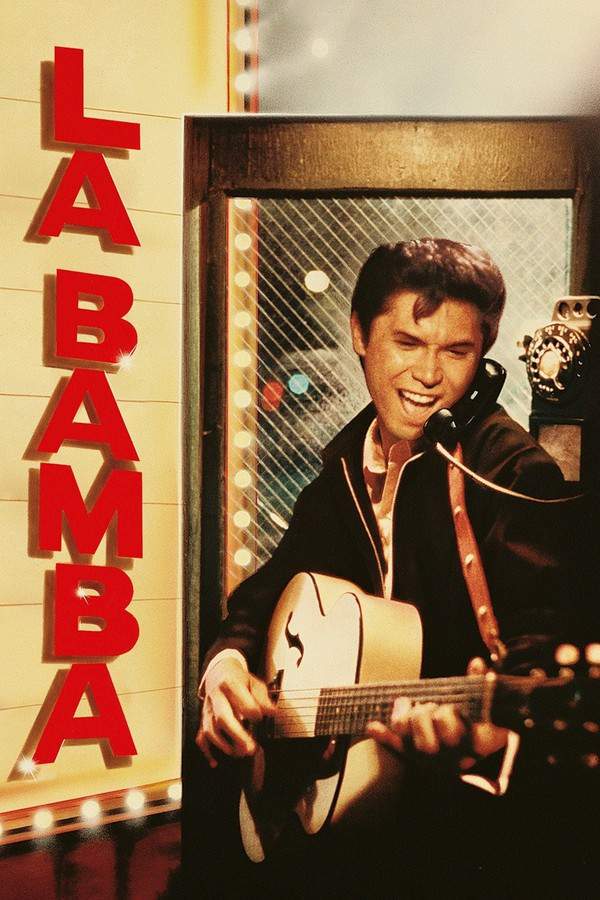
La Bamba
1987
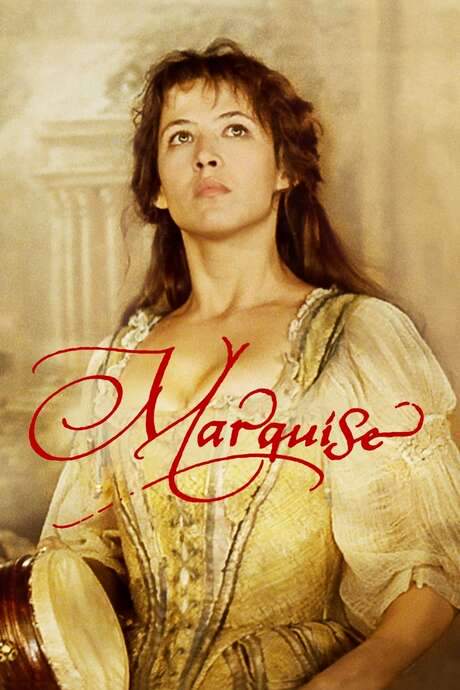
Marquise
1997
SuperDragon: The Bruce Lee Story
1974

Wine, Women and Horses
1937

Midnight Sun
2018

Boris: The Film
2011
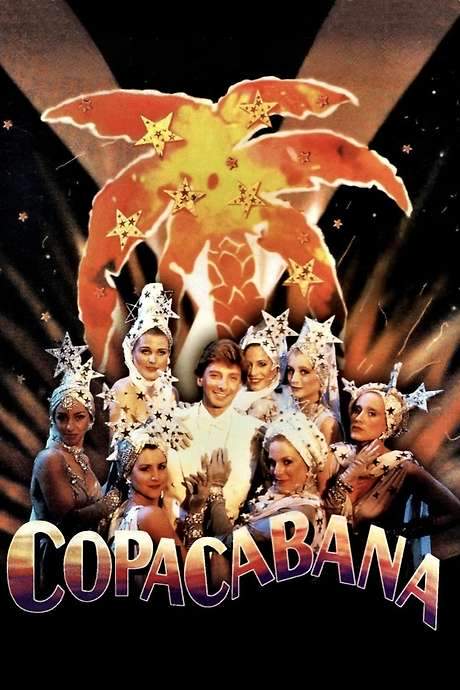
Copacabana
1985
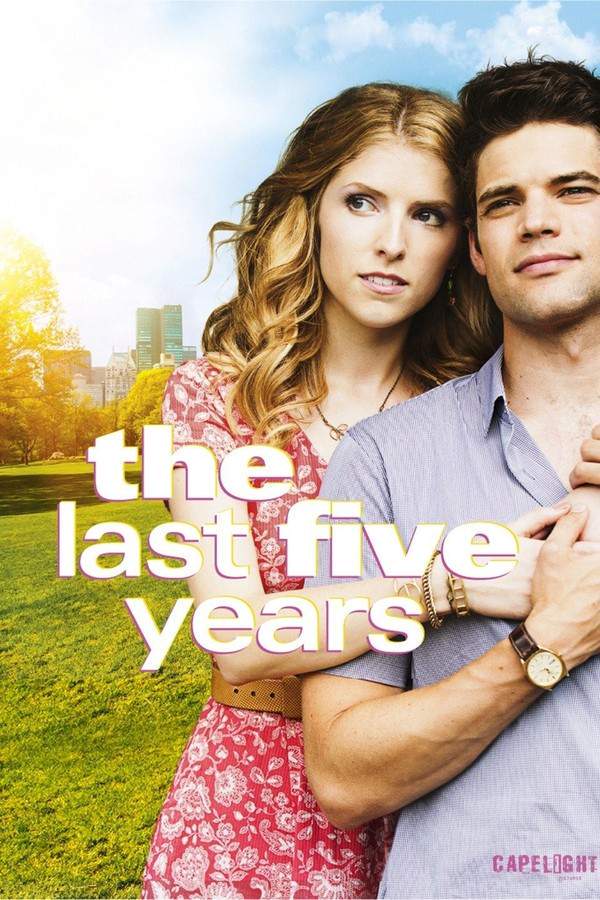
The Last Five Years
2015

Katti Batti
2015

Amelia Earhart
1976
Narrative Summary
These narratives follow a linear, steady-paced arc from humble beginnings to the peak of success, often in the public eye. The third act introduces significant conflict, such as illness, addiction, or fractured relationships, culminating in a sad or tragic ending that underscores the cost of fame.
Why These Movies?
They are grouped by their shared focus on a biographical arc that is both inspiring and tragic. They share a medium emotional weight, a steady pacing that allows for character development, and a tone that balances triumph with melancholy, making the eventual fall deeply felt.
Bittersweet Martial Arts Dramas like SuperDragon: The Bruce Lee Story
Action-packed stories where personal battles outweigh physical ones.Discover movies similar to SuperDragon: The Bruce Lee Story that blend martial arts action with a dramatic and bittersweet personal story. If you liked the mix of fight scenes with romantic and tragic elements, you'll find more here.

Tai-Chi Master
1993

The Prodigal Son
1981
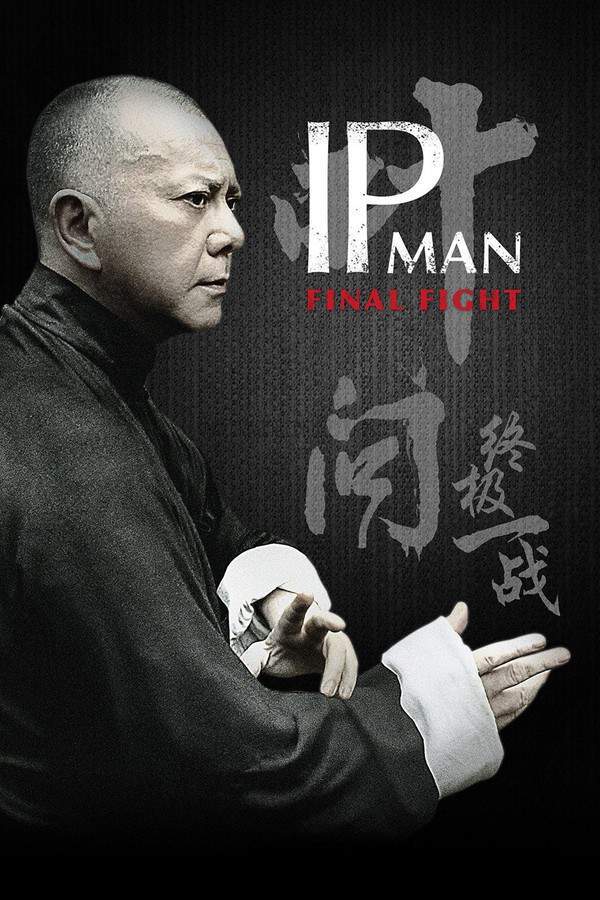
Ip Man: The Final Fight
2013

A Mongolian Tale
1995

The Way to Fight
1996

Bruce Lee, My Brother
2010
SuperDragon: The Bruce Lee Story
1974
Sentimental Value
2025

Moondru Per Moondru Kaadhal
2013
Resurrecting the Champ
2007

Pure Hearts: Into Chinese Showbiz
2015

Long Life, Happiness and Prosperity
2002

Winner Take All
1932

Sad Movie
2005

Buddha Mountain
2010
Narrative Summary
The plot unfolds with a steady mix of training sequences, combat, and significant personal relationships. The central conflict is as much internal and emotional as it is physical, leading to an ending that may be victorious professionally but is tempered by personal loss or sorrow.
Why These Movies?
This thread groups films that share a specific tonal blend: the energy and spectacle of martial arts combined with the emotional depth and relational drama of a character study. They avoid pure nihilism or unrelenting darkness, instead finding a resonant, bittersweet middle ground.
Unlock the Full Story of SuperDragon: The Bruce Lee Story
Don't stop at just watching - explore SuperDragon: The Bruce Lee Story in full detail. From the complete plot summary and scene-by-scene timeline to character breakdowns, thematic analysis, and a deep dive into the ending - every page helps you truly understand what SuperDragon: The Bruce Lee Story is all about. Plus, discover what's next after the movie.
SuperDragon: The Bruce Lee Story Summary
Read a complete plot summary of SuperDragon: The Bruce Lee Story, including all key story points, character arcs, and turning points. This in-depth recap is ideal for understanding the narrative structure or reviewing what happened in the movie.

SuperDragon: The Bruce Lee Story Timeline
Track the full timeline of SuperDragon: The Bruce Lee Story with every major event arranged chronologically. Perfect for decoding non-linear storytelling, flashbacks, or parallel narratives with a clear scene-by-scene breakdown.


