














Plot Explained Spoilers guaranteed!
Plot Explained

Browse by genre

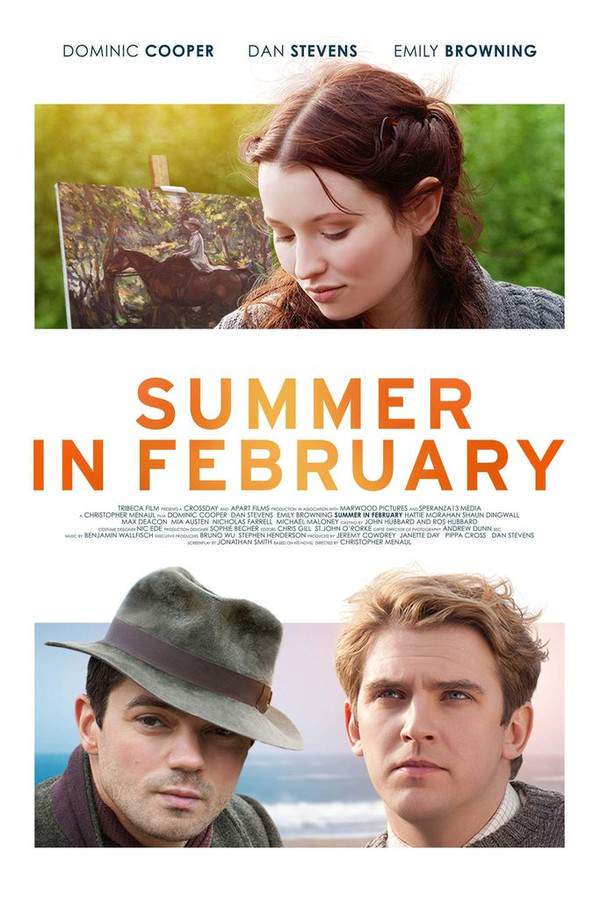
Summer in February (2014) movie poster

Characters & Themes

Summer in February (2014) Characters, Setting & Themes Explained

Release, runtime and language
2014 · 100 min · English
Directed by
Christopher Menaul
Starring
Dominic Cooper, Emily Browning, Dan Stevens

Set in the artistic circles of pre-World War I England, this story explores a complex romantic entanglement. Renowned painter Sir Alfred Munnings becomes involved with the captivating Florence Carter-Wood, while also navigating a deep friendship with Gilbert. Their interwoven relationships create a passionate and dramatic triangle, set against the backdrop of England’s picturesque coastline. The story ultimately leads to painful choices and lasting consequences for all involved.

On this page (9)
  1. 1 Where to watch
  2. 2 Characters explained (3)
  3. 3 Where & when it takes place
  4. 4 Themes & meaning (3)
  5. 5 Character & meaning questions
  6. 6 Movie threads
  7. 7 Movies like Summer in February
  8. 8 Categories
  9. 9 Every angle

Where to watch

Where to Watch Summer in February (2014)

Where can you watch Summer in February? Stream, rent or buy it in the US, including on Fawesome, Hoopla and Kanopy: current JustWatch availability with up-to-date prices.

Streaming availability powered by JustWatch

3 main characters · contains spoilers

Summer in February Characters Explained: Who Is Who

The main characters of Summer in February (2014), heroes and villains: what drives them, how they change over the course of the story and what each of them reveals about the film's bigger ideas.

  • Alfred Munnings (Dominic Cooper)

    Alfred Munnings is a charismatic and influential artist at the center of the Lamorna Group. His dynamic personality and artistic talent inspire those around him, particularly Florence, who finds herself drawn to his mentorship. However, his complexity is highlighted by his tumultuous relationship with the expectations of love and artistry.

    • 🎨 Artist
    • ❤️ Charismatic
    • 💔 Complex
  • Florence Carter-Wood (Emily Browning)

    Florence is a passionate and aspiring painter, seeking to find her place within the artistic community while navigating her feelings for Gilbert and AJ. Her journey is marked by vulnerability and strength, revealing her desire for independence and love amidst societal pressures. Florence's tragic arc showcases the profound impacts of emotional turmoil.

    • 🖌️ Creative
    • ❤️ Vulnerable
    • 😔 Tragic
  • Harold Knight (Dan Stevens)

    Harold Knight is a supportive figure within the Lamorna Group, embodying the spirit of camaraderie among the artists. He navigates his relationship with Laura while offering insights into the artistic world. His character epitomizes the bonds formed through shared passions and the challenges faced within their close-knit community.

    • 🎨 Supportive
    • 🤝 Loyal
    • 💡 Insightful

Last updated: October 22, 2024 at 22:48

Was this helpful?

Setting

Where and When Does Summer in February Take Place?

The setting of Summer in February (2014): the year and time period, the places and locations, and how they shape the characters, the mood and the tension of the story.

Time period

1913

Set in the year 1913, a period marked by a flourishing art scene and significant social changes. This era was characterized by a tension between traditional values and modernity, particularly as the world approached the upheaval of World War I. Artistic movements were gaining momentum, reflecting the struggles and aspirations of individuals seeking self-expression.

Location

Cornish countryside, Lamorna, Royal Academy

The film is set in the scenic Cornish countryside, a picturesque region known for its natural beauty and vibrant artistic community. Lamorna, a village in Cornwall, served as the hub for the bohemian artists of the Lamorna Group, drawing inspiration from its stunning landscapes. The Royal Academy, where key exhibitions took place, represents the pinnacle of artistic recognition in England.

  • 🏞️ Nature
  • 🎨 Art
  • 🏛️ Exhibition

Last updated: October 22, 2024 at 22:48

Was this helpful?

3 major themes

Summer in February Meaning: Themes & Message Explained

What is Summer in February (2014) really about? The emotional, social and philosophical themes the film keeps returning to, its symbolism and the message beneath the surface.

  • Love

    The theme of love permeates the film, exploring its complexities through the relationships between Gilbert, Florence, and AJ. Love is depicted as a powerful force that can elevate and devastate, as seen in Florence's tumultuous attachment to both men. Ultimately, the narrative sheds light on the enduring connections formed even in the face of heartache and loss.

  • Art

    Art serves as a crucial motif, representing both escape and expression for the characters. The bohemian lifestyle of the artists highlights the influence of creativity on their relationships and emotional states. As they navigate their experiences, the film demonstrates how art can capture the essence of love, loss, and the bittersweet nature of life.

  • Tragedy

    Tragedy looms large in the film, stemming from the choices and circumstances surrounding the characters. Florence's despair and eventual demise serve as a poignant reminder of the fragility of happiness, particularly in the face of societal expectations and personal struggles. The tragedy of unfulfilled love and loss resonates deeply, impacting all who are entangled in the story.

Last updated: October 22, 2024 at 22:48

Was this helpful?

Character & theme questions

Summer in February Characters & Meaning: Your Questions Answered

The questions people ask about Summer in February (2014): who the characters really are, their relationships, what the symbols mean, where it takes place and what the movie is really about. Each answer contains spoilers.

Q1

Where is the movie set?

The film takes place in the Cornish countryside, primarily in the village of Lamorna, a scenic coastal area in southwest England known for its natural beauty. Lamorna served as the hub for the Lamorna Group, a real historical circle of bohemian artists who drew inspiration from the region's dramatic landscapes. The story also references the Royal Academy in London, representing the pinnacle of artistic recognition that the characters aspire to achieve.

  • cornwall
  • lamorna
  • setting
  • art colony
  • english countryside
Q2

What time period does the film take place in?

The film is set in 1913, just before the outbreak of World War I. This period was marked by a flourishing art scene and significant social changes in England. The era was characterized by tension between traditional values and modernity, as artistic movements gained momentum and individuals sought self-expression. The looming shadow of the war adds tragic weight to the story's romantic entanglements.

  • 1913
  • edwardian era
  • pre-wwi
  • historical setting
  • british art scene
Q3

What is the Lamorna Group?

The Lamorna Group was an artistic community based in the village of Lamorna, Cornwall, during the early 20th century. Real artists including Alfred Munnings, Harold Knight, and Laura Knight were part of this bohemian circle. The film depicts these painters drawn to Lamorna for its stunning landscapes and light, creating works that captured the essence of coastal English life. The group represented a community of artists living and working together, sharing techniques and inspiration.

  • lamorna group
  • cornish artists
  • bohemian community
  • art movement
  • artist colony
Q4

Who is Florence Carter-Wood?

Florence Carter-Wood is a passionate and aspiring painter who arrives in Lamorna seeking to find her place within the artistic community. She is a talented artist navigating her feelings for both Gilbert and Alfred Munnings while dealing with societal pressures. Florence represents the struggle for artistic independence and personal fulfillment in an era when women faced significant limitations. Her journey showcases both vulnerability and inner strength as she pursues her creative ambitions.

  • florence carter-wood
  • female artist
  • protagonist
  • aspiring painter
  • woman's role
Q5

Who is Alfred Munnings?

Alfred Munnings is a charismatic and influential artist at the center of the Lamorna Group, based on the real British painter. He is a dynamic figure whose artistic talent and personality inspire those around him, particularly Florence, who is drawn to his mentorship. Munnings represents the complex relationship between artistic genius and personal relationships, showing how creative passion can both inspire and complicate human connection.

  • alfred munnings
  • lead artist
  • painter
  • lamorna
  • charismatic
Q6

What role does love play in the film?

Love is the central theme, depicted as a powerful force that can both elevate and devastate those it touches. The story explores a romantic triangle between Florence, Gilbert, and Alfred Munnings, showing how love creates profound connections while also leading to heartbreak. The narrative demonstrates how love persists even in the face of loss, with characters forming enduring bonds that transcend the pain of romantic disappointment.

  • love
  • romance
  • romantic triangle
  • relationships
  • passion
Q7

How is art used as a theme in the movie?

Art serves as both an escape and a form of expression for the characters throughout the film. The bohemian lifestyle of the Lamorna artists highlights how creativity influences their relationships and emotional states. The movie demonstrates how art captures the essence of love, loss, and the bittersweet nature of life. For the characters, painting becomes a way to process emotions and preserve memories, particularly as the story deals with themes of loss and legacy.

  • art
  • creativity
  • painting
  • expression
  • artistic legacy
Q8

What makes this a tragic story?

Tragedy looms large in the film, stemming from the choices and circumstances that surround the central characters. Florence's emotional turmoil and ultimate fate serve as a poignant reminder of happiness's fragility, particularly when facing societal expectations and personal struggles. The tragedy of unfulfilled love and loss resonates deeply throughout the narrative, impacting everyone entangled in the story's romantic conflicts.

  • tragedy
  • loss
  • death
  • despair
  • emotional turmoil
Q9

Why is the Cornish coastline significant to the story?

The Cornish coastline provides the stunning backdrop that inspired the Lamorna artists and shaped their work. The region's natural beauty, its dramatic cliffs, coves, and golden light, becomes almost a character itself, influencing the emotional tone of the film. The isolated, picturesque setting creates an intimate atmosphere where the artists' passions and jealousies can unfold away from the constraints of mainstream society.

  • cornwall
  • coastline
  • landscape
  • nature
  • visual beauty
Q10

Who is Harold Knight in the film?

Harold Knight is a supportive member of the Lamorna Group who embodies the spirit of camaraderie among the artists. He navigates his relationship with Laura while offering insights into the artistic world. Harold represents the bonds formed through shared creative passions, showing how the close-knit community supported each other's artistic endeavors while facing the challenges of their chosen lifestyle.

  • harold knight
  • supporting character
  • artist community
  • lamorna group
Q11

How does the era affect the characters' lives?

The pre-World War I setting creates a context of transition and impending change for the characters. Traditional social expectations clash with the more liberal, bohemian values of the artistic community. The looming war hangs over the narrative, adding urgency and tragedy to the characters' personal struggles. This historical moment represents an ending era, artistic, social, and personal, that would be fundamentally altered by the events to come.

  • edwardian society
  • social expectations
  • world war i
  • historical context
  • societal change

Movie threads

More Movies Like Summer in February, by Mood & Story

Curated lists built around what makes Summer in February tick: the same mood, the same kind of story or the same emotional payoff. Each list explains why these movies belong together.

Movies about artistic romance and scandal like Summer in February

Passionate and tragic love stories set within close-knit artistic communities. If you were captivated by the tragic love triangle among painters in Summer in February, these movies explore similar stories of passion, betrayal, and creative ambition within artistic circles. Discover other historical dramas and romances where art and love become dangerously intertwined.

  • romantic
  • tragic
  • passionate
  • artistic
  • scandalous
  • dramatic
  • Tone: melancholic, passionate, dramatic
  • Pacing: steady, character-driven
Why these movies?

The story pattern: These stories typically focus on a central romantic conflict—often a love triangle or forbidden affair—that unfolds within a confined artistic community. The drama is driven by the clash between personal desire and social reputation, with creative expression serving as both an outlet and a source of tension, usually culminating in a poignant or devastating outcome.

Why they belong together: Movies in this thread share a focus on the unique dynamics of artists' lives, where emotions run high and personal relationships are deeply connected to the creative process. They blend historical or biographical elements with intense romantic drama, creating a specific vibe of tragic beauty and passionate self-destruction.
Bittersweet historical tragedies like Summer in February

Character-driven dramas where poignant personal losses leave a lasting legacy. For viewers who appreciated the heavy emotional weight and bittersweet conclusion of Summer in February. This collection features historical dramas where profound personal loss is balanced by a lingering sense of legacy or memory, creating a deeply moving and reflective experience.

  • tragic
  • melancholic
  • bittersweet
  • somber
  • reflective
  • heavy
  • Tone: melancholic, tragic, reflective
  • Pacing: steady, deliberate
Why these movies?

The story pattern: The narrative follows characters navigating a pre-destined or gradually unfolding tragedy. The journey is steeped in melancholy, focusing on the emotional consequences of their choices. The ending acknowledges the profound sadness of the loss but often finds a note of meaning or preservation, such as a work of art or a changed perspective, that softens the blow into a bittersweet conclusion.

Why they belong together: These films are grouped by their shared emotional payload and narrative structure. They prioritize a heavy, melancholic tone, a steady pace that allows for reflection, and a very specific type of ending that balances heartfelt sadness with a touch of solace, making the overall experience cathartic rather than purely devastating.

If you liked this

Movies Like Summer in February

Similar movies to Summer in February: the same genre, themes or kind of story. Each one comes with its own plot summary, timeline and ending explained.

Browse all movie summaries

Categories

Movie Lists Featuring Summer in February

Summer in February appears in these hand-built movie categories. Each one groups movies by a specific mood, theme or story type, with their plot summaries and endings explained.

View all movie categories

Every angle

Summer in February (2014) Explained: Plot, Timeline & Characters

Everything about Summer in February in one place: what happens in the plot summary, the timeline in chronological order, the characters and meaning and a spoiler-free summary. What's After the Movie adds the cast, box office and post-credit scenes.

Coming soon on iOS and Android

The Plot Explained Movie Summary App

Plot summaries, endings explained and timelines on your phone. Catch up on any movie in minutes, save your favorites and never miss a twist again.

Be the first to know when we launch. Your email stays private, always.

Learn more about the app