Plot Explained Spoilers guaranteed!
Plot Explained

Browse by genre

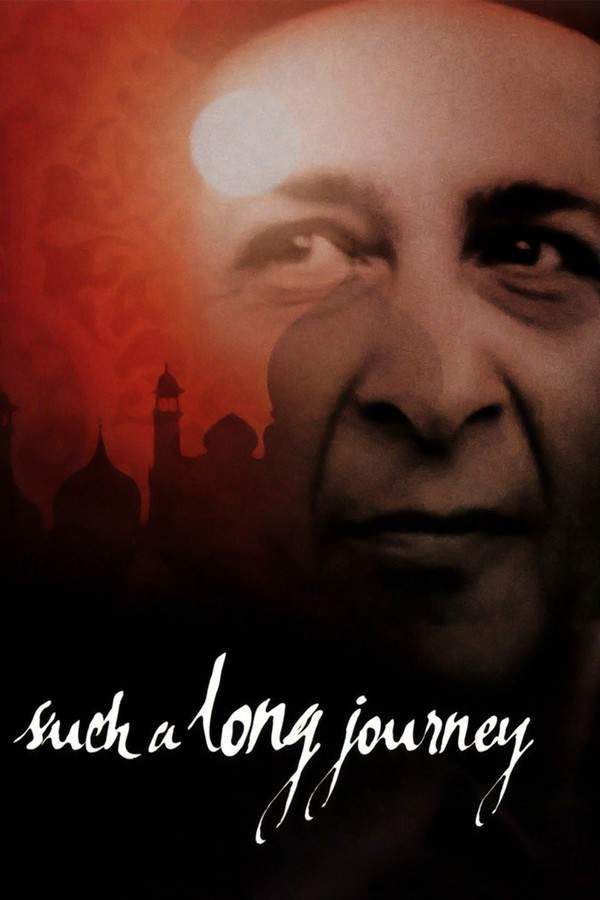
Such a Long Journey (1998) movie poster

Timeline

Such a Long Journey (1998) Timeline Explained – Every Event in Order

Release, runtime and language
1998 · 113 mins · English
Directed by
Sturla Gunnarsson
Starring
Irrfan Khan, Roshan Seth, Naseeruddin Shah, Om Puri, Soni Razdan, Souad Faress

Set in 1971 amid the India‑Pakistan war, Gustad, a man in a crowded apartment block, opposes the city’s plan to widen the street and fill his courtyard with diesel fumes. He hires an artist to paint the wall with symbols from religions, hoping residents will unite to protect it. It shows a family torn apart and a nation on the brink of conflict.

On this page (5)
  1. 1 Where to watch
  2. 2 Events in order (12)
  3. 3 Timeline questions answered
  4. 4 Movie threads
  5. 5 Every angle

Where to watch

Where to Watch Such a Long Journey (1998)

Where can you watch Such a Long Journey? Stream, rent or buy it in the US, including on Hoopla, Fandango at Home Free and Tubi TV: current JustWatch availability with up-to-date prices.

Streaming availability powered by JustWatch

12 events in order · contains spoilers

Such a Long Journey Timeline: Events in Chronological Order

Every key event of Such a Long Journey (1998) in order, scene by scene, with when and where it takes place. Use it to untangle flashbacks, time jumps and parallel storylines, to refresh your memory before the sequel or to find the exact scene you are thinking of.

  1. Gustad Noble's life in Bombay

    Gustad Noble lives with his family in Bombay as a bank clerk on the eve of the Indo-Pakistani War of 1971. He is described as self-centered and neurotic, absorbed in past slights and his own pain. The ordinary rhythms of city life frame his private restlessness.

    When
    Just before the 1971 war
    Where
    Bombay (Mumbai)
  2. Haunted by a vanished fortune

    He is haunted by memories of privileged youth and his father's fortune, lost to the machinations of an unscrupulous uncle. These memories color his relationships with friends and family, keeping him emotionally distant. The past continually intrudes on his present life.

    When
    Past events shaping the present
    Where
    Home and his memories
  3. Sohrab's defiant choice

    Gustad is baffled by changes in his eldest son, Sohrab, who refuses to attend the IIT he gained admission to. He struggles to understand his son's independence and future. This disagreement adds strain at home.

    When
    Pre-war period
    Where
    Home, Bombay
  4. Roshan falls ill

    Roshan, Gustad's youngest daughter, falls ill, triggering worry and care within the family. Gustad's concern reveals a protective, tender side amid his earlier self-absorption. The illness tightens the emotional ties at home.

    When
    Pre-war period
    Where
    Home, Bombay
  5. Neighbors and Dinshawji

    Gustad interacts with eccentric neighbors and maintains a close friendship with co-worker Dinshawji. These relationships expose the social world around him and sometimes challenge his mood or assumptions. They contrast with his private turmoil.

    When
    Contemporary with pre-war
    Where
    Neighbourhood in Bombay
  6. Tehmul's influence

    Tehmul, a seemingly unimportant and mentally disabled man, enters Gustad's life. His presence brings out Gustad's tender side and represents innocence amid life’s complications. Tehmul becomes essential to Gustad’s emotional world.

    When
    Throughout the early part of the story
    Where
    Home and street life in Bombay
  7. An old letter arrives

    Gustad receives a letter from his old friend Major Bilimoria that sets the plot in motion. The letter hints at threats and secrets and points to money involved in a government deception. The unexpected message pulls Gustad into a shadowy world he does not fully understand.

    When
    Early in the tale
    Where
    Home, Bombay
  8. Into shadowy deception

    Following the letter, Gustad becomes entangled in a government deception involving threats, secrecy, and large sums of money. He weighs risks and loyalties, unsure whom to trust. The calm of his daily life begins to fracture under the weight of the scheme.

    When
    Soon after receiving the letter
    Where
    City and offices; various locations
  9. A long journey begins

    Gustad embarks on a long journey that sheds new light on his life and relationships. The pursuit forces him to reassess his past, his father's fortune, and the people around him. The journey is both physical and existential.

    When
    In the days following the letter
    Where
    Across Bombay and beyond
  10. Memory and truth emerge

    As the journey progresses, Gustad confronts memories of his father's fortune and the unscrupulous uncle who caused the loss. These revelations reshape his understanding of his own identity. The truth behind the deception gradually comes to light.

    When
    During the journey
    Where
    In his mind and around Bombay
  11. Family secrets spill

    Gustad discovers new light on his life that affects his relationships with Sohrab, Roshan, and Dinshawji. The layers of loyalty, love, and betrayal come into focus. The revelations challenge his self-image and family dynamics.

    When
    Towards the end of the journey
    Where
    Home and social circles in Bombay
  12. Resolution and reflection

    The film closes with Gustad reflecting on the lessons learned from the deception and his life’s fragility. The audience gains a deeper understanding of his tenderness and resilience. The 1971 context frames the personal revelations as a larger part of history.

    When
    After the events, around 1971
    Where
    Home, Bombay

Last updated: February 17, 2026 at 19:57

Was this helpful?

Timeline questions answered

Such a Long Journey Timeline Explained: Your Questions Answered

When does it happen, and why in that order? The questions people ask about the chronology of Such a Long Journey (1998): time jumps, flashbacks, cause and effect between scenes and the correct order of events, each answered with spoilers.

Q1

Why is Gustad Noble so obsessed with his father's lost fortune?

Gustad is haunted by memories of his privileged youth before his father's wealth was stolen by a dishonest uncle. This loss shapes his entire worldview, making him bitter and emotionally distant from his family. The trauma of losing his family's status creates his neurotic preoccupation with past slights and his current modest circumstances.

  • father fortune
  • lost wealth
  • uncle betrayal
  • Gustad backstory
Q2

Why does Sohrab refuse to attend the Indian Institute of Technology?

Sohrab chooses not to attend IIT despite gaining admission, which shocks and baffles his father Gustad. This act represents the son's desire for independence and his refusal to follow the path Gustad envisions for him. The decision creates significant tension between father and son, highlighting generational differences and the clash between traditional expectations and personal choice.

  • Sohrab
  • IIT
  • son rebellion
  • family conflict
Q3

What does Major Bilimoria's letter reveal and why does it involve Gustad?

The letter from Major Bilimoria draws Gustad into a dangerous government deception involving threats, secrecy, and large sums of money. Gustad finds himself weighing risks and loyalties, uncertain of whom to trust. This mysterious communication pulls the ordinary bank clerk into a shadowy world far removed from his daily life.

Foreshadowing: The letter's arrival early in the story sets in motion the central plot that transforms Gustad's life.

  • Major Bilimoria
  • letter
  • government deception
  • conspiracy
Q4

Why is Tehmul important to Gustad Noble despite being mentally disabled?

Tehmul, despite appearing unimportant, becomes essential to Gustad's emotional life by bringing out his tender, compassionate side. Through his interactions with Tehmul, Gustad discovers capacity for kindness that his self-absorbed nature otherwise suppresses. Tehmul represents innocence in a complicated world and serves as a mirror to Gustad's humanity.

  • Tehmul
  • mentally disabled
  • compassion
  • innocence
Q5

What happens when Gustad's daughter Roshan falls ill?

Roshan's illness triggers significant worry and care within the family, forcing Gustad to confront his protective instincts. The health crisis tightens emotional bonds at home and reveals a tender side to Gustad that contrasts with his usual self-absorption. This vulnerable moment reminds him of what truly matters amid his preoccupations.

  • Roshan
  • daughter illness
  • family crisis
Q6

Why does Gustad oppose the city's plan to widen the street near his home?

Gustad fights against the city's plan to widen the street that would fill his courtyard with diesel fumes from increased traffic. He hires an artist to paint religious symbols on the wall, hoping residents will unite to protect their shared space. This campaign reflects his desperate attempt to preserve what little dignity and comfort remains in his constrained life.

  • street widening
  • courtyard
  • diesel fumes
  • community protest
Q7

What does Gustad's 'long journey' actually involve?

Gustad's long journey is both physical and existential, spanning across Bombay as he pursues the truth behind Major Bilimoria's scheme. The journey forces him to confront memories of his father's fortune and the uncle who caused its loss. As he digs deeper, he reassesses his past, his relationships, and his own identity.

  • journey
  • self-discovery
  • truth
  • Major Bilimoria
Q8

What is the significance of Gustad's friendship with Dinshawji?

Dinshawji, Gustad's close friend and co-worker, represents a stable relationship in Gustad's otherwise turbulent life. Their friendship provides context for Gustad's social world and occasionally challenges his assumptions. Dinshawji remains a grounding presence as Gustad's world becomes increasingly complicated by the deception.

  • Dinshawji
  • friendship
  • co-worker
  • social relationships
Q9

How does the 1971 Indo-Pakistani War affect the movie's narrative?

The film is set just before the 1971 Indo-Pakistani War, creating a backdrop of national tension that mirrors Gustad's personal crisis. The war context frames the personal revelations as part of larger historical forces affecting ordinary citizens. This political atmosphere adds urgency and melancholy to Gustad's individual struggles.

  • 1971 war
  • India-Pakistan
  • historical context
  • Bombay
Q10

How does Gustad Noble change by the end of the movie?

By the film's end, Gustad gains personal insight and emotional growth through his involvement in the deception and his journey of discovery. However, the resolution remains bittersweet, his growth does not erase his family's problems or the harsh political reality surrounding him. The experience reveals his capacity for tenderness and resilience despite ongoing challenges.

  • Gustad transformation
  • growth
  • resolution
  • bittersweet ending

Movie threads

More Movies Like Such a Long Journey, by Mood & Story

Curated lists built around what makes Such a Long Journey tick: the same mood, the same kind of story or the same emotional payoff. Each list explains why these movies belong together.

Domestic dramas against political unrest like Such a Long Journey

Personal anxieties magnified against a backdrop of societal conflict. If you enjoyed Such a Long Journey, you might like these movies that explore family life strained by external political forces. This thread features dramas where personal relationships are tested against a backdrop of war or societal conflict, focusing on internal anxieties over explosive action.

  • melancholic
  • tense
  • domestic
  • claustrophobic
  • introspective
  • political
  • Tone: melancholic, tense
  • Pacing: slow, deliberate
Why these movies?

The story pattern: Stories in this thread follow characters navigating intimate family conflicts while larger political events unfold around them. The external chaos often mirrors or exacerbates internal struggles, creating a dual narrative of personal and societal crisis that unfolds with deliberate pacing.

Why they belong together: Movies are grouped here because they share a focus on the intersection of the domestic and the political, using slow pacing and a melancholic tone to explore how individuals cope with pressures from both their home and their country.

Bittersweet coming of age stories like Such a Long Journey

Characters find hard-won wisdom amidst disappointment and loss. Find movies similar to Such a Long Journey that focus on characters grappling with disillusionment and personal growth. These films often feature a melancholic tone and a bittersweet ending, where the journey to maturity is marked by loss but also by newfound understanding.

  • bittersweet
  • nostalgic
  • introspective
  • hopeful
  • melancholic
  • coming of age
  • Tone: bittersweet, melancholic
  • Pacing: slow, character-driven
Why these movies?

The story pattern: The narrative pattern involves a protagonist facing a series of disappointments—in family, society, or their own aspirations. The journey is internal and reflective, culminating in an ending that is not entirely happy but carries the weight of experience and a subtle, realistic hope.

Why they belong together: These films are grouped by their shared emotional arc: a journey from innocence or hope through a period of struggle and disillusionment, arriving at a complex, bittersweet acceptance rather than a simple, happy conclusion.

Every angle

Such a Long Journey (1998) Explained: Plot, Timeline & Characters

Everything about Such a Long Journey in one place: what happens in the plot summary, the timeline in chronological order, the characters and meaning and a spoiler-free summary. What's After the Movie adds the cast, box office and post-credit scenes.

Coming soon on iOS and Android

The Plot Explained Movie Summary App

Plot summaries, endings explained and timelines on your phone. Catch up on any movie in minutes, save your favorites and never miss a twist again.

Be the first to know when we launch. Your email stays private, always.

Learn more about the app