Plot Explained Spoilers guaranteed!
Plot Explained

Browse by genre

Straw Dogs (1971) movie poster

Timeline

Straw Dogs (1971) Timeline Explained – Every Event in Order

Release, runtime and language
1971 · 113 min · English
Loading streaming availability…
Directed by
Sam Peckinpah
Starring
Dustin Hoffman, Del Henney, Donald Webster, Jim Norton, Ken Hutchison, Len Jones

A mild-mannered academic, David Sumner, moves with his wife Amy to a remote farm in Cornwall seeking a peaceful life. Their tranquility is shattered when they become the targets of menacing local men, including Amy’s former lover. After a violent attack on Amy, David is forced to confront his suppressed rage and primal instincts. He undergoes a disturbing transformation, unleashing a dark and vengeful side to protect his family and exact retribution against those who threaten them.

On this page (6)
  1. 1 Where to watch
  2. 2 Events in order (14)
  3. 3 Timeline questions answered
  4. 4 Movie threads
  5. 5 Movies like Straw Dogs
  6. 6 Every angle
Loading streaming availability…

14 events in order · contains spoilers

Straw Dogs Timeline: Events in Chronological Order

Every key event of Straw Dogs (1971) in order, scene by scene, with when and where it takes place. Use it to untangle flashbacks, time jumps and parallel storylines, to refresh your memory before the sequel or to find the exact scene you are thinking of.

  1. Schoolchildren in the Cemetery

    The film begins with a blurry scene that gradually clarifies, revealing a group of schoolchildren playing in a local cemetery. This setting in the secluded village of Wakely, along the English coast, establishes a sense of innocence juxtaposed against the darker themes to come.

    Where
    Cemetery, Wakely
  2. David and Amy's Arrival

    American mathematician David Sumner arrives in Wakely with his new wife, Amy. As they stroll down the road, Amy provocatively walks braless while carrying a device known as a 'mantrap', signaling the tension and unusual dynamics in their relationship.

    Where
    Wakely
  3. Encounter with Charlie Venner

    During their walk, David meets Charlie Venner, an intense local man with whom Amy has a past. This introduction hints at underlying tensions and reveals complexities in David and Amy's marriage, introducing themes of jealousy and past grievances.

    Where
    Wakely
  4. David's Sabbatical

    David shares that he is in Wakely on sabbatical, intending to write a treatise on celestial navigation. To maintain his focus and tranquility, he hires Charlie and a friend for repairs on their new home, further entrenching himself in the local community.

    Where
    New Residence, Wakely
  5. A Troubling Pub Visit

    David visits a local pub where he meets the gruff bartender, Harry Ware, and observes an altercation between Janice's father, Tom Hedden, and Harry. The conflict escalates into a brawl, making David feel out of place and uneasy in this hostile environment.

    Where
    Local Pub, Wakely
  6. Meeting with Local Workers

    As David and Amy settle into their home, they encounter local workers, including Norman Scutt and Chris Cawsey. This interaction highlights the growing social unrest tied to the Vietnam War and foreshadows the rising tensions they will face.

    Where
    New Residence, Wakely
  7. Conflict with Amy

    David's obsession with his research leads to neglecting Amy and her cat, creating friction in their marriage. In an act of rebellion, Amy decides to parade topless in front of the workers, showcasing her growing discontent with David's behavior.

    Where
    New Residence, Wakely
  8. Cat Disaster and Tensions

    Tensions escalate when Amy discovers her missing cat, which she later finds dead. This incident deepens the strain in their relationship and symbolizes the unraveling state of their domestic life amidst the local turmoil.

    Where
    Wakely
  9. Hostile Church Function

    After an unsettling evening at a church function, where Amy is haunted by her past trauma, the couple's situation worsens. David's attempts to protect Amy are overshadowed by growing hostility from the local men, culminating in a surreal battle for survival.

    Where
    Church, Wakely
  10. Assault on Their Home

    In a turning point, the intoxicated local workers converge on David and Amy's home, mistakenly seeking the accused predator, Henry Niles. David, now aware of the violent local sentiment, prepares to defend their residence, igniting a series of confrontational events.

    Where
    New Residence, Wakely
  11. David's Stand

    Determined not to succumb to the violence, David stands firm, declaring his ownership of the home and his unwillingness to allow any violence against it. This moment underscores his transformation from a peaceful scholar to a man compelled to fight for his life.

    Where
    New Residence, Wakely
  12. Bloody Climax

    The film reaches a fevered climax as bloody battles unfold, with David confronting the workers one by one. Amidst the chaos, he must recognize the savage nature of violence, grappling with the reality of his circumstances as he fights for survival.

    Where
    New Residence, Wakely
  13. Aftermath Reflection

    After the violence subsides, David is left to reflect on the extreme measures he took to protect his home and wife. His final words to Henry, expressing his confusion about his way home, evoke the profound change in his character and the lost innocence of his previous life.

    Where
    New Residence, Wakely
  14. Transformation of Character

    The film concludes with David's transformation epitomized by his struggle in the face of overwhelming odds. It highlights the stark exploration of human nature and the brutality that emerges when one is pushed to their limits.

    Where
    Wakely

Last updated: November 04, 2024 at 01:51

Was this helpful?

Timeline questions answered

Straw Dogs Timeline Explained: Your Questions Answered

When does it happen, and why in that order? The questions people ask about the chronology of Straw Dogs (1971): time jumps, flashbacks, cause and effect between scenes and the correct order of events, each answered with spoilers.

Q1

Why does David stay in Wakely when the locals become increasingly hostile?

David refuses to leave because he sees his home as the one place where he can maintain control and dignity. After experiencing harassment at the pub and witnessing the growing antagonism from the workers, he makes a conscious decision to stand his ground, famously declaring "This is where I live. This is me. I will not allow violence against this house." His transformation from a passive academic to someone willing to fight reflects his need to prove he isn't the weak outsider the locals perceive him to be.

Foreshadowing: Earlier scenes show David's obsession with his research and his refusal to engage with the local community, setting up his isolated position.

  • david sumner
  • wakely
  • stand ground
  • home invasion
  • transformation
Q2

What triggers the violent attack on David's home?

The attack is triggered by the locals' mistaken belief that David is hiding Henry Niles, a man they accuse of assaulting a young girl. Fueled by alcohol and rage, a group of workers including Charlie Venner and Norman Scutt descend on the house demanding Henry be handed over. The tension had been building throughout the film through harassment, the dead cat incident, and Amy's earlier assault, but the search for Henry provides the immediate catalyst for the violent confrontation.

Foreshadowing: Earlier scenes show the hostile pub environment and Tom Hedden's confrontations with Harry, establishing the volatile local sentiment.

  • henry niles
  • attack
  • locals
  • alcohol
  • charlie venner
  • assault accusation
Q3

Why does David transform from a passive academic to a violent defender?

David's transformation stems from accumulated humiliation and suppressed rage. Throughout the film, he endures mockery at the pub, watches his wife be assaulted, sees his cat killed, and is repeatedly disrespected by the locals who see him as an arrogant outsider. When the attack comes, his retreat into violence represents the eruption of primal instincts he has spent his intellectual life denying. The transformation is both a survival response and an assertion of masculinity and power he previously lacked.

Foreshadowing: The mantrap David carries early on symbolically represents the capacity for violence he keeps locked away.

  • david sumner
  • transformation
  • violence
  • rage
  • primal instincts
  • masculinity
Q4

What was the relationship between Amy and Charlie Venner?

Charlie Venner is Amy's former lover, which creates immediate tension upon the couple's arrival in Wakely. When David hires Charlie for repairs, this forces Amy into proximity with her past, causing discomfort and jealousy. Charlie's intense demeanor and clear resentment toward David suggest the relationship ended badly, and Charlie's involvement in the later attack on the house carries additional weight given this history.

Foreshadowing: During their first walk, David encounters Charlie, and Amy walks ahead carrying the mantrap, suggesting underlying tensions in their marriage.

  • amy sumner
  • charlie venner
  • past relationship
  • former lover
  • jealousy
Q5

Why does Amy walk topless in front of the workers?

Amy parades topless as an act of rebellion against David's neglect. His obsessive focus on his celestial navigation research has left her feeling isolated and unimportant. By exposing herself to the workers, she seeks attention and attempts to provoke a reaction from David, who has been emotionally distant. This moment represents her growing desperation and the breakdown of their communication.

Foreshadowing: Earlier scenes show David prioritizing his work over Amy, even treating her cat poorly, establishing his emotional absence.

  • amy sumner
  • topless
  • rebellion
  • neglect
  • marriage conflict
Q6

What happens to Henry Niles and why are the locals searching for him?

Henry Niles is a man accused of assaulting a young girl in the village. The locals believe he is hiding in or near David's home, which motivates their attack. The film leaves his ultimate fate somewhat ambiguous, though David interacts with him during the chaos. Henry represents the village's capacity for vigilante justice and provides the false justification for the assault on David's residence.

Foreshadowing: The pub scenes and strained relationships between villagers hint at underlying tensions and the community's willingness to take justice into their own hands.

  • henry niles
  • accused
  • assault
  • vigilante
  • village justice
Q7

What does David mean when he says "I don't know my way home" at the end?

When David tells Henry "I don't know my way home," he is expressing profound psychological displacement. After the brutal violence he has endured and inflicted, he no longer recognizes himself or knows how to return to his former identity as a peaceful academic. The statement reflects his transformation, he's become someone capable of savage acts and has lost the moral compass that defined his previous life. The ambiguity of whether he means literally or metaphorically reinforces the film's dark themes about the irreversibility of violence.

Foreshadowing: This line mirrors his earlier declaration about staying in the house, but now represents the cost of that choice.

  • i dont know my way home
  • ending
  • identity
  • transformation
  • ambiguity
Q8

What is the significance of the mantrap in the film?

The mantrap, which Amy carries during their first walk through Wakely, is a mechanical device designed to catch animals. It symbolically represents the capacity for violence and control that exists beneath the surface of the peaceful village. Later, David uses the mantrap and other tools to defend his home, literally weaponizing the peaceful life he sought to create. The device serves as both a warning of things to come and a symbol of primal survival instincts.

Foreshadowing: The mantrap appears prominently in the opening scene, establishing its symbolic importance before any violence occurs.

  • mantrap
  • symbol
  • violence
  • defense
  • survival
Q9

How does Amy's assault affect the story's progression?

Amy's assault by Charlie Venner is the turning point that accelerates David's transformation. Previously passive and unwilling to engage with the locals, David becomes determined to protect his home after this violation. The assault also deeply affects Amy, leaving her traumatized and haunted during the church function scene. It destroys any remaining illusions about their peaceful life in Wakely and forces both characters into their darker extremities.

Foreshadowing: Earlier scenes of local hostility and Amy's topless display build toward this violent climax.

  • amy assault
  • charlie venner
  • turning point
  • trauma
  • protection
Q10

Why does David's research obsession damage his marriage?

David's obsession with writing his treatise on celestial navigation causes him to emotionally withdraw from Amy, treating her and her cat with disregard. He isolates himself in his work, creating a void in their relationship that leaves Amy feeling invisible and neglected. This emotional absence drives her to increasingly desperate acts of attention-seeking, including her topless display and eventual affair. The research represents David's attempt to escape the complexities of human relationships, but his retreat ultimately proves destructive.

Foreshadowing: Early scenes establish David's single-minded focus on his work and his discomfort with social interactions.

  • research
  • marriage
  • neglect
  • celestial navigation
  • isolation

Movie threads

More Movies Like Straw Dogs, by Mood & Story

Curated lists built around what makes Straw Dogs tick: the same mood, the same kind of story or the same emotional payoff. Each list explains why these movies belong together.

Movies about primal awakenings like Straw Dogs

Stories of civilized characters forced to unleash their inner savage to survive. If you liked watching the pacifist protagonist of Straw Dogs descend into violence, you'll appreciate these films. This list features movies with similar character arcs where civilized individuals are forced to confront their own brutal instincts for survival.

  • brutal
  • unsettling
  • cathartic
  • psychological
  • tense
  • grim
  • Tone: dark, unsettling, intense
  • Pacing: slow burn, deliberate
Why these movies?

The story pattern: The narrative typically follows a character living a peaceful, ordered life who is violently intruded upon. As the threat escalates, their pacifist or intellectual identity is systematically dismantled, leading to a cathartic but horrifying explosion of primal rage that forever changes them.

Why they belong together: These movies are grouped together because they share a powerful, unsettling character arc focused on the suppression and eventual eruption of primal human instinct. They explore similar themes of survival, masculinity under pressure, and the psychological cost of violence.
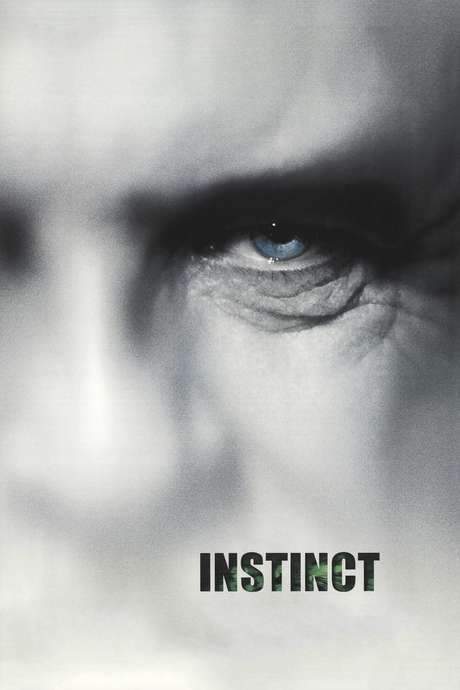
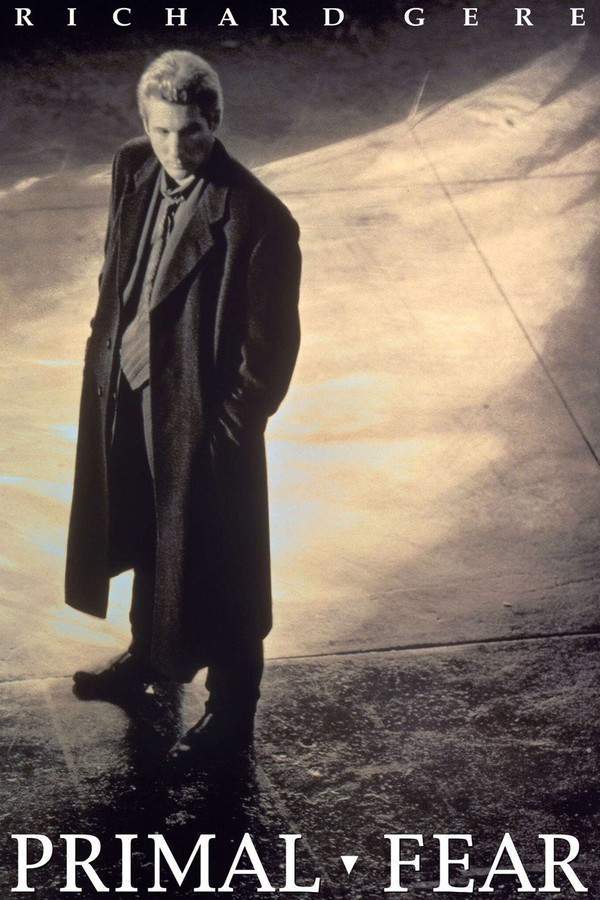
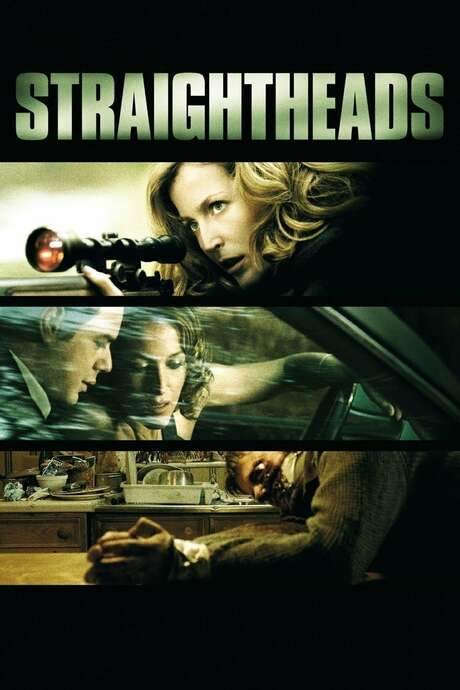
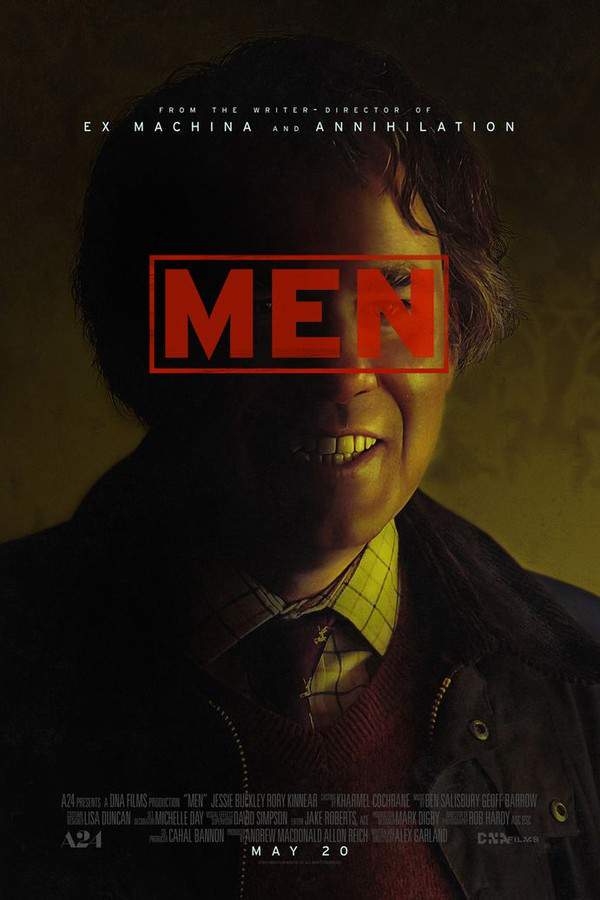
Thrillers with rural menace like Straw Dogs

Tales of outsiders menaced by hostile locals in isolated settings. For viewers who enjoyed the claustrophobic tension of Straw Dogs, this list highlights similar movies about outsiders facing menace in rural isolation. These films share a slow-building dread and themes of community hostility.

  • oppressive
  • claustrophobic
  • anxious
  • suspenseful
  • unsettling
  • grim
  • Tone: dark, tense, bleak
  • Pacing: slow burn, suspenseful
Why these movies?

The story pattern: The story follows protagonists, often city-dwellers or intellectuals, who move to a remote location seeking peace. Instead, they encounter suspicion and aggression from the locals, creating an inescapable atmosphere of threat that escalates from unease to outright violence.

Why they belong together: These films are united by their use of a rural or isolated setting as a primary source of tension. They share a slow-burn pacing, a focus on the menace posed by a closed community, and a feeling of the environment itself being against the protagonist.

If you liked this

Movies Like Straw Dogs

Similar movies to Straw Dogs: the same genre, themes or kind of story. Each one comes with its own plot summary, timeline and ending explained.

Browse all movie summaries

Every angle

Straw Dogs (1971) Explained: Plot, Timeline & Characters

Everything about Straw Dogs in one place: what happens in the plot summary, the timeline in chronological order, the characters and meaning and a spoiler-free summary. What's After the Movie adds the cast, box office and post-credit scenes.

Coming soon on iOS and Android

The Plot Explained Movie Summary App

Plot summaries, endings explained and timelines on your phone. Catch up on any movie in minutes, save your favorites and never miss a twist again.

Be the first to know when we launch. Your email stays private, always.

Learn more about the app