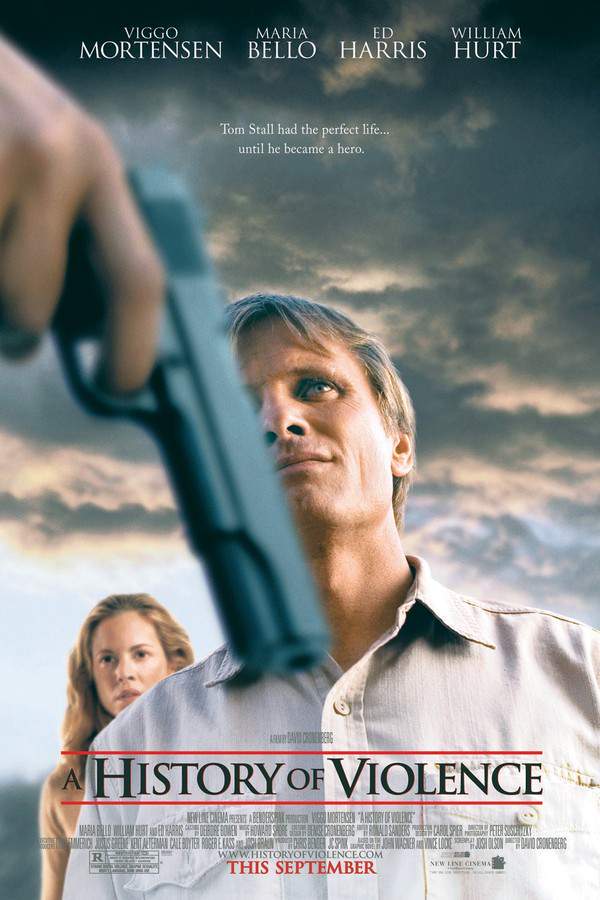
A History of Violence

A seemingly ordinary man living a quiet life as a diner owner finds his peaceful existence threatened when a visitor reveals a hidden past he desperately tried to escape. As his dark secrets resurface, his family is drawn into a dangerous situation, forcing him to confront a violent history and question everything he thought he knew about himself. The truth unravels, revealing a complex web of deception and testing the bonds of loyalty.
Where to Watch A History of Violence?
Find where to stream, rent, or buy A History of Violence (2005) in the US with current JustWatch availability, up-to-date pricing, and platform listings for subscription, rental, and digital purchase options.










Streaming availability powered by 
Warning: spoilers below!
Haven’t seen A History of Violence yet? This summary contains major spoilers. Bookmark the page, watch the movie, and come back for the full breakdown. If you're ready, scroll on and relive the story!
A History of Violence (2005) – Full Plot Summary & Ending Explained
Read the complete plot breakdown of A History of Violence (2005), including all key story events, major twists, and the ending explained in detail. Discover what really happened, and what it all means.
Billy Orser, portrayed by Greg Bryk, is a merciless mob killer collaborating with Leland Jones (Stephen McHattie). The duo coldly murders the staff of a motel, and in a shocking act, Billy shoots a young girl who witnesses their heinous crime.
In stark contrast, we find Tom Stall, played by Viggo Mortensen, a restaurant owner leading a blissful life in the small town of Millbrook, Indiana. He cherishes his loving wife, Edie, as well as their son Jack (Ashton Holmes) and daughter Sarah (Heidi Hayes). Tom is a well-respected figure in their community, and everything appears perfect—until fate intervenes.
Jack faces challenges at school, enduring bullying from punks Bobby (Kyle Schmid) and Buddy (Morgan Kelly). Despite temptation, Jack opts for peace over violence, showing maturity beyond his years. Meanwhile, Tom and Edie’s relationship thrives, their romance nurtured by intimate moments whenever possible.
Their peaceful existence shatters one fateful night when Billy and Leland attempt to rob Tom’s restaurant. In a gripping confrontation, Tom’s courage shines through as he eliminates the threat, killing both robbers despite sustaining an injury himself. His heroic deeds catapult him into the limelight, with media coverage flooding in and turning him into an overnight celebrity. After a brief hospital stay, he returns home, welcomed as a hero, though the intrusion of fame begins to weigh heavily on him.
Chaos enters when Carl Fogarty, portrayed by Ed Harris, a menacing gangster, confronts Tom, claiming he is actually Joey Cusack, a figure from the Irish Mob in Philadelphia. Tom vehemently denies this assertion, maintaining he has no connection to that life. Yet, Carl’s relentless harassment puts immense pressure on Tom and his family.
Local Sheriff Sam informs Tom and Edie that Carl and his associates are linked to organized crime and suspected murders. Even though there’s no official evidence tying Tom to the witness protection program, tensions rise within the home as Tom’s life is slowly unraveled by Carl’s intimidation.
Tom’s family dynamic begins to suffer. Edie and Sarah’s outing to a mall leads to a frightening confrontation with Carl, who drops cryptic threats against Tom. Meanwhile, Jack grapples with his own internal struggles regarding violence, escalating to a violent encounter at school. An altercation with Tom forces a rift between father and son when Jack feels extreme frustration, eventually leading Jack to take daring action against Carl’s henchmen when they kidnap him.
The climax arises in a fierce showdown at the Stall residence, as Tom employs the same lethal precision against Carl’s men that he utilized against the robbers, culminating in Jack rescuing his father by killing Fogarty in a moment of bravery.
However, the confrontations do not end there. In a heart-wrenching scene at the hospital, Edie confronts Tom, claiming she witnessed a side of him that struck her as the “real” Joey. Shockingly, Tom admits his dark past, confessing that he had indeed murdered for both profit and excitement, desperately trying to reform himself and become “Tom Stall”.
After his recovery, Sheriff Sam attempts to discern the truth behind Tom’s identity, but Edie fiercely defends him, leading to a dramatic climax in their relationship filled with violent passion and subsequent alienation. A call from Tom’s brother, Richie Cusack (William Hurt), propels Tom back to Philadelphia, where he discovers the undercurrents of a revenge-fueled power struggle within the mob, ultimately culminating in a violent confrontation against Richie.
Tom returns to a strained family setting, where the shadow of his past looms large. As they sit around the dinner table, the atmosphere is steeped in tension, yet subtle gestures between Tom, Jack, and Sarah hint at a fragile path towards understanding and acceptance.
Last updated: November 15, 2024 at 19:54
A History of Violence (2005) Plot Questions Answered – Summary FAQ
Explore frequently asked questions about A History of Violence (2005) with spoiler-rich answers covering the full plot summary, major story beats, character motivations, hidden details, and ending meaning. This movie summary FAQ helps explain confusing scenes, plot twists, and narrative decisions in clear, searchable detail.
Why does Carl Fogarty believe Tom Stall is Joey Cusack?
Carl Fogarty is a gangster who recognizes Tom as Joey Cusack, a notorious figure from the Irish Mob in Philadelphia. Carl has concrete evidence linking Tom to that criminal past, though the exact details aren't fully explained in the film. Carl's persistent harassment and threats are driven by his certainty that Tom is using a fake identity to escape his criminal life, and he uses this knowledge to manipulate and intimidate the Stall family.
Early scenes show Tom displaying remarkable combat skills when he kills the robbers, which hints at his violent past.
What was Tom Stall's past before moving to Millbrook?
Tom Stall was originally Joey Cusack, a member of the Irish Mob in Philadelphia. He admits to Edie that he murdered people for both profit and excitement, committing these crimes alongside his brother Richie. He changed his identity to escape that violent life and became Tom Stall, building a peaceful existence as a restaurant owner in Millbrook, Indiana.
Why does Jack Stall kill Carl Fogarty?
Jack kills Carl Fogarty to rescue his father during the climactic showdown at the Stall residence. Throughout the film, Jack struggles with questions about violence and identity, especially after seeing his father's heroic yet violent actions. When Carl's men kidnap Jack, he uses the opportunity to turn the tables and shoots Fogarty, saving Tom in a moment that represents Jack's own transformation and willingness to protect his family by any means necessary.
Jack's earlier choice to not fight his bullies at school contrasts sharply with this moment, showing how circumstances have changed him.
What happens between Tom and Edie at the hospital?
At the hospital after the confrontation with Carl's men, Edie confronts Tom about what she witnessed, the cold, efficient violence he used against the attackers. She tells him she saw the "real" him, referencing the violent man he used to be. Tom finally admits his true identity and past, confessing that he was indeed Joey Cusack and had murdered people. This revelation strains their marriage as Edie struggles to reconcile the man she married with his dark history.
Edie notices Tom's violent capabilities when he kills the robbers early in the film, planting seeds of suspicion.
Why does Richie Cusack call Tom back to Philadelphia?
Richie Cusack, Tom's brother in the Philadelphia mob, calls him back because of a revenge-fueled power struggle within the organization. Richie needs Tom's help to navigate this dangerous situation, pulling Tom back into the criminal world he tried to escape. This call represents the inescapable nature of Tom's past and forces him to confront both his brother and his former life.
Why does Tom Stall kill the robbers at his restaurant?
Tom kills Billy Orser and Leland Jones in self-defense when they attempt to rob his restaurant. However, the violent efficiency with which he eliminates both attackers, despite sustaining an injury himself, raises questions about his true capabilities. His combat skills and willingness to kill suggest someone with extensive violent experience, which later becomes central to understanding his identity as former mobster Joey Cusack.
This scene introduces the contradiction between Tom's peaceful facade and his deadly skill set.
Does the Stall family accept Tom at the end?
The ending shows the Stall family sitting together at dinner in a tense but tentatively connected atmosphere. While the family is deeply scarred by the revelations about Tom's past, subtle gestures between Tom, Jack, and Sarah suggest a fragile path toward understanding and acceptance. Edie's position remains more uncertain, she defended Tom to Sheriff Sam but was deeply shaken by his confession. The resolution is bittersweet, representing fragile acceptance rather than true closure.
The final dinner scene mirrors the family's earlier peaceful dinners, now shadowed by the truth they now know.
What does the title "A History of Violence" mean in the movie?
The title refers to both Tom Stall's personal history with violence as Joey Cusack and the cyclical nature of violence within families. Tom attempted to escape his violent past by creating a new identity, but his past catches up to him. Additionally, Jack inherits his father's capacity for violence, killing Fogarty to save him, demonstrating that violence, once part of someone's history, cannot be easily escaped and often repeats across generations.
Jack's violent confrontation at school foreshadows his later willingness to kill.

Explore Movie Threads
Discover curated groups of movies connected by mood, themes, and story style. Browse collections built around emotion, atmosphere, and narrative focus to easily find films that match what you feel like watching right now.
Movies about dark pasts resurfacing like A History of Violence
When a violent history violently resurfaces, shattering a carefully constructed new life.Discover movies similar to A History of Violence where characters are haunted by a violent past that threatens their new life. If you liked seeing Tom Stall's idyllic world collapse, you'll find more tense thrillers and dramas about hidden identities, redemption, and the inescapable nature of one's history.

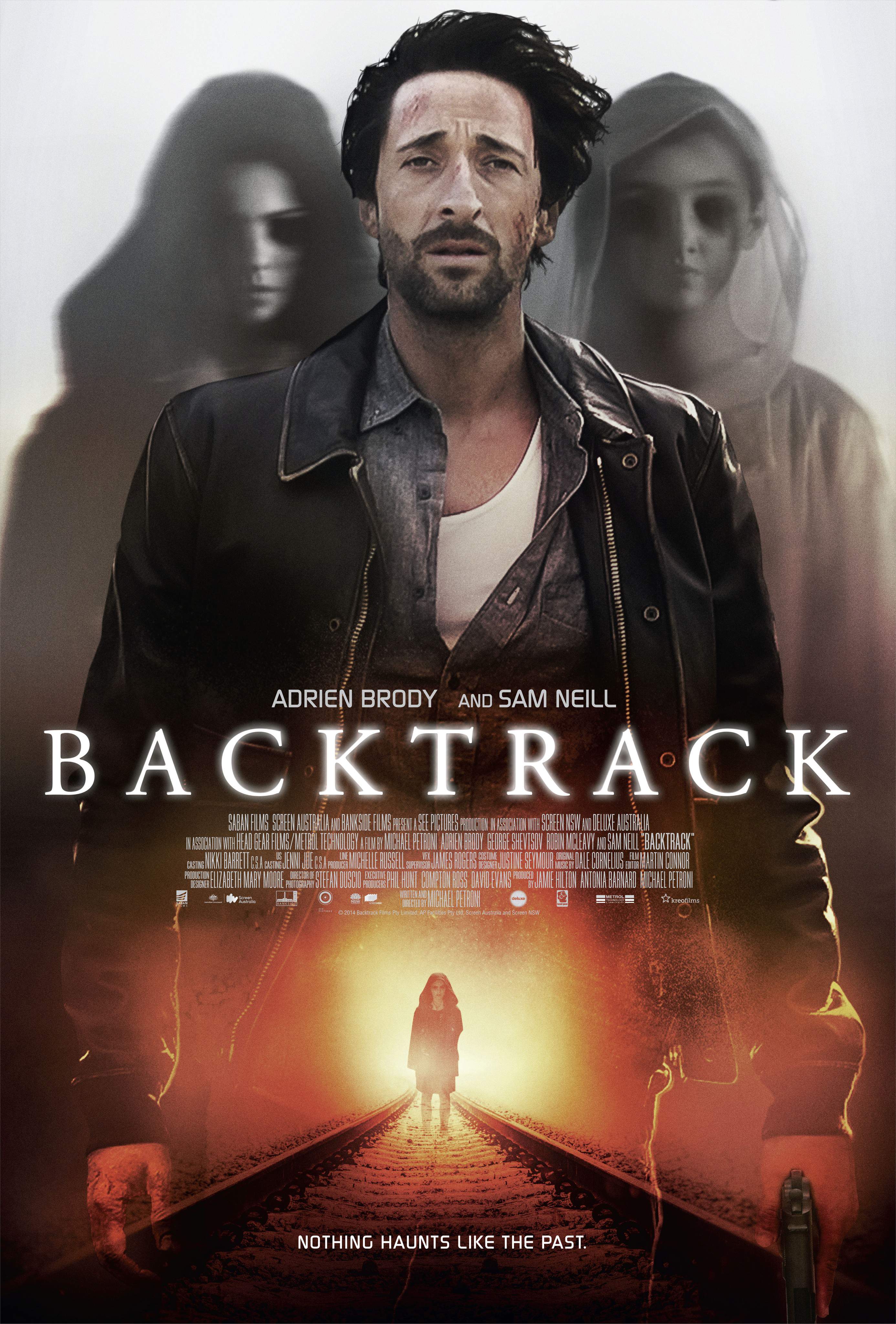
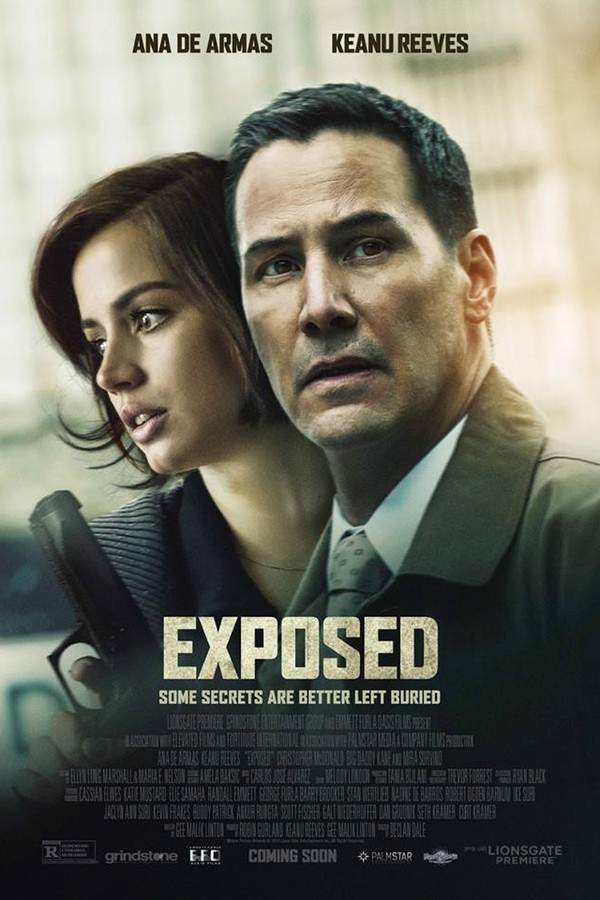
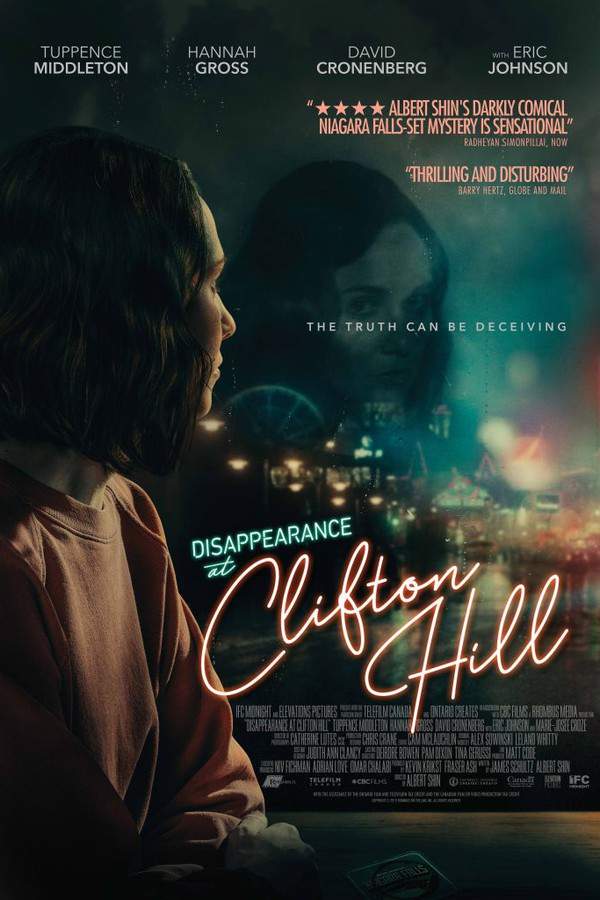
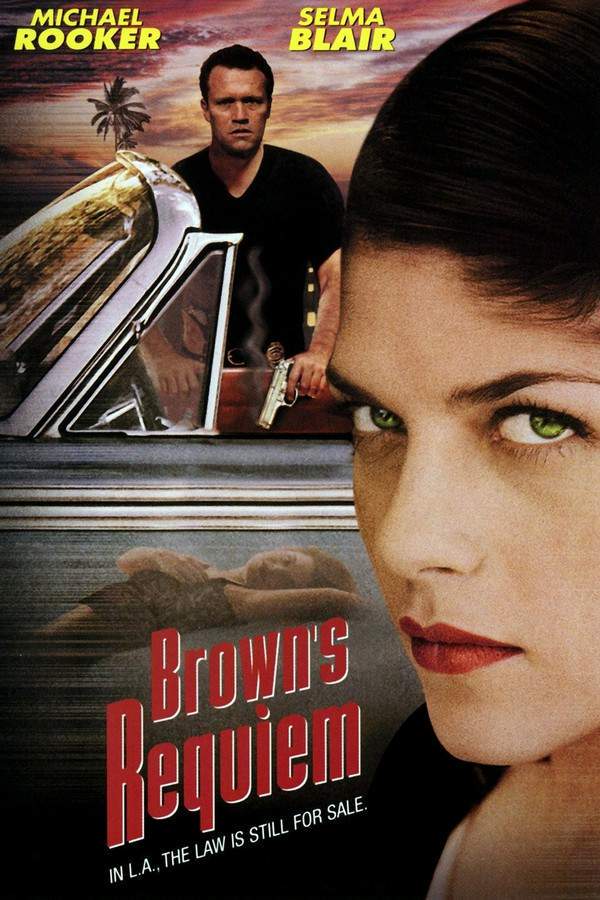



Narrative Summary
The narrative typically begins with a protagonist enjoying a hard-won peace, which is brutally disrupted by an event or person from their past. This forces them to re-engage with the violence they tried to leave behind, leading to a climactic confrontation that tests their new identity and the safety of those they love. The journey is one of forced reckoning.
Why These Movies?
These films are grouped by their shared core conflict: the collision between a peaceful present and a bloody past. They share a dark, tense tone, a steady pacing that builds to explosive violence, and a heavy emotional weight centered on themes of identity, deception, and the fragility of normalcy.
Movies where family safety is shattered like in A History of Violence
The violent intrusion of the outside world into a seemingly safe family unit.Find films with a vibe similar to A History of Violence, where a peaceful family life is violently disrupted. If you liked the tension of Tom Stall's domestic world collapsing, explore these gripping stories about ordinary families facing extreme danger, testing loyalty and survival in the face of brutal outside forces.
A History of Violence
2005
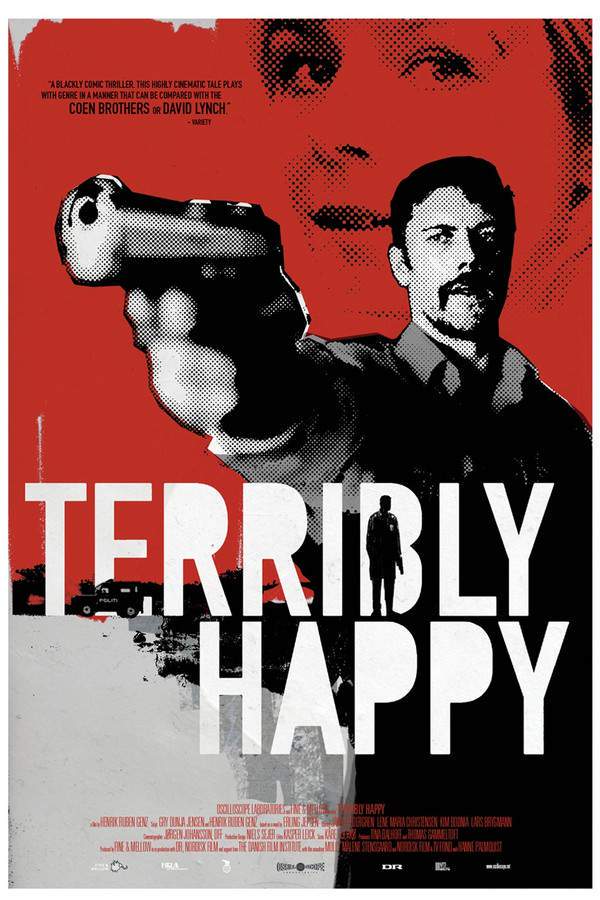
Terribly Happy
2010
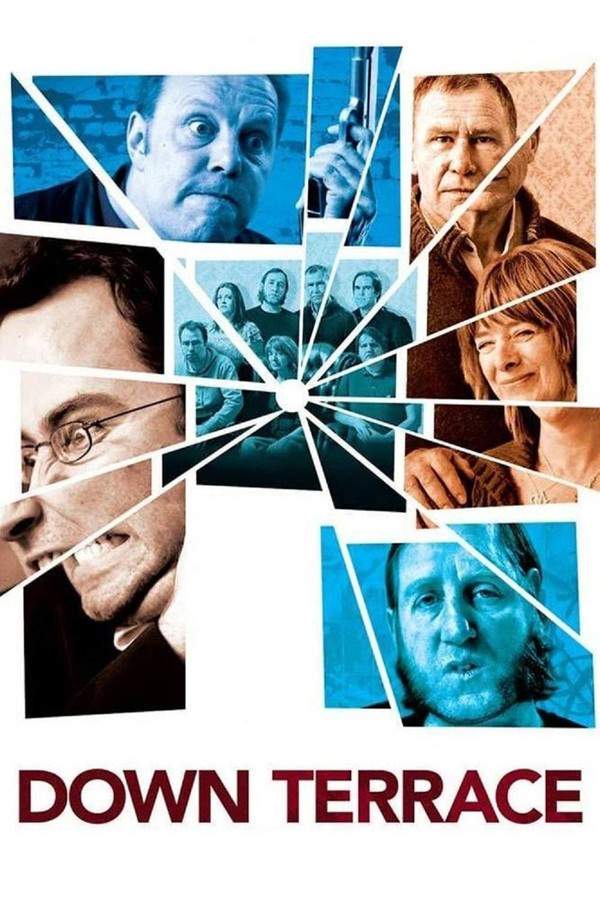
Down Terrace
2010
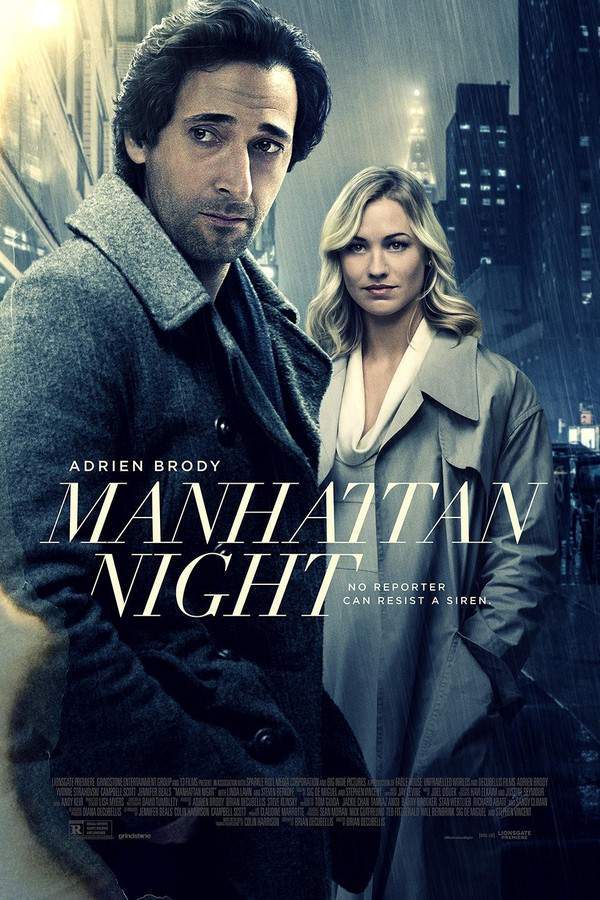
Manhattan Night
2016
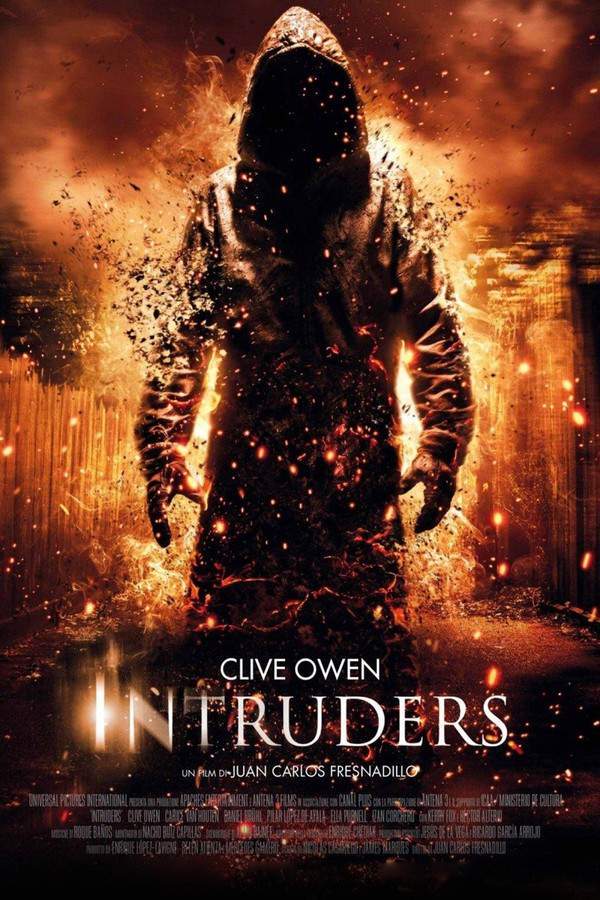
Intruders
2016
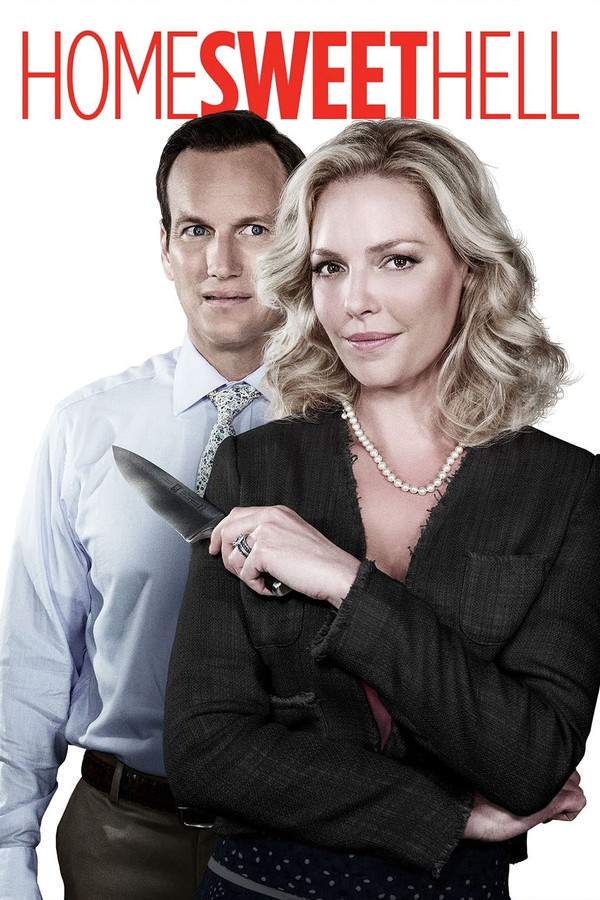
Home Sweet Hell
2015
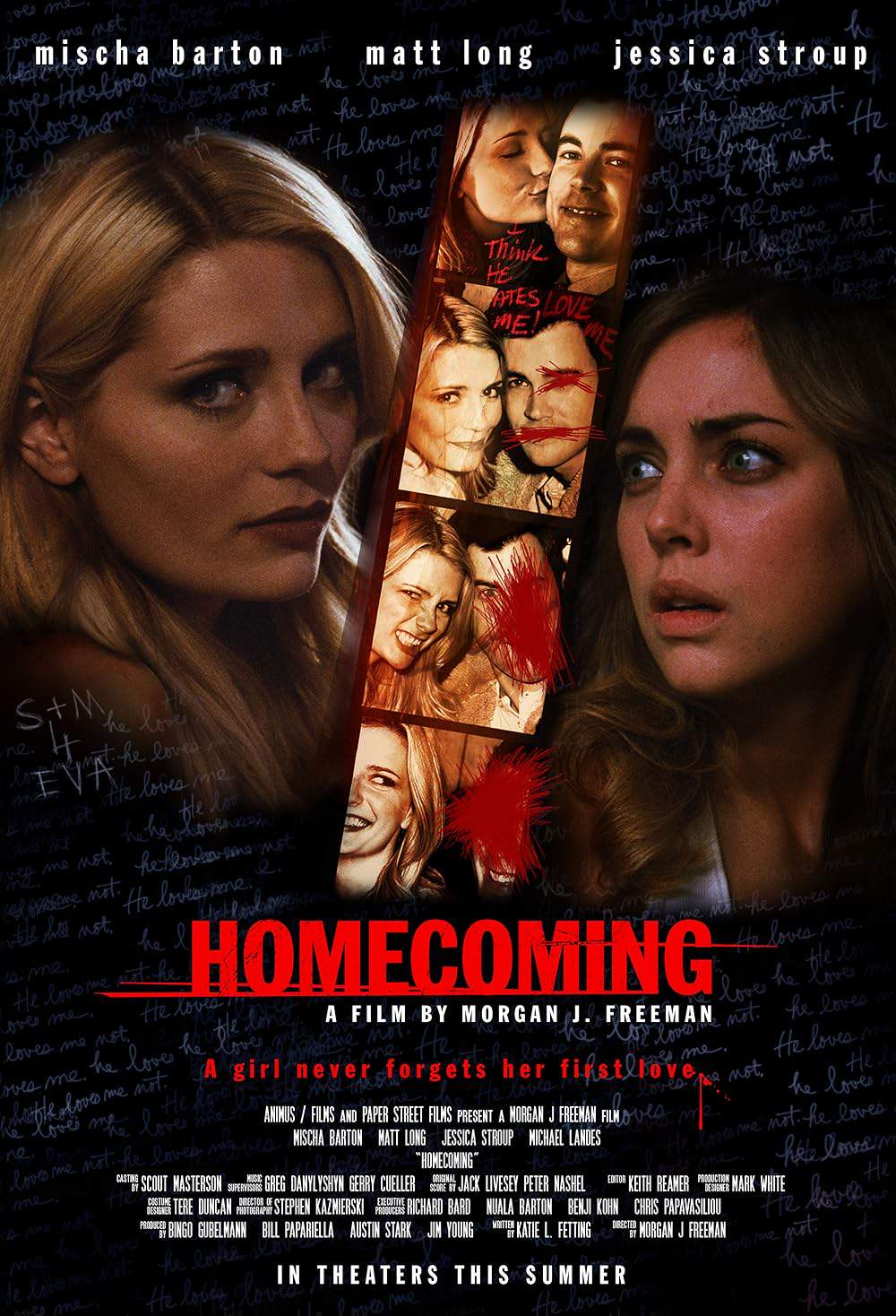
Homecoming
2009

Thou Wast Mild and Lovely
2014
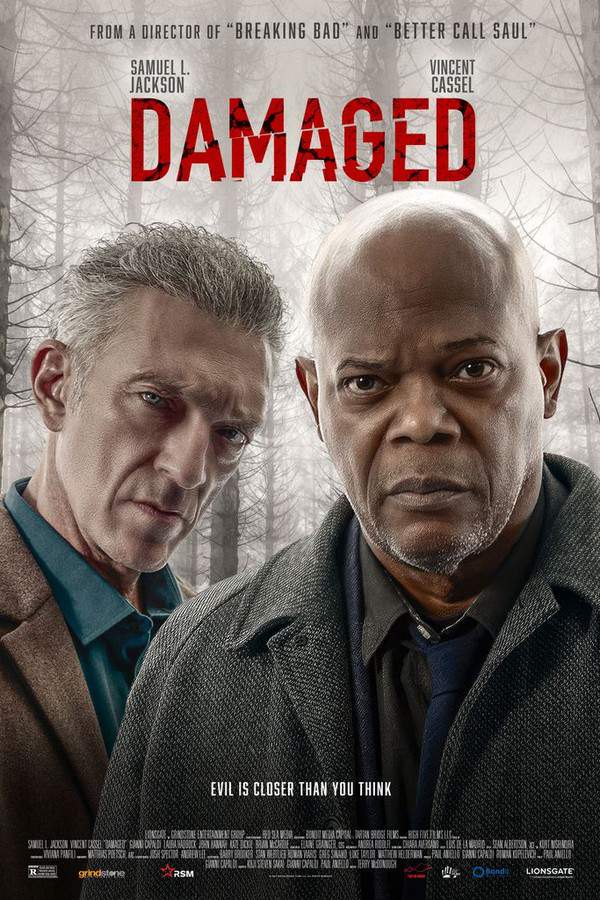
Damaged
2024

A Good Marriage
2014
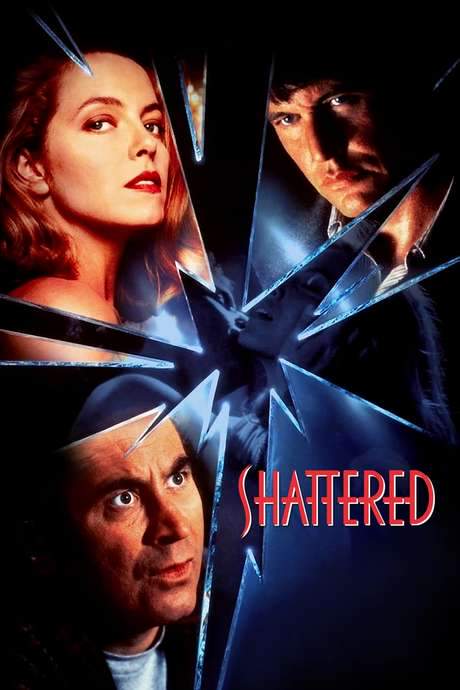
Shattered
1991

Violent Midnight
1963

House of Strangers
1949

Little Boy Blue
1997

Loving Adults
2022
Narrative Summary
These narratives often start by establishing a cozy, almost idealized domestic setting. The inciting incident is a violent act that shatters this bubble, dragging the family into a dangerous situation. The plot follows the family's struggle to survive and understand the threat, often revealing hidden strengths and fracturing relationships under pressure, leading to a resolution that leaves the family forever changed.
Why These Movies?
Movies in this thread share a specific mood: the palpable dread of seeing a safe haven violated. They combine the familiarity of domestic drama with the high stakes of a thriller, creating a claustrophobic and unsettling experience. The pacing is steady, building tension from a peaceful start to a violent climax, all with a dark, serious tone.
Unlock the Full Story of A History of Violence
Don't stop at just watching - explore A History of Violence in full detail. From the complete plot summary and scene-by-scene timeline to character breakdowns, thematic analysis, and a deep dive into the ending - every page helps you truly understand what A History of Violence is all about. Plus, discover what's next after the movie.
A History of Violence Timeline
Track the full timeline of A History of Violence with every major event arranged chronologically. Perfect for decoding non-linear storytelling, flashbacks, or parallel narratives with a clear scene-by-scene breakdown.

Characters, Settings & Themes in A History of Violence
Discover the characters, locations, and core themes that shape A History of Violence. Get insights into symbolic elements, setting significance, and deeper narrative meaning - ideal for thematic analysis and movie breakdowns.


Similar Movies to A History of Violence
Discover movies like A History of Violence that share similar genres, themes, and storytelling elements. Whether you’re drawn to the atmosphere, character arcs, or plot structure, these curated recommendations will help you explore more films you’ll love.

A Vigilante
2019

The Violence Action
2022
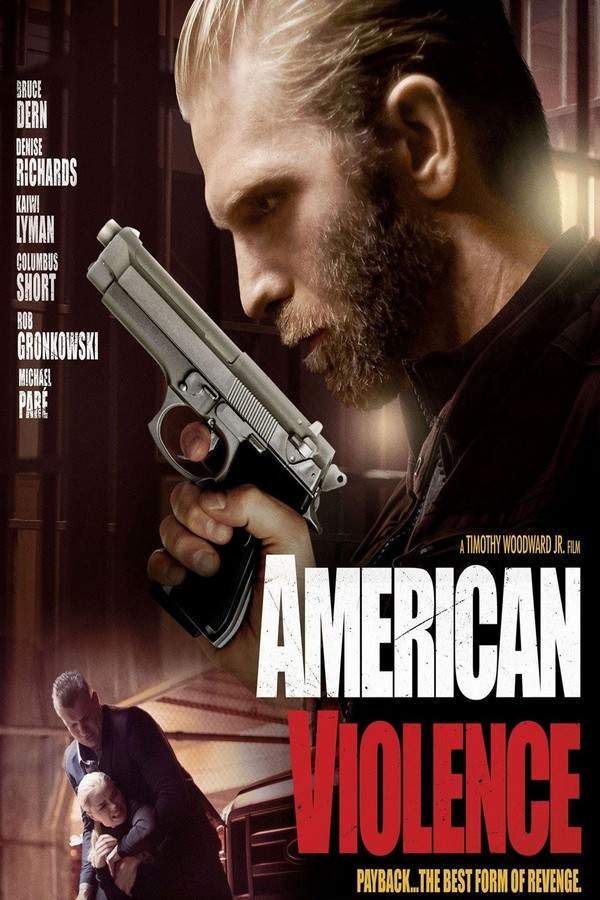
American Violence
2017
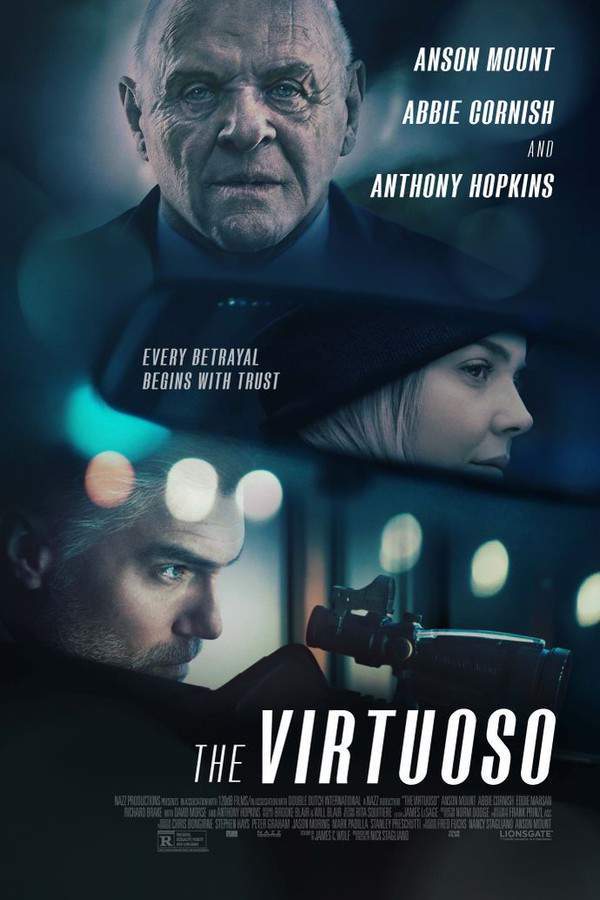
The Virtuoso
2021

A Proper Violence
2011

The Book of Revelation
2006

A Crime
2006

Vicious and Nude
1980
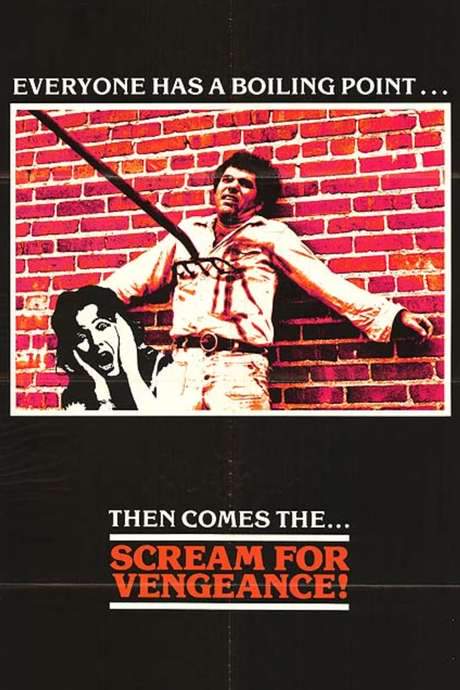
Vengeance
1980

Violence and Flesh
1981

Deadly Vengeance
1981
Violence
1947

Violent City
1970

Act of Vengeance
1974

Act of Violence
1948
Explore More About Movie A History of Violence
A History of Violence (2005) Scene-by-Scene Movie Timeline
A History of Violence (2005) Movie Characters, Themes & Settings
A History of Violence (2005) Spoiler-Free Summary & Key Flow
Movies Like A History of Violence – Similar Titles You’ll Enjoy
A Vigilante (2019) Movie Recap & Themes
The Violence Action (2022) Complete Plot Breakdown
American Violence (2017) Film Overview & Timeline
The Virtuoso (2021) Movie Recap & Themes
A Proper Violence (2011) Plot Summary & Ending Explained
The Book of Revelation (2006) Complete Plot Breakdown
A Crime (2006) Complete Plot Breakdown
Vicious and Nude (1980) Plot Summary & Ending Explained
Vengeance (1980) Full Summary & Key Details
Violence and Flesh (1981) Film Overview & Timeline
Deadly Vengeance (1981) Movie Recap & Themes
Violence (1947) Complete Plot Breakdown
Violent City (1970) Full Summary & Key Details
Act of Vengeance (1974) Complete Plot Breakdown
Act of Violence (1948) Detailed Story Recap