





Plot Explained Spoilers guaranteed!
Plot Explained

Browse by genre

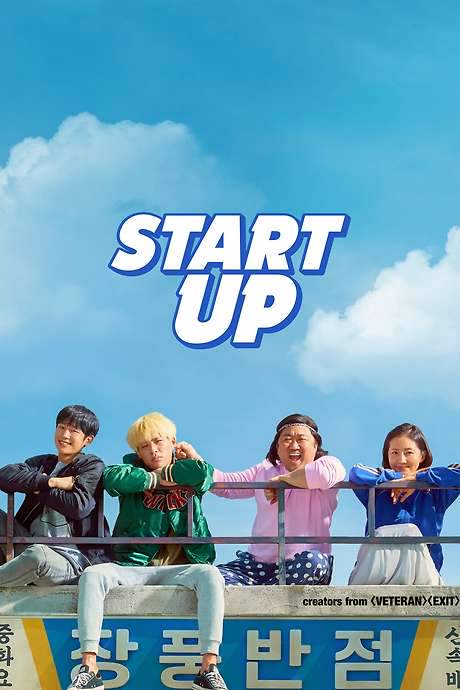
Start-Up (2019) movie poster

Characters & Themes

Start-Up (2019) Characters, Setting & Themes Explained

Release, runtime and language
2019 · 102 mins · Korean
Directed by
Choi Jung-yol
Starring
Don Lee, Yoon Kyung-ho, Kim Min-jae, Park Jeong-min, Yum Jung-ah, Goh Doo-shim

It’s time to grow up. Two boys are becoming real adults during a turbulent time as they experience a world that doesn’t go their way.

On this page (7)
  1. 1 Where to watch
  2. 2 Characters explained (3)
  3. 3 Where & when it takes place
  4. 4 Themes & meaning (2)
  5. 5 Character & meaning questions
  6. 6 Movie threads
  7. 7 Every angle

Where to watch

Where to Watch Start-Up (2019)

Where can you watch Start-Up? Stream, rent or buy it in the US, including on Amasian TV, Amazon Prime Video Free and Plex: current JustWatch availability with up-to-date prices.

Streaming availability powered by JustWatch

3 main characters · contains spoilers

Start-Up Characters Explained: Who Is Who

The main characters of Start-Up (2019), heroes and villains: what drives them, how they change over the course of the story and what each of them reveals about the film's bigger ideas.

  • Go Taek-il

    played by Park Jeong-min

    Taek-il is a rebellious young man seeking independence from his mother's strictness. His impulsive decisions often lead him into trouble, but his journey showcases his growth as he navigates adulthood. He displays a mix of youthful defiance and vulnerability, making him a relatable character.

    • 🚀 Youth
    • 🎸 Rebellion
  • Woo Sang-pil

    played by Jung Hae-in

    Sang-pil is a determined character who faces the realities of adult life through his job in the loan business. He struggles with the moral implications of his work and the impact it has on his family, especially his grandmother. His character embodies resilience amidst adversity.

    • 💼 Determination
    • 🏘️ Responsibility
  • Jeong-hye

    played by Yum Jung-ah

    Jeong-hye is Taek-il's mother, whose overprotectiveness and concern for her son often lead to conflict between them. While she runs her own business, her struggles with debt and the pressures of life highlight the sacrifices parents make for their children.

    • 👩‍👦 Parenting
    • 🌧️ Struggles

Last updated: September 09, 2026 at 04:43

Was this helpful?

Setting

Where and When Does Start-Up Take Place?

The setting of Start-Up (2019): the year and time period, the places and locations, and how they shape the characters, the mood and the tension of the story.

Time period

The story unfolds in a contemporary setting, reflecting the struggles of young adults in a rapidly changing society. This time period emphasizes themes of independence and economic challenges faced by the characters.

Location

Gunsan, Chinese Restaurant

The movie primarily takes place in Gunsan, a city known for its rich history and culture on the west coast of South Korea. The bustling atmosphere of a Chinese restaurant serves as a backdrop for the main character's journey, symbolizing a world of opportunity and challenge.

  • 🏙️ City
  • 🍜 Restaurant

Last updated: September 09, 2026 at 04:43

Was this helpful?

2 major themes

Start-Up Meaning: Themes & Message Explained

What is Start-Up (2019) really about? The emotional, social and philosophical themes the film keeps returning to, its symbolism and the message beneath the surface.

  • Struggle

    The theme of struggle is prevalent as the characters navigate the challenges of adulthood. Taek-il's rebellious nature leads him to make impulsive decisions, while Sang-pil must confront harsh realities in the loan business. Their experiences highlight the difficulties and harsh lessons learned on the path to maturity.

  • Family

    Family plays a crucial role in the film, as both main characters seek to support their loved ones despite their individual failings. Taek-il's conflict with his mother and Sang-pil's care for his grandmother illustrate the complexities of familial bonds and the sacrifices made for their well-being.

Last updated: September 09, 2026 at 04:43

Was this helpful?

Character & theme questions

Start-Up Characters & Meaning: Your Questions Answered

The questions people ask about Start-Up (2019): who the characters really are, their relationships, what the symbols mean, where it takes place and what the movie is really about. Each answer contains spoilers.

Q1

Where is the story mainly set?

Start-Up is set primarily in Gunsan, a port city on the west coast of South Korea known for its layered history and working-class character. Much of the action revolves around the family's Chinese restaurant, which functions as both a workplace and a symbol of the characters' daily hustle. The city's grounded, blue-collar atmosphere shapes the film's slice-of-life tone and reinforces its focus on ordinary people facing extraordinary pressure.

  • gunsan
  • setting
  • korean city
  • chinese restaurant
Q2

What time period does the story take place in?

The film is set in contemporary South Korea, with no specific historical or futuristic markers. This modern grounding matters because the struggles it depicts, student debt, predatory lending, low-wage labor, and intergenerational tension, are deliberately anchored to present-day realities. Keeping the timeline current lets Start-Up comment on the economic conditions young Koreans face right now rather than romanticize a bygone era.

  • time period
  • contemporary
  • modern korea
  • setting
Q3

What is the film really about thematically?

At its core, Start-Up is about struggle as the defining texture of early adulthood. Taek-il's impulsive rebellion and Sang-pil's grinding work in the loan business are both presented as responses to systems larger than themselves. The film treats struggle not as a single dramatic arc but as an ongoing condition that gradually reshapes who the characters are.

  • struggle
  • themes
  • coming of age
  • maturity
Q4

How does family shape the story?

Family is the emotional engine of Start-Up, with both protagonists tethered to relatives who depend on them. Taek-il's push-and-pull with his mother Jeong-hye and Sang-pil's quiet devotion to his grandmother turn every financial decision into something deeply personal. Rather than a backdrop, family is portrayed as the reason the characters keep going even when the world pushes back.

  • family
  • mother
  • grandmother
  • familial bonds
Q5

Who is Go Taek-il?

Go Taek-il, played by Park Jeong-min, is a rebellious young man desperate to break free from his mother's strictness. He acts on impulse and repeatedly finds himself in trouble, but underneath the bravado is someone searching for a place of his own. His arc captures the painful gap between wanting independence and being able to sustain it.

  • go taek-il
  • park jeong-min
  • rebellious
  • protagonist
Q6

Who is Woo Sang-pil and what drives him?

Woo Sang-pil, played by Jung Hae-in, is a determined young worker whose job in the loan business forces him into moral gray areas. He is largely defined by his care for his grandmother, and that sense of responsibility keeps him pushing forward even when his work makes him uncomfortable. Where Taek-il runs toward trouble, Sang-pil endures it.

  • woo sang-pil
  • jung hae-in
  • loan business
  • protagonist
Q7

Who is Jeong-hye in the story?

Jeong-hye, played by Yum Jung-ah, is Taek-il's mother and a small-business owner dealing with debt and the constant pressure of keeping her family afloat. Her overprotectiveness looks like control on the surface but is rooted in genuine fear of what the world might do to her son. Through her, Start-Up illustrates the invisible labor and sacrifices parents absorb so their children can have a future.

  • jeong-hye
  • yum jung-ah
  • mother
  • overprotective
Q8

How are Taek-il and Sang-pil connected?

Taek-il and Sang-pil are the film's parallel protagonists, two young men moving through the same working-class world of Gunsan at slightly different speeds. They share an environment shaped by debt, family obligation, and limited opportunity, even when their day-to-day choices look nothing alike. Their parallel arcs give Start-Up its dual lens on what it means to come of age under pressure.

  • taek-il
  • sang-pil
  • parallel storylines
  • friendship
Q9

What is the central conflict in Start-Up?

The central conflict is the tension between the protagonists' desire for independence and the weight of adult responsibility in a system that offers few safe options. Neither Taek-il nor Sang-pil faces a single antagonist so much as a stack of pressures, loan sharks, family needs, low-paying work, and their own shortcomings. The film frames adulthood as something that happens to you as much as something you choose.

  • central conflict
  • tension
  • independence
  • responsibility
Q10

What does the Chinese restaurant symbolize in the film?

The Chinese restaurant is more than a backdrop, it represents the small-business hustle that both sustains and traps the family. It is a place where opportunity, hard labor, and exploitation coexist, and where Taek-il first learns that ambition is rarely enough on its own. As the visual and emotional center of the story, the restaurant anchors the film's themes of duty, survival, and the search for something beyond the grind.

  • chinese restaurant
  • symbolism
  • labor
  • small business
Q11

What does the movie say about economic hardship?

Start-Up treats economic hardship as a structural force rather than a personal failing, showing how loan shark pressure, low wages, and family debt intersect to narrow the characters' choices. It refuses easy solutions or moral lessons, instead presenting money problems as something that quietly rewires relationships and decisions. The film suggests that growing up poor often means growing up fast, with little room for mistakes.

  • economic hardship
  • debt
  • loan sharks
  • poverty
Q12

What does growing up mean in the context of the film?

In Start-Up, growing up is not framed as a triumphant milestone but as a series of compromises and painful realizations. Taek-il and Sang-pil both learn that maturity means accepting limits, carrying responsibility for others, and making decisions under imperfect information. The film treats adulthood as something that is forced on you by circumstance as much as something you actively achieve.

  • growing up
  • adulthood
  • maturity
  • coming of age

Movie threads

More Movies Like Start-Up, by Mood & Story

Curated lists built around what makes Start-Up tick: the same mood, the same kind of story or the same emotional payoff. Each list explains why these movies belong together.

Working-class youth survival like in Start-Up

When growing up means outrunning debt, not just finding yourself. Movies like Start-Up that follow young protagonists forced to grow up fast under economic pressure. These coming of age stories blend friendship, family conflict, and predatory systems, balancing small moments of warmth with grinding hardship. If you liked Start-Up's raw, grounded take on youth trapped by debt, you'll find similar grit and resilience here.

  • raw
  • grounded
  • youthful
  • anxious
  • earnest
  • melancholic
  • Tone: bittersweet, bleak
  • Pacing: steady, character driven
Why these movies?

The story pattern: Dual or ensemble young protagonists juggle low wage work, family duty, and fragile friendships while debt collectors, loan sharks, or systemic exploitation close in. The arc is less about self discovery and more about endurance, where each small win is undercut by another looming threat. Character growth happens through painful choices rather than clean lessons, and the bonds of friendship are tested by survival itself.

Why they belong together: These films share a grounded, slice of life rhythm that gradually escalates into real danger. The mood stays raw and earnest, the pacing is steady, and the emotional weight comes from economic precarity rather than romance or spectacle. Viewers looking for sympathetic young leads facing unfair systems with no easy out will find a consistent tone and stakes across these titles.

Bleak working-class realism like in Start-Up

Grounded stories where the system grinds people down and no one rides to the rescue. Movies like Start-Up that depict harsh economic realities with unflinching bleakness. These grounded dramas explore poverty, predatory lending, family collapse, and exploitation in tight, everyday settings, refusing fairy tale resolutions. If you liked Start-Up's honest, somber look at debt and survival with no easy answers, these similar films deliver the same raw, melancholic weight.

  • gritty
  • grounded
  • melancholic
  • bleak
  • raw
  • earnest
  • Tone: bleak, melancholic
  • Pacing: steady, observational
Why these movies?

The story pattern: Characters live paycheck to paycheck or worse, trying to hold families and friendships together as creditors, demolition orders, or illness press in. The narrative steadily tightens the noose without melodrama, letting bureaucratic cruelty and quiet violence do the damage. The ending rarely offers escape, instead leaving protagonists diminished but marked by what they endured together.

Why they belong together: Films in this thread share a commitment to showing economic exploitation without softening it. The tone is consistently bleak and bittersweet, the pacing patient and observational, and the intensity builds from ordinary pressures rather than action set pieces. They trade sentimentality for honesty, making them feel like they belong to the same cinematic conversation about what it means to be poor in a modern system.

Every angle

Start-Up (2019) Explained: Plot, Timeline & Characters

Everything about Start-Up in one place: what happens in the plot summary, the timeline in chronological order, the characters and meaning and a spoiler-free summary. What's After the Movie adds the cast, box office and post-credit scenes.

Coming soon on iOS and Android

The Plot Explained Movie Summary App

Plot summaries, endings explained and timelines on your phone. Catch up on any movie in minutes, save your favorites and never miss a twist again.

Be the first to know when we launch. Your email stays private, always.

Learn more about the app