Plot Explained Spoilers guaranteed!
Plot Explained

Browse by genre

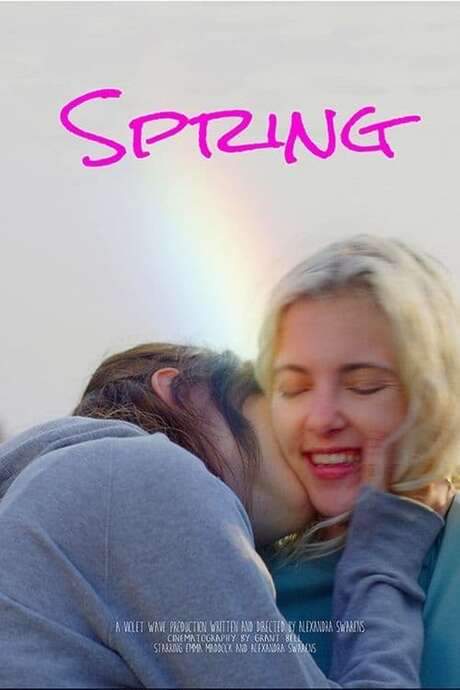
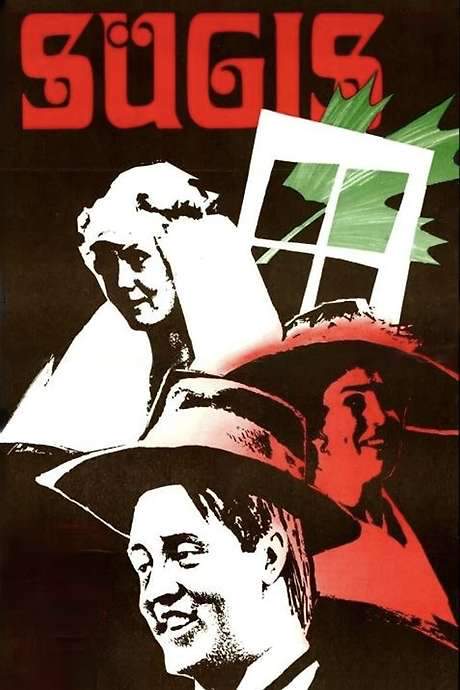
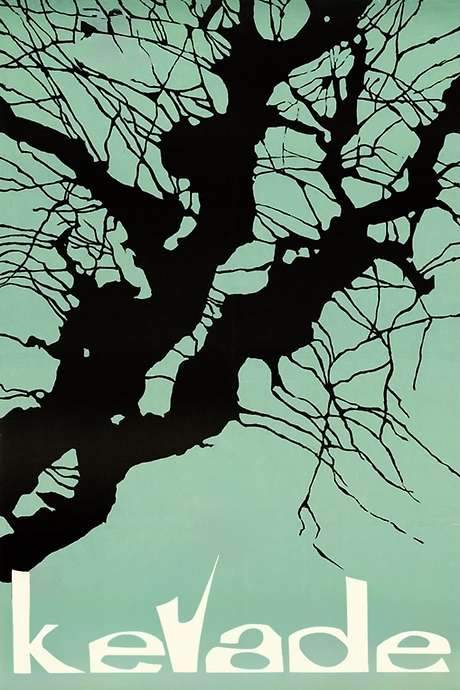
Spring (1969) movie poster

Characters & Themes

Spring (1969) Characters, Setting & Themes Explained

Release, runtime and language
1969 · 84 mins · Estonian
Loading streaming availability…
Directed by
Arvo Kruusement
Starring
Ain Lutsepp, Ita Ever, Kalju Orro, Kaljo Kiisk, Margus Lepa, Riina Hein

At Paunvere parish school, students Arno, Teele, Toots, Kiir, Tõnisson and Imelik navigate a single winter together, forming deep bonds and experiencing first love, jealousy, rivalry and the dawning of self‑awareness. The emotions and lessons of that season echo through their adult lives, shaping friendships, guiding choices and helping each character define their future path.

On this page (8)
  1. 1 Where to watch
  2. 2 Characters explained (10)
  3. 3 Where & when it takes place
  4. 4 Themes & meaning (4)
  5. 5 Character & meaning questions
  6. 6 Movie threads
  7. 7 Movies like Spring
  8. 8 Every angle
Loading streaming availability…

10 main characters · contains spoilers

Spring Characters Explained: Who Is Who

The main characters of Spring (1969), heroes and villains: what drives them, how they change over the course of the story and what each of them reveals about the film's bigger ideas.

  • Arno Tali (Arno Liiver)

    A new student recovering from scarlet fever, Arno is quiet and observant. He navigates early love and peer pressure with honesty, forming a bond with Teele and choosing to act with integrity rather than gossip or retaliation.

    • 💡 Thoughtful
    • 💖 Romantic
    • 🧭 Loyal
  • Teele (Riina Hein)

    Teele is Arno’s first love, a neighbor’s daughter whose affections shift as new attractions enter the scene. She experiences the thrill and confusion of adolescence, moving from Arno to Imelik as her feelings evolve.

    • ❤️ Romantic
    • 🔄 Changing Feelings
    • 🗺️ Rural Life
  • Toots (Ain Lutsepp)

    Toots is the lively, prank-loving classmate whose mischief destabilizes the classroom and tests everyone’s patience. His antics drive key turning points and reveal how power can be misused or redirected toward camaraderie.

    • 😈 Mischief
    • 🕊️ Reform
    • 🔥 Chaos
  • Kiir (Georg-Adniel Kiir)

    played by Margus Lepa

    Kiir is the whiny, tattling boy who becomes entangled in Toots’ schemes. His vulnerability and tendency to seek safety in narration highlight adolescence’s anxieties and the strain between groups.

    • 🗣️ Gossip
    • 🧭 Insecurity
    • 🧒 Youth
  • Lible (Kristian Lible)

    played by Kaljo Kiisk

    Lible is the bell-ringer whose misperceived guilt drives early conflict. His friendship with Arno and his role in the resolution show how truth and loyalty define character relationships.

    • 🔔 Authority
    • 🤝 Trust
    • 🧭 Friendship
  • Laur (Leonhard Merzin)

    Laur is the compassionate teacher who steadies the class and intervenes when Toots’ schemes spiral out of control. He guides the students toward honesty and reconciliation.

    • 👩‍🏫 Mentor
    • 🧭 Authority
    • 💬 Communication
  • Imelik (Rein Aedma)

    Imelik is a carefree musician who arrives later in the story, winning Teele’s attention with his lively tunes. His presence shifts relationships and shakes Arno’s romantic prospects.

    • 🎶 Music
    • ✨ Attraction
    • 🌟 Shift
  • Kuslap (Kalle Eomois)

    Kuslap is Jüri Kuslap, a servant who accompanies Imelik and participates in the village school community. He represents the social layers that accompany the students’ world.

    • 🧍 Classmate
    • 🧭 Social Structure
  • Pastor (Arnold Kasuk)

    Pastor serves as a village religious figure around the school, providing moral framing and occasional guidance to the students.

    • ⛪ Authority
    • 🕊️ Morality
  • Parish Clerk (Endel Ani)

    Parish Clerk is a figure of authority who attempts to discipline the class and maintain order, though his efforts are frequently outmatched by the students’ energy.

    • 🗓️ Administration
    • 🧭 Social Order

Last updated: October 04, 2025 at 15:08

Was this helpful?

Setting

Where and When Does Spring Take Place?

The setting of Spring (1969): the year and time period, the places and locations, and how they shape the characters, the mood and the tension of the story.

Time period

mid-autumn to spring

The events begin in mid-autumn as the school year starts, then move through winter with skating on a frozen river and a perilous ice break, before returning to spring. The changing seasons structure the narrative, from playful mischief to more serious acts of courage and heartbreak. The time frame highlights how youth experiences love, loyalty, and consequences across a seasonal cycle.

Location

Paunvere parish school

The story unfolds in the rural Estonian village of Paunvere around its parish school, a tight-knit community where children from different backgrounds interact daily. The school sits at the center of village life, hosting pranks, lessons, and friendships that push boundaries. The surrounding countryside and neighboring German landlords introduce social contrasts that fuel conflicts and teamwork alike.

  • 🏫 Parish School
  • 🌳 Rural Village
  • 🕯️ Cultural Tensions

Last updated: October 04, 2025 at 15:08

Was this helpful?

4 major themes

Spring Meaning: Themes & Message Explained

What is Spring (1969) really about? The emotional, social and philosophical themes the film keeps returning to, its symbolism and the message beneath the surface.

  • Coming of Age

    Arno’s arrival and his first romantic awakenings push him from curious observer to someone who considers moral choices more carefully. The story follows how curiosity, honesty, and courage guide him through social tensions at school.

  • First Love

    Teele’s affection for Arno and her later shifting interest in Imelik propel the central emotional arc. The narrative explores how young love can be impulsive, fragile, and transformative, changing loyalties and expectations.

  • Pranks and Chaos

    Toots drives much of the mischief, from chaotic christening moments to perilous icework, testing teacher Laur’s patience and the class’s bonds. The chaos reveals the fine line between playful mischief and real consequences.

  • Friendship and Loyalty

    Arno, Lible, and Laur navigate truth, trust, and class differences as they resolve conflicts and protect friends. The narrative emphasizes loyalty, accountability, and the value of choosing honesty over reputation.

Last updated: October 04, 2025 at 15:08

Was this helpful?

Character & theme questions

Spring Characters & Meaning: Your Questions Answered

The questions people ask about Spring (1969): who the characters really are, their relationships, what the symbols mean, where it takes place and what the movie is really about. Each answer contains spoilers.

Q1

Where does the story take place?

The movie is set in the rural Estonian village of Paunvere, centered around the parish school that serves as the heart of the community. The school sits at the center of village life, while the surrounding countryside and interactions with neighboring German landlords introduce social contrasts that fuel both conflicts and teamwork.

  • paunvere
  • estonia
  • rural village
  • parish school
  • setting
Q2

When does the story take place?

The events unfold from mid-autumn through winter and into spring, following the seasonal cycle of a single school year. The changing seasons structure the narrative, moving from playful mischief in autumn to more serious moments of courage and heartbreak during winter, before returning to spring.

  • autumn
  • winter
  • spring
  • seasons
  • school year
Q3

What are the main themes explored in the movie?

The movie explores four key themes: coming of age as Arno transforms from curious observer to someone making moral choices; first love and its impulsive, transformative nature; pranks and chaos that reveal the line between playful mischief and real consequences; and friendship and loyalty tested through truth, trust, and class differences.

  • coming of age
  • first love
  • friendship
  • loyalty
  • mischief
  • themes
Q4

Who is Arno and what is his role in the story?

Arno is a new student at Paunvere parish school who is recovering from scarlet fever. He is quiet and observant, navigating early love and peer pressure with honesty. His journey pushes him from a curious observer to someone who considers moral choices more carefully, forming a bond with Teele and choosing integrity over gossip or retaliation.

  • arno
  • main character
  • student
  • newcomer
Q5

Who is Teele and what defines her character?

Teele is Arno's first love, a neighbor's daughter whose affections shift as the story progresses. She experiences the thrill and confusion of adolescence, moving from Arno to Imelik as her feelings evolve. Her shifting interests propel the central emotional arc of the film.

  • teele
  • love interest
  • first love
  • romance
Q6

What role does Toots play in the story?

Toots is the lively, prank-loving classmate whose mischief destabilizes the classroom and tests everyone's patience. From chaotic christening moments to perilous icework, his antics drive key turning points and reveal how power can be misused or redirected toward camaraderie. He represents the chaos that both threatens and bonds the group.

  • toots
  • mischief
  • prankster
  • classmate
Q7

Who is the teacher Laur and what is his significance?

Laur is the compassionate teacher at Paunvere parish school who steadies the class and intervenes when Toots' schemes spiral out of control. He guides the students toward honesty and reconciliation, serving as a moral anchor who emphasizes loyalty, accountability, and the value of choosing honesty over reputation.

  • laur
  • teacher
  • mentor
  • authority figure
Q8

How does the rural Estonian setting influence the story?

The rural village of Paunvere creates a tight-knit community where children from different backgrounds interact daily. The parish school serves as the focal point for pranks, lessons, and friendships. The contrast between the local Estonian community and neighboring German landlords introduces social tensions that shape the characters' conflicts and teamwork, grounding the coming-of-age story in specific cultural dynamics.

  • rural estonia
  • village life
  • social class
  • cultural tension
  • setting
Q9

What does the movie say about first love?

The film portrays first love as impulsive, fragile, and transformative. Through Teele's affection for Arno and her later shift toward Imelik, the story explores how young love can change loyalties and expectations. The narrative treats these romantic experiences as pivotal moments that shape the characters' emotional development, showing both the joy and the pain of adolescent attraction.

  • first love
  • adolescence
  • romance
  • Teele
  • emotional development
Q10

Who is Imelik and what impact does he have?

Imelik is a carefree musician who arrives later in the story, bringing lively tunes that win Teele's attention. His presence shifts existing relationships and shakes Arno's romantic prospects, serving as a catalyst that propels the emotional arc forward and introduces new dynamics of jealousy and rivalry among the students.

  • imelik
  • musician
  • romantic rival
  • new character
Q11

What is the significance of the winter setting in the story?

Winter serves as more than just a backdrop, it brings pivotal events including skating on a frozen river and a perilous ice break that test the characters' courage. The harsh winter season mirrors the emotional challenges the students face, with the dangerous ice events representing the real consequences that can arise from youthful recklessness and the transition from childhood to adulthood.

  • winter
  • ice
  • danger
  • symbolism
  • seasonal cycle
Q12

What is the overall tone and mood of the movie?

The film carries a bittersweet tone, balancing the joyous freedom and camaraderie of youth with the inevitable pains of growing up and unrequited affection. The dominant feeling is nostalgic and tender rather than traumatic, dealing with genuine childhood struggles within a framework that emphasizes the lasting positive impact of these formative memories.

  • tone
  • mood
  • bittersweet
  • nostalgia
  • emotional

Movie threads

More Movies Like Spring, by Mood & Story

Curated lists built around what makes Spring tick: the same mood, the same kind of story or the same emotional payoff. Each list explains why these movies belong together.

Bittersweet Coming-of-age Stories like Spring

Stories where the formative pangs of youth leave a lasting, tenderly melancholic mark. If you enjoyed the nostalgic and tender look at youth in Spring, you'll find similar experiences in these movies. This list features heartfelt coming-of-age stories with a bittersweet tone, focusing on first love, friendship, and the enduring impact of formative memories, perfect for fans of reflective dramas.

  • nostalgic
  • bittersweet
  • youthful
  • sentimental
  • melancholic
  • tender
  • Tone: bittersweet, nostalgic
  • Pacing: steady, reflective
Why these movies?

The story pattern: These narratives typically follow a central group of young characters through a significant period, often a school year or a single season. The plot unfolds through small, character-driven events—mischief, first crushes, rivalries—that accumulate into profound emotional lessons. The journey is linear and straightforward, culminating in an ending that acknowledges both the fondness of the past and the poignant sense of loss as childhood ends.

Why they belong together: Movies in this thread are grouped by their shared ability to balance youthful exuberance with melancholic reflection. They share a steady, nostalgic pacing, a medium emotional weight, and a core focus on the bittersweet transition from innocence to experience, making the emotional journey feel cohesive and deeply relatable.
Movies about Nostalgic Group Dynamics like Spring

Films that trace the delicate, interconnected threads of a group's shared past. For viewers who liked the ensemble focus of Spring, this list highlights similar films about groups of friends or classmates. Discover movies that explore the powerful, nostalgic bonds formed in youth, with a steady pace and a mix of tender and melancholic emotions, perfect for those who enjoy character-driven stories.

  • nostalgic
  • ensemble
  • sentimental
  • reflective
  • friendship
  • memory
  • Tone: sentimental, reflective
  • Pacing: steady, clear
Why these movies?

The story pattern: The narrative structure is often episodic, marking time through shared events that impact the entire group. The story explores how individual arcs are woven together, showing how a collective memory can define separate futures. The conflict arises from within the group dynamics itself—competition, unrequited affection, loyalty tests—rather than from an external antagonist, leading to a conclusion that emphasizes the enduring, if changed, nature of their connection.

Why they belong together: These films are united by their ensemble-centered approach and a powerfully nostalgic mood. They share a tender, reflective tone and a straightforward narrative that prioritizes emotional truth over complex plotting. The experience is defined by a sense of looking back fondly at a pivotal time with a group of people.

If you liked this

Movies Like Spring

Similar movies to Spring: the same genre, themes or kind of story. Each one comes with its own plot summary, timeline and ending explained.

Browse all movie summaries

Every angle

Spring (1969) Explained: Plot, Timeline & Characters

Everything about Spring in one place: what happens in the plot summary, the timeline in chronological order, the characters and meaning and a spoiler-free summary. What's After the Movie adds the cast, box office and post-credit scenes.

Coming soon on iOS and Android

The Plot Explained Movie Summary App

Plot summaries, endings explained and timelines on your phone. Catch up on any movie in minutes, save your favorites and never miss a twist again.

Be the first to know when we launch. Your email stays private, always.

Learn more about the app