Plot Explained Spoilers guaranteed!
Plot Explained

Browse by genre

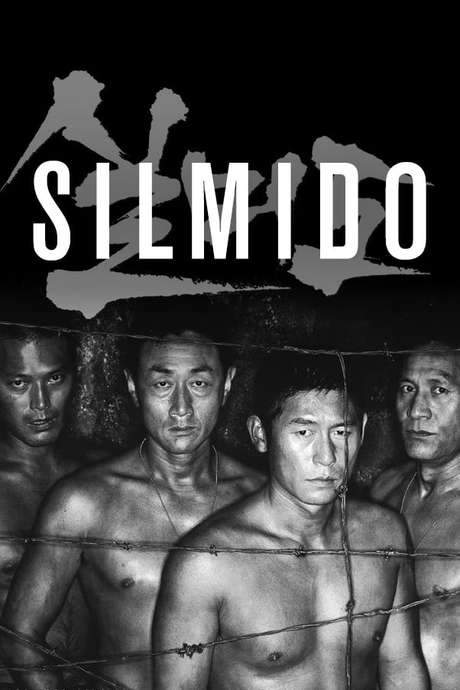
Silmido (2003) movie poster

Timeline

Silmido (2003) Timeline Explained – Every Event in Order

Release, runtime and language
2003 · 135 mins · Korean
Directed by
Kang Woo-suk
Starring
Choi Young, Ahn Sung-ki, Kim Kang-woo, Jung Yu-mi, Im Won-hee, Lee Jeong-heon

In January 1968, thirty‑one North Korean commandos entered South Korea in a failed plot to assassinate President Park Chung‑hee. The South Korean army recruited thirty‑one convicted criminals on Silmido Island, training them for a suicide mission to kill Kim Il‑sung and regain honor. The mission is cancelled, leaving the men stranded. The film references a 1970s military uprising.

On this page (5)
  1. 1 Events in order (14)
  2. 2 Timeline questions answered
  3. 3 Movie threads
  4. 4 Movies like Silmido
  5. 5 Every angle

14 events in order · contains spoilers

Silmido Timeline: Events in Chronological Order

Every key event of Silmido (2003) in order, scene by scene, with when and where it takes place. Use it to untangle flashbacks, time jumps and parallel storylines, to refresh your memory before the sequel or to find the exact scene you are thinking of.

  1. Infiltration of South Korea by Unit 124

    On 21 January 1968, 31 North Korean commandos of Unit 124 infiltrated South Korea in a failed mission to assassinate President Park Chung Hee. The operation provokes a sharp state response and intensifies cross-border tension. This event sets the stage for a retaliatory plan against North Korea.

    When
    21 January 1968
    Where
    South Korea
  2. Formation of Unit 684

    In retaliation, the Republic of Korea Armed Forces assemble 31 social outcasts, including criminals on death row and life imprisonment, to form Unit 684. The recruits are promised redemption and a new life if they succeed. The mission is framed as a means to exact revenge on North Korea.

    Where
    Silmido Island, South Korea
  3. Training on Silmido

    The recruits are taken to Silmido for months of grueling training, enduring harsh drills and brutal discipline. They face harsh conditions, including branding, aimed at building loyalty and readiness. The training is designed to turn out a formidable, undaunted unit.

    Where
    Silmido Island
  4. Death during training

    Near the end of training, one recruit dies after a fall from a ropes course, underscoring the lethal stakes of Unit 684's preparation. The loss reverberates through the camp and magnifies the intensity of the program. The incident foreshadows the heavy human cost of the mission.

    Where
    Silmido
  5. Deployment and recall

    At the culmination of training, the unit is dispatched toward North Korea, but is recalled shortly after departure as diplomatic efforts intensify. The sudden change leaves the men questioning the truth of their redemption and the value of their sacrifices. The mission is effectively canceled before it begins.

    Where
    On route to North Korea
  6. Return to Silmido

    The mission is canceled; the unit returns to Silmido discouraged and frustrated by the government's abrupt shift in policy. The recruits confront a grim reality: their loyalty has not earned them freedom, and their purpose remains unresolved. Tension and resentment grow within the ranks.

    Where
    Silmido
  7. Escape and assault on a doctor

    Two Unit 684 members escape from their barracks and rape a female doctor, triggering immediate punitive attention. The breach reveals systemic flaws within the unit’s control and the brutal reality of the training environment. The incident heightens paranoia and fear among the soldiers.

    Where
    Silmido
  8. Suicide pact and aftermath

    Believing execution is imminent, the two escapees attempt suicide; one kills the other at his partner's request before being stopped. The surviving prisoner is captured and returned to camp, where he is forced to witness guards beating fellow Unit 684 members for betrayal. The punishment deepens the cycle of anger and desperation.

    Where
    Silmido
  9. Mutiny plan and leak

    The unit’s commander, torn by orders to eliminate them, leaks information about the plan to kill Unit 684 to one member. The revelation fuels mutinous talk as the unit realizes they are expendable and not eligible for recognition. This moment crystallizes the collapse of secure command and loyalty.

    Where
    Silmido
  10. Mutiny and guard deaths

    Fearing a night of execution, the unit mutinies, attacking and killing the majority of their guards. They learn from a guard that they legally do not exist and would never be recognized for their mission, prompting a desperate decision to escape and tell their story. The mutiny marks a turning point toward a larger escape plan.

    Where
    Silmido
  11. Bus hijacking to Seoul

    The 20 surviving members seize a civilian bus, drive toward Seoul, and trigger a state of emergency announced over the radio, labeling them as armed communist agents. Civilians on board become unintended victims as the pursuit escalates. The group's plan shifts from escape to a public confrontation.

    Where
    Bus to Seoul / Seoul
  12. Final stand in Dongjak

    The group charges through an army roadblock and is surrounded by soldiers in front of the Yuhan Corporation building in Dongjak District, Seoul. A brutal firefight erupts, resulting in heavy casualties on both sides, including many soldiers and civilians on the bus. The confrontation reaches its bloody climax on the streets of the capital.

    Where
    Dongjak District, Seoul (front of Yuhan Corporation)
  13. Hostages released and suicides

    To avoid further bloodshed, the surviving Unit 684 members release civilian hostages and commit suicide using their own hand grenades. The climactic act ends the unit's story with a tragic sacrifice. Seoul reels from the night's violence and the loss of its young soldiers.

    Where
    Seoul
  14. Investigation and closure

    An official investigation into the incident is carried out, but the report is not read and is filed away in storage. The episode ends with a sense of bureaucratic burying of facts rather than accountability. The event remains a hidden scar in the national memory.

    Where
    Seoul / KCIA

Last updated: October 09, 2025 at 15:21

Was this helpful?

Timeline questions answered

Silmido Timeline Explained: Your Questions Answered

When does it happen, and why in that order? The questions people ask about the chronology of Silmido (2003): time jumps, flashbacks, cause and effect between scenes and the correct order of events, each answered with spoilers.

Q1

Why did South Korea recruit criminals for the assassination mission?

South Korea recruited criminals because they were considered expendable assets with nothing to lose. The government offered them redemption and a new life in exchange for carrying out what was essentially a suicide mission to kill Kim Il-sung. Using condemned or life-sentence prisoners meant the government could deny any involvement if the operation failed.

Foreshadowing: Earlier scenes show the harsh conditions and branding on Silmido, emphasizing the disposable nature of the recruits.

  • unit 684
  • criminals
  • south korea
  • recruitment
  • suicide mission
Q2

Why was the Unit 684 mission cancelled?

The mission was recalled when the South Korean government shifted toward a policy of peaceful reconciliation with North Korea. Diplomatic efforts intensified, making the covert assassination operation no longer viable or politically desirable. This abrupt reversal left the unit without purpose or promised freedom.

Foreshadowing: The film's early tension builds as the unit completes training, creating expectation for the mission that makes the recall more impactful.

  • unit 684
  • mission cancelled
  • recall
  • diplomacy
  • peace talks
Q3

Why did Unit 684 mutiny against their guards?

Unit 684 mutinied after learning they would be executed to cover up the entire operation. Their commander secretly warned them that the South Korean Central Intelligence Agency had ordered their elimination to prevent any trace of the mission. The men also discovered they legally did not exist and would never receive recognition or be allowed to return to civilian life.

Foreshadowing: The commander is shown torn between duty and conscience throughout the training, hinting at his eventual betrayal of orders.

  • unit 684
  • mutiny
  • cover up
  • cia
  • execution
  • escape
Q4

Why did the CIA order Unit 684 to be killed?

The South Korean Central Intelligence Agency ordered Unit 684's elimination to erase all evidence of the covert assassination plot. If the mission were ever exposed, it could be reinterpreted as a heroic spy operation, but more importantly, the government wanted to prevent any trace linking official channels to the failed operation. The unit was viewed as a political embarrassment that needed to be permanently silenced.

Foreshadowing: Earlier references to the secretive nature of the program and the lack of official records hint at the government's willingness to bury the operation.

  • cia
  • elimination
  • cover up
  • evidence
  • secret operation
Q5

Why did Unit 684 hijack a bus and go to Seoul?

After mutinying, the surviving Unit 684 members hijacked a civilian bus and drove toward Seoul to escape the island and tell their story to the world. They believed that going public would expose the government's secret program and force accountability. The bus journey was their desperate attempt to gain attention and avoid being killed silently.

Foreshadowing: The mutiny scene shows the unit learning they legally do not exist, motivating their desperate bid for visibility.

  • bus hijack
  • seoul
  • escape
  • publicity
  • tell story
Q6

Why did Unit 684 release their hostages before committing suicide?

The surviving Unit 684 members released the civilian hostages to avoid further bloodshed and demonstrate they were not purely violent criminals. This act reflected a mix of pragmatism and a growing recognition of the innocence they had already harmed. Afterward, they used hand grenades to commit suicide, ending their desperate confrontation.

Foreshadowing: Throughout the bus journey, the group is shown grappling with the civilian casualties already incurred.

  • hostages
  • release
  • suicide
  • civilians
  • grenade
Q7

What happened to the Unit 684 commander after he leaked the execution order?

The commander defied the CIA's order to eliminate Unit 684 and secretly warned one member about the planned purge. His exact fate after the mutiny is not detailed in the film, but his act of disclosure triggers the unit's realization that they are marked men and must act to survive.

Foreshadowing: The commander is portrayed as conflicted throughout, weighing professional duty against personal honor.

  • commander
  • leak
  • execution order
  • defiant
  • orders
Q8

Why did two Unit 684 members escape and assault the female doctor?

Two Unit 684 members escaped from the barracks after the mission was recalled and they returned to Silmido discouraged. The assault on the female doctor appears to be driven by frustration, desperation, and the breakdown of discipline after their purpose was stripped away. The incident was quickly discovered and punished, contributing to the escalating tensions within the unit.

Foreshadowing: The return to Silmido after mission recall is shown as a demoralizing moment that strains the men's psychological state.

  • escape
  • assault
  • doctor
  • crime
  • tensions
Q9

Why did a recruit die during the training on Silmido?

One recruit died after falling from a dangerous ropes course during training. The death underscores the lethal stakes of Unit 684's preparation and the brutal conditions of the program. This tragedy highlights the thin line between discipline and cruelty in the training regime.

Foreshadowing: Earlier scenes show the harsh physical demands and the instructors' relentless pushing of the recruits to their limits.

  • recruit death
  • training
  • ropes course
  • accident
  • silmido
Q10

Why was Unit 684 never recognized or acknowledged by the government?

Unit 684 was never recognized because they legally did not exist. They were recruited as criminals with no official status, and the entire mission was a covert operation designed to be deniable. After the incident, an official investigation was conducted but the report was quietly filed away without being read or acknowledged. The government buried the program to avoid embarrassment.

Foreshadowing: During the mutiny, a guard tells the unit they would never receive recognition for their mission, solidifying their expendable status.

  • recognition
  • government cover up
  • investigation
  • filed away
  • no acknowledgment
Q11

Why did the surviving Unit 684 members commit suicide?

The surviving Unit 684 members committed suicide using hand grenades after releasing the civilian hostages. They chose death over capture because they had no legal status, faced execution for their crimes, and could not return to civilian life. Their suicide was also a final act of defiance, a way to control their own fate rather than be eliminated by the government.

Foreshadowing: Throughout the final confrontation, the men are shown accepting their doom while seeking one final chance to be heard.

  • suicide
  • grenade
  • defiance
  • capture
  • death
Q12

Is Silmido based on a true story?

Yes, Silmido is based on the real Unit 684, a South Korean black-ops unit formed in 1968. The film depicts actual historical events including the recruitment of criminals, the training on Silmido Island, the mission's cancellation, and the 1971 mutiny and bus hijacking. The core narrative follows the true story, though some characters and events were dramatized for the film.

Foreshadowing: The opening text establishes the historical basis, grounding the film in real events.

  • true story
  • historical
  • unit 684
  • real events
  • south korea

Movie threads

More Movies Like Silmido, by Mood & Story

Curated lists built around what makes Silmido tick: the same mood, the same kind of story or the same emotional payoff. Each list explains why these movies belong together.

Movies about betrayal by the system like Silmido

Characters sacrificed and abandoned by the organizations they served. If you were moved by the tragic fate of the unit in Silmido, explore these movies about characters betrayed by the institutions they served. These stories often feature covert operations, government conspiracies, and heavy emotional weight, culminating in bleak or bittersweet endings.

  • grim
  • tense
  • desperate
  • oppressive
  • melancholic
  • brutal
  • Tone: dark, bleak
  • Pacing: variable, building to a climax
Why these movies?

The story pattern: Stories in this thread typically follow a group or individual who undertakes a difficult, often morally ambiguous mission for a powerful entity. The narrative arc turns when the entity abandons them, forcing the protagonists to confront the reality of their expendability. The journey is one from loyalty to disillusionment and often ends in tragedy or a hollow victory.

Why they belong together: These movies are grouped together because they share a core theme of institutional betrayal. They create a similar viewing experience of building tension around a mission, followed by the crushing weight of abandonment, resulting in a dark, politically charged, and emotionally devastating climax.

Movies with brutal training arcs like in Silmido

Intense stories of physical and psychological breaking points during harsh conditioning. Fans of the intense and oppressive training scenes in Silmido will appreciate these films. They depict grueling physical and psychological conditioning, exploring themes of endurance, trauma, and the cost of forging soldiers, often with a dark tone and heavy emotional impact.

  • brutal
  • oppressive
  • claustrophobic
  • tense
  • grim
  • violent
  • Tone: dark, oppressive
  • Pacing: steady, arduous
Why these movies?

The story pattern: The narrative pattern involves a group of recruits subjected to a merciless training program under a demanding instructor. A significant portion of the story is dedicated to depicting the brutal methods used to strip away individuality and instill obedience. This process explores the psychological trauma inflicted on the characters, creating deep bonds of shared suffering and often leading to a rebellion or a devastating final test.

Why they belong together: These films are united by their focus on the transformative, and often destructive, process of extreme training. They share a high intensity, a claustrophobic and oppressive mood, and a deep exploration of the physical and mental limits of their characters, resulting in a consistently tense and grim atmosphere.

If you liked this

Movies Like Silmido

Similar movies to Silmido: the same genre, themes or kind of story. Each one comes with its own plot summary, timeline and ending explained.

Browse all movie summaries

Every angle

Silmido (2003) Explained: Plot, Timeline & Characters

Everything about Silmido in one place: what happens in the plot summary, the timeline in chronological order, the characters and meaning and a spoiler-free summary. What's After the Movie adds the cast, box office and post-credit scenes.

Coming soon on iOS and Android

The Plot Explained Movie Summary App

Plot summaries, endings explained and timelines on your phone. Catch up on any movie in minutes, save your favorites and never miss a twist again.

Be the first to know when we launch. Your email stays private, always.

Learn more about the app