






Plot Explained Spoilers guaranteed!
Plot Explained

Browse by genre

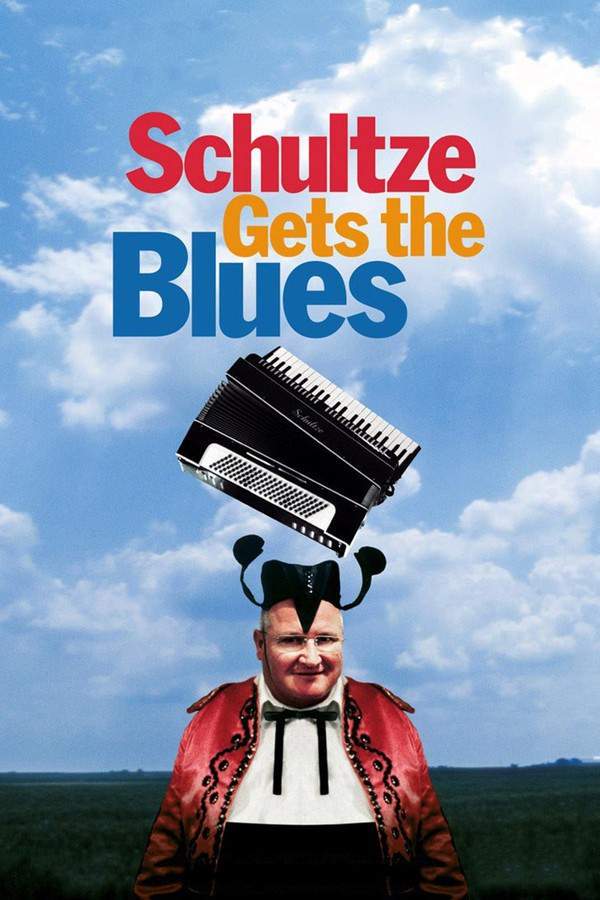
Schultze Gets the Blues (2005) movie poster

Timeline

Schultze Gets the Blues (2005) Timeline Explained – Every Event in Order

Release, runtime and language
2005 · 114 min · English
Directed by
Michael Schorr
Starring
Harald Warmbrunn, Horst Krause, Karl-Fred Müller

When unexpected job losses disrupt the peaceful existence of a small town in Saxon-Anhalt, one man named Schultze finds his carefully ordered life thrown into disarray. As his friends and neighbors struggle with the sudden upheaval, Schultze unexpectedly discovers a new and unfamiliar world. He must then confront uncharted territory and search for a renewed sense of purpose amidst the chaos and uncertainty.

On this page (6)
  1. 1 Where to watch
  2. 2 Events in order (11)
  3. 3 Timeline questions answered
  4. 4 Movie threads
  5. 5 Movies like Schultze Gets the Blues
  6. 6 Every angle

Where to watch

Where to Watch Schultze Gets the Blues (2005)

Where can you watch Schultze Gets the Blues? Stream, rent or buy it in the US, including on Hoopla, Amazon Video and Apple TV Store: current JustWatch availability with up-to-date prices.

Streaming availability powered by JustWatch

11 events in order · contains spoilers

Schultze Gets the Blues Timeline: Events in Chronological Order

Every key event of Schultze Gets the Blues (2005) in order, scene by scene, with when and where it takes place. Use it to untangle flashbacks, time jumps and parallel storylines, to refresh your memory before the sequel or to find the exact scene you are thinking of.

  1. Retirement of Schultze

    Schultze, a long-time salt miner, retires from his job in Teutschenthal, marking the beginning of a new chapter in his life. With his fellow laid-off companions, Jürgen and Manfred, he navigates the challenges of having too much free time and the restlessness that comes with it.

    Where
    Teutschenthal
  2. Discovery of Zydeco and Cajun Music

    Throughout his retirement, Schultze finds himself revisiting his passion for music, particularly the traditional polka he has played on his accordion. His fascination with American Zydeco and Cajun music grows as he experiences various life changes, igniting a desire for something more adventurous.

  3. Invitation to German Folk Music Festival

    Schultze receives an invitation from his music club to represent them at a German folk music festival in New Braunfels, Texas. Initially hesitant, he ultimately decides to embrace this opportunity, viewing it as a chance to explore new musical horizons.

    Where
    New Braunfels, Texas
  4. Journey to Texas

    Schultze embarks on his journey to Texas, filled with excitement and trepidation. Despite his limited English skills, he is determined to connect with the local music scene and share his love for folk music.

    Where
    Teutschenthal to New Braunfels
  5. Departure from the Festival

    Upon arriving at the music festival, Schultze makes an unexpected decision not to perform. Instead, he chooses to explore the beautiful Texas countryside in a motorboat, yearning for a deeper cultural experience rather than just playing music.

    Where
    New Braunfels, Texas
  6. Exploring the Bayou

    As Schultze navigates the Bayou, he immerses himself in the vibrant culture and rich sounds around him. Through his interactions with locals and newfound friends, he discovers the true essence of the music he has come to love.

    Where
    Bayou
  7. Health Decline

    During his adventures, Schultze's health takes a turn for the worse. He falls gravely ill while surrounded by his friends and musical companions, leading to moments of despair and uncertainty.

    Where
    Bayou
  8. Believed to Have Passed

    Amidst his illness, friends begin to fear the worst, and Schultze is believed to have passed away. The news of his condition quickly travels back to his hometown, leading to an unexpected gathering.

    Where
    Bayou
  9. Funeral Back in Teutschenthal

    Back in Teutschenthal, the community organizes a funeral for Schultze, where they come together to mourn and celebrate his life. This event reveals the deep bonds he had forged with those around him.

    Where
    Teutschenthal
  10. Celebration of Life

    Instead of sorrow, the funeral turns into a joyful celebration of Schultze's life and music. Attendees reflect on the rich teachings of life and death inspired by Schultze’s experiences, highlighting the quote from Psalms 90:12.

    Where
    Teutschenthal
  11. Reflections on Life's Lessons

    The community gathers to share stories and memories of Schultze, capturing the essence of his spirit through music and laughter. They embrace the notion of life’s transient nature and the wisdom that comes from accepting mortality.

    Where
    Teutschenthal

Last updated: November 08, 2024 at 02:27

Was this helpful?

Timeline questions answered

Schultze Gets the Blues Timeline Explained: Your Questions Answered

When does it happen, and why in that order? The questions people ask about the chronology of Schultze Gets the Blues (2005): time jumps, flashbacks, cause and effect between scenes and the correct order of events, each answered with spoilers.

Q1

Why does Schultze skip the German folk music festival to explore the Bayou instead?

Schultze chooses not to perform at the festival because he's seeking a deeper cultural experience rather than just playing music. After traveling all the way from Germany, he wants to truly immerse himself in the American music and culture he has grown to love. The festival represents the safe, predictable path, while exploring the Bayou in a motorboat represents the adventurous spirit he's discovered in himself during his retirement.

  • festival
  • bayou
  • motorboat
  • decision
  • exploration
Q2

What leads Schultze to discover and fall in love with Zydeco and Cajun music?

The film shows Schultze's growing fascination with American Zydeco and Cajun music as he experiences various life changes during his retirement. After spending years playing traditional polka on his accordion, the new sounds represent something fresh and exciting compared to his routine existence in Teutschenthal. His curiosity about this unfamiliar music becomes the catalyst for his entire journey to America.

  • zydeco
  • cajun
  • music
  • accordion
  • discovery
Q3

Does Schultze actually die in the movie, or is it a misunderstanding?

Schultze becomes gravely ill while among his friends in the Bayou, and they believe he has passed away. The news travels back to his hometown in Germany, where a funeral is held. The film leaves some ambiguity about whether he truly dies or if there is confusion about his fate, but the narrative suggests he may have actually died since his funeral takes place in Teutschenthal.

Foreshadowing: Earlier in the film, Schultze's health decline is shown as he adventures through the Bayou, hinting at the tragic turn to come.

  • death
  • illness
  • bayou
  • funeral
  • fate
Q4

Why does Schultze's funeral turn into a joyful celebration instead of a mournful ceremony?

The funeral transforms into a celebration because the community chooses to honor Schultze's life and the wisdom he gained through his journey. Rather than focusing on sorrow, they celebrate his spirit, his music, and the personal transformation he experienced. The quote from Psalms 90:12, "Lord, teach us to understand we all have to die sometime, that we become wiser in our lives", reflects the community's acceptance of mortality and their desire to find meaning and hope in his passing.

  • funeral
  • celebration
  • community
  • psalms
  • wisdom
Q5

Why is the salt mine closing important to Schultze's story?

The salt mine closure in Teutschenthal forces Schultze into retirement alongside his friends Jürgen and Manfred, leaving them with abundant free time and a sense of purposelessness. This loss of structure and community connection is what drives Schultze to reconnect with his music and eventually seek something more adventurous. The job loss represents the major disruption to his ordered life that sets his entire journey in motion.

  • salt mine
  • retirement
  • job loss
  • purposelessness
  • Jürgen
  • Manfred
Q6

How does Schultze communicate in Texas and the Bayou when he doesn't speak English?

The film depicts Schultze navigating language barriers through music itself, which becomes his universal means of connection. Through his interactions with locals and newfound friends in the Bayou, music bridges the communication gap. While the film doesn't detail every interaction, it suggests that his passion for music allows him to form meaningful relationships despite his limited English skills.

  • english
  • communication
  • music
  • language barrier
  • bayou
Q7

What is the significance of the Psalms quote referenced at Schultze's funeral?

The quote from Psalms 90:12, "Lord, teach us to understand we all have to die sometime, that we become wiser in our lives", encapsulates the film's thematic message about mortality and wisdom. It reflects Schultze's journey of self-discovery and how facing mortality can lead to personal growth. The community embraces this teaching, using it to transform their grief into appreciation for life's transient nature and the lessons Schultze's adventures taught them.

  • psalms
  • quote
  • funeral
  • mortality
  • wisdom
  • meaning
Q8

Why does Schultze decide to travel to Texas alone despite having never left Germany before?

Schultze decides to make the journey after his music club invites him to represent them at the German folk music festival in New Braunfels, Texas. Although initially hesitant about traveling to America, he ultimately embraces the opportunity as a chance for adventure and new musical experiences. The trip represents a significant leap of faith for a man who has lived a quiet, routine life in rural Germany.

  • texas
  • travel
  • new braunfels
  • festival
  • adventure
  • alone

Movie threads

More Movies Like Schultze Gets the Blues, by Mood & Story

Curated lists built around what makes Schultze Gets the Blues tick: the same mood, the same kind of story or the same emotional payoff. Each list explains why these movies belong together.

Quiet journeys of self-discovery like Schultze Gets the Blues

Quiet stories about finding new meaning and unexpected passions in life's final chapters. If you liked the gentle, contemplative journey in Schultze Gets the Blues, you'll find similar movies here. These stories feature older protagonists on quiet quests for meaning, often involving travel, music, or art, that lead to bittersweet but deeply personal transformations.

  • contemplative
  • melancholic
  • hopeful
  • serene
  • nostalgic
  • lonely
  • Tone: melancholic, contemplative, bittersweet
  • Pacing: slow, gentle, observational
Why these movies?

The story pattern: The narrative typically follows a linear path, beginning with a character's comfortable but unfulfilling existence, which is disrupted by a catalyst. This leads to a journey—physical, artistic, or emotional—that opens their eyes to a new world. The conflict is often internal, centered on overcoming personal inertia, and the resolution tends to be bittersweet, valuing the wisdom gained over a conventionally happy ending.

Why they belong together: Movies in this thread share a unique emotional blend of quiet melancholy and hopeful curiosity. They are united by their slow, observational pacing, low-key intensity, and a central theme of an older individual finding a renewed sense of purpose, making the experience both thoughtful and deeply moving.


Quiet small town character studies like Schultze Gets the Blues

Gentle films that find profound drama in the everyday rhythms and small transformations of provincial life. For viewers who appreciated the serene, observational style of Schultze Gets the Blues, this section features similar movies. These films capture the slow pace and melancholic beauty of provincial life, where personal stories unfold against a backdrop of close-knit communities and quiet landscapes.

  • serene
  • quiet
  • contemplative
  • nostalgic
  • melancholic
  • lonely
  • Tone: serene, melancholic, nostalgic
  • Pacing: slow, observational, deliberate
Why these movies?

The story pattern: Stories in this thread are less about plot and more about atmosphere and character. They unfold in a linear, straightforward manner, observing the routines and interactions within a community. A central character's personal awakening or a minor external event acts as a ripple, causing subtle but meaningful changes. The endings are often open or bittersweet, reflecting the ongoing, cyclical nature of life in such settings.

Why they belong together: These films are grouped by their shared mood and setting. They prioritize a slow, immersive pace and a low-intensity narrative to create a contemplative, almost documentary-like feel. The combination of a melancholic tone with a serene atmosphere makes them perfect for viewers seeking thoughtful, character-driven stories.

If you liked this

Movies Like Schultze Gets the Blues

Similar movies to Schultze Gets the Blues: the same genre, themes or kind of story. Each one comes with its own plot summary, timeline and ending explained.

Browse all movie summaries

Every angle

Schultze Gets the Blues (2005) Explained: Plot, Timeline & Characters

Everything about Schultze Gets the Blues in one place: what happens in the plot summary, the timeline in chronological order, the characters and meaning and a spoiler-free summary. What's After the Movie adds the cast, box office and post-credit scenes.

Coming soon on iOS and Android

The Plot Explained Movie Summary App

Plot summaries, endings explained and timelines on your phone. Catch up on any movie in minutes, save your favorites and never miss a twist again.

Be the first to know when we launch. Your email stays private, always.

Learn more about the app