Plot Explained Spoilers guaranteed!
Plot Explained

Browse by genre

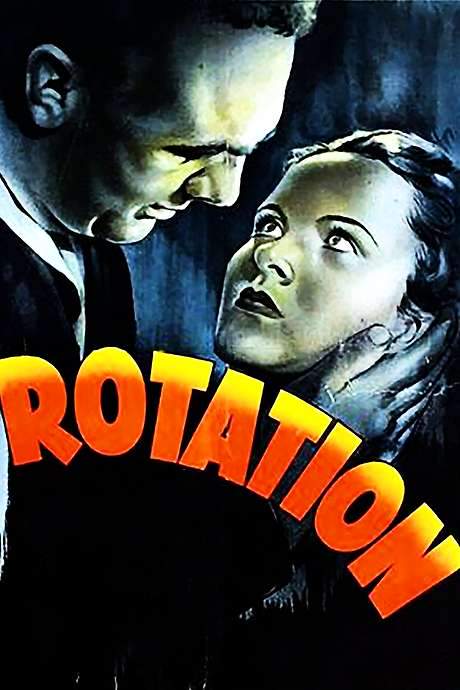
Rotation (1949) movie poster

Characters & Themes

Rotation (1949) Characters, Setting & Themes Explained

Release, runtime and language
1949 · 79 mins · German
Loading streaming availability…
Directed by
Wolfgang Staudte
Starring
Werner Peters, Reinhard Kolldehoff, Brigitte Krause, Wolfgang Kühne, Albert Venohr, Friedrich Teitge

Mechanic Behnke initially seeks Nazi Party membership, hoping it will provide a stable livelihood. When his Jewish neighbours are deported, he is forced to confront the reality of his ambitions. Claiming to be “a non‑political man,” he retreats from reality and ultimately becomes a laborer for the regime, illustrating his moral collapse.

On this page (8)
  1. 1 Where to watch
  2. 2 Characters explained (3)
  3. 3 Where & when it takes place
  4. 4 Themes & meaning (3)
  5. 5 Character & meaning questions
  6. 6 Movie threads
  7. 7 Movies like Rotation
  8. 8 Every angle
Loading streaming availability…

3 main characters · contains spoilers

Rotation Characters Explained: Who Is Who

The main characters of Rotation (1949), heroes and villains: what drives them, how they change over the course of the story and what each of them reveals about the film's bigger ideas.

  • Hans Behnke (Paul Esser)

    Hans Behnke is a factory worker who faces unemployment and political pressure in Weimar Germany and later under Nazi rule. He initially opposes Nazi ideology but joins the party to secure his family's livelihood and avoid job loss. Though he becomes entangled in the regime's machinery, he privately disagrees and secretly supports anti-war propaganda. His arc examines how ordinary people navigate moral compromise, risking consequences for their loved ones.

    • 🧑 Protagonist
    • 🧭 Moral conflict
    • 🛠️ Worker
  • Charlotte Blank Behnke (Irene Korb)

    Charlotte Behnke is Hans's wife who bears the weight of war on the home front. She endures strain from wartime upheaval and personal loss. She is killed in the war, symbolizing the civilian cost of conflict and the fragility of domestic life.

    • 💔 Family
    • 🏡 Wife
    • 🕊️ Loss
  • Hellmuth Behnke (Helmut Behnke) (Karl-Heinz Deickert)

    Hellmuth Behnke is Hans and Charlotte's son, torn between family loyalty and the regime's demands. He betrays his father by turning him in, illustrating the generational pressures under authoritarian rule. His later life hints at moving away from the past as he starts anew with his girlfriend.

    • 👦 Son
    • 🧭 Betrayal
    • 🏃‍♂️ Internal conflict

Last updated: February 19, 2026 at 09:42

Was this helpful?

Setting

Where and When Does Rotation Take Place?

The setting of Rotation (1949): the year and time period, the places and locations, and how they shape the characters, the mood and the tension of the story.

Time period

1920s and 1940s (World War II era)

The narrative moves between the 1920s, a period of high unemployment and political volatility in Germany, and the 1940s, when Berlin faces bombing and total war. These eras frame Hans Behnke’s choices, showing how economic desperation and wartime propaganda shape personal ethics. The timeline links Weimar instability to the collapse of individual responsibility under fascism.

Location

Berlin, Germany

Berlin is the central setting, a city that embodies both the everyday life of German workers and the devastation of war. The film also explores post-Weimar Germany through the 1920s and the later bombing of Berlin in World War II. The urban environment reflects the pressure to conform and the fragility of personal lives under totalitarian rule. The setting anchors the moral evolution of Hans Behnke and his family.

  • 🏙️ City
  • 🧭 Historical setting
  • 🕯️ War-torn

Last updated: February 19, 2026 at 09:42

Was this helpful?

3 major themes

Rotation Meaning: Themes & Message Explained

What is Rotation (1949) really about? The emotional, social and philosophical themes the film keeps returning to, its symbolism and the message beneath the surface.

  • Conformity

    The film examines how ordinary workers bend to a totalitarian regime in the name of stability. Hans joins the Nazi party to secure his family's future, illustrating the pressure to conform when survival is on the line. Yet the story keeps a thread of moral doubt, showing that private beliefs can diverge from public allegiance.

  • Resistance

    Despite outward conformity, the narrative exposes acts of resistance, including Hans's aid to anti-war propaganda. The tension between obedience and conscience drives risk-taking under secrecy. The eventual betrayal by a family member underscores the costs of dissent in a climate of suspicion.

  • Family

    The movie centers on the impact of political violence on a family. Hans's efforts to provide for his loved ones collide with his moral compromises. The loss of Charlotte and the complicated father–son dynamic with Helmut reveal how war fractures domestic life. The ending suggests that empathy and reconciliation can outlast the cycle of guilt.

Last updated: February 19, 2026 at 09:42

Was this helpful?

Character & theme questions

Rotation Characters & Meaning: Your Questions Answered

The questions people ask about Rotation (1949): who the characters really are, their relationships, what the symbols mean, where it takes place and what the movie is really about. Each answer contains spoilers.

Q1

Where is the movie set?

Rotation is set primarily in Berlin, Germany. The film depicts the city during two distinct periods: the unstable Weimar Republic era of the 1920s and the wartime years of World War II. Berlin serves as both the everyday backdrop of German working-class life and a symbol of the devastation wrought by Nazi rule and Allied bombing.

  • berlin
  • germany
  • setting
  • location
  • world war ii
Q2

What time period does the story cover?

The narrative spans from the 1920s through the 1940s, moving between the economic chaos of Weimar Germany and the era of total war under Nazi rule. This timeframe shows how the political and economic instability of the interwar period created conditions that led ordinary people to compromise their morals.

  • 1920s
  • 1940s
  • weimar
  • world war ii
  • time period
  • era
Q3

What are the main themes explored in the film?

The film centers on three interconnected themes: conformity to totalitarian rule, acts of resistance against oppression, and the fracturing of family bonds during war. These themes explore how ordinary people navigate moral compromise when survival is at stake, and how political violence ripples through domestic life.

  • themes
  • conformity
  • resistance
  • family
  • moral compromise
Q4

How does the film address conformity?

Rotation examines how ordinary workers yielded to Nazi rule in pursuit of stability. The protagonist Hans Behnke joins the Nazi party not out of ideology but to secure employment and protect his family. The film shows how economic desperation and wartime propaganda pressure individuals to set aside personal ethics for survival.

  • conformity
  • nazi party
  • political pressure
  • survival
  • ideology
Q5

What role does family play in the story?

Family is central to the film's emotional core. Hans's desire to provide for his wife Charlotte and son Hellmuth drives his moral compromises. The war destroys domestic life, Charlotte is killed, and family loyalty is tested when Hellmuth betrays his father to the regime. The ending suggests that empathy and reconciliation can endure despiteGuilt and loss.

  • family
  • charlotte
  • hellmuth
  • betrayal
  • reconciliation
Q6

Who is Hans Behnke?

Hans Behnke is the protagonist, a factory worker in Berlin who faces unemployment during the Weimar era and pressure under Nazi rule. He initially opposes Nazi ideology but joins the party to secure his family's livelihood. Despite becoming entangled in the regime's machinery, he privately harbors doubts and secretly supports anti-war propaganda, illustrating the moral conflict of an ordinary man under totalitarian pressure.

  • hans behnke
  • protagonist
  • factory worker
  • nazi party
  • moral conflict
Q7

Who is Charlotte Behnke?

Charlotte Blank Behnke is Hans's wife, representing the civilian burden of war on the home front. She endures the strain of wartime upheaval and personal loss throughout the conflict. Her death during the war symbolizes the tragic cost of conflict on ordinary families and underscores the fragility of domestic life under total war.

  • charlotte behnke
  • wife
  • civilian
  • home front
  • death
Q8

Who is Hellmuth Behnke?

Hellmuth Behnke is Hans and Charlotte's son, caught between family loyalty and the demands of the Nazi regime. He ultimately betrays his father by turning him in to authorities, reflecting the generational pressures and ideological coercion faced by young people under authoritarian rule. His later life suggests a desire to break from the past and start anew.

  • hellmuth behnke
  • son
  • betrayal
  • generation
  • regime
Q9

Why does Hans join the Nazi party?

Hans joins the Nazi party primarily for practical reasons: to secure stable employment and protect his family's livelihood during severe economic depression and later wartime conditions. His motivation is survival rather than ideological belief, which is why he remains privately skeptical of Nazi doctrine while publicly conforming.

  • hans
  • nazi party
  • motivation
  • employment
  • survival
  • economic pressure
Q10

How does the film portray resistance against the regime?

The film shows that resistance exists even among those who outwardly conform. Hans secretly supports anti-war propaganda despite his party membership, demonstrating how private beliefs can diverge from public allegiance. However, the narrative also shows the high cost of dissent, as betrayal by a family member leads to serious consequences in a climate of suspicion.

  • resistance
  • anti-war
  • propaganda
  • dissent
  • betrayal
  • secret
Q11

What is Berlin like in the film?

Berlin in Rotation is depicted as a city under immense pressure, reflecting both the everyday struggles of German workers and the mounting devastation of war. The urban environment visually represents the pressure to conform to Nazi rule and the fragility of personal lives under totalitarian control. The bombings of World War II further highlight the city's descent into ruin.

  • berlin
  • urban
  • war-torn
  • city
  • environment
  • pressure

Movie threads

More Movies Like Rotation, by Mood & Story

Curated lists built around what makes Rotation tick: the same mood, the same kind of story or the same emotional payoff. Each list explains why these movies belong together.

Movies about moral compromise like Rotation

Stories of individuals forced to betray their conscience for survival. If you were captivated by the moral dilemmas in Rotation, explore these other films that depict characters grappling with their conscience under political oppression. These stories share a dark tone, heavy emotional weight, and focus on the personal cost of ideological compliance.

  • oppressive
  • somber
  • moral conflict
  • claustrophobic
  • tense
  • melancholic
  • Tone: dark, somber, tense
  • Pacing: steady, methodical
Why these movies?

The story pattern: Narratives in this thread typically follow a protagonist who initially believes they can navigate an oppressive system unscathed. Through a series of escalating events, their principles are chipped away, leading to acts of complicity or betrayal. The journey is less about external action and more about an internal collapse, often ending with a stark realization of the personal cost.

Why they belong together: These films are grouped together because they prioritize psychological realism and moral conflict over plot-driven action. They share a dark, oppressive atmosphere, a steady pacing that allows for character depth, and a focus on the devastating personal consequences of political conformity.

Slow burn psychological dramas like Rotation

Character studies where tension builds to a devastating moral reckoning. Fans of Rotation's methodical pacing and focus on internal conflict will appreciate these films. They are characterized by a high-tension, somber atmosphere and a heavy emotional impact, exploring how external pressures lead to a character's gradual undoing.

  • slow burn
  • psychological
  • tense
  • somber
  • moral conflict
  • claustrophobic
  • Tone: dark, tense, melancholic
  • Pacing: steady, slow burn
Why these movies?

The story pattern: The narrative pattern involves a central character facing a series of ethical challenges that gradually strip away their initial convictions. The plot unfolds through vignettes or sustained pressure, emphasizing the internal struggle over external events. The climax is typically a moment of profound personal failure or sobering clarity, resulting in a bittersweet or bleak resolution.

Why they belong together: These movies are united by their shared commitment to a slow-burn approach that prioritizes character depth over plot speed. They create a cohesive viewing experience through a consistently dark tone, high emotional intensity, and a focus on the grim reality of difficult choices.

If you liked this

Movies Like Rotation

Similar movies to Rotation: the same genre, themes or kind of story. Each one comes with its own plot summary, timeline and ending explained.

Browse all movie summaries

Every angle

Rotation (1949) Explained: Plot, Timeline & Characters

Everything about Rotation in one place: what happens in the plot summary, the timeline in chronological order, the characters and meaning and a spoiler-free summary. What's After the Movie adds the cast, box office and post-credit scenes.

Coming soon on iOS and Android

The Plot Explained Movie Summary App

Plot summaries, endings explained and timelines on your phone. Catch up on any movie in minutes, save your favorites and never miss a twist again.

Be the first to know when we launch. Your email stays private, always.

Learn more about the app