Max Fleming, James Roday Rodriguez, is a graduate student who has developed a powerful cloning machine for the egotistical Dr. Jonas Eugene Levy. Jonas, eager to claim all credit for the breakthrough, leaves Max toiling in obscurity while he publicizes the discovery. The tension between creator and inventor sets the stage for a sharp, character-driven exploration of ambition, ethics, and desire within a university landscape that blends science with vanity.
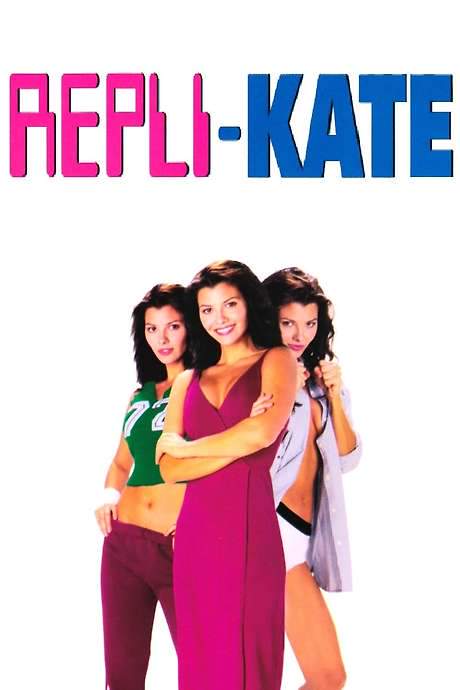
One day, Max crosses paths with Kate Carson, Ali Landry, a young and ambitious magazine reporter who is preparing a story on the university’s cloning research. During the interview, Kate accidentally cuts herself, and a few drops of her blood mingle with one of the cloning samples. Later that night, Max runs a test of the machine, and to his astonishment, the device yields a perfectly formed replicate of Kate, whom he names Repli-Kate. The discovery throws Max into a whirlwind of possibilities and questions about identity, consent, and what it means to be “the real thing.”
Repli-Kate is fully adult, effectively the same age as Kate, but she starts with no knowledge of the world or the people around her. Max and his roommate Henry, Desmond Askew, set out to educate her—but they do so from a distinctly male perspective. Their plan is to fashion the “perfect woman” according to their own fantasies: someone who drinks beer, loves sports, and embodies a certain aggressive confidence. As Repli-Kate grows into this crafted image, she becomes Max’s girlfriend, complicating the line between adoration and manipulation. Yet as Max looks at the created ideal, he comes to a troubling realization: the woman he truly desires isn’t Repli-Kate at all, but Kate herself.
Across the campus, Dr. Jonas learns of Repli-Kate’s existence and moves quickly to seize both her and the original Kate. He intends to unveil a dramatic demonstration of human cloning before an international audience, turning his laboratory achievement into a global spectacle and commercial triumph for his invention. The unfolding conflict pulls Max and Henry into a desperate plan to halt Jonas’s showcase and protect Kate and Repli-Kate from a future dictated by a single scientist’s ego.
In a bid to turn the tables, the two friends create a new clone—Repli-Jonas—using the same technology, and the plan hinges on generating enough confusion to rescue the two women. The ruse buys them time and reveals the fragility of identity when copies begin to outpace the originals. The rescue succeeds, but the consequences ripple through the university’s cloning program and its control over the narrative surrounding the invention.
Jonas and his newly created clone, Repli-Jonas, are then subjected to the very system they sought to manipulate, as they are sent to a cloning research lab to serve as test subjects. With the dust barely settling, Max inherits control of the university’s cloning lab, and his enhanced cloning chamber catapults him to fame and financial success, shifting the power dynamics on campus and in his personal life. As professional triumph grows, so do personal entanglements: Max and Kate fall in love, and Henry and Repli-Kate deepen their own connection, complicating the already tangled web of relationships.
Repli-Jonas, however, manages to escape, leaving Felix Todd Robert Anderson to wonder about the next move. The final image lingers on a provocative, unsettling note: Repli-Jonas stands as the new president, delivering a chillingly simple, single-word discourse—the recurring, almost absurd “penis.” The film closes on this bizarre crest of irony, leaving audiences to ponder the ethical costs of replication, the hollow promises of perfected desire, and the uncertain line between creator and creation.