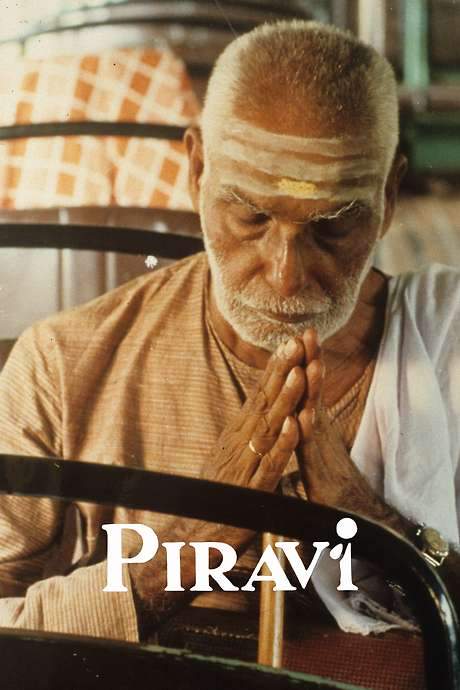
The film opens with a determined, young lawyer who reopens a long-closed case, insisting that the man punished for a brutal rape and murder was innocent and had no fault of his own. When the court demands proof, she reveals herself as the daughter of that man, setting a tense, emotional stage for a battle over truth, memory, and justice.
We are then drawn into the life of Anantaramaiah, a man with an intellectual disability who comes from a family of army workers and longs to continue in the same line of work. He owns a rickshaw and works hard to feed himself and his daughter, a child who glows with hope and imagination. Their world is small but bright, anchored by a dream: to buy a toy plane that the daughter adores. The daughter is seen as a beacon of warmth in his life, with Yuvina Parthavi bringing the young Puttalakshmi to life in those early scenes.
Their life is simple and happy, centered on shoring up enough money to realize that toy-plane dream. But fate threads a bitter note into their days when a shop nearby catches the daughter’s eye, and a plane she desires is bought by another girl—namely, the police chief’s daughter—creating an uneasy tension over possession and pride. The next day, the man is approached again by the same girl, who offers to guide him to another shop that could have a similar plane, a small act of kindness that contrasts with the mounting darkness around them.
Tragically, the same girl is found dead, and a live sighting of a crime by a witness sets off a catastrophic chain of events. The man is accused of rape and murder, arrested, and his daughter is forced to leave home. She ends up in a charity school, yet his memory haunts her and binds her to his side in spirit and resolve. The jailer in charge and the man’s cellmates come to understand that he was trying only to provide first aid and care, not harm, and they show him mercy even as danger and fear swirl around them.
A chilling threat from the dead girl’s father—demanding that the man confess his guilt or face the loss of his daughter—adds pressure to the courtroom drama. The man ultimately confesses in court, accepting punishment and a death sentence that many readers would call unjust. In the aftermath, the jailer who has endured personal pain of his own chooses to adopt the daughter, giving her a chance at a different future and encouraging her to chase her own dreams of the law.
Years roll by, and the daughter grows into a capable, bold lawyer who uses the truth and the weight of evidence to push back against a verdict that never sat right. The trail she follows leads back to her father’s case, a fight that culminates in a formal recognition of innocence. In this turn of events, the daughter—now a professional advocate—becomes the instrument through which her father’s name is cleared, and the gratitude she feels is shared with the people who stood by them.
In the end, the story underscores the enduring power of mercy, the stubborn endurance of truth, and the belief that justice can prevail when a daughter fights for her father’s name. The courtroom becomes a stage for healing, a reminder that families can redefine tragedy through courage, persistence, and an unwavering commitment to what is right.
- Grownup Puttalakshmi Rachita Ram rises as a lawyer who takes up the case anew to prove her father’s innocence and restore a legacy of justice.
- Young Puttalakshmi Yuvina Parthavi marks the early, hopeful chapter of the daughter’s life, a beacon through which the story’s moral compass is guided.