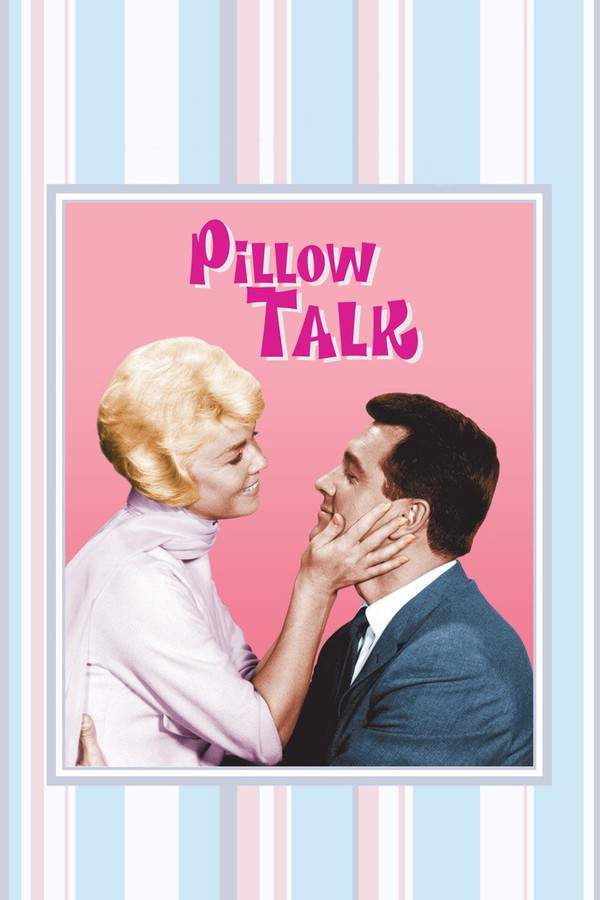
Pillow to Post

Pillow to Post

Year: 1945

Runtime: 92 mins

Language: English

Director: Vincent Sherman

Comedy

Amid wartime shortages, Jean of Howard Oil Supply is forced onto the road after the draft empties the firm’s sales staff. She gets a deal with the oil firm and persuades Lt. Mallory to pose as him, letting her live in Clayfield. Their ruse collapses when his officer thinks they’re married, and the arrival of Don’s mother and Jean’s father complicates.

Warning: spoilers below!

Haven’t seen Pillow to Post yet? This summary contains major spoilers. Bookmark the page, watch the movie, and come back for the full breakdown. If you're ready, scroll on and relive the story!

Timeline & Setting – Pillow to Post (1945)

Explore the full timeline and setting of Pillow to Post (1945). Follow every major event in chronological order and see how the environment shapes the story, characters, and dramatic tension.

Time period

1940s (World War II)

Set during World War II, the story reflects a home-front atmosphere of patriotism and social upheaval. Jean volunteers to replace wartime shortages by stepping into a sales role for an oil-rig supply company, highlighting women's evolving participation in the workforce. The era's expectations and military presence fuel the stakes of the charade and the looming consequences of exposure.

Location

Colonial Auto Court, Otley's Residence

The action centers on the Colonial Auto Court, a bungalow-style lodging built for couples serving in the war effort. Jean and Don's masquerade unfolds within this close-knit, array of rooms and shared spaces, where proximity amplifies the risk of exposure. The nearby Otley residence provides the social scrutiny that drives much of the comedy and tension.

🏨 Wartime lodging 🚗 Auto court 🏠 Suburban residence

Last Updated: October 04, 2025 at 18:12

Main Characters – Pillow to Post (1945)

Meet the key characters of Pillow to Post (1945), with detailed profiles, motivations, and roles in the plot. Understand their emotional journeys and what they reveal about the film’s deeper themes.

Jean Howard (Ida Lupino)

A socialite who volunteers to replace wartime salesmen, she improvises a marriage ruse to secure lodging and business. Witty, quick-thinking, and capable of stepping into new roles, she navigates romance and social scrutiny with growing resolve. Her actions reveal both resilience and a longing for authentic partnership.

💃 Determined 🧭 Resourceful 💖 Romantic

Lieutenant Don Mallory (William Prince)

A principled young officer who agrees to the deception to help his unit and gain a day off. He balances duty with an emerging protective, caring side for Jean, even as their staged marriage becomes more complicated. His loyalty and restraint drive much of the film's humor and tension.

🎖️ Duty 🧭 Loyal 💼 Officer

Colonel Michael Otley (Sydney Greenstreet)

A demanding, high-ranking officer who lives nearby and becomes suspicious about the couple's arrangement. He uses his authority to probe the bond between Jean and Don, and his insistence on proper conduct creates several comedic near-disasters. He embodies the wartime establishment and its scrutiny of personal morality.

🛡️ Authority 🎖️ Military 🗣️ Authoritative

Lucille, Colonial Auto Court Porter (Willie Best)

A male auto court employee serving the colony of rooms and guests. His practical knowledge of the auto court and his candid humor provide critical social commentary and help reveal the truth at key moments. He often acts as the voice of pragmatic realism in the farce.

👔 Service worker 🎭 Comic relief 🕶️ Wry

Mrs. Grace Wingate (Ruth Donnelly)

A socially connected resident whose conversation and curiosity amplify the social stakes. She embodies the gossiping circle that scrutinizes appearances and private affairs. Her presence heightens the sense of a community watching the couple's every move.

💬 Gossip 🏛️ Socialite 🗣️ Talkative

Captain Jack Ross (Stuart Erwin)

Don's commanding officer who also becomes entangled by the couple's ruse. His presence adds a layer of military oversight to the domestic comedy, reminding the characters of the broader order they are jokingly subverting. He represents discipline within the chaos of wartime life.

🗣️ Commanding 🛡️ Protective 🧭 Loyal

Mrs. Kate Otley (Barbara Brown)

Colonel Otley's wife and social anchor in town. She hosts gatherings that test Jean and Don's cover and showcases how hospitality, propriety, and vanity intersect in wartime society. Her presence escalates the social pressure on the pair.

🏡 Hostess 🗣️ Socialite 🕵️‍♀️ Curious

Earl 'Slim' Clark (Johnny Mitchell)

A prospective client whom Don takes Jean to entertain; a chaotic dinner scene arises when a drunk acquaintance complicates the evening. His role highlights the social networking and business diplomacy of the era, often with comic misfires.

💬 Prospective client 🥃 Drunk scene 🃏 Comic foil

Gertrude Wilson (Joyce Compton)

A social figure who contributes to the town's external appearances and the moral puzzle of the couple's ruse. Her presence adds to the mosaic of relationships scrutinizing the couple's legitimacy.

🗣️ Gossip 👗 Socialite 🧭 Observant

Doris Wilson (Sue Moore)

A neighborly presence whose observations reflect the community's ongoing interest in the couple's deception. She serves as a quiet counterpoint to the more flamboyant furniture of social life.

🗨️ Neighbor 👀 Observant 🫧 Subtle

Loolie Fisher (Carol Hughes)

An uncredited character who interacts with the auto court crowd, contributing to the lively environment and the chain of reactions that propel the plot forward.

🔎 Onlooker 🗣️ Friend 🧩 Supporting

Alex, Coast Oil Flunky (Grady Sutton)

An assistant at the oil company who embodies the everyday workforce behind the war economy. His presence helps ground the story in the economic realities of the time.

🧰 Worker 🗣️ Minor role 🧭 Everyday

Clayfield Taxi Driver (Frank Orth)

A taxi driver who moves the plot from one social setting to another, sometimes adding a punchline with his blunt observations. He highlights the mobility and hustle of wartime urban life.

🚕 Driver 🗨️ Quick-witted 🃏 Sidekick

Mrs. Mallory (Regina Wallace)

Don's mother, who arrives unexpectedly and intensifies the family dimension of the comic situation. She adds another layer of propriety and concern for the son's reputation.

💬 Interfering relative 🏛️ Authority 🧭 Protective

Louis Armstrong (Orchestra Leader)

A cameo featuring Armstrong as the orchestra leader, providing musical interludes that punctuate the film's wartime atmosphere. His presence underscores the era's entertainment culture.

🎺 Music 🕺 Entertainer 🧭 Cultural icon

Dorothy Dandridge (Herself - Vocalist)

A cameo appearance by Dorothy Dandridge as a vocalist, contributing to the film's lively atmosphere and wartime entertainment vibe.

🎤 Performer 🕊️ Entertainer 🎵 Stage presence

Wilbur (Uncredited)

A minor, uncredited character who adds to the general sense of a bustling war-time community and helps propel the plot toward its resolution.

🔹 Minor character 🕵️ Witness 🧩 Supporting

Last Updated: October 04, 2025 at 18:12

Major Themes – Pillow to Post (1945)

Explore the central themes of Pillow to Post (1945), from psychological, social, and emotional dimensions to philosophical messages. Understand what the film is really saying beneath the surface.

🎭 Deception

Deception drives the plot as Jean and Don pretend to be newlyweds to secure lodging and business. The lie requires constant upkeep, with each social encounter threatening discovery. Their manufactured closeness gradually reveals genuine feelings and personal limits. The tension mounts as Otley and others circle closer to the truth.

🎖️ Duty & Patriotism

Jean's decision to join the war effort and Don's willingness to go along reflect the era's call to service. The story uses humor to examine how duty can clash with personal desires. Loyalty to colleagues, family, and country shapes the couple's choices. The insurance scheme and work-for-the-war-effort backdrop underscore this theme.

💘 Romance Under Pressure

The masquerade catalyzes a genuine romantic tension between Jean and Don. As their fake marriage deepens, real feelings complicate the ruse and threaten to spill into the open. The plot tests whether love can survive truth-telling after a web of lies. The ballroom and dinner scenes intensify this emotional conflict.

👗 Gender Roles & Social Pressure

The film mirrors wartime shifts in gender expectations as Jean steps into a resourceful role to support the war effort. Social propriety, class status, and family expectations propel the comedy and conflict. Protagonists navigate a world where appearance and reputation can overshadow genuine connection. The story lightheartedly critiques these norms while keeping the romance intact.

Last Updated: October 04, 2025 at 18:12

Unlock the Full Story of Pillow to Post

Don't stop at just watching — explore Pillow to Post in full detail. From the complete plot summary and scene-by-scene timeline to character breakdowns, thematic analysis, and a deep dive into the ending — every page helps you truly understand what Pillow to Post is all about. Plus, discover what's next after the movie.

Pillow to Post Summary

Read a complete plot summary of Pillow to Post, including all key story points, character arcs, and turning points. This in-depth recap is ideal for understanding the narrative structure or reviewing what happened in the movie.

Pillow to Post Summary

Pillow to Post Timeline

Track the full timeline of Pillow to Post with every major event arranged chronologically. Perfect for decoding non-linear storytelling, flashbacks, or parallel narratives with a clear scene-by-scene breakdown.

Pillow to Post Timeline

More About Pillow to Post

Visit What's After the Movie to explore more about Pillow to Post: box office results, cast and crew info, production details, post-credit scenes, and external links — all in one place for movie fans and researchers.

More About Pillow to Post