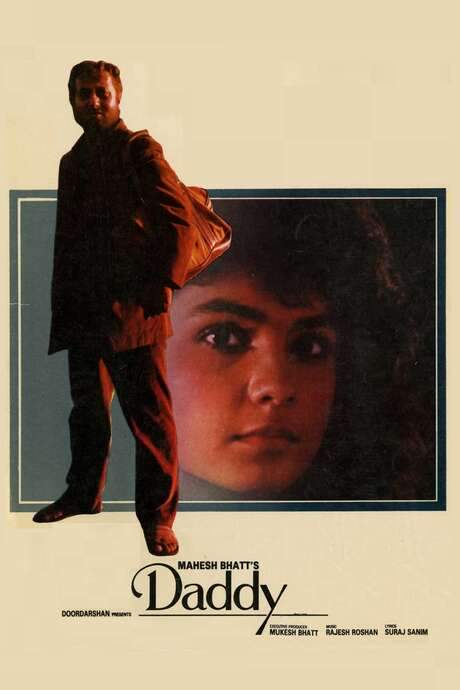
Year: 1983
Runtime: 100 mins
Language: Chinese
Director: Kan Ping Yu
A poor army veteran in Taiwan adopts a daughter. She grows up and leaves him to enter show business. When she becomes famous she shuns her father and friends.
Warning: spoilers below!
Haven’t seen Papa, Can You Hear Me Sing? yet? This summary contains major spoilers. Bookmark the page, watch the movie, and come back for the full breakdown. If you're ready, scroll on and relive the story!
Read the complete plot breakdown of Papa, Can You Hear Me Sing? (1983), including all key story events, major twists, and the ending explained in detail. Discover what really happened, and what it all means.
A weathered, speech-impaired army veteran works as a bottle collector and lives in a shanty ghetto with a woman who relies on him to bring back a bottle of saki each evening. One morning, during a collection run, he discovers an abandoned baby girl in a basket with a note that reads “Please give baby Mei a good home.” He brings Mei home to raise as his own.
As Mei joins their modest world, his companion grows visibly upset with the extra mouth to feed and the attention lavished on the child. The next evening, to keep Mei fed, the man chooses a can of powdered condensed milk over his beloved saki. When he returns, his companion strikes him, bruising his eye, and the very next night she leaves him a note and exits, leaving Mei in the care of a willing neighbor. The routine of deprivation and precarious care continues, yet the neighbors rally around Mei, offering warmth and protection that helps her grow.
Mei blossoms into a beautiful young woman, and she crosses paths with a singer–songwriter who drifts through the local bar scene as a duo. Their music draws attention, and a record producer-manager spots them, envisioning a future built on Mei’s voice. But the producer wants Mei alone, not her partner, and the couple’s dreams begin to tilt toward a larger stage.
Mei signs a contract with the producer as her manager, and her image is reinvented to mask her native roots and Taiwanese Hokkien origins. The narrative paints her as the daughter of a wealthy, respectable family that has emigrated to the United States, with Mei deciding to stay behind to pursue a solo singing career. As her fame surges, her boyfriend, her father, and her friends watch from the wings as the world around Mei changes. Neighbors murmur about the loss of the girl they once protected, and the party thrown by her manager becomes a stage where the past is denied and Mei’s bond with her father is overshadowed.
When Mei returns to visit, she is confronted by the reality that the ghetto has been forcibly demolished by city authorities and relocated. A twist of fate brings Mei into contact with the father’s former companion from twenty years earlier, a reunion that hints at past connections neither fully understands. The father, meanwhile, sinks into despair, reflecting on the years he spent raising Mei. Depression and hypertension take their toll as he watches Mei’s concert on television with the neighbors by his side. He collapses and is taken to the hospital, dying before Mei can reach him. His widowed neighbour, with whom he has grown intimate, rushes to the hospital in hopes of catching a final moment with Mei, but she arrives too late, and the moment remains heartbreakingly unresolved.
In the wake of these losses, Mei faces a poignant reckoning with fame and family. She returns to the stage with a renewed sense of obligation to those who cared for her, and when she sings at the end, it’s with a tenderness that honors the man who raised her. The film closes on a somber, aching note, as Mei gives voice to a personal memory in a song that encapsulates a life built from battered bottles, stubborn hope, and the enduring power of love.
Any empty bottles for sale?
Last updated: October 09, 2025 at 14:49
Explore frequently asked questions about Papa, Can You Hear Me Sing? (1983) with spoiler-rich answers covering the full plot summary, major story beats, character motivations, hidden details, and ending meaning. This movie summary FAQ helps explain confusing scenes, plot twists, and narrative decisions in clear, searchable detail.
The bottle collector chose condensed milk for Mei because he wanted to ensure the baby was fed, even though it meant sacrificing the saké he loved. This decision symbolized his prioritization of Mei's survival over his own modest pleasures and marked the beginning of tension with his companion, who resented the extra responsibility.
This early sacrifice sets up the film's central theme of parental devotion at great personal cost.
Mei didn't intentionally abandon her father, she was seduced by the opportunity for success and the glamour of a new identity. The producer convinced her that hiding her poor background and Taiwanese roots would make her more marketable as the daughter of wealthy emigrants. As her fame grew, she got caught up in the lifestyle and distance naturally formed.
The producer's deal, which required her to reject her roots, planted the seeds for her estrangement.
The producer-manager wanted to create a marketable image that would appeal to a broader audience. He reframed Mei as the daughter of a wealthy family that emigrated to the United States, believing that a sophisticated backstory would sell better than her true origins as a child raised in a Taiwanese shanty ghetto.
This manufactured identity directly causes the rift between Mei and her community.
The father died from a combination of depression and hypertension (high blood pressure). Years of raising Mei in poverty, combined with the emotional pain of watching her reject her roots and deny their relationship publicly, caused his health to deteriorate. He collapsed while watching her concert on television.
His declining health mirrors the erosion of his relationship with Mei throughout her rise to fame.
"Any empty bottles for sale?" was the familiar refrain the father called out as a bottle collector. Mei's final tribute song uses this phrase to honor him, connecting her professional success to the humble life he led. The title becomes a symbol of their bond and his sacrifice.
The father's daily collection routine foreshadows the song that commemorates his life.
The companion left because she was upset about the added burden of caring for baby Mei in their already impoverished life. When the veteran brought back condensed milk instead of saké, a sign of his shifted priorities, she reacted violently (bruising his eye) and then left a note and exited, abandoning both him and the child.
This abandonment establishes the theme of sacrifice and the neighbors stepping in to fill familial roles.
The ghetto was forcibly demolished by city authorities, and its residents were relocated. When Mei tried to visit her father after becoming famous, she discovered the neighborhood had already been destroyed and its people scattered.
The demolition represents the erasure of Mei's past and the physical breaking of her connection to her roots.
Mei was performing in a concert when her father collapsed from depression and hypertension. By the time she received the news and rushed to the hospital, he had already died. The timing of her professional commitment directly prevented her from being present in his final moments.
This tragic timing underscores the cost of her choices to pursue fame over family.
The father collapsed from the combined physical and emotional stress of watching his daughter perform on television while knowing she had publicly denied their relationship. The stress of years raising her alone, her abandonment, and the public humiliation proved too much for his health, triggering a fatal cardiac event.
His collapse is the tragic payoff of watching Mei's success come at the cost of their bond.
The woman was the father's former companion from twenty years earlier, the same woman who left him when he adopted Mei. She reappeared after the ghetto was demolished, asking about a friend neither she nor Mei fully understood, hinting at unresolved past connections.
This brief reunion suggests the father had lasting ties that Mei never knew about.
Discover curated groups of movies connected by mood, themes, and story style. Browse collections built around emotion, atmosphere, and narrative focus to easily find films that match what you feel like watching right now.
Emotional stories exploring the profound, often painful love between fathers and daughters.If you were moved by the profound bond in Papa, Can You Hear Me Sing?, explore other movies that delve into the complexities of father-daughter relationships. These similar dramas often feature themes of sacrifice, distance, and bittersweet love, providing a deeply emotional viewing experience.
Stories in this thread typically follow a linear path from a close, protective bond to a painful separation, often caused by external forces like ambition or societal pressures. The emotional core revolves around the father's quiet sacrifice and the daughter's journey of self-discovery, culminating in a moment of poignant reflection or reconciliation.
These films are grouped together because they share a focus on the deeply emotional and often tragic dynamic of a father-daughter relationship. They consistently evoke a melancholic, reflective mood through slow pacing and a straightforward narrative that prioritizes character-driven emotion over complex plotting.
Stories where achieving dreams comes at the painful price of personal connections.For viewers who appreciated the theme of fame creating distance in Papa, Can You Hear Me Sing?, this section highlights similar movies about the price of success. Discover other poignant stories where characters grapple with the loss of their past lives and relationships after achieving their dreams.
The pattern involves a protagonist rising from humble beginnings to a position of prominence. Their ascent is paralleled by a growing emotional chasm with their original family or community. The conflict is internal and relational, focusing on the guilt, loneliness, and inevitable reckoning that follows their success, leading to a bittersweet conclusion.
These movies are united by their exploration of the classic 'rags to riches' trope with a critical, melancholic lens. They share a heavy emotional weight, a slow, reflective pace that allows the pain of loss to resonate, and a central theme that questions whether professional achievement is worth personal sacrifice.
Don't stop at just watching - explore Papa, Can You Hear Me Sing? in full detail. From the complete plot summary and scene-by-scene timeline to character breakdowns, thematic analysis, and a deep dive into the ending - every page helps you truly understand what Papa, Can You Hear Me Sing? is all about. Plus, discover what's next after the movie.
Track the full timeline of Papa, Can You Hear Me Sing? with every major event arranged chronologically. Perfect for decoding non-linear storytelling, flashbacks, or parallel narratives with a clear scene-by-scene breakdown.
Discover the characters, locations, and core themes that shape Papa, Can You Hear Me Sing?. Get insights into symbolic elements, setting significance, and deeper narrative meaning - ideal for thematic analysis and movie breakdowns.
Discover movies like Papa, Can You Hear Me Sing? that share similar genres, themes, and storytelling elements. Whether you’re drawn to the atmosphere, character arcs, or plot structure, these curated recommendations will help you explore more films you’ll love.
Papa, Can You Hear Me Sing? (1983) Scene-by-Scene Movie Timeline
Papa, Can You Hear Me Sing? (1983) Movie Characters, Themes & Settings
Papa, Can You Hear Me Sing? (1983) Spoiler-Free Summary & Key Flow
Movies Like Papa, Can You Hear Me Sing? – Similar Titles You’ll Enjoy
Daddy You, Daughter Me (2017) Detailed Story Recap
Long Time No Sea (2018) Spoiler-Packed Plot Recap
I Hear You (1000) Detailed Story Recap
Daddy (2001) Full Summary & Key Details
My Father and I (2003) Ending Explained & Film Insights
Papa (2005) Complete Plot Breakdown
Pao’s Story (2006) Detailed Story Recap
Daddy (1989) Spoiler-Packed Plot Recap
My Father’s Violin (2022) Ending Explained & Film Insights
Father and Son (1981) Spoiler-Packed Plot Recap
A Song Sung Blue (2023) Movie Recap & Themes
Mama’s Affair (2022) Ending Explained & Film Insights
Father, Mother, Child (1996) Full Summary & Key Details
I Never Sang for My Father (1970) Full Summary & Key Details
My Father Is on the Tree (1969) Complete Plot Breakdown