
Plot Explained Spoilers guaranteed!
Plot Explained

Browse by genre

No Down Payment (1957) movie poster

Characters & Themes

No Down Payment (1957) Characters, Setting & Themes Explained

Release, runtime and language
1957 · 105 mins · English
Directed by
Martin Ritt
Starring
Pat Hingle, Sheree North, Joanne Woodward, Cameron Mitchell, Robert H. Harris, Mimi Gibson

In a Southern‑California housing development, the marital troubles of four couples become tangled. Jerry Flagg, a ne’er‑do‑well, struggles with his long‑suffering wife Isabelle; flirtatious Leola Boone endures the cruelty of her husband Troy; diligent Herman Kreitzer leans on his supportive wife Betty; and newlyweds Jean and David Martin try to navigate their new life together.

On this page (8)
  1. 1 Where to watch
  2. 2 Characters explained (8)
  3. 3 Where & when it takes place
  4. 4 Themes & meaning (3)
  5. 5 Character & meaning questions
  6. 6 Movie threads
  7. 7 Movies like No Down Payment
  8. 8 Every angle

Where to watch

Where to Watch No Down Payment (1957)

Where can you watch No Down Payment? Stream, rent or buy it in the US: current JustWatch availability with up-to-date prices.

Streaming availability powered by JustWatch

8 main characters · contains spoilers

No Down Payment Characters Explained: Who Is Who

The main characters of No Down Payment (1957), heroes and villains: what drives them, how they change over the course of the story and what each of them reveals about the film's bigger ideas.

  • David Martin (Jeffrey Hunter)

    An electrical engineer with sharp technical skill who values steady, proven work. He wrestles with money troubles and the urge to stay within his comfort zone, even as his wife pressures him to switch to sales for financial security. His calm, methodical nature often clashes with the heated social tensions around him, making him a focal point for how suburban life tests competence and resilience.

    • 💡 Engineer
    • 💰 Financial Pressure
    • 🧭 Pragmatic
  • Jean Martin (Patricia Owens)

    David's wife who pushes for a more lucrative career path to stabilize the family finances. She anchors practical concerns and seeks security within the pressures of suburban life. Her perspective reveals the strain of balancing affection with economic necessity, and her influence shapes the couple's choices amid mounting difficulties.

    • 💞 Partner
    • 💼 Financial Pressure
    • 🧭 Pragmatic
  • Leola Boone (Joanne Woodward)

    Troy's unhappy and restless wife who longs for a child and a fuller life beyond the confines of their suburban role. She embodies theUnused tension of a life that feels predetermined by neighborhood norms. Leola's decision to leave underscores the personal costs of living under a scrutinizing community and the limits of fulfillment within marriage.

    • 💔 Unhappiness
    • 🧭 Restlessness
    • 🏡 Suburban Pressure
  • Troy Boone (Cameron Mitchell)

    A war veteran clinging to his past achievements while chasing the position of police chief. His ambition is tempered by alcohol and a volatile temper, making him prone to reckless actions. Troy's pursuit of status exposes the fragility of authority and the ways personal insecurities spill into family life and neighborhood relations.

    • ⚖️ Ambition
    • 🥃 Alcoholism
    • 🗣️ Volatility
  • Jerry Flagg (Tony Randall)

    A heavy-spending auto salesman whose debt and 'make it big' schemes threaten his own family and the community's stability. His pushes and provocations test the patience and loyalty of his spouse and neighbors. Jerry embodies the lure and danger of quick success in a tightly wound suburban environment.

    • 💸 Debt
    • 🥃 Excess
    • 🗣️ Manipulation
  • Isabelle Flagg (Sheree North)

    Jerry Flagg's wife, who endures her husband's inappropriate advances and the social scrutiny that follows. She navigates a precarious balance between propriety and personal dignity in a judgmental neighborhood. Isabelle's experiences reflect the emotional weight carried by those trapped in troubled marriages within a tight-knit community.

    • 💞 Marriage
    • 🗣️ Gossip
    • 🧭 Resilience
  • Herman Kreitzer (Pat Hingle)

    Owner of a neighborhood appliance store who values his employees and their ambitions, including Iko's wish to move into Sunrise Hills. He embodies the sometimes cautious, status-conscious perspectives of suburban leaders who must navigate race, inclusion, and community harmony. Kreitzer's choices highlight the dilemmas of balancing business interests with evolving social norms.

    • 🏢 Suburban Business
    • ⚖️ Bias
    • 🤝 Community
  • Iko (Aki Aleong)

    A valued employee who dreams of joining Sunrise Hills with his wife, challenging the suburb's racial boundaries. Iko represents the push for inclusion amid resistance, illustrating how personal aspirations collide with collective prejudice. His presence tests the neighborhood's willingness to welcome new residents and broaden its definition of community.

    • 🌍 Mobility
    • 🧭 Racial Bias

Last updated: October 04, 2025 at 17:34

Was this helpful?

Setting

Where and When Does No Down Payment Take Place?

The setting of No Down Payment (1957): the year and time period, the places and locations, and how they shape the characters, the mood and the tension of the story.

Time period

1950s

The story unfolds in the postwar era, when veterans returned home and a suburban housing boom reshaped American life. Financial strain and social expectations challenge the promise of middle-class security. Racial bias and education-based gatekeeping color everyday interactions, making Sunrise Hills a microcosm of the era.

Location

Sunrise Hills subdivision

Sunrise Hills is a newly developed subdivision on the city outskirts, built as a beacon of postwar modern living. It serves as a close-knit stage where neighbors greet one another yet carefully police appearances. The area embodies the allure and anxiety of suburbia, exposing the tension between individual desires and collective norms.

  • 🏡 Suburban Life
  • ⚖️ Social Pressure
  • 🤝 Community Dynamics

Last updated: October 04, 2025 at 17:34

Was this helpful?

3 major themes

No Down Payment Meaning: Themes & Message Explained

What is No Down Payment (1957) really about? The emotional, social and philosophical themes the film keeps returning to, its symbolism and the message beneath the surface.

  • Marital Tensions

    Troy's volatile pride, Leola's restlessness, and Jean and David's financial anxieties spotlight how intimate relationships buckle under public expectations. Drunken bravado and miscommunication fuel conflicts that threaten trust and safety in the home. The assault and its aftermath propel the narrative toward tragedy, showing how love and loyalty can fracture under pressure. The suburb's surface calm erodes as personal loyalties unravel.

  • Suburban Pressure & Racial Bias

    Iko's desire to join Sunrise Hills exposes the era's racial boundaries and the community's reluctance to diversify its ranks. Neighbors navigate fear of social reprisal and the stigma attached to outsiders, revealing how prejudice governs opportunities and friendships. The neighborhood becomes a mirror for broader social tensions, where inclusion costs may be high and community cohesion fragile. These dynamics underscore how race influences housing, status, and acceptance in a seemingly progressive suburb.

  • Economic Struggle

    Money problems haunt multiple households, with Jean pushing David toward a more lucrative path and Jerry squandering resources on grandiose schemes. Debt and earnings pressures intensify conflicts, forcing characters to weigh ambition against stability. The car dealership pressure, employment uncertainties, and household budgeting reveal how financial hardship steers behavior and decisions in the community. The film links material security to moral choices, exposing the limits of the American dream.

Last updated: October 04, 2025 at 17:34

Was this helpful?

Character & theme questions

No Down Payment Characters & Meaning: Your Questions Answered

The questions people ask about No Down Payment (1957): who the characters really are, their relationships, what the symbols mean, where it takes place and what the movie is really about. Each answer contains spoilers.

Q1

Where does No Down Payment take place?

The movie is set in Sunrise Hills, a newly developed suburban subdivision on the outskirts of a Southern California city. This postwar housing development represents the promise of modern American living, with carefully maintained homes and neighbors who closely monitor one another's appearances.

Foreshadowing: The subdivision's name suggests optimism, but the title "No Down Payment" hints at the financial precariousness lurking beneath the suburban facade.

  • Sunrise Hills
  • suburban setting
  • Southern California
  • housing development
Q2

What time period is depicted in the movie?

The story takes place in the 1950s, during the postwar era when veterans returning from World War II fueled a massive suburban housing boom. This period was defined by the tension between the promise of middle-class security and the financial strains and social expectations that came with it.

  • 1950s
  • postwar era
  • 1950s America
  • suburban boom
Q3

Why is racial bias a major theme?

The character Iko, a Black employee at Herman Kreitzer's appliance store, desires to move into Sunrise Hills with his wife, exposing the neighborhood's racial exclusion. The community's reluctance to welcome Black residents illustrates how prejudice governed housing opportunities and social acceptance, even in seemingly progressive suburbs.

Foreshadowing: Early scenes showing Iko's professional competence and friendly relationships with white coworkers set up the painful contrast when his housing application faces resistance.

  • racial bias
  • housing discrimination
  • Iko
  • Sunrise Hills
  • integration
Q4

What are the main themes explored in the film?

The film explores three interconnected themes: marital tensions as relationships strain under public expectations and financial pressure; suburban pressure and racial bias as the community resists diversity; and economic struggle as money problems drive conflicts between ambition and stability. These themes intersect to critique the American Dream's hollow promises.

  • marital tensions
  • suburban pressure
  • economic struggle
  • American Dream
  • themes
Q5

How does the suburban setting shape the story's conflicts?

Sunrise Hills functions as both an aspirational backdrop and a pressure cooker of social expectations. Neighbors police one another's appearances, creating an environment where marital problems, financial anxieties, and prejudice cannot remain private. The suburb's surface calm masks simmering tensions that eventually erupt.

Foreshadowing: Early scenes establish the neighborhood's friendly greetings and lawn maintenance standards, revealing how community conformity masks deeper insecurities.

  • suburbia
  • social pressure
  • community
  • Sunrise Hills
  • conformity
Q6

Who is David Martin and what is his role?

David Martin is an electrical engineer who values steady, proven work over risky ventures. He represents the tension between security and ambition, as his wife Jean pushes him toward higher-paying sales work. His calm, methodical nature contrasts with the heated social tensions around him, making him a focal point for how suburban life tests competence and resilience.

  • David Martin
  • electrical engineer
  • Jean Martin
  • husband
  • breadwinner
Q7

Who is Leola Boone and what does she want?

Leola Boone is the unhappy, restless wife of Troy Boone. She longs for a child and a fuller life beyond the confines of her suburban role. Her decision to leave Troy underscores the personal costs of living under a scrutinizing community and the limits of fulfillment within a troubled marriage.

  • Leola Boone
  • Troy Boone
  • unhappy marriage
  • restlessness
  • women's role
Q8

Who is Troy Boone and what motivates him?

Troy Boone is a war veteran who clings to his past military achievements while pursuing his ambition to become police chief. His pursuit of status exposes the fragility of authority, as his volatile temper and alcohol-fueled recklessness cause him to make destructive choices that affect his family and neighbors.

  • Troy Boone
  • war veteran
  • police chief
  • ambition
  • volatility
Q9

Who is Jerry Flagg and what represents his conflict?

Jerry Flagg is an auto salesman whose heavy spending and grandiose schemes to "make it big" threaten his family's financial stability and the community's cohesion. He embodies the lure and danger of quick success in a tightly wound suburban environment, serving as a warning about the risks of prioritizing wealth over responsibility.

  • Jerry Flagg
  • auto salesman
  • debt
  • ambition
  • financial risk
Q10

How does financial hardship impact the characters?

Money problems haunt multiple households throughout the film. Jean pressures David to switch to sales for financial security, while Jerry squanders resources on schemes. These financial pressures intensify conflicts, forcing characters to weigh ambition against stability and linking material security to moral choices.

  • financial struggle
  • money problems
  • debt
  • American Dream
  • economic pressure
Q11

Who is Iko and why does his situation matter?

Iko is a valued employee at Herman Kreitzer's appliance store who dreams of moving into Sunrise Hills with his wife. His desire to join the suburb exposes the era's racial boundaries and tests the neighborhood's willingness to welcome outsiders. His storyline illustrates how personal aspirations collide with collective prejudice.

Foreshadowing: Kreitzer's discussions with his white employees about Iko's request hint at the moral dilemma facing a man torn between business interests and evolving social norms.

  • Iko
  • Herman Kreitzer
  • housing discrimination
  • racial integration
  • aspiration
Q12

What does the movie say about the American Dream?

The film critiques the postwar American Dream by showing how the suburban ideal masks financial insecurity, marital brokenness, and racial exclusion. Despite the promise of prosperity and happiness, characters face debt, strained relationships, and prejudice, revealing the gap between aspiration and reality.

  • American Dream
  • suburban dream
  • critique
  • prosperity
  • aspiration

Movie threads

More Movies Like No Down Payment, by Mood & Story

Curated lists built around what makes No Down Payment tick: the same mood, the same kind of story or the same emotional payoff. Each list explains why these movies belong together.

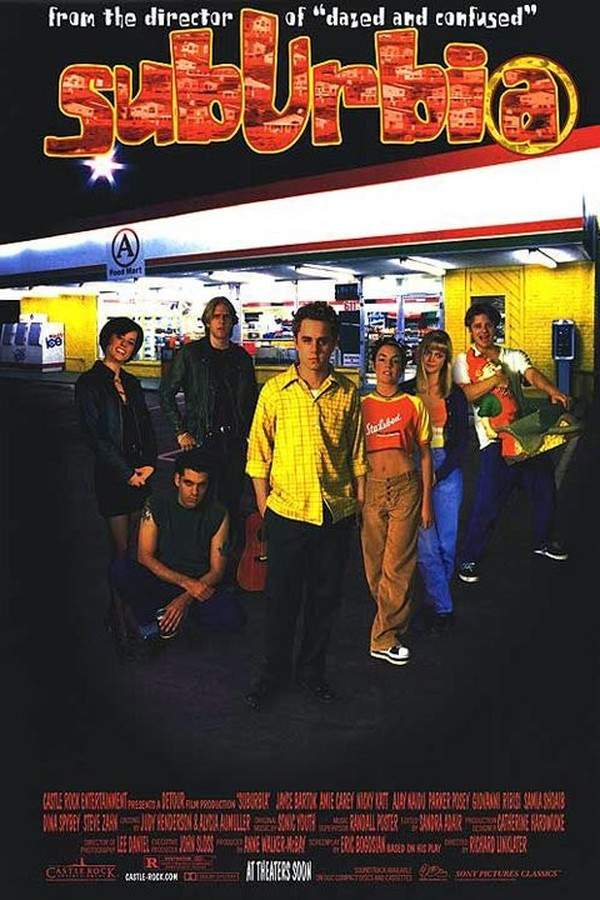
Suburban malaise dramas like No Down Payment

Dramas that peel back the veneer of idyllic domestic life. If you enjoyed the tense exploration of suburban life in No Down Payment, discover more movies that expose the fractured dreams and simmering conflicts behind the white picket fences. These dramas share a focus on community, social pressure, and the personal cost of conformity.

  • suburban malaise
  • anxious
  • melancholic
  • claustrophobic
  • somber
  • social pressure
  • Tone: tense, melancholic
  • Pacing: steady, character-driven
Why these movies?

The story pattern: These narratives typically unfold within a community or neighborhood setting, using an ensemble or multi-couple structure to interweave personal stories. The conflict arises from the tension between public appearances and private suffering, often escalating from quiet anxiety to dramatic confrontation.

Why they belong together: Movies are grouped here for their shared setting and thematic focus on the disillusionment of post-war domestic idealism. They possess a specific mood of anxious melancholy and a critical gaze on the social pressures of a specific time and place.
Ensemble dramas with interconnected stories like No Down Payment

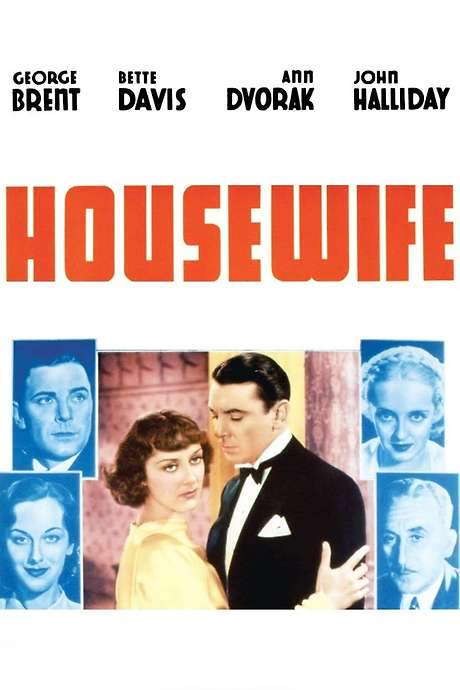
Stories where multiple character arcs collide and resonate. Fans of the multi-couple narrative in No Down Payment will appreciate these movies that weave together several character arcs into a single, cohesive story. Explore similar films where the lives of neighbors, friends, or families collide with dramatic and bittersweet consequences.

  • ensemble cast
  • interwoven stories
  • bittersweet
  • somber
  • character-driven
  • marital conflict
  • Tone: somber, reflective
  • Pacing: steady, deliberate
Why these movies?

The story pattern: The narrative pattern involves introducing a cast of characters whose lives are linked by proximity or circumstance. Their individual storylines—often involving marriage, ambition, or secret desires—progress in parallel, occasionally intersecting in ways that amplify the drama. The ending typically reflects a mix of resolution and ongoing struggle for the ensemble.

Why they belong together: These films are grouped by their multi-protagonist narrative structure and a shared tone that balances serious drama with a nuanced, often bittersweet, emotional resolution. They offer a panoramic view of a community or social group under pressure.

If you liked this

Movies Like No Down Payment

Similar movies to No Down Payment: the same genre, themes or kind of story. Each one comes with its own plot summary, timeline and ending explained.

Browse all movie summaries

Every angle

No Down Payment (1957) Explained: Plot, Timeline & Characters

Everything about No Down Payment in one place: what happens in the plot summary, the timeline in chronological order, the characters and meaning and a spoiler-free summary. What's After the Movie adds the cast, box office and post-credit scenes.

Coming soon on iOS and Android

The Plot Explained Movie Summary App

Plot summaries, endings explained and timelines on your phone. Catch up on any movie in minutes, save your favorites and never miss a twist again.

Be the first to know when we launch. Your email stays private, always.

Learn more about the app