




Plot Explained Spoilers guaranteed!
Plot Explained

Browse by genre

No Blade of Grass (1970) movie poster

Timeline

No Blade of Grass (1970) Timeline Explained – Every Event in Order

Release, runtime and language
1970 · 96 mins · English
Directed by
Cornel Wilde
Starring
George Coulouris, John Lewis, Lynne Frederick, Christopher Neame, Bruce Myers, Nigel Davenport

An ominous pathogen spreads, wiping out all grass species—wheat, rice, and the like—triggering worldwide famine and chaos. Architect John, his family and friends flee London, heading north to his brother’s farm in rural England, hoping the isolated homestead can provide food and safety amid the devastation.

On this page (6)
  1. 1 Where to watch
  2. 2 Events in order (14)
  3. 3 Timeline questions answered
  4. 4 Movie threads
  5. 5 Movies like No Blade of Grass
  6. 6 Every angle

Where to watch

Where to Watch No Blade of Grass (1970)

Where can you watch No Blade of Grass? Stream, rent or buy it in the US, including on TCM, Amazon Video and Apple TV Store: current JustWatch availability with up-to-date prices.

Streaming availability powered by JustWatch

14 events in order · contains spoilers

No Blade of Grass Timeline: Events in Chronological Order

Every key event of No Blade of Grass (1970) in order, scene by scene, with when and where it takes place. Use it to untangle flashbacks, time jumps and parallel storylines, to refresh your memory before the sequel or to find the exact scene you are thinking of.

  1. Start of the global disaster

    The opening montage shows pollution triggering a virulent disease that devastates crops and people. The illness spreads from Asia to Africa, Europe and South America, causing starvation, anarchy and cannibalism as hundreds of millions die. In a desperate escalation, China unleashes nerve gas on its own population, killing hundreds of millions.

    When
    Start of the disaster
    Where
    Global
  2. Escape from London

    A year after the disaster begins, John Custance, his wife, their daughter Mary, and Mary’s boyfriend Roger Burnham flee London amid rioting and the emergence of roadblocks. They head north toward John's brother David’s farm, hoping to reach safety beyond the chaos.

    When
    Year 1 after disaster start
    Where
    London
  3. Firearms quest and Pirrie joins

    They stop at Mr. Sturdevant's shop to buy firearms. When Sturdevant refuses to sell without permits, John and Roger overpower him, but they are held at gunpoint by Sturdevant's assistant Andrew Pirrie. After John explains the situation, Pirrie shoots Sturdevant, and Pirrie and his wife Clara decide to join the group.

    When
    During firearms purchase
    Where
    Mr. Sturdevant's shop
  4. Passage of the Army roadblock

    To get past an Army roadblock, the travelers are forced to shoot three soldiers who block their way.

    When
    Early journey
    Where
    Army roadblock
  5. Separation on the road

    Later, the party becomes separated when Roger and Pirrie race each other in their cars, breaking the convoy and scattering the group.

    When
    During the car race
    Where
    Along the road
  6. Train crossing tragedy

    John's car is stopped by a gate at a train crossing. His wife and his 16-year-old daughter are taken away and raped by three men. John and the others locate them and shoot two of the attackers, though one man escapes.

    When
    During the separation
    Where
    Train crossing gate
  7. Vigilantes and robbery

    The group later encounters vigilantes guarding a settlement and are robbed of everything useful, including their vehicles and guns. The theft leaves them without the means to defend themselves as they press on toward the valley.

    When
    After some days of travel
    Where
    Vigilante settlement
  8. Isolated farmhouse raid

    With the goal still far away, they come upon an isolated farmhouse about 50 miles from their destination. They kill the farmer and his wife and take their guns, continuing on as a smaller, lighter group.

    When
    On the way
    Where
    Isolated farmhouse
  9. Clara's seduction attempt and death

    In an abandoned factory, Clara tries to seduce John, but Pirrie shoots Clara, ending her bid for control over the group. The act underscores the brutal, fragile power dynamics among the survivors.

    When
    While staying there
    Where
    Abandoned factory
  10. Mary and Pirrie draw closer

    Mary and Pirrie grow close, with Mary believing Pirrie can protect her in the harsh world they inhabit. Their uneasy bond reveals how fear and desperation reshape loyalties.

    When
    After Clara's death
    Where
    Abandoned factory vicinity
  11. Offer to lead the newcomers to the valley

    The group encounters a larger group trudging the same direction. John offers to take them along toward his brother David’s easily protected valley, but the newcomers' leader reaches for a gun. Pirrie shoots him, and the rest decide to join John's party.

    When
    Before reaching the valley
    Where
    Road toward valley
  12. Motorcycle gang and the escaped rapist

    A motorcycle gang rides by on the road. John's wife Ann recognizes one rider as the escaped rapist, foreshadowing future violence as the travelers brace for more danger.

    When
    On the road
    Where
    Road
  13. Attack by the motorcycle gang

    The gang mounts a string of attacks and the travelers gun them down in a fierce battle, though several of John's people are killed in the crossfire. The survivors push on with heavier losses and scarred nerves.

    When
    Following the gang encounter
    Where
    Roadside
  14. David's valley and the final assault

    When they finally reach David's valley, it is protected by a stone wall and a machine gun. David privately tells John he cannot admit so many people; he suggests John slip away with his family and Roger at night. John leads a night attack; Pirrie shoots David at the machine gun position and is killed in turn. The assault succeeds and John takes control of the valley.

    When
    Night assault
    Where
    David's valley

Last updated: October 05, 2025 at 11:58

Was this helpful?

Timeline questions answered

No Blade of Grass Timeline Explained: Your Questions Answered

When does it happen, and why in that order? The questions people ask about the chronology of No Blade of Grass (1970): time jumps, flashbacks, cause and effect between scenes and the correct order of events, each answered with spoilers.

Q1

Why does Andrew Pirrie shoot Mr. Sturdevant at the shop?

Pirrie shoots Sturdevant after John explains the gravity of their situation, the grass disease is devastating global food supplies and causing societal collapse. When Pirrie holds them at gunpoint, John persuasively argues that old societal rules no longer apply and that they need weapons to survive. Pirrie decides that Sturdevant, who refused to help despite the crisis, is a liability who might alert authorities or rob them later. He kills Sturdevant and immediately decides to join John's group, seeing them as his best chance of survival.

Foreshadowing: Pirrie's quick decision to kill and join strangers foreshadows his ruthless survivalist mentality throughout the journey.

  • pirrie
  • sturdevant
  • shop shooting
  • firearms
  • survival
Q2

Why are John and his group forced to kill soldiers at the roadblock?

The Army roadblock is part of the government's desperate attempt to maintain order during the crisis. The soldiers refuse to let them pass, likely because the authorities are trying to control population movement and conserve resources. With no permits and no time to negotiate, since the situation is deteriorating rapidly, John and Roger realize they must eliminate the soldiers to continue their journey northward. The brutal necessity of killing armed forces illustrates how far society has collapsed.

Foreshadowing: This first major act of violence against authority figures sets the pattern for the group's moral descent throughout the film.

  • army
  • roadblock
  • soldiers
  • killing
  • permission
Q3

What happens to Ann and Mary at the train crossing?

While John's car is stopped at a railroad gate, three men abduct his wife Ann and 16-year-old daughter Mary. They are taken away and raped by the attackers. John and the others eventually locate them, killing two of the attackers, but one man escapes into the chaos of the collapsed world. This horrific event deeply scars the family and intensifies the group's desperation and paranoia.

Foreshadowing: The escaped rapist later reappears riding with a motorcycle gang, foreshadowing the cycle of violence that haunts the survivors.

  • train crossing
  • rape
  • ann
  • mary
  • abduction
  • attack
Q4

Why do John and his group kill the farmer and his wife at the isolated farmhouse?

After being robbed of their vehicles and weapons by vigilantes, John's group finds themselves unarmed and vulnerable with fifty miles still to travel. They encounter an isolated farmhouse and realize the farmer and his wife have guns, essential for survival in the dangerous new world. Faced with the choice of continuing unarmed or taking what they need by force, they choose the latter, killing the couple and seizing their weapons. This act represents the complete moral collapse of the group, reducing them to the very violence they fear from others.

Foreshadowing: The cold calculation of killing innocent farmers for their weapons mirrors the earlier robberies and sets the stage for John's final assault on his own brother.

  • farmer
  • house
  • murder
  • guns
  • weapons
Q5

Why does Pirrie kill his own wife Clara?

Clara attempts to seduce John in the abandoned factory, likely seeking to secure protection and status by aligning with the group's apparent leader. Her husband Pirrie discovers the encounter and, believing she is trying to displace him or undermine his position, shoots Clara dead. The murder reflects the brutal power dynamics among survivors, trust is nonexistent, and even intimate relationships are viewed through the lens of survival and control.

Foreshadowing: Clara's death removes the last check on Pirrie's violent impulses and clears the way for his growing influence over the group, particularly with Mary.

  • clara
  • pirrie
  • wife
  • shooting
  • seduction
Q6

Why does Mary become close to Pirrie after Clara's death?

In the brutal new world, Mary is a 16-year-old girl who has witnessed extreme violence, including her own mother's rape. She gravitates toward Pirrie because he represents physical strength and ruthlessness, the qualities needed to survive. Believing he can protect her, Mary forms an uneasy bond with the man who murdered his own wife, demonstrating how desperation rewires moral judgments and creates strange allegiances.

Foreshadowing: Mary's relationship with Pirrie complicates the final confrontation, as she is aligned with the man who will kill her uncle David.

  • mary
  • pirrie
  • protection
  • relationship
  • desperation
Q7

Why does David refuse to let John's group into the valley?

David explains privately to John that his valley can only support a limited number of people and he cannot risk admitting such a large, desperate group that might deplete resources or bring violence. He suggests John slip away with just his immediate family and Roger in the night, essentially abandoning the others who traveled with them. This pragmatic calculation reveals how scarcity has corrupted even family bonds, David would rather save himself and a few others than honor the kinship with his brother.

Foreshadowing: David's refusal directly prompts John's decision to launch a night assault, prioritizing his group's survival over familial loyalty.

  • david
  • valley
  • refuge
  • brother
  • admission
Q8

Why does John attack his own brother David to take the valley?

After David privately tells John he cannot admit the full group, John faces an impossible choice: abandon the people who trusted him and survived with him, or seize the valley by force. Rather than sneak away as David suggested, John launches a night assault to capture the valley for his entire group. During the fight, Pirrie shoots David at the machine gun position, and Pirrie himself is killed in the melee. John succeeds and takes leadership of the valley, having betrayed and killed his own brother to secure safety for his family and followers.

Foreshadowing: This tragic climax fulfills the film's dark progression, from desperate survivors to violent usurpers, becoming the very threat they fled from.

  • john
  • david
  • valley
  • attack
  • brother
  • killing
Q9

What happens to the rapist who escaped at the train crossing?

The escaped rapist later resurfaces as a member of a motorcycle gang that attacks John's group on the road. Ann recognizes him among the riders, triggering the violent confrontation. The gang mounts several attacks, resulting in casualties on both sides. This encounter represents the film's theme of inescapable violence, the horror from the train crossing returns to haunt them, demonstrating that past atrocities cannot be outrun in a collapsed world.

Foreshadowing: This reunion of attacker and victims shows how the post-apocalyptic world constantly brings past wrongs back into conflict.

  • rapist
  • motorcycle gang
  • ann
  • revenge
  • attack
Q10

What caused the grass disease that destroys civilization?

The film establishes through its opening montage that pollution triggered a virulent new disease that attacks all grass family crops, wheat, rice, and maize. The pathogen spreads rapidly from Asia to Africa, Europe, and South America, causing widespread crop failure, famine, and societal collapse. This biological catastrophe is the root cause of all the violence and chaos that follows, as billions face starvation and governments lose control.

Foreshadowing: The montage's depiction of China unleashing nerve gas on its own people foreshadows the moral compromises and extreme violence that will characterize the survivors' journey.

  • grass disease
  • pollution
  • famine
  • crop failure
  • pathogen

Movie threads

More Movies Like No Blade of Grass, by Mood & Story

Curated lists built around what makes No Blade of Grass tick: the same mood, the same kind of story or the same emotional payoff. Each list explains why these movies belong together.

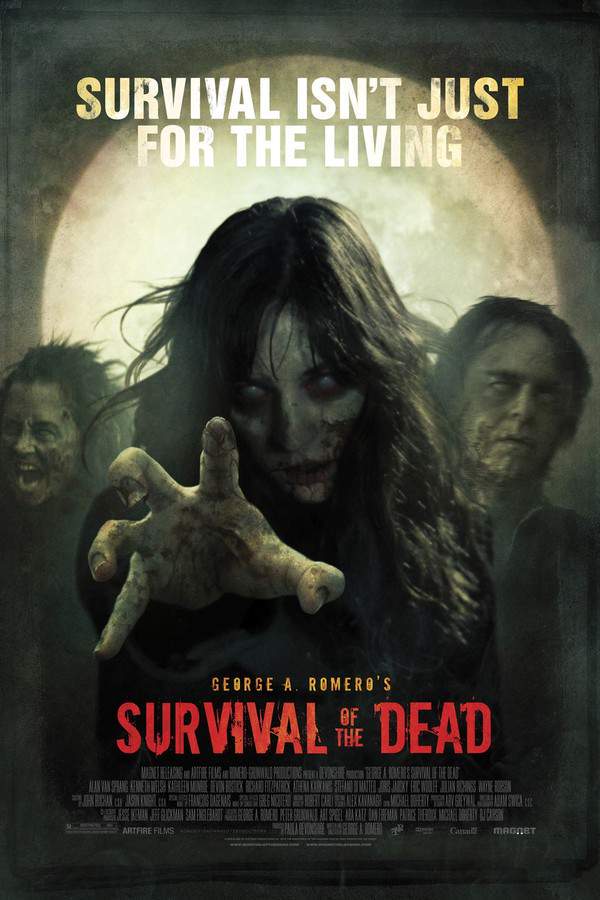
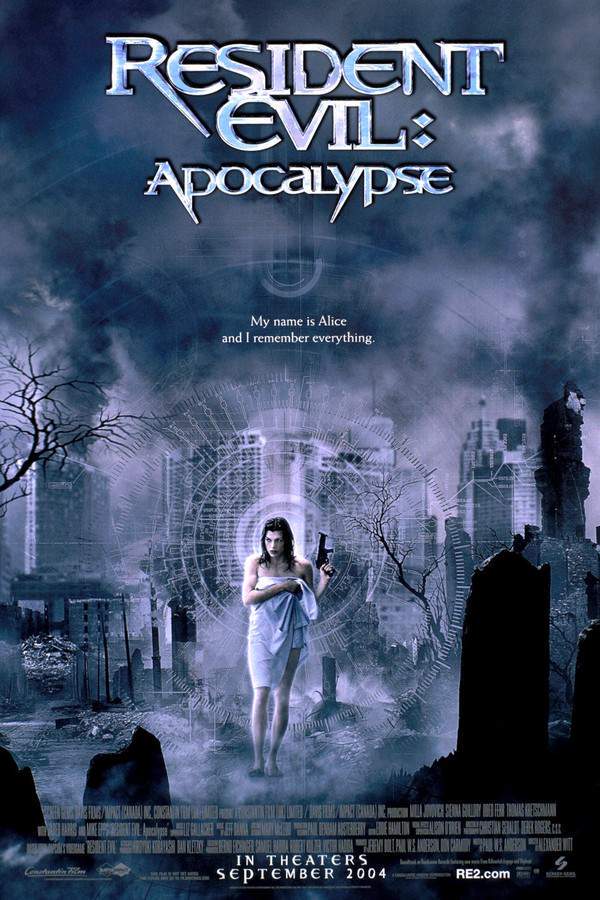
Apocalyptic Survival Horror movies like No Blade of Grass

Harrowing journeys through a collapsed world where humanity is the greatest threat. If the relentless brutality and survivalist dread of No Blade of Grass gripped you, explore similar movies. This list features harrowing post-apocalyptic tales where characters face famine, violence, and moral collapse in a desperate fight for survival, capturing a similarly dark and intense vibe.

  • brutal
  • desperate
  • tense
  • grim
  • oppressive
  • harsh
  • Tone: dark, grim, oppressive
  • Pacing: fast, relentless, chaotic
Why these movies?

The story pattern: Stories in this thread typically follow a linear, fast-paced journey through a dangerous, fallen world. The narrative structure is often a trek towards a perceived safe haven, punctuated by escalating threats and moral compromises. The journey is less about discovery and more about attrition, testing the limits of the characters' humanity as they confront the worst in others and themselves.

Why they belong together: These films are grouped together for their shared commitment to a dark, oppressive tone and high-intensity pacing. They all center on the visceral, immediate struggle for survival in a post-apocalyptic setting, emphasizing violence, societal breakdown, and the heavy emotional weight of witnessing civilization's end.
Movies about moral decay and desperation like No Blade of Grass

Stories where good people are corrupted by extreme circumstances and desperation. Fans of No Blade of Grass's exploration of how desperation corrupts morality will find similar themes here. These films feature characters who, faced with extreme violence or societal collapse, make dark compromises, leading to a bleak examination of human nature under duress, similar to the journey in No Blade of Grass.

  • desperate
  • grim
  • anxious
  • harsh
  • moral complexity
  • sorrowful
  • Tone: dark, bleak, sorrowful
  • Pacing: steady, tense, character-driven
Why these movies?

The story pattern: The narrative pattern is a character-driven arc of degradation. It begins with a relatable protagonist upholding a moral code, which is then systematically broken down by external threats. Key plot points involve difficult, morally ambiguous choices that sacrifice ethics for survival, culminating in an ending that reflects the cost of this transformation, often leaving the character saved but spiritually lost.

Why they belong together: These movies are united by their heavy emotional focus on moral complexity and ethical erosion. They share a dark tone and explore the theme that survival can come at the ultimate price: one's soul. The pacing is often tense and driven, mirroring the characters' descent into necessary evil.

If you liked this

Movies Like No Blade of Grass

Similar movies to No Blade of Grass: the same genre, themes or kind of story. Each one comes with its own plot summary, timeline and ending explained.

Browse all movie summaries

Every angle

No Blade of Grass (1970) Explained: Plot, Timeline & Characters

Everything about No Blade of Grass in one place: what happens in the plot summary, the timeline in chronological order, the characters and meaning and a spoiler-free summary. What's After the Movie adds the cast, box office and post-credit scenes.

Coming soon on iOS and Android

The Plot Explained Movie Summary App

Plot summaries, endings explained and timelines on your phone. Catch up on any movie in minutes, save your favorites and never miss a twist again.

Be the first to know when we launch. Your email stays private, always.

Learn more about the app