Plot Explained Spoilers guaranteed!
Plot Explained

Browse by genre

No Blade of Grass (1970) movie poster

Characters & Themes

No Blade of Grass (1970) Characters, Setting & Themes Explained

Release, runtime and language
1970 · 96 mins · English
Directed by
Cornel Wilde
Starring
George Coulouris, John Lewis, Lynne Frederick, Christopher Neame, Bruce Myers, Nigel Davenport

An ominous pathogen spreads, wiping out all grass species—wheat, rice, and the like—triggering worldwide famine and chaos. Architect John, his family and friends flee London, heading north to his brother’s farm in rural England, hoping the isolated homestead can provide food and safety amid the devastation.

On this page (8)
  1. 1 Where to watch
  2. 2 Characters explained (8)
  3. 3 Where & when it takes place
  4. 4 Themes & meaning (3)
  5. 5 Character & meaning questions
  6. 6 Movie threads
  7. 7 Movies like No Blade of Grass
  8. 8 Every angle

Where to watch

Where to Watch No Blade of Grass (1970)

Where can you watch No Blade of Grass? Stream, rent or buy it in the US, including on Amazon Video, Apple TV Store and Google Play Movies: current JustWatch availability with up-to-date prices.

Streaming availability powered by JustWatch

8 main characters · contains spoilers

No Blade of Grass Characters Explained: Who Is Who

The main characters of No Blade of Grass (1970), heroes and villains: what drives them, how they change over the course of the story and what each of them reveals about the film's bigger ideas.

  • John Custance (Nigel Davenport)

    A determined, pragmatic patriarch who leads his family and companions through the dangerous journey. He makes tough calls to ensure the group's safety, including violent actions when necessary. His resolve is tested as he contends with threats from other survivors and the harsh realities of the valley they seek to reach.

    • ❇️ Leader
    • 🧭 Resolute
    • ⚖️ Pragmatic
  • Roger Burnham (Christopher Neame)

    A scientist whose presence signals a hope for understanding and possible solutions amid the disaster. He remains part of the group’s efforts to navigate the dangers of the road and the changing social order. Roger provides technical insight but is not the driving force behind the group’s decisions.

    • 🧬 Scientist
    • 🔬 Analytical
    • 🧭 Loyal
  • Ann Custance (Jean Wallace)

    John's wife, who shares in the peril of the journey and the loss of security. She plays a supportive role within the group and recognizes dangers when faced with a threatening biker gang. Her presence anchors the family dimension of the trek.

    • 👪 Family
    • 💪 Steadfast
    • 🛡️ Observant
  • David Custance (Patrick Holt)

    John's brother and the owner of the valley sanctuary who privately questions the viability of letting a large group settle there. His cautious stance foreshadows the conflict that leads to a lethal confrontation during the night attack.

    • 🏞️ Protector
    • 🗺️ Cautious
    • 🔥 Defiant
  • Clara Pirrie ( Wendy Richard)

    Pirrie's wife, who uses seduction as a means to influence the group before her husband violently asserts control. She is ultimately killed by her husband after attempting to manipulate the situation.

    • 💃 Manipulative
    • 🧪 Strategic
    • ⚔️ Fatal
  • Andrew Pirrie (Anthony May)

    Clara’s husband and a volatile ally who escalates violence within the group. He shoots Mr. Sturdevant and later kills David Custance during the night assault, and is himself killed in the ensuing conflict.

    • 🔫 Aggressive
    • 🗡️ Ruthless
    • 🛡️ Protective of territory
  • Mr. Sturdevant (George Coulouris)

    Shopkeeper whose shop is a brief waypoint for the group before the escalation of violence. He is shot by Pirrie, marking an early blow to any sense of civil order.

    • 🏪 Trader
    • ⚔️ Violent interruption
    • ⛓️ Power dynamics
  • Murdered Farmer (William Duffy)

    A farmer encountered on the journey who is killed along with his wife as the group takes their weapons to press forward. His death underscores the brutal price of survival.

    • 👨‍🌾 Victim
    • 🔪 Brutality
    • 💥 Catalyst

Last updated: October 04, 2025 at 19:34

Was this helpful?

Setting

Where and When Does No Blade of Grass Take Place?

The setting of No Blade of Grass (1970): the year and time period, the places and locations, and how they shape the characters, the mood and the tension of the story.

Time period

Near future

The disaster unfolds in a near-future setting where pollution-driven disease devastates crops and triggers global food collapse. A year into the catastrophe, rioting, roadblocks, and vigilante groups shape daily life as survivors move toward a protected refuge. The timeline centers on the immediate post-disaster period, highlighting how quickly social order devolves into factional conflict. Survival dynamics depend on timing, resource access, and defensive readiness.

Location

London, David's farm in the north valley

The story shifts from a rioting London to a remote northern valley where John Custance seeks refuge for his family. The valley is a defensible, sparsely populated refuge ringed by a stone wall and armed with a machine gun, illustrating a drastic shift from urban to fortified rural life. Abandoned factories and isolated farms punctuate the trek, underscoring a world where safety rests on local strongholds rather than centralized authority. The settings emphasize the harsh, survivalist atmosphere that defines the survivors' journey.

  • ❄️ Post-apocalyptic
  • 🏞️ Rural
  • ⚔️ Survival

Last updated: October 04, 2025 at 19:34

Was this helpful?

3 major themes

No Blade of Grass Meaning: Themes & Message Explained

What is No Blade of Grass (1970) really about? The emotional, social and philosophical themes the film keeps returning to, its symbolism and the message beneath the surface.

  • Survival

    The film centers on surviving an unimaginable collapse where scarcity drives violent decisions. Characters must weigh personal safety against moral boundaries as they forage for food, weapons, and shelter. The narrative shows how far people are willing to go to preserve life, even when it means killing or betraying others. Survival becomes a test of humanity rather than a simple act of endurance.

  • Leadership

    John Custance emerges as a de facto leader, steering a large group toward a defensible valley. His choices—whether to negotiate, fight, or abandon others—define who follows him and who is left behind. The tension between preserving a small, feedable community and rescuing everyone highlights the complexities of leadership in crisis. The story examines the ethical weight of command when resources are finite.

  • Moral Conflict

    The collapsing world forces brutal, morally ambiguous acts, from opportunistic killings to coercive decisions. Characters grapple with seduction, betrayal, and violent impulses as last-ditch survival strategies. The narrative presents violence as both a means to an end and a corrosive force that strains loyalties. Ethical lines blur as desperation overrides previous principles.

Last updated: October 04, 2025 at 19:34

Was this helpful?

Character & theme questions

No Blade of Grass Characters & Meaning: Your Questions Answered

The questions people ask about No Blade of Grass (1970): who the characters really are, their relationships, what the symbols mean, where it takes place and what the movie is really about. Each answer contains spoilers.

Q1

Where is the story set and what makes the valley significant?

The story shifts from rioting London to a remote northern valley where John's brother David owns a farm. The valley is defensible, sparsely populated, and ringed by a stone wall with a machine gun, representing a drastic shift from urban chaos to fortified rural survival. The setting emphasizes that safety in this collapsed world rests on local strongholds rather than centralized authority.

  • valley
  • farm
  • London
  • survival
  • location
  • setting
Q2

When does the movie take place?

The movie is set in the near future, about a year after a pathogen destroys all grass species worldwide. This timing places it in the immediate post-disaster period where social order has devolved into factional conflict, with survivors moving toward protected refuges while facing rioting, roadblocks, and vigilante groups.

  • near future
  • time period
  • post-apocalypse
  • timeline
Q3

What are the main themes explored in the movie?

The film centers on three interconnected themes: survival, where scarcity drives violent decisions and tests humanity; leadership, examining the ethical weight of command when resources are finite; and moral conflict, showing how desperation corrupts morality as characters commit brutal acts they would never consider in normal circumstances.

  • survival
  • themes
  • moral conflict
  • leadership
  • desperation
Q4

Who is John Custance and what is his role in the story?

John Custance is the determined, pragmatic patriarch who leads his family and companions through the dangerous journey from London to the northern valley. He serves as a de facto leader, making tough calls, including violent actions, to ensure the group's safety. His choices define who follows him and who is left behind, embodying the film's exploration of leadership under crisis.

  • John Custance
  • leader
  • patriarch
  • protagonist
Q5

Who is David Custance and what conflict does he represent?

David Custance is John's brother who owns the valley sanctuary. He privately questions whether to let a large group settle at his farm, representing the tension between hospitality and survival logic. His cautious stance foreshadows the lethal confrontation that occurs during the night attack, as the group must decide whether to trust his reservations or force entry.

Foreshadowing: David privately questions the viability of letting a large group settle, foreshadowing the deadly night assault.

  • David Custance
  • brother
  • valley
  • conflict
  • sanctuary
Q6

Who are the Pirries and what role do they play?

Andrew Pirrie and his wife Clara are volatile allies who escalate violence within the group. Andrew shoots Mr. Sturdevant and later kills David Custance during the night assault, ultimately being killed himself in the ensuing conflict. Clara uses seduction to influence the group before her husband violently asserts control, ultimately killing her when she attempts to manipulate the situation.

  • Andrew Pirrie
  • Clara Pirrie
  • antagonists
  • violence
Q7

What role does the scientist Roger Burnham play?

Roger Burnham is a scientist who represents hope for understanding and possible solutions amid the disaster. He provides technical insight and remains part of the group's efforts to navigate the dangers of the road and changing social order, though he is not the driving force behind the group's decisions.

  • Roger Burnham
  • scientist
  • technical insight
  • hope
Q8

What is the tone and atmosphere of the movie?

The film has a consistently dark, grim tone focusing on the brutal realities of societal collapse without any relief or hope. The pacing is fast and relentless with near-constant violent encounters and moral compromises. There are no elements of humor or romance to lighten the oppressive atmosphere, making for a consistently tense and sorrowful survival journey.

  • tone
  • atmosphere
  • dark
  • grim
  • survival
  • violent
Q9

How does the movie handle moral decisions?

The collapsing world forces brutal, morally ambiguous acts, from opportunistic killings to coercive decisions. Characters grapple with seduction, betrayal, and violent impulses as last-ditch survival strategies. The narrative presents violence as both a means to an end and a corrosive force that strains loyalties, with ethical lines blurring as desperation overrides previous principles.

  • morality
  • ethics
  • violence
  • betrayal
  • desperation
Q10

What does the ending signify thematically?

The ending is bleak, while the protagonists secure the valley refuge, they achieve it through betrayal and further violence. This pyrrhic victory symbolizes the film's pessimistic worldview: survival comes at the cost of one's humanity, and civilization's failure corrupts even those trying to escape destruction.

  • ending
  • victory
  • betrayal
  • pessimism
  • civilization

Movie threads

More Movies Like No Blade of Grass, by Mood & Story

Curated lists built around what makes No Blade of Grass tick: the same mood, the same kind of story or the same emotional payoff. Each list explains why these movies belong together.

Apocalyptic Survival Horror movies like No Blade of Grass

Harrowing journeys through a collapsed world where humanity is the greatest threat. If the relentless brutality and survivalist dread of No Blade of Grass gripped you, explore similar movies. This list features harrowing post-apocalyptic tales where characters face famine, violence, and moral collapse in a desperate fight for survival, capturing a similarly dark and intense vibe.

  • brutal
  • desperate
  • tense
  • grim
  • oppressive
  • harsh
  • Tone: dark, grim, oppressive
  • Pacing: fast, relentless, chaotic
Why these movies?

The story pattern: Stories in this thread typically follow a linear, fast-paced journey through a dangerous, fallen world. The narrative structure is often a trek towards a perceived safe haven, punctuated by escalating threats and moral compromises. The journey is less about discovery and more about attrition, testing the limits of the characters' humanity as they confront the worst in others and themselves.

Why they belong together: These films are grouped together for their shared commitment to a dark, oppressive tone and high-intensity pacing. They all center on the visceral, immediate struggle for survival in a post-apocalyptic setting, emphasizing violence, societal breakdown, and the heavy emotional weight of witnessing civilization's end.
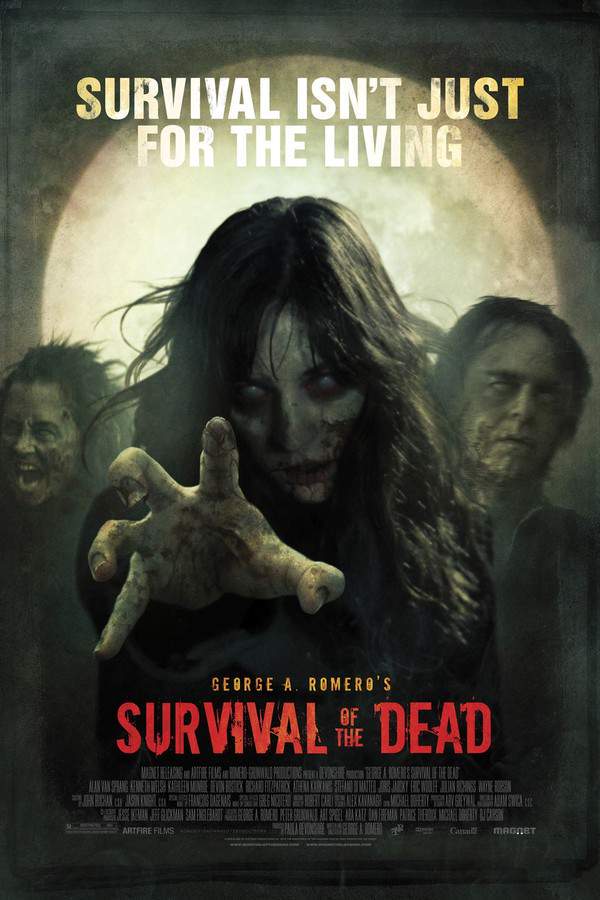
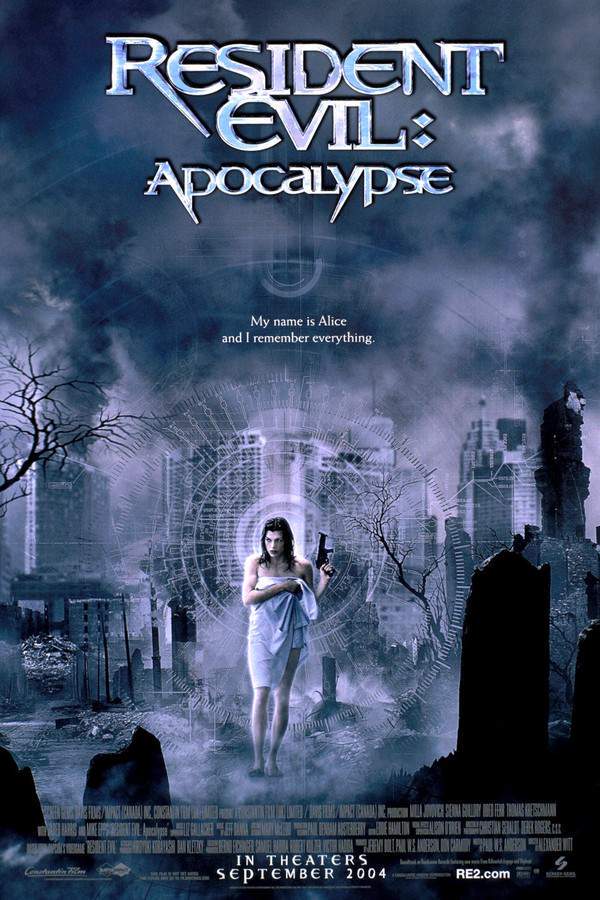
Movies about moral decay and desperation like No Blade of Grass

Stories where good people are corrupted by extreme circumstances and desperation. Fans of No Blade of Grass's exploration of how desperation corrupts morality will find similar themes here. These films feature characters who, faced with extreme violence or societal collapse, make dark compromises, leading to a bleak examination of human nature under duress, similar to the journey in No Blade of Grass.

  • desperate
  • grim
  • anxious
  • harsh
  • moral complexity
  • sorrowful
  • Tone: dark, bleak, sorrowful
  • Pacing: steady, tense, character-driven
Why these movies?

The story pattern: The narrative pattern is a character-driven arc of degradation. It begins with a relatable protagonist upholding a moral code, which is then systematically broken down by external threats. Key plot points involve difficult, morally ambiguous choices that sacrifice ethics for survival, culminating in an ending that reflects the cost of this transformation, often leaving the character saved but spiritually lost.

Why they belong together: These movies are united by their heavy emotional focus on moral complexity and ethical erosion. They share a dark tone and explore the theme that survival can come at the ultimate price: one's soul. The pacing is often tense and driven, mirroring the characters' descent into necessary evil.

If you liked this

Movies Like No Blade of Grass

Similar movies to No Blade of Grass: the same genre, themes or kind of story. Each one comes with its own plot summary, timeline and ending explained.

Browse all movie summaries

Every angle

No Blade of Grass (1970) Explained: Plot, Timeline & Characters

Everything about No Blade of Grass in one place: what happens in the plot summary, the timeline in chronological order, the characters and meaning and a spoiler-free summary. What's After the Movie adds the cast, box office and post-credit scenes.

Coming soon on iOS and Android

The Plot Explained Movie Summary App

Plot summaries, endings explained and timelines on your phone. Catch up on any movie in minutes, save your favorites and never miss a twist again.

Be the first to know when we launch. Your email stays private, always.

Learn more about the app