Plot Explained Spoilers guaranteed!
Plot Explained

Browse by genre

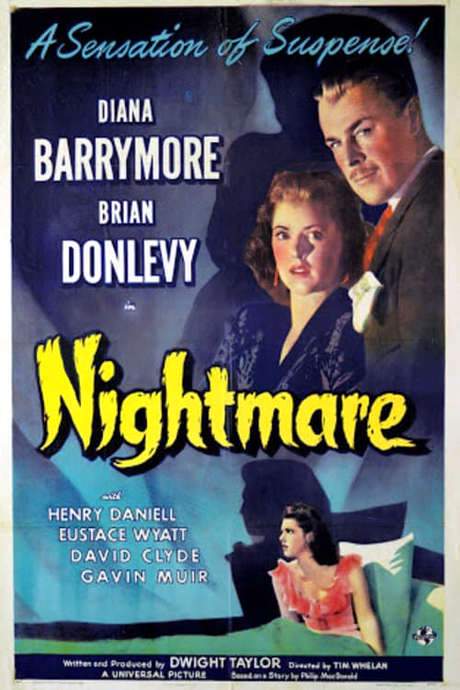
Nightmare in Chicago (1964) movie poster

Characters & Themes

Nightmare in Chicago (1964) Characters, Setting & Themes Explained

Release, runtime and language
1964 · 81 mins · English
Directed by
Robert Altman
Starring
Charles McGraw, Robert H. Harris, Philip Abbott, Ted Knight, John A. Alonzo, Robert Ridgely

The film follows the hunt for a serial killer dubbed “Georgie Porgie” who terrorizes Chicago’s turnpike. Over a three‑day span, police seal off the entire highway, racing against time to stop further attacks and capture the elusive murderer before he vanishes.

On this page (7)
  1. 1 Characters explained (6)
  2. 2 Where & when it takes place
  3. 3 Themes & meaning (3)
  4. 4 Character & meaning questions
  5. 5 Movie threads
  6. 6 Movies like Nightmare in Chicago
  7. 7 Every angle

6 main characters · contains spoilers

Nightmare in Chicago Characters Explained: Who Is Who

The main characters of Nightmare in Chicago (1964), heroes and villains: what drives them, how they change over the course of the story and what each of them reveals about the film's bigger ideas.

  • Harry Brockman (Charles McGraw)

    A seasoned police official who pushes for aggressive action to stop the threat. He emphasizes stopping the convoy at strategic points and coordinating with multiple agencies for civilian safety. He remains pragmatic and focused on ensuring the public is protected.

    • 🚓 Police
    • 🧠 Strategy
    • 🗺️ Roadblocks
  • Commissioner Lombardo (Ted Knight)

    The top brass who resists Brockman’s bold plan and urges a measured approach. He weighs political and operational risks, ultimately guiding the department’s direction. He embodies the authority and caution that often slows but legitimizes urgent action.

    • 🏛️ Authority
    • 🧭 Decision-making
    • 🚦 Governance
  • Myron Ellis (Philip Abbott)

    A doctor who theorizes that the killer's sunglasses and partial blindness might be related to mydriasis. He contributes a clinical perspective to the investigation and helps the police interpret unusual clues. His analysis adds a scientific angle to a case driven by instincts.

    • 🧪 Medical
    • 🧠 Analysis
    • 🧭 Insight
  • Bernadette Wells (Barbara Turner)

    A brunette coworker who becomes a target when the killer reappears at the oasis. Her interactions with the assailant reveal vulnerability and courage under pressure. She serves as a catalyst for the investigation’s deeper emotional stakes.

    • 🧍‍♀️ Survivor
    • 💬 Witness
    • 🧭 Risk
  • Wynnette (Charlene Lee)

    A coworker who witnesses the chaos surrounding the killer’s actions and helps anchor the human dimension of the case. Her perspective contributes to the team’s situational awareness during the pursuit.

    • 👁️ Witness
    • 🧠 Perception
    • 🕊️ Resilience
  • Dan McVeay (Robert Ridgely)

    A police officer who assists in coordinating the pursuit and managing information flow during the crisis. He represents practical, steady presence in high-stress moments.

    • 🚔 Collaboration
    • 🧭 Coordination
    • 🗺️ Fieldwork

Last updated: October 04, 2025 at 14:14

Was this helpful?

Setting

Where and When Does Nightmare in Chicago Take Place?

The setting of Nightmare in Chicago (1964): the year and time period, the places and locations, and how they shape the characters, the mood and the tension of the story.

Time period

Location

Rockford, Illinois, Chicago, Illinois, Pinhook, Indiana, Hinsdale Oasis on the Illinois Tollway

The story unfolds across a frigid Midwest day and night, weaving between Rockford and Chicago as police hunt the killer. Pinhook, Indiana is cited as the site of a recent victim, anchoring a cross-state chase. The Illinois Tollway network, including the Hinsdale oasis, becomes a critical chokepoint where checkpoints and roadblocks aim to trap the killer.

  • ❄️ Winter setting
  • 🚓 Police procedure
  • 🗺️ Urban maze

Last updated: October 04, 2025 at 14:14

Was this helpful?

3 major themes

Nightmare in Chicago Meaning: Themes & Message Explained

What is Nightmare in Chicago (1964) really about? The emotional, social and philosophical themes the film keeps returning to, its symbolism and the message beneath the surface.

  • Pursuit

    A tense manhunt unfolds across city streets and highway corridors as officers deploy roadblocks and flashlight checks to identify the killer. The pursuit forces coordination across agencies and demands rapid, decisive decisions under pressure. The threat of a secondary catastrophe—an armed convoy—heightens the stakes and tightens the timeline.

  • Psychology

    Georgie Porgie exhibits a disturbed, ritualistic mindset, driving his violence with a chilling detachment. The killer’s sporadic mercy and his cries for his dead sister reveal a fractured psyche that weaponizes fear. Medical notes about mydriasis hint at a clinical overlay to the madness.

  • Urban Chaos

    The city and highway system become the battlegrounds for survival, where infrastructure tests human limits. A nuclear missile convoy threads through Chicago, complicating police strategy and timing. The environment shifts from urban ordinary to high-stakes obstacle course as dawn approaches.

Last updated: October 04, 2025 at 14:14

Was this helpful?

Character & theme questions

Nightmare in Chicago Characters & Meaning: Your Questions Answered

The questions people ask about Nightmare in Chicago (1964): who the characters really are, their relationships, what the symbols mean, where it takes place and what the movie is really about. Each answer contains spoilers.

Q1

Where is the movie set?

The film takes place primarily in Chicago and the surrounding Illinois Tollway system, with the story spanning Rockford, Illinois and extending to Pinhook, Indiana. Key locations include the Hinsdale Oasis, which becomes a critical checkpoint where police set up roadblocks to trap the killer.

  • chicago
  • illinois tollway
  • rockford
  • hinsdale oasis
  • setting
Q2

When does the story take place?

The film is set in the mid-1960s, depicting a single frigid winter day and night. The story unfolds over a compressed timeframe as police race against time to stop the killer before he can strike again.

  • 1960s
  • winter
  • time period
  • day night
Q3

Who is Georgie Porgie?

Georgie Porgie is the nickname for the serial killer terrorizing Chicago's turnpike. He exhibits a disturbed, ritualistic mindset with chilling detachment, and his sporadic mercy combined with his cries for his dead sister reveal a fractured psyche.

  • georgie porgie
  • serial killer
  • villain
  • killer nickname
Q4

What is known about the killer's psychology?

The killer displays a disturbed, ritualistic mindset with clinical overlay. Medical analysis suggests his sunglasses and partial blindness may be related to mydriasis. His behavior mixes sporadic mercy with unsettling motives, and he cries out for his dead sister during attacks, revealing deep psychological trauma.

  • psychology
  • mydriasis
  • killer mindset
  • mental state
Q5

Why is there a nuclear convoy in the movie?

A nuclear missile convoy threads through Chicago during the manhunt, adding an extra layer of logistical pressure. This secondary threat complicates police strategy and timing, forcing officers to balance capturing the killer while ensuring the convoy's safe passage through the city.

  • nuclear convoy
  • missile
  • threat
  • plot element
Q6

Who is Harry Brockman?

Harry Brockman is a seasoned police official portrayed by Charles McGraw. He advocates for aggressive, decisive action to stop the killer and protect the public, pushing for strategic placement of roadblocks and coordination across multiple agencies during the manhunt.

  • harry brockman
  • police
  • commissioner
  • law enforcement
Q7

What is Commissioner Lombardo's role?

Commissioner Lombardo, played by Ted Knight, represents the top brass who resists aggressive tactics. He urges a measured approach, weighing political and operational risks while ultimately guiding the department's direction. He embodies the caution that often legitimizes urgent police action.

  • commissioner lombardo
  • police leadership
  • authority
Q8

What is Dr. Myron Ellis's role in the investigation?

Dr. Myron Ellis is a doctor who contributes a clinical perspective to the case. He theorizes that the killer's sunglasses and partial blindness might be connected to mydriasis, providing scientific analysis that helps police interpret unusual clues left by the attacker.

  • myron ellis
  • doctor
  • medical
  • investigation
  • mydriasis
Q9

What are the main themes of the film?

The film explores three core themes: Pursuit (the intense manhunt across city and highway), Psychology (the killer's disturbed ritualistic mindset), and Urban Chaos (the city and highway system becoming a battleground where infrastructure tests human limits under extreme pressure).

  • themes
  • pursuit
  • psychology
  • urban chaos
  • meaning
Q10

How does the police procedure work in the movie?

Police deploy roadblocks and flashlight checks across the Illinois Tollway network to identify the killer. The investigation requires coordination across multiple agencies and demands rapid, decisive decisions under pressure as officers race against time to stop further attacks.

  • police procedure
  • roadblocks
  • manhunt
  • investigation
Q11

Who is Bernadette Wells?

Bernadette Wells, portrayed by Barbara Turner, is a brunette coworker who becomes a target when the killer reappears at the Hinsdale Oasis. Her encounter with the assailant reveals both vulnerability and courage under pressure, adding emotional stakes to the investigation.

  • bernadette wells
  • character
  • target
  • victim

Movie threads

More Movies Like Nightmare in Chicago, by Mood & Story

Curated lists built around what makes Nightmare in Chicago tick: the same mood, the same kind of story or the same emotional payoff. Each list explains why these movies belong together.

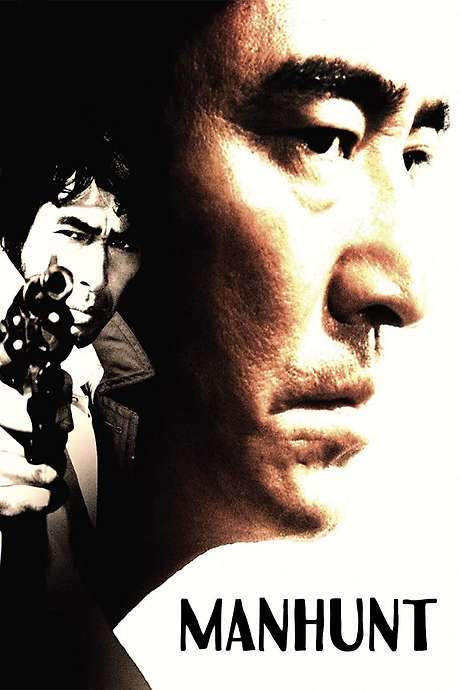
Intense police manhunt movies like Nightmare in Chicago

Stories of relentless law enforcement pursuits with tight deadlines and city-wide stakes. For viewers who liked the high-stakes chase in Nightmare in Chicago, this section features movies with similar urgent police procedurals. These films capture the tense, fast-paced drama of city-wide manhunts and the exhaustive effort to catch a criminal against a ticking clock.

  • tense
  • urgent
  • methodical
  • suspenseful
  • anxious
  • exhausting
  • Tone: tense, methodical
  • Pacing: fast, relentless
Why these movies?

The story pattern: Narratives in this thread typically follow a linear, high-stakes chase. Law enforcement is pitted against an elusive antagonist, often a serial killer or fugitive, with the plot driven by a series of tactical moves and counter-moves. The structure is a race against time, focusing on the machinery of the hunt rather than deep psychological exploration.

Why they belong together: Movies are grouped here for their shared focus on the procedural intensity of a manhunt. They deliver a consistent vibe of urgent, anxious pursuit, with fast pacing and a tense tone that keeps viewers on the edge of their seats, mirroring the exhausting reality of a large-scale police operation.
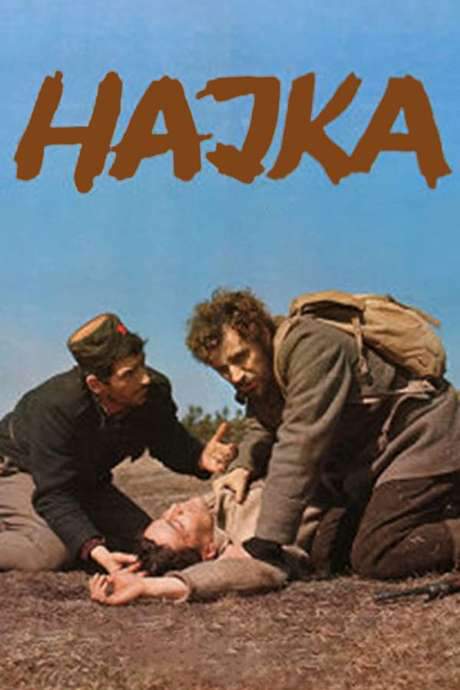
Claustrophobic urban thrillers similar to Nightmare in Chicago

Thrillers where a sprawling city becomes a pressurized trap for its inhabitants. If you appreciated the tense atmosphere of Chicago's turnpike in Nightmare in Chicago, explore these movies where a city becomes a claustrophobic maze. These films share a vibe of being trapped within a metropolitan system, creating high anxiety through confined movement and relentless pursuit.

  • claustrophobic
  • tense
  • anxious
  • suspenseful
  • trapped
  • methodical
  • Tone: tense, anxious, claustrophobic
  • Pacing: steady, methodical
Why these movies?

The story pattern: The narrative pattern involves characters, whether pursuers or pursued, who are constrained by the very infrastructure of a city. Lockdowns, sealed perimeters, and systematic searches turn familiar streets into a labyrinthine prison. The journey is one of navigating this pressurized environment, where escape seems impossible despite the urban sprawl.

Why they belong together: These movies are linked by their unique ability to generate a claustrophobic mood within an urban setting. They share a tense, anxious tone and a methodical pacing that emphasizes the feeling of being hunted or confined by societal machinery, creating a distinct and nerve-wracking viewing experience.

If you liked this

Movies Like Nightmare in Chicago

Similar movies to Nightmare in Chicago: the same genre, themes or kind of story. Each one comes with its own plot summary, timeline and ending explained.

Browse all movie summaries

Every angle

Nightmare in Chicago (1964) Explained: Plot, Timeline & Characters

Everything about Nightmare in Chicago in one place: what happens in the plot summary, the timeline in chronological order, the characters and meaning and a spoiler-free summary. What's After the Movie adds the cast, box office and post-credit scenes.

Coming soon on iOS and Android

The Plot Explained Movie Summary App

Plot summaries, endings explained and timelines on your phone. Catch up on any movie in minutes, save your favorites and never miss a twist again.

Be the first to know when we launch. Your email stays private, always.

Learn more about the app