Plot Explained Spoilers guaranteed!
Plot Explained

Browse by genre

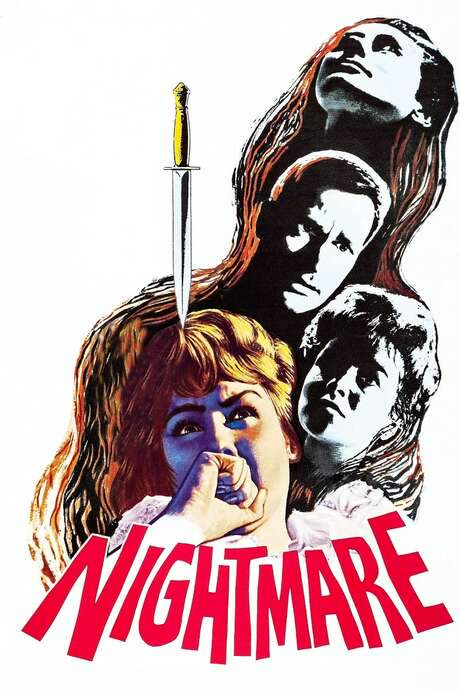
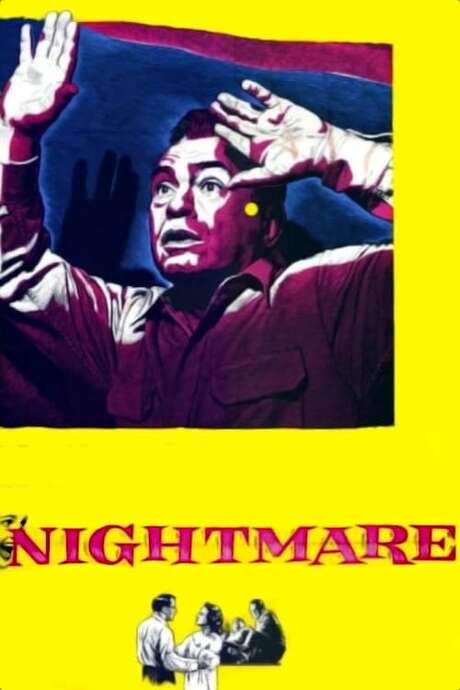
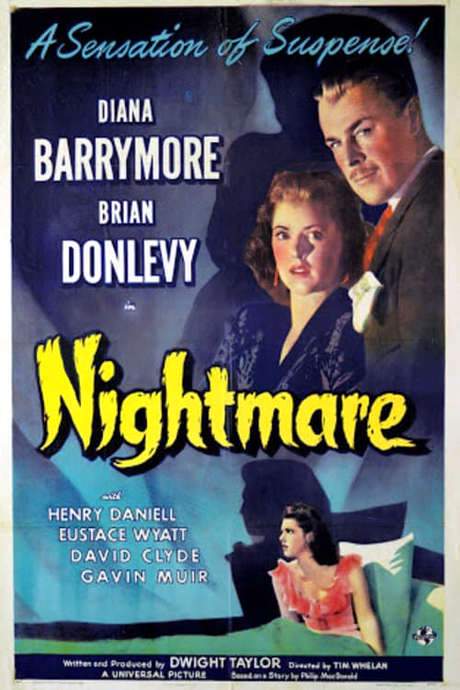
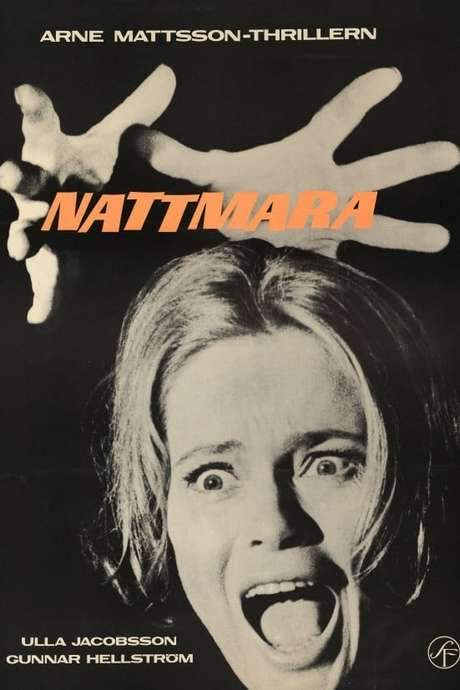
Nightmare (1965) movie poster

Characters & Themes

Nightmare (1965) Characters, Setting & Themes Explained

Release, runtime and language
1965 · 101 mins · Swedish
Directed by
Arne Mattsson
Starring
Sven Lindberg, Christina Carlwind, Mona Malm, Ulla Jacobsson, Tord Peterson, Mimi Pollak

A woman driving alone at night nearly runs over a man on the road. She stops to investigate, and the stranger suddenly attacks her. Later, a farmer discovers the dead body of Eva Jansson and alerts the police. Soon after, fashion designer Maj Berg travels the same route, is halted by officers, and once the road reopens she suffers a flat tire. While changing the spare, she finds a mysterious black notebook lodged in the ditch. Back in Stockholm, Maj opens it and is shocked to see a cryptic note that seems to involve her directly.

On this page (7)
  1. 1 Characters explained (6)
  2. 2 Where & when it takes place
  3. 3 Themes & meaning (3)
  4. 4 Character & meaning questions
  5. 5 Movie threads
  6. 6 Movies like Nightmare
  7. 7 Every angle

6 main characters · contains spoilers

Nightmare Characters Explained: Who Is Who

The main characters of Nightmare (1965), heroes and villains: what drives them, how they change over the course of the story and what each of them reveals about the film's bigger ideas.

  • Janet Freeman

    A finishing-school girl plagued by nightmares stemming from a past tragedy. She is fragile, anxious, and increasingly susceptible to manipulation, leading to dangerous actions under perceived threat. Her struggle to discern reality drives the psychological tension of the plot.

    • 🌀 Fragile psyche
    • 😨 Fear
    • 🧠 Trauma
  • Grace Maddox

    An attractive nurse-companion who appears caring but is revealed as the white-shrouded figure from Janet's dreams. She collaborates with Henry to destabilize Janet, using disguise and calculated ruthlessness to achieve her aims.

    • 🎭 Deception
    • 🪄 Disguise
    • 🗡️ Ruthlessness
  • Henry Baxter

    Janet's guardian and Grace's husband, a manipulative figure who participates in the scheme to destabilize Janet. His involvement shows a willingness to use power and influence to control the outcome.

    • ⚙️ Manipulation
    • 🧠 Control
    • 🕵️‍♂️ Conspiracy
  • Miss Mary Lewis

    A teacher who takes Janet into her care and ultimately helps expose the conspiracy. She represents a moral center and a catalyst for bringing the truth to light.

    • 👩‍🏫 Moral Compass
    • 🛡️ Protection
    • 💡 Revelation
  • John (Chauffeur)

    The household chauffeur who assists in uncovering Grace and Henry's plot. He becomes part of the effort to restore Janet's safety and sanity.

    • 🚗 Service
    • 🕵️‍♂️ Investigation
    • 🤝 Loyalty
  • Mrs Gibbs

    The housekeeper who doubts the household's stability and collaborates with Miss Lewis and John to reveal the plot. She contributes to the collective effort to protect Janet.

    • 🧹Household
    • 🕊️ Solidarity
    • 🧭 Truth-seeking

Last updated: March 05, 2026 at 18:18

Was this helpful?

Setting

Where and When Does Nightmare Take Place?

The setting of Nightmare (1965): the year and time period, the places and locations, and how they shape the characters, the mood and the tension of the story.

Time period

Location

Finishing School, Henry's House, Asylum

The story centers around Janet's life at a strict finishing school and then in the household of Henry, where impeccable manners mask a web of fear. The estate becomes a focal point for secrets, manipulations, and confrontations, while the asylum setting marks the collapse of Janet's perceived reality. The contrast between the polished interior and institutional corridors heightens the suspense and sense of danger throughout.

  • 🏫 Finishing School
  • 🏰 Mansion
  • 🧠 Asylum

Last updated: March 05, 2026 at 18:18

Was this helpful?

3 major themes

Nightmare Meaning: Themes & Message Explained

What is Nightmare (1965) really about? The emotional, social and philosophical themes the film keeps returning to, its symbolism and the message beneath the surface.

  • Mental Health

    The film foregrounds the fragility of the mind under trauma and manipulation. Janet's nightmares and deteriorating grip on reality show how psychological pressure can distort memory. Psychiatric care and sedation appear as instruments within a power struggle rather than healing. The narrative treats mental health as a battleground for truth and control.

  • Gaslighting

    Grace and Henry orchestrate scenes designed to make Janet doubt her own memory and perceptions. Disguises, staged conversations, and selective truth reveal how easily reality can be manipulated. The suspense hinges on trust, or the illusion of it, within the household. The revelation reframes what the audience took as fact.

  • Revenge & Justice

    The conspirators' plot is countered by those who recognize the danger and seek accountability. Janet's protectors shift from passive observers to active participants in exposing Grace and Henry. The story contrasts personal vendetta with community-driven justice. The final turn reinforces that deceit carries consequences and that true justice arrives through collective action.

Last updated: March 05, 2026 at 18:18

Was this helpful?

Character & theme questions

Nightmare Characters & Meaning: Your Questions Answered

The questions people ask about Nightmare (1965): who the characters really are, their relationships, what the symbols mean, where it takes place and what the movie is really about. Each answer contains spoilers.

Q1

Where is the movie Nightmare set?

Nightmare takes place across three main locations: a strict finishing school where Janet lives, a luxurious estate called Henry's House where she becomes a ward, and finally an asylum where her grip on reality unravels. The stark contrast between the polished interiors of the mansion and the cold institutional corridors heightens the sense of danger throughout the film.

  • finishing school
  • henry's house
  • asylum
  • setting
  • locations
Q2

What time period does Nightmare take place in?

The exact time period is not explicitly stated in the source material, but the setting suggests an early to mid-20th century backdrop given the finishing school environment, the presence of a chauffeur, and the overall aesthetic of Henry's estate.

  • time period
  • era
  • setting
  • vintage
Q3

What does the Mental Health theme explore in Nightmare?

The film explores how trauma and manipulation can fracture the mind. Janet's nightmares and deteriorating grip on reality demonstrate how psychological pressure distorts memory and perception. The asylum and psychiatric care are presented not as healing but as instruments of control within a power struggle between Janet and her manipulators.

  • mental health
  • trauma
  • psychology
  • manipulation
  • asylum
Q4

How does gaslighting drive the plot of Nightmare?

Grace and Henry deliberately orchestrate scenes designed to make Janet doubt her own memory and perceptions. Through disguises, staged conversations, and selective truths, they create an illusion of trust while systematically destabilizing her understanding of reality. The suspense builds around whether Janet can discern what is real.

  • gaslighting
  • manipulation
  • deception
  • trust
  • reality
Q5

How is revenge and justice portrayed in Nightmare?

While Grace and Henry plot against Janet, their scheme is ultimately countered by those who recognize the danger. Miss Mary Lewis, John the chauffeur, and Mrs Gibbs form an alliance to expose the conspiracy and protect Janet. The film concludes that deceit carries consequences and that justice emerges through collective action rather than personal vendetta.

  • revenge
  • justice
  • conspiracy
  • expose
  • truth
Q6

Who is Janet Freeman in Nightmare?

Janet Freeman is the protagonist, a young woman from a finishing school who suffers from nightmares stemming from a past tragedy. She is fragile and anxious, making her highly susceptible to manipulation. Her struggle to distinguish reality from illusion drives the psychological tension of the entire film.

  • janet freeman
  • protagonist
  • victim
  • nightmares
  • vulnerability
Q7

Who is Grace Maddox in Nightmare?

Grace Maddox is the primary antagonist, presented as an attractive nurse-companion who appears genuinely caring toward Janet. She is revealed to be the white-shrouded figure from Janet's nightmares. Working alongside her husband Henry, she uses disguise and calculated ruthlessness to systematically destabilize Janet's sanity.

  • grace maddox
  • antagonist
  • villain
  • manipulation
  • nurse
Q8

Who is Henry Baxter in Nightmare?

Henry Baxter is Janet's guardian and Grace's husband. He is a manipulative figure who participates in the conspiracy to destabilize Janet, using his position of authority and power to control the outcome. His involvement reveals a willingness to exploit his influence for sinister purposes.

  • henry baxter
  • guardian
  • antagonist
  • manipulation
  • power
Q9

What role does Miss Mary Lewis play in the story?

Miss Mary Lewis is a teacher who takes Janet into her care and serves as the moral center of the film. She ultimately helps expose the conspiracy against Janet, working alongside John and Mrs Gibbs to bring the truth to light and restore Janet's safety.

  • miss mary lewis
  • teacher
  • ally
  • moral center
  • protector
Q10

How does Nightmare end for the villains?

The conspirators, Grace and Henry, ultimately fall victim to their own scheme. Their plot is exposed through the collective effort of Miss Mary Lewis, John, and Mrs Gibbs. While Janet is freed from their manipulation, the ending is bittersweet given the severe psychological damage she sustained and the violent deaths that punctuate the resolution.

  • ending
  • conclusion
  • villains
  • justice
  • resolution

Movie threads

More Movies Like Nightmare, by Mood & Story

Curated lists built around what makes Nightmare tick: the same mood, the same kind of story or the same emotional payoff. Each list explains why these movies belong together.

Paranoid Gaslighting Thrillers like Nightmare

Stories where the protagonist's reality is systematically undermined by conspirators. If you liked the systematic psychological torment in 'Nightmare', you'll find more movies here where a fragile protagonist is gaslit into doubting their sanity. These films create a similar claustrophobic atmosphere of escalating paranoia and manipulation.

  • gaslighting
  • paranoid
  • suspenseful
  • sinister
  • claustrophobic
  • psychological manipulation
  • Tone: tense, paranoid
  • Pacing: steady, deliberate
Why these movies?

The story pattern: Narratives in this thread typically follow a vulnerable character—often isolated or recovering from trauma—who becomes the target of a deliberate campaign to make them question their sanity. The plot unfolds through a series of suspicious events, false evidence, and manipulative interactions, leading to a climax where the conspiracy is either exposed or collapses under its own weight.

Why they belong together: Movies share this grouping because they focus intensely on the experience of psychological abuse and gaslighting. They create a specific, unsettling mood where the protagonist's perception of reality is the central conflict, resulting in a tense, emotionally heavy viewing experience.
Movies with Fragile Protagonists under Psychological Siege like Nightmare

Emotionally fragile characters besieged by external psychological forces. Find more films like 'Nightmare' where an emotionally vulnerable character endures a sustained psychological attack. If you were captivated by the portrayal of a fragile woman targeted by conspirators, this thread groups similar stories of mental resilience under pressure.

  • psychological torment
  • fragile protagonist
  • unsettling
  • anxious
  • suspenseful
  • trauma
  • Tone: tense, heavy, unsettling
  • Pacing: steady
Why these movies?

The story pattern: These narratives often begin by establishing the protagonist's emotional fragility or past trauma. An external force—be it individuals, an institution, or a circumstance—then begins a systematic campaign to break them down. The story arc follows the protagonist's gradual descent into despair, a crucial turning point, and a fight for recovery, often leaving them scarred but alive.

Why they belong together: These films are grouped by their central focus on a character's psychological vulnerability and the intense, often cruel, external pressure applied to them. They share a heavy emotional weight and a tone that is deeply suspenseful and unsettling, focusing on the internal battle for sanity.

If you liked this

Movies Like Nightmare

Similar movies to Nightmare: the same genre, themes or kind of story. Each one comes with its own plot summary, timeline and ending explained.

Browse all movie summaries

Every angle

Nightmare (1965) Explained: Plot, Timeline & Characters

Everything about Nightmare in one place: what happens in the plot summary, the timeline in chronological order, the characters and meaning and a spoiler-free summary. What's After the Movie adds the cast, box office and post-credit scenes.

Coming soon on iOS and Android

The Plot Explained Movie Summary App

Plot summaries, endings explained and timelines on your phone. Catch up on any movie in minutes, save your favorites and never miss a twist again.

Be the first to know when we launch. Your email stays private, always.

Learn more about the app