Plot Explained Spoilers guaranteed!
Plot Explained

Browse by genre

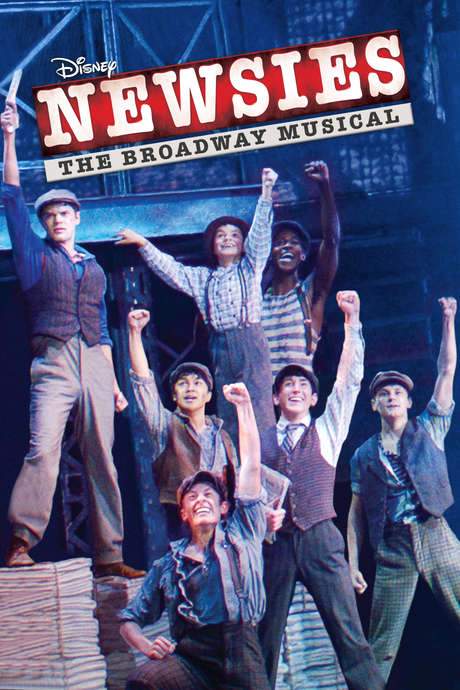
Newsies (2017) movie poster

Plot Summary

Newsies (2017) Plot Summary Explained

Release, runtime and language
2017 · 134 mins · English
Loading streaming availability…
Directed by
Brett Sullivan
Starring
Andrew Wilson, Andrew Keenan Bolger, Jeremy Jordan, Jacob Guzman, Ben Cook, Andy Richardson

In turn-of-the-century New York, a group of young newspaper sellers, known as Newsies, find themselves exploited by their powerful publisher, Joseph Pulitzer. When Pulitzer attempts to cut their pay, the Newsies go on strike, determined to fight for their rights. They face significant challenges and confront Pulitzer’s ruthless tactics as they struggle to stand up for what they believe in. The story follows a week in their lives as they navigate the complexities of a strike and fight for fairness.

On this page (6)
  1. 1 Where to watch
  2. 2 What happens: full plot
  3. 3 Plot questions answered
  4. 4 Movie threads
  5. 5 Movies like Newsies
  6. 6 Every angle
Loading streaming availability…

Full plot summary · contains spoilers

What Happens in Newsies: Full Plot Summary

The whole story of Newsies (2017) explained, from the opening scene to the final frame: every key event, every twist and what it all adds up to. Read it as a quick recap before the sequel, to check a scene you missed, or to finally understand what really happened.

In 1899, 17-year-old Jack [Jeremy Jordan] Kelly lives amid a tight-knit crew of New York City newsies, hustling bundles of the New York World on crowded Manhattan streets in a rough-but-resilient world they call the life of a paper hawker. When David Jacobs and his younger brother [Les](/actor/ethan Steiner) join the group, Jack notices David's intelligence and Les's easy charm, and he takes them under his wing as if they were family he’s been missing. Invitations to the Jacobs' home for dinner deepen his longing for a real clan of his own, and he finds himself drawn to their sister Sarah as he fantasizes about leaving the city behind for something brighter, perhaps a chance at Santa Fe, a distant dream of freedom. The mood is bittersweet, a blend of camaraderie and longing that threads through their every day.

When publisher Steve Blanchard Joseph Pulitzer raises the price newsies must pay to buy papers, and grabs credit for the move with the help of his sharp-shouldered right-hand man Bill Bateman Bunsen, Jack and David rally the others to strike The World Will Know. The strike begins to spread as newsies in the city’s other boroughs are alerted, while Jack and Les confront Pulitzer’s power and push back against the system that keeps them underfed and underpaid. The Brooklyn crew, led by Tommy Bracco as Spot Conlon, is reluctantly drawn into the fight, and together they rally a chorus of young workers to stand up for their dignity. The strike is tempered by moments of resolve and song, from the rousing call of Seize the Day to the defiant unity of the group as they defend one another against the forces that would keep them silent and unseen.

Crises mount when the Delancey brothers, enforcers for Pulitzer, capture disabled newsie Crutchie, sending him to the Refuge—a grim orphanage where a corrupt warden allows the city to siphon money meant for care. The boys’ mission to resist becomes personal as they face the cruelty of the system, and the city’s mood begins to tilt in their favor as reporters like Denton bring the story into the light. The newsies improvise a frontline defense, and their unity grows even as the odds tighten around them.

The strike doubles down on courage as the newsies stage a bold response to the crackdown. They publish a makeshift Newsie Banner using an old printing press from Pulitzer’s own facilities, sealing their message with a bold claim that the country’s future depends on their labor and their voices. The action catches the eye of Governor Kevin Carolan Theodore Roosevelt, and the public’s sympathy begins to shift toward the strikers as the truth about the Refuge surfaces. The front page becomes a symbol of solidarity, a beacon that invites others to join the cause and to see that these children deserve more than the cages and cages of greed that have kept them in place. As public opinion shifts, the city’s leaders and citizens alike begin to question the authority that has long upheld this imbalance, and the striking newsies feel the heat of real change inching closer.

In a pivotal confrontation, Pulitzer contemplates offering Jack a path back into paid work if he abandons the strike, but the newsies refuse to retreat. Instead, they press on, knowing that the system cannot endure a united chorus of voices from the streets. Roosevelt acts, the Refuge is dismantled, and the children are freed, with Snyder’s grip on the youth finally loosened and the path to a more just arrangement opening up before them. Jack’s courage becomes a catalyst for the city to reexamine how it treats its youngest workers, and the newsies’ rallying cry—gleaned from their shared experience and their songs—resonates far beyond the streets they know.

As the dust settles, Jack faces a personal choice about where he belongs. He returns with a renewed sense of purpose, welcomed back into the fabric of New York rather than shipped off to distant Santa Fe. The city celebrates the victory as Sarah watches with pride, and the two share a quiet kiss that seals a new chapter for them both. Spot Conlon’s Brooklyn alliance is restored and reinforced, completing a circle of solidarity that proves the power of courage, community, and the belief that every voice can shift a city’s future.

The story is a heartfelt, hopeful portrait of resilience and brotherhood, told with warmth and scope. Its characters move through a dynamic tapestry of friendship, love, and political awakening, all underscored by a memorable soundtrack that keeps the spirit of the newsies alive: a chorus that refuses to stay silent, a city that learns to listen, and a young cast who discovers that the hardest battles can lead to the brightest dawns. The journey from street corners to a city-wide chorus is long, but it ends with a promise that, when people stand together, they can rewrite their own headlines.

Last updated: October 01, 2025 at 13:06

Was this helpful?

Plot questions answered

Newsies Plot Explained: Your Questions Answered

The questions people ask most about Newsies (2017): what happens in the confusing scenes, why the characters do what they do, the twists, hidden details and what the ending means. Each answer contains spoilers.

Q1

Why does Jack Kelly decide to lead the newsies' strike?

Jack decides to lead the strike because he sees the price hike as another instance of the powerful exploiting children who already struggle to survive. When Pulitzer raises the cost of newspapers, Jack and David rally the other newsies to fight back, viewing it as their chance to demand fair pay and dignity. His leadership stems from a combination of his protective nature toward the younger newsies and his personal desire to stand up to the system that has kept him poor.

Foreshadowing: Earlier in the film, Jack expresses longing for belonging and a better life in Santa Fe, showing he craves freedom from oppression.

  • jack kelly
  • newsies strike
  • leadership
  • motivation
  • pulitzer
Q2

Why does Joseph Pulitzer raise the price newsies must pay for papers?

Pulitzer raises the price to increase his own profit margins, treating the newsies as expendable costs rather than partners. He takes credit for the move through his assistant Bunsen, showing he views the children as mere tools for his business. This price hike directly triggers the strike, as it would leave the newsies earning even less money for their labor.

  • pulitzer
  • price hike
  • newspaper cost
  • exploitation
Q3

How do the Brooklyn newsies become involved in the strike?

David travels to Brooklyn to inform the local newsies about the strike, convincing their leader Spot Conlon to join the cause. Initially reluctant because Manhattan newsies had previously refused to help Brooklyn, Spot eventually agrees after seeing the genuine commitment of the Manhattan crew. The Brooklyn alliance significantly strengthens the movement and expands the strike citywide.

  • brooklyn newsies
  • spot conlon
  • strike expansion
  • citywide
Q4

What is the Refuge and why does it matter in the story?

The Refuge is a grim orphanage and juvenile detention center run by corrupt warden Snyder, who embezzles funds meant for the children's care. When Crutchie is captured by the Delancey brothers, he is sent there, revealing the cruel system that exploits vulnerable children. The conditions at the Refuge become a key point that the newsies expose to gain public sympathy.

Foreshadowing: The Delancey brothers are established as Pulitzer's enforcers who target weaker newsies.

  • refuge
  • crutchie
  • warden snnyder
  • orphanage
  • child labor
Q5

Why does Jack get arrested and what happens to him?

Snyder informs Pulitzer that Jack is an escapee from the Refuge, leading to Jack's arrest and a four-year sentence. Pulitzer then offers to waive Jack's sentence if he agrees to return to work and abandon the strike, using Jack's criminal record as leverage. This moment tests Jack's commitment to the cause versus his personal freedom.

Foreshadowing: Jack's mysterious past and escape from the Refuge are hinted at earlier, creating tension around his identity.

  • jack arrest
  • escapee
  • refuge sentence
  • pulitzer deal
Q6

How does Governor Theodore Roosevelt help the newsies?

After receiving the Newsie Banner that exposes the abuses at the Refuge, Governor Roosevelt takes action against the corrupt system. He has Snyder arrested for his crimes and releases all the children from the Refuge. Roosevelt's intervention turns public opinion in favor of the newsies and provides the political backing needed to end their exploitation.

Foreshadowing: The Newsie Banner is published specifically to draw attention from city leaders and the public.

  • theodore roosevelt
  • refuge
  • newsie banner
  • government intervention
  • snyder
Q7

Why does Jack choose to stay in New York instead of going to Santa Fe?

Jack decides to stay in New York after seeing the impact of the strike and realizing he has found the family and purpose he was always seeking. The victory against Pulitzer gives him a sense of belonging he never had before, and his relationship with Sarah further anchors him to the city. Rather than running to an imagined paradise, Jack chooses to fight for a better future where he already is.

Foreshadowing: Jack repeatedly mentions Santa Fe as an escape, but his growing connection to the Jacobs family and the newsies shows his true desire for belonging.

  • jack kelly
  • santa fe
  • new york
  • stay
  • choice
  • family
Q8

What happens to Crutchie after he is sent to the Refuge?

Crutchie is imprisoned in the Refuge, a harsh orphanage where warden Snyder neglects the children while stealing funds meant for their care. His capture galvanizes the newsies to fight harder, as they see the real consequences of standing up to Pulitzer. Crutchie is eventually freed when Roosevelt dismantles the Refuge and has Snyder arrested.

Foreshadowing: Crutchie's disability and gentle nature make him a vulnerable target for the Delancey brothers.

  • crutchie
  • refuge
  • imprisonment
  • rescue
Q9

Why does Pulitzer offer Jack a deal to end the strike?

Pulitzer tries to use Jack's status as an escapee to manipulate him into betraying the strike, offering to clear his record in exchange for returning to work. This represents Pulitzer's attempt to divide and conquer the movement by targeting its leader. Jack refuses the deal, demonstrating his commitment to the collective cause over his personal freedom.

  • pulitzer
  • jack deal
  • manipulation
  • strike leadership
Q10

What is the Newsie Banner and what effect does it have?

The Newsie Banner is a makeshift newspaper the newsies publish using an old press from Pulitzer's own facilities. It spreads to child laborers across the city, exposing the abuse at the Refuge and rallying public support. The publication catches the attention of Governor Roosevelt, who uses it as evidence to take action against the corrupt system.

  • newsie banner
  • publication
  • propaganda
  • public support
  • roosevelt

Movie threads

More Movies Like Newsies, by Mood & Story

Curated lists built around what makes Newsies tick: the same mood, the same kind of story or the same emotional payoff. Each list explains why these movies belong together.

Uplifting Underdog Triumphs like in Newsies

Stories where the little guys unite and overcome powerful opposition through sheer spirit. If you liked the inspiring victory in Newsies, you'll enjoy these movies about groups fighting against the odds. This list features similar stories of solidarity and triumphant hope, where collective action leads to a happy ending against powerful foes.

  • uplifting
  • rousing
  • hopeful
  • defiant
  • celebratory
  • heartfelt
  • Tone: hopeful, defiant, celebratory
  • Pacing: steady, building
Why these movies?

The story pattern: The narrative follows a clear, often linear path: an injustice sparks a rebellion, the underdogs face escalating challenges and moments of doubt, but their unity and resilience ultimately lead to a decisive and satisfying victory. The focus is on the collective journey rather than a single hero.

Why they belong together: Movies in this thread share a core emotional experience: a blend of righteous defiance, heartfelt camaraderie, and an overwhelmingly hopeful, uplifting tone. They balance medium emotional weight with a steady pace, ensuring the stakes feel real but the outcome is powerfully positive.

Youth-Led Social Justice Movements like in Newsies

Coming-of-age tales intertwined with collective action for a better world. Looking for more movies like Newsies about young activists? These films capture the spirit of youth standing up for their rights. You'll find similar stories featuring class struggle, found family, and the energizing feel of a fight for fairness led by the next generation.

  • youthful
  • defiant
  • heartfelt
  • hopeful
  • purposeful
  • brotherly
  • Tone: hopeful, defiant, heartfelt
  • Pacing: steady, purposeful
Why these movies?

The story pattern: The plot often follows a group of young characters as a personal injustice sparks a political awakening. Their journey is a dual arc of coming of age and activist organization, facing external threats while strengthening internal bonds. The resolution validates their efforts and marks a pivotal step in their maturation.

Why they belong together: These films are grouped by their unique blend of the 'coming-of-age' genre with the 'social justice' narrative. They share a specific vibe: the energy and idealism of youth channeled into collective action, resulting in a story that is both personally heartfelt and politically resonant.

If you liked this

Movies Like Newsies

Similar movies to Newsies: the same genre, themes or kind of story. Each one comes with its own plot summary, timeline and ending explained.

Browse all movie summaries

Every angle

Newsies (2017) Explained: Plot, Timeline & Characters

Everything about Newsies in one place: what happens in the plot summary, the timeline in chronological order, the characters and meaning and a spoiler-free summary. What's After the Movie adds the cast, box office and post-credit scenes.

Coming soon on iOS and Android

The Plot Explained Movie Summary App

Plot summaries, endings explained and timelines on your phone. Catch up on any movie in minutes, save your favorites and never miss a twist again.

Be the first to know when we launch. Your email stays private, always.

Learn more about the app