Plot Explained Spoilers guaranteed!
Plot Explained

Browse by genre

Times Square (1980) movie poster

Plot Summary

Times Square (1980) Plot Summary Explained

Release, runtime and language
1980 · 111 mins · English
Directed by
Allan Moyle
Starring
Jay Acovone, Steve James, Elizabeth Peña, Trini Alvarado, Tim Curry, David Margulies

Set amid the glitter of Times Square, a poor girl unexpectedly rises to fame while a wealthy girl discovers her own courage, and the two form an unlikely friendship. When a 13‑year‑old befriends a rebellious street kid, the mismatched runaways journey to the Big Apple, seeking adventure and self‑discovery together.

On this page (5)
  1. 1 What happens: full plot
  2. 2 Plot questions answered
  3. 3 Movie threads
  4. 4 Movies like Times Square
  5. 5 Every angle

Full plot summary · contains spoilers

What Happens in Times Square: Full Plot Summary

The whole story of Times Square (1980) explained, from the opening scene to the final frame: every key event, every twist and what it all adds up to. Read it as a quick recap before the sequel, to check a scene you missed, or to finally understand what really happened.

Two teenage girls, Nicky Marotta Robin Johnson and Pamela Pearl Trini Alvarado, meet in the New York Neurological Hospital, each there for a mental health evaluation. Pamela is deeply depressed and insecure, feeling neglected and exploited by her father, David Pearl Peter Coffield, a wealthy commissioner campaigning to “clean up” Times Square. Nicky, by contrast, is blunt and street-smart, with dreams of making music, and she’s in the hospital after a brush with the police. The two women share a room, and a fast friendship grows: Nicky admires Pamela’s lyrical spirit, while Pamela appreciates Nicky’s unflinching honesty and resents the way doctors talk down to her.

When Pamela is released, she returns to the hospital ostensibly for a social-work appointment with Rosie Washington Anna Maria Horsford, but her real plan is to break Pamela out. The two escape together, stealing an ambulance, and vanish into the shadowy alleys before hiding out in an abandoned warehouse on the Chelsea Piers. From that shelter, they forge a pact to call for help by shouting each other’s names whenever trouble arises, turning their dire situation into a shared vow of loyalty and rebellion.

A city-wide manhunt unfolds as David Pearl denies responsibility and accuses Nicky of kidnapping his daughter, insisting Pamela needs medical attention. In the midst of the pursuit, a local radio voice comes into play: Johnny LaGuardia Tim Curry, a veteran DJ broadcasting from a penthouse studio above Times Square. He grows convinced that Pamela’s disappearance mirrors the distress he’s picked up in the public’s mood, and he uses his platform, WJAD, to reach out to the girls. This unlikely alliance helps them reframe their struggle as a message to a larger audience and gives them a chance to channel their feelings into music.

With LaGuardia’s support, the two girls begin writing songs and form an underground punk duo, the Sleez Sisters. LaGuardia sees their raw energy as a counterpoint to David Pearl’s glossy, sanitizing campaign to gentrify Times Square, and he helps them broadcast their voice beyond the hospital walls. When an open letter to Pamela appears in a newspaper, printed with the help of Rosie, the girls perform a bold, live set on WJAD that marks their rise to notoriety and street-level fame. Their rebellious mood intensifies as they start to gain attention by staging anarchic acts, such as tossing televisions from rooftops, a symbolism of rejecting control and consumer culture.

As the duo’s bond deepens, tensions emerge. Pamela begins to settle into a sense of herself and questions the path laid out for her, including her relationship with LaGuardia. Nicky, feeling a pull toward the wild frontiers of the Sleez Sisters’ future, grows jealous of Pamela’s budding autonomy and of any closeness she feels with LaGuardia. A heated break happens after a late-night confrontation in their warehouse hideout—the two friends throw LaGuardia and Pamela out, and Nicky unravels, destroying the journal she shared with Pamela. After a failed attempt to drown herself, Nicky searches WJAD for a response, demanding a slot on the air, though LaGuardia never obliges. In a crucial moment, Nicky’s voice breaks through as she calls out Pamela’s name, a plea for help that reframes their rift as a shared crisis demanding bonding rather than blame.

LaGuardia ultimately takes Pamela to Nicky, and Pamela decides to end the dangerous tug-of-war with LaGuardia. She accompanies Nicky to the center of Times Square, where David Pearl’s influence looms large. Pamela orchestrates a midnight, impromptu concert on the rooftop of a grindhouse at 42nd Street, alerting fans across the city to descend on Times Square. The plan uncovers a communal hunger for art outside official channels, and the message is clear: a city can be moved by two young women who refuse to be defined by fear.

Nicky steps into a garb of garbage bags and bandit-like makeup, performing atop the marquee roof as a cheering crowd surges below. As police close in from behind, she dives into the awaiting blanket held by fans, vanishing into the throng and the night. Pamela watches, a mix of pride and sorrow washing over her, as her friend disappears into the city’s electric darkness, leaving the future uncertain but the moment unforgettable.

Last updated: October 09, 2025 at 14:58

Was this helpful?

Plot questions answered

Times Square Plot Explained: Your Questions Answered

The questions people ask most about Times Square (1980): what happens in the confusing scenes, why the characters do what they do, the twists, hidden details and what the ending means. Each answer contains spoilers.

Q1

Why does Nicky break Pamela out of the mental hospital?

Nicky breaks Pamela out because she sees her friend as trapped and neglected, just as Nicky feels trapped by the system. During their time together in the hospital, Nicky recognizes that Pamela is depressed and being exploited by her father, and she believes escaping together is the only way both of them can be free. The escape represents their shared rejection of the medical and social systems that have confined them.

Foreshadowing: Earlier in the hospital, both girls express resentment toward the doctors who talk down to them, setting the stage for their decision to reject institutional control.

  • nicky marotta
  • pamela pearl
  • hospital escape
  • mental health
  • friendship
Q2

Why does David Pearl accuse Nicky of kidnapping his daughter?

David Pearl accuses Nicky of kidnapping because it serves his political agenda to clean up Times Square. By framing Nicky as a dangerous criminal, he deflects responsibility for his daughter's disappearance and strengthens his public image as a law-and-order candidate. This accusation also allows him to avoid addressing the underlying issues in his family and his daughter's mental health struggles.

Foreshadowing: David's campaign to gentrify Times Square is introduced early, showing he prioritizes public image over genuine care for his daughter.

  • david pearl
  • kidnapping accusation
  • times square cleanup
  • commissioner
  • politics
Q3

How does radio DJ Johnny LaGuardia become an ally to the girls?

LaGuardia becomes an ally after discovering Pamela is the mysterious 'Zombie Girl' who has been writing to his radio show. He resents David Pearl's gentrification efforts and sees the girls as a way to undermine the commissioner's sanitizing campaign. Using his radio platform WJAD, he reaches out to them, helps them write songs, and gives their punk duo a voice, seeing their rebellion as a counterpoint to the political establishment.

Foreshadowing: LaGuardia's radio broadcasts are established early as a voice in the city, and his penthouse studio overlooking Times Square symbolizes his position of influence.

  • johnny guardado
  • dj
  • WJAD
  • radio
  • sleez sisters
  • alliance
Q4

What does throwing televisions off rooftops symbolize in the movie?

The TV-throwing acts symbolize a direct rejection of corporate control and consumer culture. By destructively discarding TVs from rooftops, the Sleez Sisters send a message to the city that they're refusing to be sedated by mainstream media and mass-produced entertainment. The stunts cement their status as rebellious icons and transform their music into tangible, controversial performance art.

Foreshadowing: Earlier scenes establish the girls' disdain for systems that try to control them, building toward this physical expression of defiance.

  • televisions
  • rooftops
  • rebellion
  • punk
  • consumer culture
  • symbolism
Q5

Why does Nicky have a breakdown and try to drown herself?

Nicky breaks down after her heated fight with Pamela, during which she destroys their shared journal and kicks LaGuardia and Pamela out of the warehouse. Feeling abandoned and unable to cope with her jealousy over Pamela's growing autonomy and connection to LaGuardia, Nicky drowns her sorrows in alcohol before attempting to take her own life. Her desperate call to WJAD, crying out Pamela's name, reveals her deep fear of losing the friendship that defines her identity.

Foreshadowing: Tension has been building throughout the film as Nicky becomes increasingly jealous of Pamela's relationship with LaGuardia and her emerging independence.

  • nicky breakdown
  • drowning
  • suicide attempt
  • jealousy
  • friendship crisis
  • journal
Q6

What happens to Nicky at the end of the movie?

At the end, Nicky performs on the marquee roof above Times Square wearing a garbage-bag costume and bandit makeup, addressing a massive cheering crowd. As police close in, she leaps into a blanket held by fans and disappears into the throng, vanishing into the city. This act grants her a form of liberation and fame, but it comes at the cost of separating from Pamela, leaving their future together uncertain.

Foreshadowing: The girls' earlier pact to call each other's names in trouble, and their shared dream of being heard, foreshadow this final public declaration.

  • nicky marotta
  • finale
  • rooftop performance
  • times square
  • disappearance
  • freedom
Q7

Why do Nicky and Pamela have a falling out?

Nicky and Pamela fall out because their paths diverge as they grow. Pamela begins finding herself and contemplating returning home, while Nicky wants to continue with the Sleez Sisters and resents Pamela's growing closeness with LaGuardia. Nicky feels jealous and abandoned, interpreting Pamela's budding independence as a betrayal of their pact. The confrontation in the warehouse leads to Nicky destroying their shared journal and driving them out.

Foreshadowing: Tension builds gradually as Pamela becomes more confident and LaGuardia takes a more active role in her life, creating distance between the two friends.

  • nicky
  • pamela
  • falling out
  • friendship conflict
  • jealousy
  • separation
Q8

What is the significance of the midnight rooftop concert?

The midnight rooftop concert represents the culmination of the girls' rebellion against the system. By choosing the iconic location of 42nd Street in Times Square and mobilizing fans through every radio station, Pamela transforms their underground movement into a citywide event. The concert challenges the establishment on its own turf, proving that art and voice can transcend official channels. It becomes a statement about artistic freedom and collective power.

Foreshadowing: LaGuardia's earlier use of his radio platform to amplify their message establishes the power of media as a tool for their rebellion.

  • midnight concert
  • rooftop
  • 42nd street
  • times square
  • rebellion
  • performance
  • fans
Q9

Why does Pamela go to her father's office before the final performance?

Pamela goes to her father's office in Times Square as a bold move to confront the source of her troubles directly. With Nicky, she approaches the heart of David Pearl's power, signaling her refusal to be defined by his campaign or his control. This visit sets up the plan for the midnight rooftop concert, shifting their struggle from running away to actively challenging the system in plain view.

Foreshadowing: David's presence as a powerful, controlling figure looming over Times Square has been established throughout the film as the obstacle the girls must overcome.

  • pamela pearl
  • david pearl
  • office
  • times square
  • confrontation
  • father daughter
Q10

What does Nicky's garbage-bag costume represent at the end?

Nicky wearing a garbage-bag costume and bandit makeup transforms her poverty and street existence into a powerful visual statement. Rather than hiding her marginalized status, she embraces it as a costume, a rejection of mainstream fashion and societal shame. The look makes her both visible and untouchable, turning her background into a badge of authenticity that resonates with her punk identity and rebellion against the polished, sanitized world her father's campaign represents.

Foreshadowing: Nicky has been established as street-smart and unapologetic about her background throughout the film, making this costume an authentic expression of her identity.

  • garbage bag costume
  • makeup
  • punk aesthetic
  • poverty
  • rebellion
  • identity
  • symbolism
Q11

Why does Pamela ultimately choose to stay with Nicky over returning home?

Pamela chooses Nicky because their friendship represents genuine connection and self-discovery, unlike her life at home which left her depressed and exploited. Through their journey, Pamela finds her voice, identity, and purpose, things her wealthy family never provided. Even after their rift, the bond proves unbreakable when Nicky calls out for help. Pamela recognizes that returning to her father would mean returning to a controlled, oppressive existence.

Foreshadowing: The hospital scene establishes that Pamela feels neglected and used by her father, while Nicky offers unconditional acceptance and support.

  • pamela pearl
  • loyalty
  • friendship
  • self discovery
  • choosing Nicky
  • independence

Movie threads

More Movies Like Times Square, by Mood & Story

Curated lists built around what makes Times Square tick: the same mood, the same kind of story or the same emotional payoff. Each list explains why these movies belong together.

Rebellious teen runaway stories like Times Square

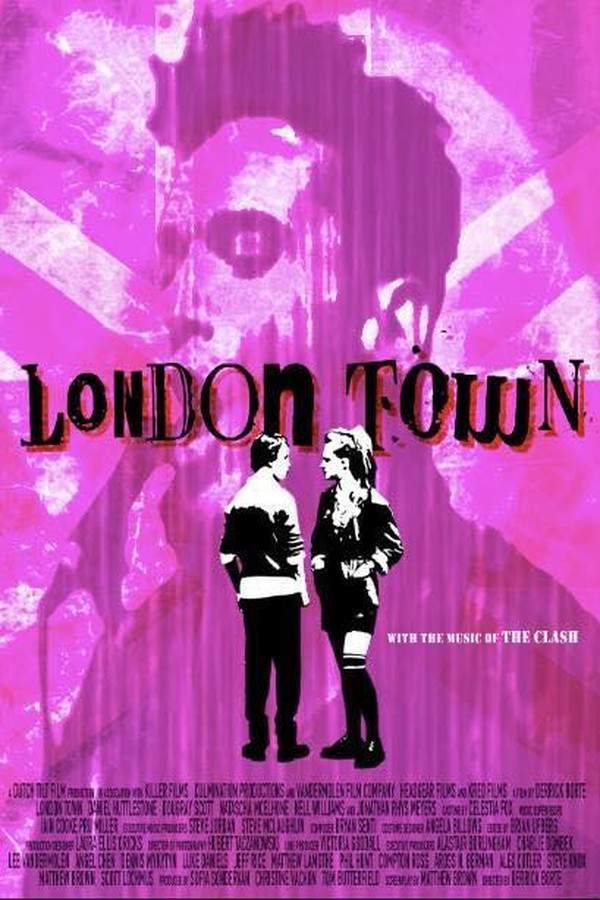
Mismatched teens escape their lives and find themselves in the gritty city. If you liked the runaway spirit of Times Square, explore more movies about teens escaping to the city. These films share a focus on found family, gritty urban settings, and the bittersweet optimism of youth on the run.

  • rebellious
  • yearning
  • urban
  • raw
  • optimistic
  • energetic
  • Tone: hopeful, rebellious, bittersweet
  • Pacing: steady, energetic
Why these movies?

The story pattern: The narrative follows a clear escape-to-adventure structure, where two or more unlikely companions flee oppressive home lives. Their journey through the city is a series of challenges and small triumphs, testing their friendship and forcing rapid self-discovery, often under the threat of being caught.

Why they belong together: Movies in this thread are grouped by their shared focus on teenage rebellion, the transformative power of found family in a harsh urban environment, and a narrative that balances the thrill of freedom with the sobering realities of life on the streets.

Movies with a punk rock spirit like Times Square

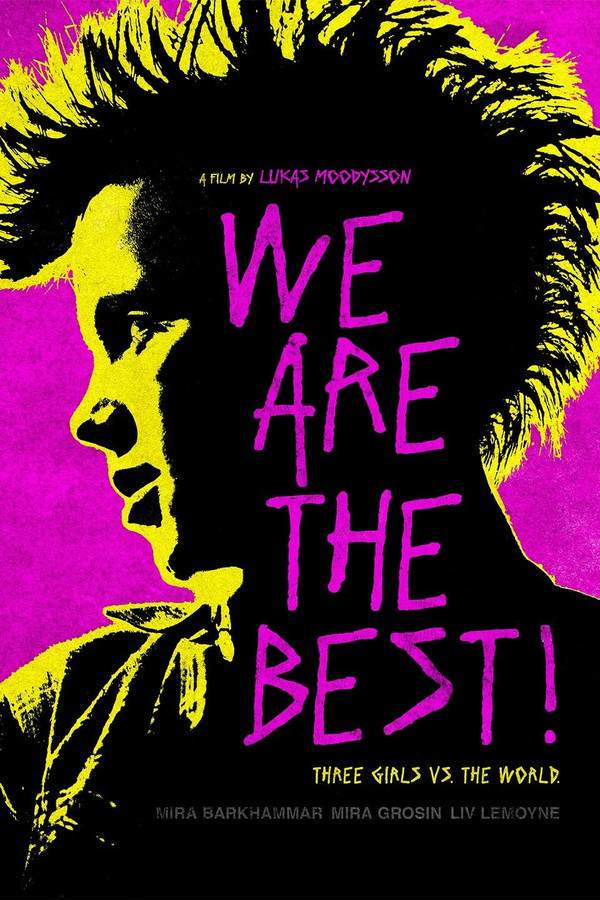
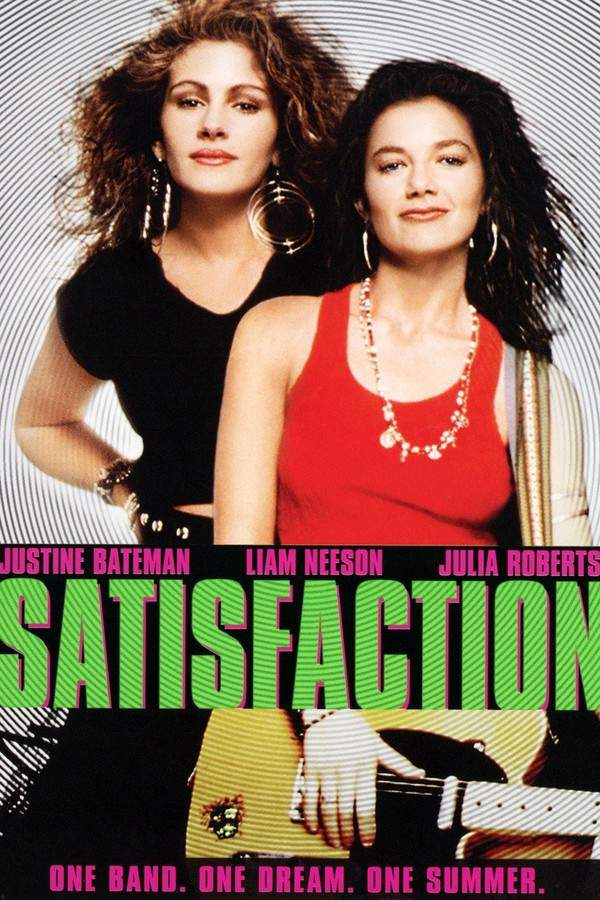
Stories where outsider bonds and raw music fuel a journey of self-discovery. Fans of the punk rock energy and found family themes in Times Square will enjoy these similar films. Discover stories where music is a catalyst for rebellion, self-expression, and deep bonds between misfits.

  • rebellious
  • energetic
  • raw
  • optimistic
  • yearning
  • outsiders
  • Tone: raw, hopeful, energetic
  • Pacing: steady, driven
Why these movies?

The story pattern: The plot often revolves around a group of misfits who coalesce around a shared love of music that rejects the mainstream. Their creative expression becomes a form of rebellion and a path to working through personal trauma or societal rejection, leading to a climax that affirms their chosen family, even if the future is uncertain.

Why they belong together: These films share a specific vibe defined by a raw, energetic soundtrack; themes of non-conformity and self-discovery; and emotional journeys centered on the powerful, often chaotic, bonds of found family. The tone is hopeful but grounded in real struggle.

If you liked this

Movies Like Times Square

Similar movies to Times Square: the same genre, themes or kind of story. Each one comes with its own plot summary, timeline and ending explained.

Browse all movie summaries

Every angle

Times Square (1980) Explained: Plot, Timeline & Characters

Everything about Times Square in one place: what happens in the plot summary, the timeline in chronological order, the characters and meaning and a spoiler-free summary. What's After the Movie adds the cast, box office and post-credit scenes.

Coming soon on iOS and Android

The Plot Explained Movie Summary App

Plot summaries, endings explained and timelines on your phone. Catch up on any movie in minutes, save your favorites and never miss a twist again.

Be the first to know when we launch. Your email stays private, always.

Learn more about the app