Plot Explained Spoilers guaranteed!
Plot Explained

Browse by genre

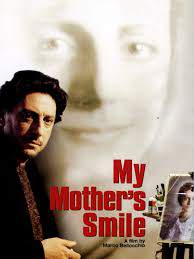
My Mother's Smile (2005) movie poster

Timeline

My Mother's Smile (2005) Timeline Explained – Every Event in Order

Release, runtime and language
2005 · 105 min · Polish
Directed by
Marco Bellocchio

A young man grapples with the challenges of growing up while caring for his mother, whose unpredictable actions create instability in their lives. He balances the demands of responsibility with a desire for independence, attempting to maintain a household while confronting the consequences of his mother's difficult behavior. The situation tests his resilience and forces him to confront the complexities of family relationships.

On this page (5)
  1. 1 Events in order (14)
  2. 2 Timeline questions answered
  3. 3 Movie threads
  4. 4 Movies like My Mother's Smile
  5. 5 Every angle

14 events in order · contains spoilers

My Mother's Smile Timeline: Events in Chronological Order

Every key event of My Mother's Smile (2005) in order, scene by scene, with when and where it takes place. Use it to untangle flashbacks, time jumps and parallel storylines, to refresh your memory before the sequel or to find the exact scene you are thinking of.

  1. Ernesto's Family Struggles

    Ernesto Picciafuoco, a painter and illustrator, finds himself ensnared in the financial troubles of his family. They are desperately trying to restore their former glory through the canonization of a family member, which adds an absurd layer to Ernesto's everyday life.

  2. Introduction of the Mysterious Cardinal

    A mysterious cardinal approaches Ernesto, bewildering him with inquiries about canonizing his late mother. Until this point, Ernesto had been completely unaware that such proceedings were taking place, leaving him confused and introspective.

  3. Ernesto’s Son Meets Religious Teacher

    At school, Ernesto's son encounters a charming 'religious teacher' who captivates his attention. This fleeting yet unattainable attraction complicates their daily lives, adding to the family's chaotic mix of emotions and dilemma.

    Where
    School
  4. Conflict with Religious Authority

    A religious authority confronts Ernesto regarding his mother's supposed martyrdom. During this tense interaction, he questions Ernesto about his son's lack of baptism, revealing an unsettling insight into Ernesto's personal life and spurring a crisis of faith.

  5. Unexpected Duel

    In a bizarre twist of fate, Ernesto is coerced into a duel fueled by a whimsical desire to revive royalty. However, the challenge is abruptly canceled, showcasing the absurdity of the circumstances surrounding him.

  6. Conversations with Aunt

    Ernesto holds discussions with his aunt, who despite her lack of devotion, is driven by the prospect of financial gain and family prestige from the potential canonization. These conversations deepen the chaos in Ernesto's journey, complicating his path toward honesty and integrity.

  7. Ernesto’s Principles Tested

    Despite the pressures from his aunt to embrace piety for family advantage, Ernesto remains grounded in his principles. His internal battle reflects the broader theme of hypocrisy within his family.

  8. Wife’s Improvised Baptism

    In a moment of anxiousness, Ernesto’s wife attempts an improvised baptism of their sleeping child. Her actions signify the tensions between their family's religious expectations and their own doubts regarding faith.

  9. Family Members Await Audience with His Holiness

    Ernesto’s aunt eagerly anticipates an audience with His Holiness, alongside other family members. Their excitement underscores the opportunistic motivations driving their desire for sanctification, contrasting sharply with Ernesto's doubts.

  10. Simple Walk to School

    In a symbolic act of defiance against the chaos surrounding him, Ernesto opts to walk his son to school instead of pursuing family ambitions. This choice represents his commitment to honesty and genuine relationships amidst hypocrisy.

    Where
    Street
  11. Ernesto's Reflection

    Following the challenges and confrontations, Ernesto finds himself in moments of deep reflection about his lost faith and the absurdity of his circumstances. The surreal journey he undertakes forces him to reevaluate his values and family dynamics.

  12. Family Hypocrisy Exposed

    Throughout the narrative, the hypocrisy of Ernesto's family is continuously exposed, especially contrasting his late mother's genuine faith with their opportunistic desires. This theme serves as a critical backdrop to both the humor and tragedy of the story.

  13. Existential Hesitations

    Ernesto's interactions with family and the church provoke deep existential hesitations, particularly regarding the integrity of traditions they were once part of. These experiences forge a complex journey towards self-discovery and healing.

  14. End of Absurd Journey

    As the film concludes, Ernesto emerges from the absurdity with a firmer grasp on his values, prioritizing honesty and authenticity over family pressures. This resolution highlights the intricate relationship between faith, family, and individual belief systems.

Last updated: November 15, 2024 at 17:33

Was this helpful?

Timeline questions answered

My Mother's Smile Timeline Explained: Your Questions Answered

When does it happen, and why in that order? The questions people ask about the chronology of My Mother's Smile (2005): time jumps, flashbacks, cause and effect between scenes and the correct order of events, each answered with spoilers.

Q1

Why is Ernesto's family trying to canonize his mother?

Ernesto's family is attempting to canonize his late mother for financial gain and social prestige. The mother was the only genuinely devout person in the family, while the relatives are hypocritical and opportunistic. The aunt and other family members see canonization as a way to restore their former glory and access wealth, though Ernesto recognizes their insincerity.

Foreshadowing: Early scenes establish the family's financial struggles and their desperate attempt to reclaim status through religious means.

  • canonization
  • family hypocrisy
  • opportunism
  • religious fraud
Q2

Who is the cardinal that approaches Ernesto about his mother?

A mysterious cardinal visits Ernesto to interrogate him about the canonization process of his mother. Ernesto is completely unaware that proceedings were underway, making this encounter surreal and bewildering. The cardinal's interest suggests the church is investigating the claim, though his motives and identity remain enigmatic within the story's absurdist framework.

Foreshadowing: The family's earlier mention of canonization proceedings hints that church officials would eventually make contact.

  • cardinal
  • canonization inquiry
  • church investigation
Q3

Why does Ernesto experience a crisis of faith?

Ernesto loses his faith due to the overwhelming hypocrisy surrounding him. His family pretends religious devotion while being motivated by money and status, the church authorities probe his personal life intrusively, and the entire canonization process feels absurd. The religious authority's questioning about his unbaptized son, combined with his aunt's opportunistic guidance toward piety, deeply troubles him and creates existential doubt.

Foreshadowing: The conflict with the religious authority directly triggers his crisis, as he confronts the gap between genuine faith and institutional exploitation.

  • faith crisis
  • loss of faith
  • hypocrisy
  • existential doubt
Q4

What is the duel Ernesto is challenged to?

Ernesto is coerced into a duel motivated by a whimsical, absurd desire to revive monarchy. The challenge appears suddenly and represents the surreal nature of the pressures Ernesto faces. However, the duel is thwarted moments after it begins, highlighting the ridiculous circumstances that constantly surround him without ever reaching resolution.

Foreshadowing: The duel appears without clear setup, emphasizing the film's absurdist tone and random external pressures.

  • duel
  • monarchy revival
  • absurd challenge
Q5

Why does Ernesto's wife perform an improvised baptism?

Ernesto's wife baptizes their sleeping child out of anxiety and pressure from the religious authorities who questioned Ernesto about the child's lack of baptism. Her improvised action represents the tension between the family's religious expectations and their personal doubts. She acts quickly to address what could be seen as a deficiency, reflecting the pervasive influence of the church on their lives.

Foreshadowing: The religious authority's confrontation with Ernesto about his son's unbaptized status directly leads to this anxious response.

  • improvised baptism
  • religious pressure
  • family tension
Q6

What does Ernesto walking his son to school represent at the end?

Ernesto chooses to walk his son to school instead of joining his family in awaiting an audience with the Pope about the canonization. This simple act symbolizes his commitment to honesty and genuine relationships over his family's grasping for prestige. While the family continues their opportunistic pursuits without him, Ernesto finds his own small resolution by prioritizing authenticity and his relationship with his son.

Foreshadowing: Earlier scenes establish Ernesto's internal struggle between family pressure and personal integrity, building toward this symbolic choice.

  • symbolic ending
  • honesty
  • family vs integrity
Q7

Why is Ernesto's aunt so invested in the canonization?

Ernesto's aunt has never shown genuine devotion but is now driven by the prospect of financial gain and family prestige from the potential canonization. She attempts to pressure Ernesto toward piety, guiding him on how to behave religiously for the family's advantage. Her opportunistic motivations starkly contrast with Ernesto's own spiritual doubts and his late mother's genuine faith.

Foreshadowing: The aunt's sudden religious enthusiasm directly follows the family's announcement about pursuing canonization for status.

  • aunt
  • opportunism
  • financial gain
  • family prestige
Q8

What does the religious authority question Ernesto about?

A religious authority confronts Ernesto about his mother's supposed martyrdom and, more intrusively, asks why his son has not been baptized. This reveals the church's unsettling familiarity with Ernesto's personal life and creates tension about his family's religious standing. The confrontation intensifies his crisis of faith and highlights the invasive nature of religious institutions in his life.

Foreshadowing: The timing of this conflict follows the introduction of the cardinal and the canonization proceedings.

  • religious authority
  • baptism question
  • church intrusion
Q9

Who is the religious teacher that Ernesto's son meets at school?

Ernesto's son encounters a charming religious teacher at school who captures his attention with an unattainable, fleeting attraction. This encounter adds complexity to their family dynamics and represents another layer of the religious influences pressing upon Ernesto's life. The attraction proves unattainable, further complicating their everyday experiences with the church's presence.

Foreshadowing: This subplot runs parallel to the main canonization story, reinforcing the pervasive religious atmosphere.

  • religious teacher
  • school
  • son subplot
Q10

Why is Ernesto's mother significant in the canonization?

Ernesto's late mother is the only genuine practitioner of faith in a family marked by hypocrisy and ignorance. The irony of attempting to canonize the one true believer while the family exploits her memory for financial gain forms the central tragedy. The mother represents authentic spirituality, which contrasts sharply with her relatives' opportunistic behavior.

Foreshadowing: The summary establishes her genuine faith early, making the family's exploitation of her memory deeply ironic.

  • mother
  • genuine faith
  • true believer
  • irony

Movie threads

More Movies Like My Mother's Smile, by Mood & Story

Curated lists built around what makes My Mother's Smile tick: the same mood, the same kind of story or the same emotional payoff. Each list explains why these movies belong together.

Surreal family satires like My Mother's Smile

Normal life gets twisted by absurd rituals and generational hypocrisy. If you enjoyed the absurd pressures and critical eye of My Mother's Smile, explore more movies like it. This collection features dramatic stories where surrealism highlights family hypocrisy and existential doubt, blending melancholic moods with satirical storytelling.

  • surreal
  • satirical
  • contemplative
  • oppressive
  • absurd
  • critical
  • Tone: bittersweet, critical, melancholic
  • Pacing: steady, methodical
Why these movies?

The story pattern: These narratives often center on a protagonist trapped within a dysfunctional family system defined by elaborate, absurd rules or a shared delusion. The plot unfolds as the character attempts to navigate or expose this system, leading to a confrontation with deep-seated hypocrisy and a personal existential crisis.

Why they belong together: They are grouped by their unique blend of melancholic drama and sharp, often absurd, social satire. They share a tone that is both critical and contemplative, using surreal elements to explore heavy themes like faith, family deceit, and the search for personal truth.

Movies about a crisis of integrity like My Mother's Smile

Protagonists choose personal honesty over systemic lies, finding small, quiet solace. For viewers who appreciated Ernesto's difficult choice in My Mother's Smile, this list features similar films about characters choosing personal honesty. These movies explore the bittersweet aftermath of rejecting systemic lies, focusing on quiet resilience over dramatic victory.

  • contemplative
  • melancholic
  • introspective
  • morally complex
  • bittersweet
  • quiet victory
  • Tone: bittersweet, melancholic, introspective
  • Pacing: steady, character-driven
Why these movies?

The story pattern: The narrative follows a character who is deeply embedded in a flawed system—be it family, community, or institution. The plot builds pressure until the protagonist can no longer ignore the moral compromise, culminating in a choice to break away. The ending is mixed, acknowledging the pain of leaving while valuing the hard-won integrity.

Why they belong together: These films share a powerful emotional arc centered on moral choice and its consequences. They resonate because of their honest portrayal of the costs of integrity, resulting in endings that are realistically mixed—neither fully happy nor entirely bleak—but grounded in a character's quiet resolve.

If you liked this

Movies Like My Mother's Smile

Similar movies to My Mother's Smile: the same genre, themes or kind of story. Each one comes with its own plot summary, timeline and ending explained.

Browse all movie summaries

Every angle

My Mother's Smile (2005) Explained: Plot, Timeline & Characters

Everything about My Mother's Smile in one place: what happens in the plot summary, the timeline in chronological order, the characters and meaning and a spoiler-free summary. What's After the Movie adds the cast, box office and post-credit scenes.

Coming soon on iOS and Android

The Plot Explained Movie Summary App

Plot summaries, endings explained and timelines on your phone. Catch up on any movie in minutes, save your favorites and never miss a twist again.

Be the first to know when we launch. Your email stays private, always.

Learn more about the app