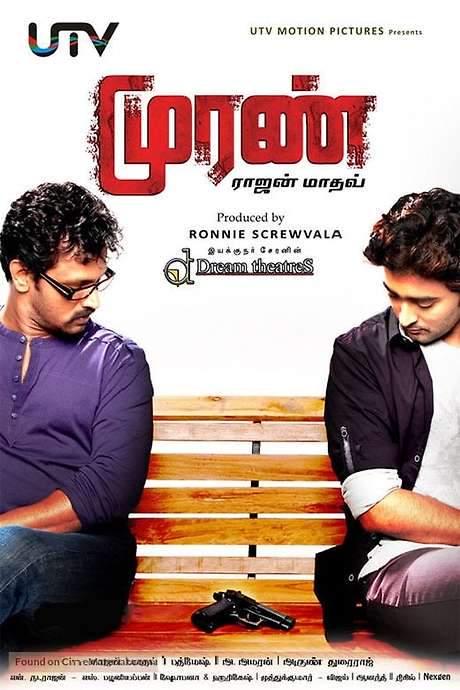
Muran
Year: 2011
Runtime: 134 mins
Language: Tamil
Director: Rajan Madhav
After a successful meeting with film producers in Bangalore, jingles composer Nanda sets off for Chennai. His car breaks down, forcing him to hitch a ride with Arjun, the son of a businessman traveling the same route. As they share stories, Arjun proposes a risky deal involving murder that promises to improve both their lives. The plan backfires on Nanda, plunging him into deeper trouble and unforeseen complications.
Warning: spoilers below!
Haven’t seen Muran yet? This summary contains major spoilers. Bookmark the page, watch the movie, and come back for the full breakdown. If you're ready, scroll on and relive the story!
Timeline – Muran (2011)
Trace every key event in Muran (2011) with our detailed, chronological timeline. Perfect for unpacking nonlinear stories, spotting hidden connections, and understanding how each scene builds toward the film’s climax. Whether you're revisiting or decoding for the first time, this timeline gives you the full picture.
Last updated: November 22, 2025 at 15:59
Muran (2011) Timeline Questions Answered – Chronology FAQ
Find frequently asked questions about the Muran (2011) timeline, including chronological order, nonlinear jumps, cause-and-effect links, and scene sequence clarifications. This timeline FAQ helps explain when key events happen, how moments connect, and why the story unfolds in that specific order.
Why does Arjun propose killing each other's family members?
Arjun proposes the criss-cross murder plan after learning about Nanda's unhappy marriage and his desire to be free with Lavanya. Arjun argues that since they are strangers to the world, no one would be able to trace a motive if Arjun kills Nanda's wife while Nanda kills Arjun's father Devarajan. The plan promises to solve both their problems without raising suspicion.
Arjun reveals his traumatic backstory about Linda early in their journey, establishing his deep-seated hatred for his father.
Why does Nanda initially reject but later consider the murder plan?
Nanda initially outright rejects the plan, insisting he won't become a killer. However, over the following week, he becomes gradually influenced by Arjun's logic and manipulation. Arjun twists the narrative by revealing that Nanda's wife Indhu was having an affair, making Nanda feel that the problem lies with her. This manipulation draws Nanda toward considering the murder.
Their confession scene in the car establishes a bond of shared grievance that Arjun later exploits.
How does Indhu actually die in the movie?
Indhu dies in a highway accident one week after Arjun proposes the murder plan. While the film presents it as an accident, Arjun later reveals that Indhu was having an affair with her colleague Gowtham. The exact nature of Arjun's involvement remains ambiguous, he manipulates Nanda into believing the situation is connected to their plan, though the precise cause of the accident is never fully clarified.
Nanda's complaints about his loveless marriage and his desire for Lavanya create the emotional vulnerability Arjun exploits.
Why does Arjun kill the police officer who suspects Nanda?
A policeman begins investigating Nanda as a suspect in arranging Indhu's death, noting his proximity to Lavanya as a possible motive. Arjun sees this policeman as a threat to their plan and to his control over Nanda. He kills the officer, staging the death as an electrical accident at the suspect's home. This removes the immediate legal threat while demonstrating to Nanda that Arjun will eliminate anyone who gets in their way.
Arjun's willingness to kill is established early when he proposes the murder plan.
Why does Nanda back out of killing Devarajan?
Nanda follows Devarajan to kill him but discovers that the supposed "evil" man is actually a kind, gentle father figure. When he sees Devarajan's true nature, contrary to everything Arjun described, Nanda realizes he has been manipulated. He abandons the murder plot and seeks out Arjun to end the dangerous game. This marks his moral turning point.
Arjun's portrayal of his father as a monster without providing concrete evidence plants seeds of doubt.
What really happened to Linda in Arjun's past?
Linda worked in Devarajan's office and Arjun claims his father raped her, driving her to suicide. However, during a confrontation at a shopping mall, Linda's friend reveals the truth about Arjun's role in her suicide, implying that Arjun himself was somehow responsible or that his account was manipulated. This revelation shatters Nanda's faith in Arjun and exposes him as a liar.
Arjun's vague references to protecting Linda's memory hint at deeper guilt.
How does Arjun die at the end of the film?
Nanda tracks Arjun to a Bangalore hotel and confronts him, declaring he will kill Arjun instead of Devarajan to end the cycle of violence. During the rooftop struggle, Arjun tries to escape but slips and falls from the hotel into the pool area below, the same location where he was introduced in the opening scene. The hotel reports it as a drunken fall, and Arjun dies instantly.
The opening scene shows Arjun threatening to jump from the hotel roof into the pool, creating a tragic circularity.
How does Arjun manipulate Nanda throughout the film?
Arjun uses several manipulation tactics: he shares his traumatic backstory to create emotional bonds, reveals information about Indhu's affair to turn Nanda against his wife, kills the policeman to show he will stop at nothing, and paints Devarajan as a monster. When these tactics fail, he resorts to veiled threats, implying that accidents can happen to those who refuse to cooperate. His goal is to manipulate Nanda into committing murder while he remains free of direct involvement.
Arjun's initial confession about Linda is designed to gain Nanda's trust and sympathy.
Why would the criss-cross murder plan theoretically work?
Arjun's logic relies on the fact that he and Nanda are strangers to each other's worlds. If Arjun kills Nanda's wife and Nanda kills Arjun's father, there would be no obvious connection between the victims and no shared motive that police could trace. Each murder would appear unrelated, making it difficult for investigators to find a link between the two killers.
Their different backgrounds and separate lives are established during their first meeting.
Why does Nanda remain free at the end despite everything?
Nanda remains free because he ultimately refused to kill anyone. While he was manipulated into considering the murder plan, he never actually committed the act. When he confronted Arjun at the hotel, it was Arjun who died during the struggle. The hotel staff report Arjun's death as an accidental drunken fall, leaving Nanda without any criminal charge. His last-minute moral choice saves him from the path he was being drawn toward.
Nanda's initial rejection of the murder plan establishes his moral foundation.

Explore Movie Threads
Discover curated groups of movies connected by mood, themes, and story style. Browse collections built around emotion, atmosphere, and narrative focus to easily find films that match what you feel like watching right now.
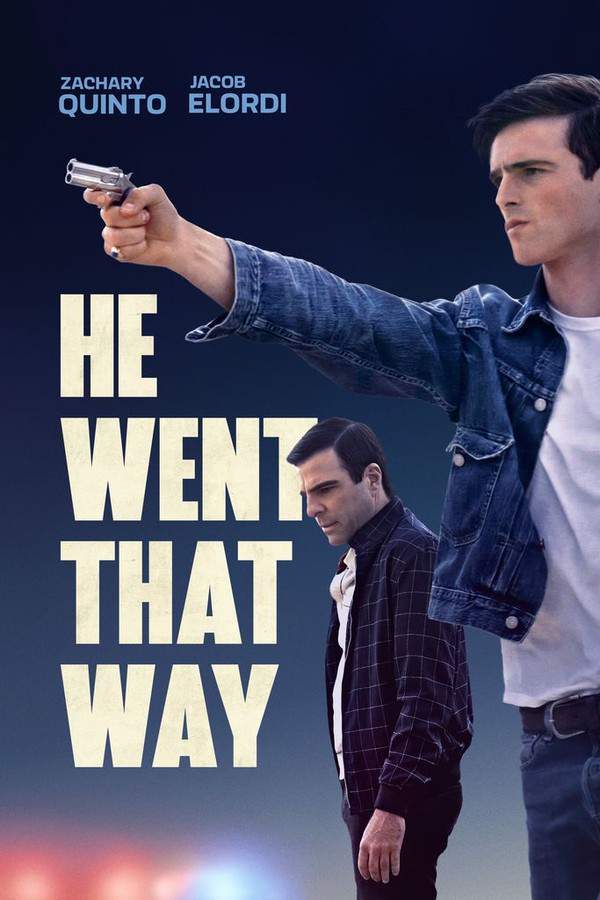
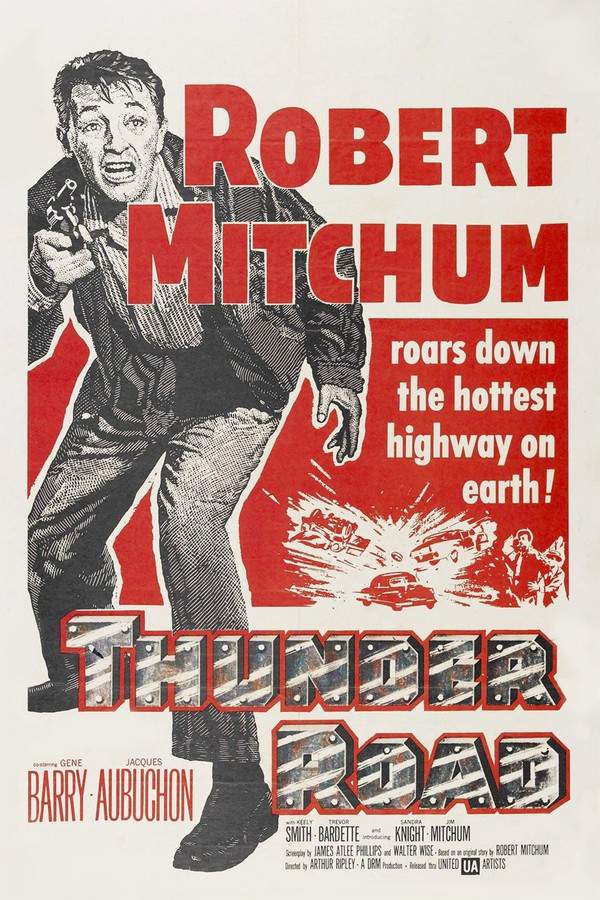
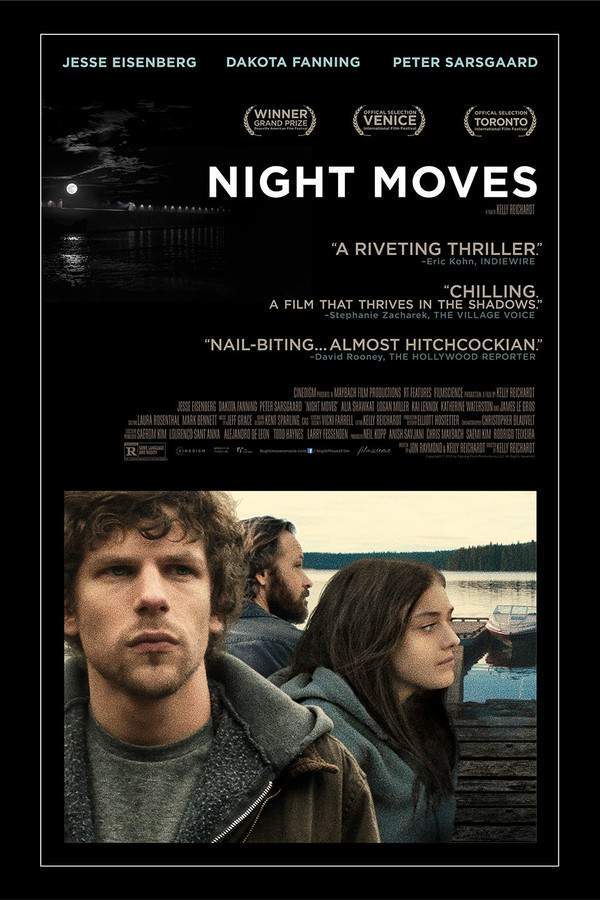
Thrillers with treacherous journeys like Muran
A simple journey becomes a trap, forcing characters into a sinister deal.If you liked the tense, road-bound thriller Muran, explore more movies where a journey turns deadly. These films feature characters trapped in vehicles or on the road, forced into dangerous pacts and moral dilemmas that escalate into life-or-death situations.







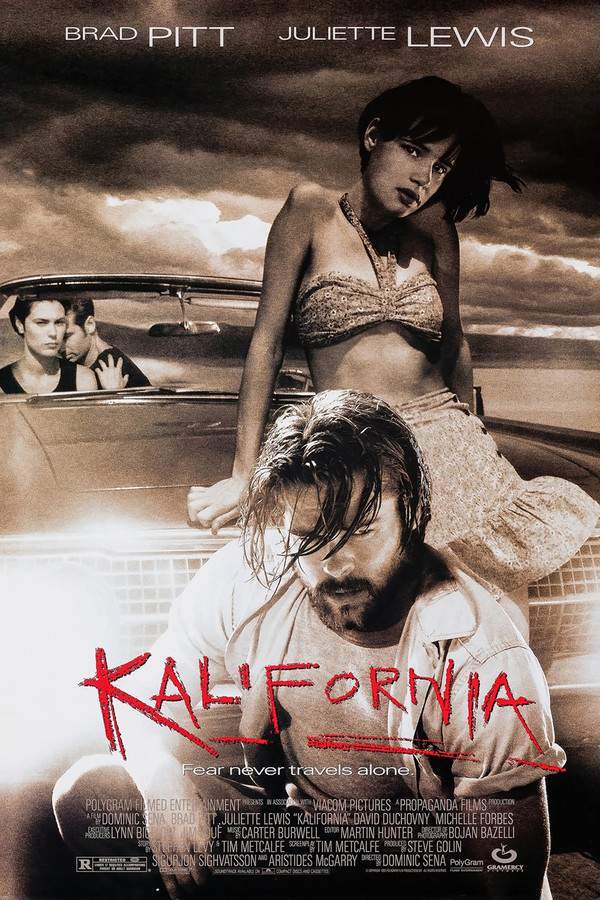



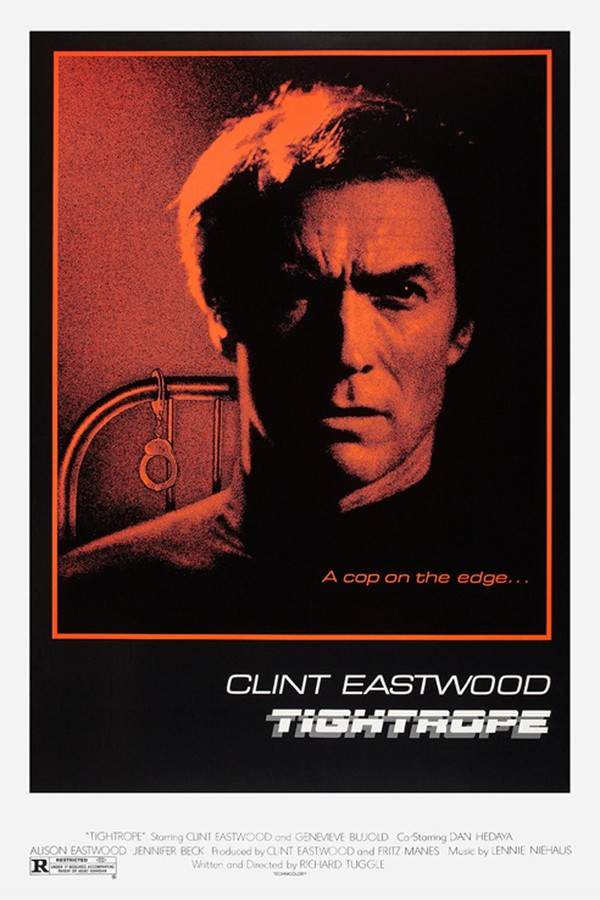
Narrative Summary
The narrative pattern follows a protagonist on a literal journey who is lured or coerced into a high-stakes agreement by a seemingly helpful stranger. The initial deal quickly backfires, turning the journey into a fight for survival where trust is a liability and escape seems impossible.
Why These Movies?
Movies in this thread share the claustrophobic, travel-thriller setting and a central premise of a Faustian bargain made on the road. They create a consistent vibe of paranoia and manipulation, where the open road becomes a prison and the destination is peril.
Movies about Faustian bargains like Muran
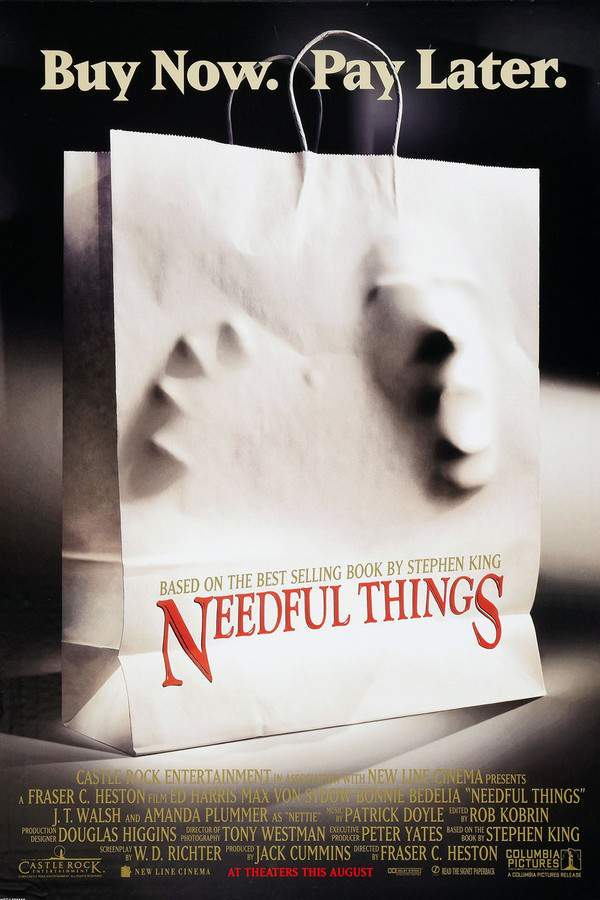
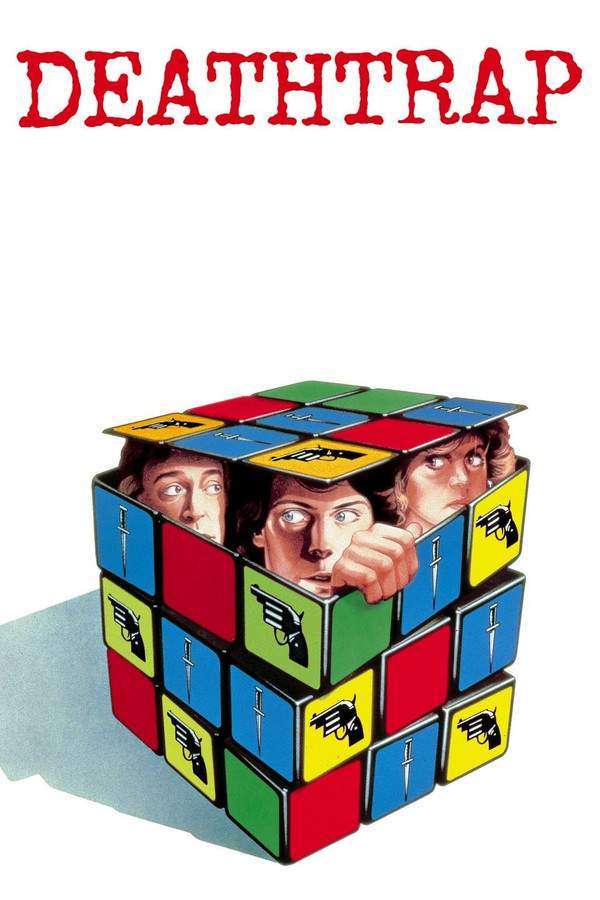
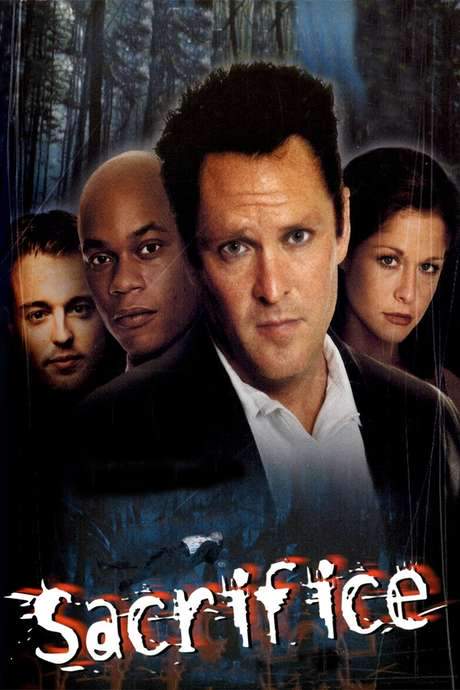
A desperate character accepts a morally corrupt offer that spirals out of control.For viewers who enjoyed the moral collapse and complicated deal in Muran, this thread collects films centered on Faustian bargains. These stories feature characters who make a desperate pact that backfires spectacularly, plunging them into a world of escalating trouble and heavy consequences.


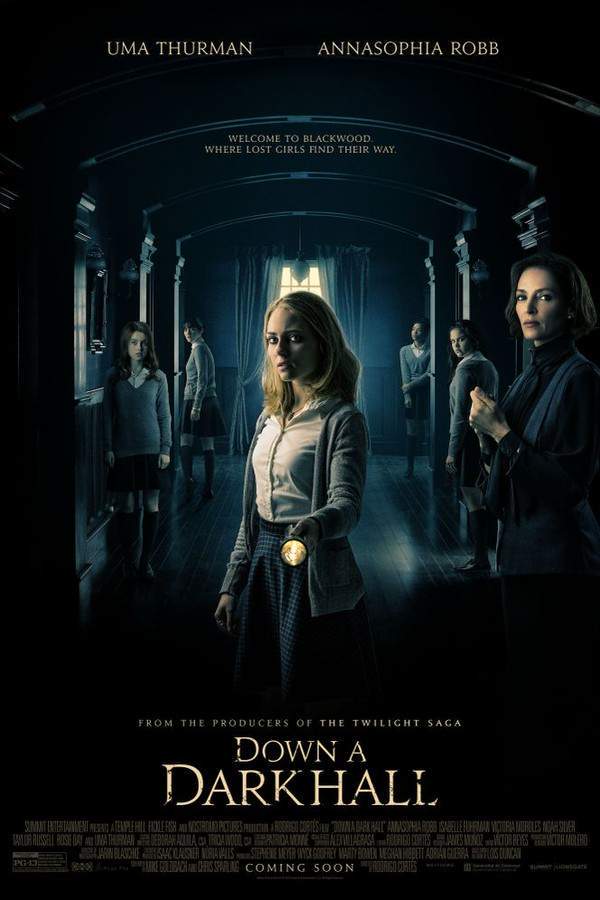






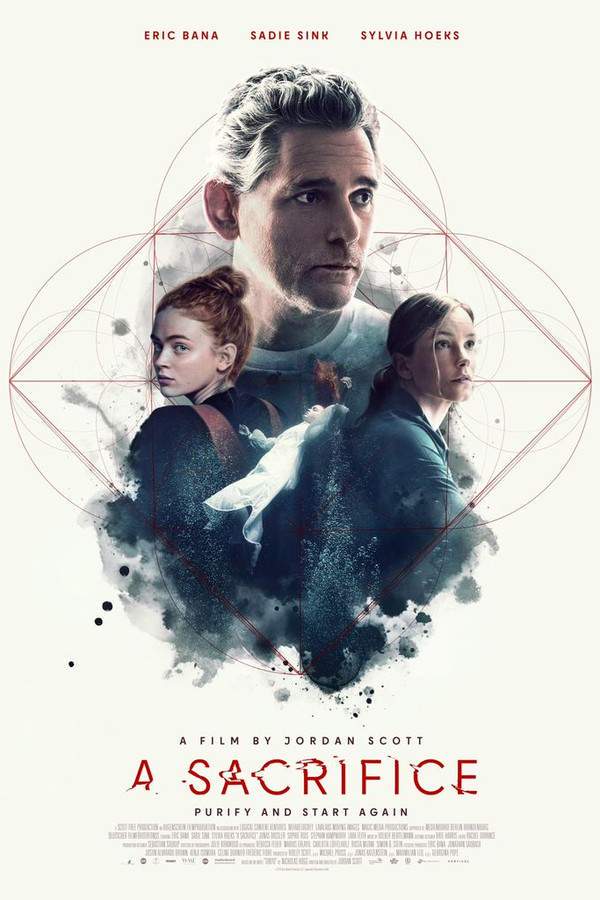

Narrative Summary
The narrative revolves around a pivotal moment where a character agrees to a dangerous or immoral proposition. The story then meticulously details the chain reaction of consequences, focusing on the psychological toll, the breakdown of the initial plan, and the protagonist's desperate attempts to extricate themselves from a worsening situation.
Why These Movies?
This thread groups films based on the core theme of a deal-with-the-devil narrative and its inevitable, catastrophic failure. They share a dark tone, heavy emotional weight, and a steady pacing that builds tension as the protagonist's life unravels due to their initial moral compromise.
Unlock the Full Story of Muran
Don't stop at just watching - explore Muran in full detail. From the complete plot summary and scene-by-scene timeline to character breakdowns, thematic analysis, and a deep dive into the ending - every page helps you truly understand what Muran is all about. Plus, discover what's next after the movie.
Muran Summary
Read a complete plot summary of Muran, including all key story points, character arcs, and turning points. This in-depth recap is ideal for understanding the narrative structure or reviewing what happened in the movie.

Characters, Settings & Themes in Muran
Discover the characters, locations, and core themes that shape Muran. Get insights into symbolic elements, setting significance, and deeper narrative meaning - ideal for thematic analysis and movie breakdowns.


