
Mary and Martha

Following the tragic deaths of their sons, American housewife Mary Morgan and Englishwoman Martha O’Connell find themselves drawn together by a shared grief and a desire for change. Mary’s son George died of malaria contracted during a trip to Southern Africa, despite precautions. Martha's son Ben, a volunteer teacher, also succumbed to the disease after giving his mosquito net to a student. Deeply moved by the devastating impact of malaria, the women work to raise awareness and petition the American government to increase funding for malaria prevention, ultimately achieving some progress in the fight against the illness.
Where to Watch Mary and Martha?
Find where to stream, rent, or buy Mary and Martha (2013) in the US with current JustWatch availability, up-to-date pricing, and platform listings for subscription, rental, and digital purchase options.








Warning: spoilers below!
Haven’t seen Mary and Martha yet? This summary contains major spoilers. Bookmark the page, watch the movie, and come back for the full breakdown. If you're ready, scroll on and relive the story!
Timeline – Mary and Martha (2013)
Trace every key event in Mary and Martha (2013) with our detailed, chronological timeline. Perfect for unpacking nonlinear stories, spotting hidden connections, and understanding how each scene builds toward the film’s climax. Whether you're revisiting or decoding for the first time, this timeline gives you the full picture.
Last updated: February 24, 2026 at 14:10
Mary and Martha (2013) Timeline Questions Answered – Chronology FAQ
Find frequently asked questions about the Mary and Martha (2013) timeline, including chronological order, nonlinear jumps, cause-and-effect links, and scene sequence clarifications. This timeline FAQ helps explain when key events happen, how moments connect, and why the story unfolds in that specific order.
Why did Mary take George out of school to go to Africa?
Mary, an overly protective American mother, pulled her young son George out of school because she believed travel would expand his horizons and protect him from bullying by building resilience through experience. She wanted to give him a broader education through an extended trip to Africa.
Earlier in the film, Mary's protective instincts are shown through her desire to shield George from difficulties at home, which ironically leads her to expose him to a much greater danger abroad.
How did George contract malaria in Africa?
George was bitten by a mosquito while in Africa and contracted malaria. Despite Mary's precautions and protective instincts, the mosquito bite led to the disease progressing despite efforts to save him, ultimately causing his death.
The trip was meant to build George's resilience, but the narrative sets up the tragic irony that the very exposure Mary hoped would strengthen her son leads to his demise.
Why did Ben give away his mosquito net?
Ben, Martha's son who was working as a volunteer teacher at an orphanage in Mozambique, gave his mosquito net to a student. This act of generosity left him vulnerable to mosquito bites, and he subsequently contracted and died from malaria.
Ben's selfless nature is established through his work as a volunteer teacher, making his decision to give away his protection consistent with his character.
How did Mary meet Martha in the movie?
Mary met Martha in Mozambique shortly after George's funeral. Both women had lost their sons to malaria, Mary's son George died during their Africa trip, and Martha's son Ben died while working at an orphanage. Their shared grief over losing children to the same disease drew them together and sparked their joint mission.
The parallel tragedies of two Western mothers losing sons to a disease many consider preventable creates the foundation for their meeting and shared purpose.
What happened at the Congressional subcommittee hearing?
Mary and Martha testified before a Congressional subcommittee, sharing their personal experiences of losing sons to malaria. Their testimony highlighted the disconnect between Western privilege and the disease's devastating impact on African communities. They urged lawmakers to increase funding for malaria prevention and treatment.
The women's journey from private grief to public advocacy culminates in this pivotal moment where their personal stories gain political influence.
Did Mary and Martha succeed in their advocacy efforts?
The film shows that their testimony and growing advocacy began to influence policy discussions and funding priorities for malaria prevention. While the film notes they achieved some progress in the fight against malaria, it emphasizes that meaningful change requires sustained attention and commitment rather than a single victory.
The film ends with the women's continued commitment to the cause, suggesting their efforts are ongoing rather than fully complete.
Why does malaria have such a devastating impact in Africa?
Malaria disproportionately affects Africa because the continent bears the brunt of the disease's toll, with the World Health Organization estimating 660,000 deaths in 2010, most of them African children. Factors include limited access to healthcare, inadequate prevention resources like mosquito nets, and fragile healthcare systems in endemic regions.
The film uses the statistic of 660,000 annual deaths as a touchstone that motivates Mary and Martha's broader mission beyond their personal losses.
What realization did Mary and Martha have about their personal tragedies?
Mary and Martha came to realize that their losses, while devastating, occurred within comfortable white Western households and were not representative of malaria's true toll. They recognized that the real impact falls on communities in Africa and other endemic regions where access to healthcare and prevention is limited. This insight reframed their grief from personal tragedy to global responsibility.
During their advocacy work and congressional testimony, the women begin to understand the broader context of the disease beyond their own experiences.
What was Ben's job before he died of malaria?
Ben was a volunteer teacher working at an orphanage in Mozambique when he died of malaria. His selfless choice to give his mosquito net to a student at the orphanage ultimately left him unprotected and led to his death from the disease.
Ben's role as a volunteer teacher establishes his compassionate character before his tragic death.
Why did Mary and Martha decide to fight against malaria?
After losing their sons to malaria within the same timeframe, both women transformed their grief into action. They were driven by a desire to prevent other families from experiencing similar losses and by the stark reality that malaria is a preventable disease that continues to claim hundreds of thousands of lives annually, mostly children in Africa.
The shared tragedy of losing sons to the same disease creates the emotional foundation for their decision to turn grief into advocacy.

Explore Movie Threads
Discover curated groups of movies connected by mood, themes, and story style. Browse collections built around emotion, atmosphere, and narrative focus to easily find films that match what you feel like watching right now.
Movies where grief transforms into purpose like Mary and Martha
Characters find meaning and drive by channeling profound loss into a greater cause.If you were moved by how Mary and Martha channeled their sorrow into activism, you'll appreciate these films about characters finding a way forward by dedicating themselves to a cause. Discover similar movies about turning grief into a powerful force for change.

Ballast
2008

An Angel at My Table
1990

White Palace
1990

Winter Passing
2006

The Accidental Tourist
1988

Fathers and Daughters
2016
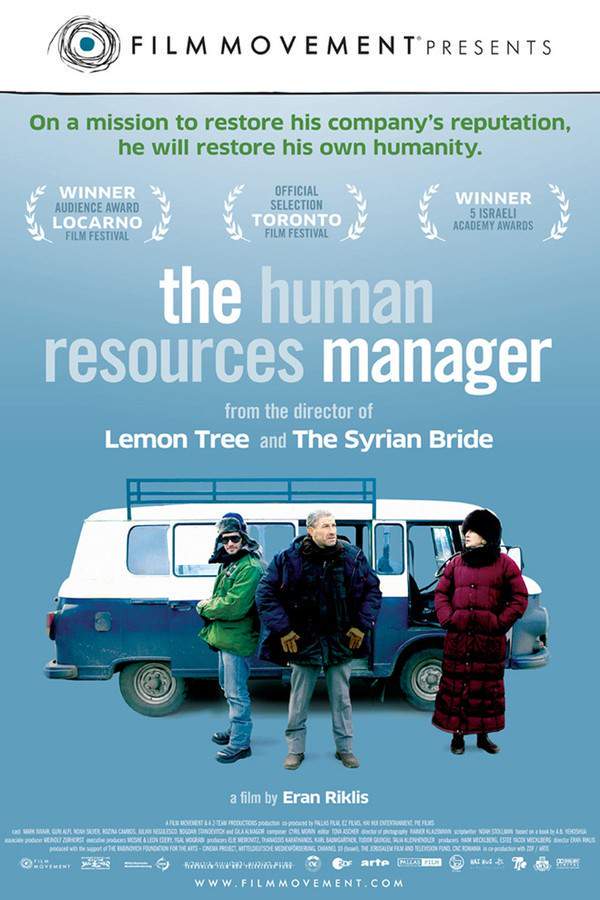
The Human Resources Manager
2011

Origin
2023

Small Things Like These
2024
Mary and Martha
2013

Take Care of My Cat
2001

Goodbye!
2021

Little Boy Lost
1953

Genova
2008

I’ll Cry Tomorrow
1955
Narrative Summary
These narratives typically begin with a profound, life-altering loss that leaves the protagonist emotionally shattered. The story then follows their difficult journey as they gradually move beyond paralyzing grief, finding a new sense of purpose by advocating for change, helping others, or fighting against the injustice that touched their lives.
Why These Movies?
Movies in this thread are grouped by their shared emotional arc: a deep, melancholic starting point evolves into a steady, purposeful drive. They balance the heavy weight of loss with the uplifting momentum of activism, creating a bittersweet but ultimately hopeful tone.
Earnest advocacy dramas with a heartfelt tone like Mary and Martha
Character-driven stories about ordinary people fighting for justice against systemic problems.Viewers who appreciated the earnest, heartfelt approach to activism in Mary and Martha will find more compelling stories here. Explore movies about ordinary people taking on systemic issues, featuring a steady pace and a mix of emotional weight and hopeful resolution.
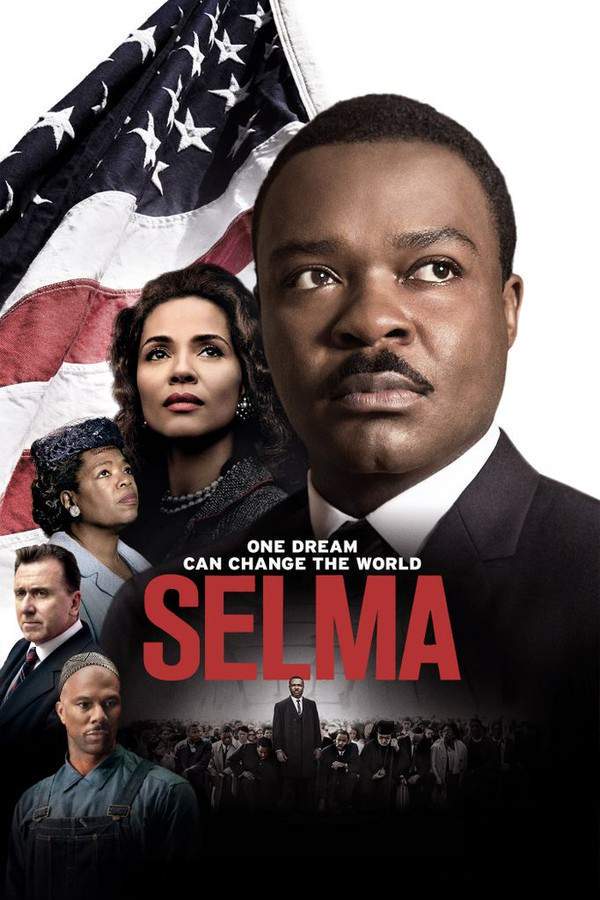
Selma
2014

Erin Brockovich
2000

The Long Walk Home
1990

Freedom Writers
2007

Forever Strong
2008

Norma Rae
1979
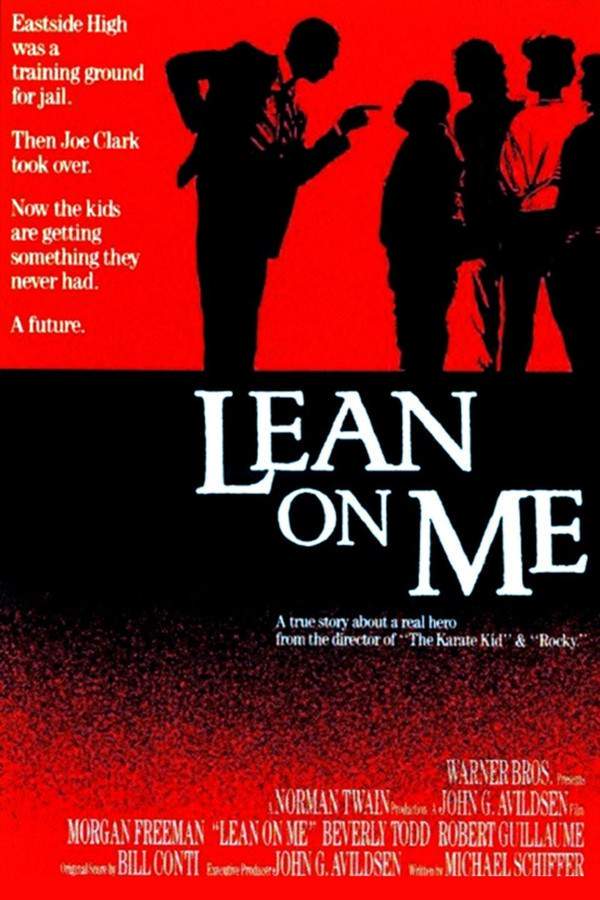
Lean on Me
1989

Hope
2013
Mary and Martha
2013

Warm Springs
2005

Heaven Is a Playground
1991

Amazing Grace and Chuck
1987

The Ernest Green Story
1993

A Child’s Wish
1997

Selma, Lord, Selma
1999
Narrative Summary
The plot follows a linear path from personal awakening to public action. A character, often an unlikely activist, becomes aware of a pressing social injustice. The story documents their educational journey, the building of alliances, facing bureaucratic hurdles, and the small, hard-won victories that constitute real-world change.
Why These Movies?
These films share a straightforward narrative structure, a steady pace that allows for reflection, and a tone that is earnest and reflective rather than sensationalist. They prioritize emotional authenticity and the realistic portrayal of making a difference, resulting in a satisfying, if not always triumphant, conclusion.
Unlock the Full Story of Mary and Martha
Don't stop at just watching - explore Mary and Martha in full detail. From the complete plot summary and scene-by-scene timeline to character breakdowns, thematic analysis, and a deep dive into the ending - every page helps you truly understand what Mary and Martha is all about. Plus, discover what's next after the movie.
Mary and Martha Summary
Read a complete plot summary of Mary and Martha, including all key story points, character arcs, and turning points. This in-depth recap is ideal for understanding the narrative structure or reviewing what happened in the movie.

Characters, Settings & Themes in Mary and Martha
Discover the characters, locations, and core themes that shape Mary and Martha. Get insights into symbolic elements, setting significance, and deeper narrative meaning - ideal for thematic analysis and movie breakdowns.


