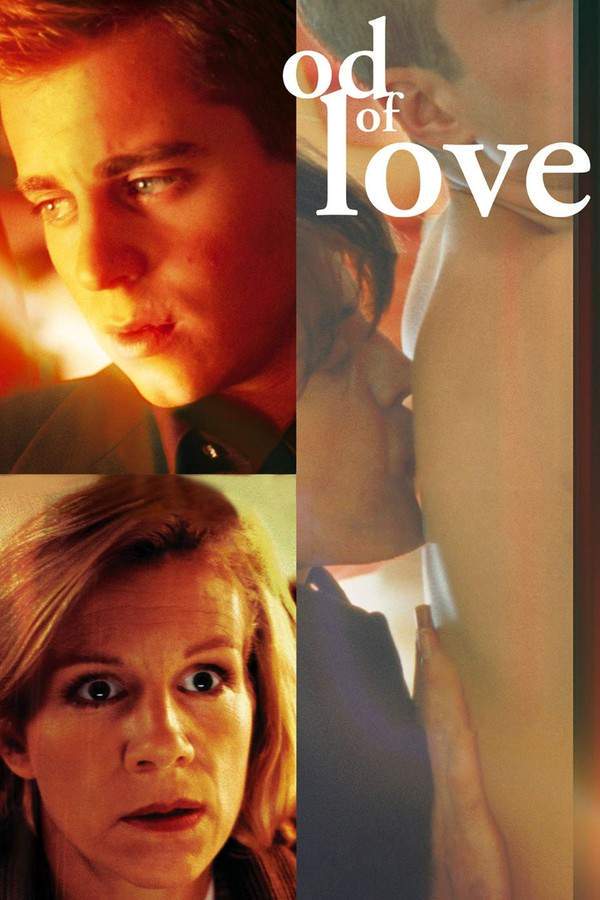
Zack Elliot is a successful young oncologist in the Los Angeles area, married to Claire, an equally accomplished television network executive, during the early 1980s. The couple met in college, have been married for eight years, and share a quiet, contented life built around shared passions like Gilbert and Sullivan and the poetry of Rupert Brooke, an interest they were introduced to by their elderly former neighbor, Winnie Bates. They dream of starting a family and take a practical step toward that future by purchasing a large house, hoping it will be a stage for the life they envision together.
Beneath the surface of their seemingly perfect marriage, Zack harbors private tensions that he has kept carefully hidden. He experiences an attraction to men that he has yet to fully acknowledge or name, a conflict that quietly unsettles him as he continues his professional routine and his daily life with Claire. To cope, he begins to explore this part of himself privately, venturing into gay bars in West Hollywood during his lunch breaks and meeting men in a way that remains emotionally unspoken. The surface calm of his days contrasts with a growing inner restlessness, and the boundaries between his professional identity and his personal yearnings begin to blur.
Everything shifts when Zack meets Bart McGuire, an openly gay novelist who has lived a much more visible, hesitantly hedonistic life. Bart lives with a clear sense of appetite for pleasure, surrounded by a circle of partners, club nights, and occasional drugs, all of which serve as a backdrop to his quick wit and unfiltered honesty. Despite Bart’s outward bravado, there are undercurrents of vulnerability and fear—an unspoken history with intimacy shaped by his own complicated childhood and a domineering father. The two men acknowledge a mutual attraction, a tension that remains largely unspoken as they share meals, conversations, and moments that sketch the possibilities of a deeper connection.
A dinner date follows a quiet, tense evening of curiosity. Zack asks Bart to join him for an evening out, telling Claire he needs to work late; in truth, he is drawn to Bart’s world and what it represents. At Bart’s house, Zack’s sense of himself becomes more complicated: he begins to understand that he is not simply curious, but potentially moving toward a longer acceptance of his own sexuality. They fall into bed together—an experience Zack has never had with another man—yet Bart’s pattern of needing space after closeness resurfaces, and he brushes him off when Zack wishes to stay the night. Frustration and hurt push Zack to confront Bart’s fear of intimacy, a fear that is tied to a history neither of them fully understands, and Bart suggests they may see each other again over the coming weekend.
As the tension between Zack’s hidden life and his marriage grows, Claire reacts with concern about the distance that has grown between them. She requests a year-long leave of absence from work to recalibrate the marriage, but her boss instead rewards her with a promotion and sends her to New York City for a weekend business trip. Seizing the new window of opportunity, Zack spends more time with Bart, though their relationship remains fraught with miscommunication and conflict. An argument erupts when Zack criticizes Bart’s portrayal of him in Bart’s new novel, and Bart presses Zack to be honest about himself. That night, Zack confesses that he loves Bart, an admission that both clarifies his feelings and heightens the risk that their bond cannot survive the truth. The next morning, driven by fear of commitment and the consequences of honesty, Bart pushes him away.
Bart’s own recognition of his feelings compounds the tension, and he remains unable to commit to the life Zack seeks. His lingering doubts become apparent as he continues to move through bars and social spaces in search of connection, yet the scenes with Zack have already altered both of their lives. Meanwhile, Claire returns from her trip with an unwelcome clarity about the depth of Zack’s hidden life. When Zack finally admits his attraction to other men, Claire’s initial promise that she could weather anything is tested. She reacts with a blend of hurt, anger, and practical resolve, and Zack chooses to walk away from the marriage rather than live a lie.
The fallout is difficult and uncompromising, but the film frames it with a sense of fragile honesty. Claire discovers a clue from Zack’s past—an impression that he has been living with another man—and she confronts the reality of his broader life. She tries to salvage something, offering a difficult compromise: she would accept his affairs and the need to live openly, but Zack insists that the arrangement must end. He severs the relationship in pursuit of a future where he can be true to himself, accepting a new job prospect in New York City working with cancer patients as a sign of his reinvention.
In the end, the couple’s paths diverge, and they agree to divorce, acknowledging that happiness for one does not erase pain for the other. The story then leaps forward several years to a life that has moved on in unexpected, bittersweet directions. Winnie Bates dies, a communal touchstone that anchors the characters in a shared history. Zack relocates to New York, where he starts a committed relationship with another man, an investment banker named Ken. He returns to Los Angeles for Winnie’s funeral, bringing with him a sense of settled adulthood and the reassurance that happiness can coexist with past pain. Claire, meanwhile, has remarried to an architect and has a young son named Rupert, a life that appears steady and grounded, perhaps a quiet counterpoint to Zack’s new chapter. The two of them meet again at the funeral and speak with a candid warmth, acknowledging the other’s happiness and reflecting on the paths that have shaped their lives.
Throughout the film, the characters known as Bart and Claire speak directly to the audience in a series of intimate, self-revealing monologues. These moments break the fourth wall and offer personal insights into their lives, their choices, and their feelings about the events that unfold on screen. The monologues give the audience a window into inner reflections—on truth, vulnerability, and the complicated nature of love, loyalty, and self-acceptance—as the narrative interweaves private revelations with the evolving public lives of two married people navigating a difficult, deeply human journey. The film remains grounded in its restrained, observational tone, presenting a hopeful, if imperfect, conclusion about finding a way to live honestly and choose happiness on one’s own terms.