Plot Explained Spoilers guaranteed!
Plot Explained

Browse by genre

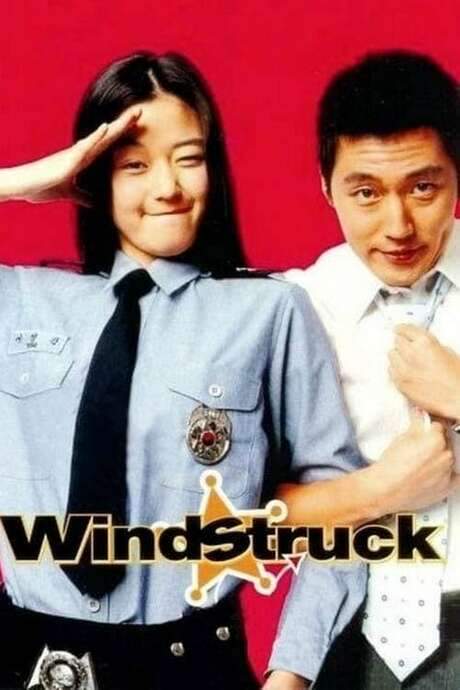
Love Phobia (2006) movie poster

Plot Summary

Love Phobia (2006) Plot Summary Explained

Release, runtime and language
2006 · 117 mins · Korean
Loading streaming availability…
Directed by
Kang Ji-eun
Starring
Chung Sung-hwa, Jung Jin-young, Lee Jae-yong, Park Shin-hye, Cho Seung-woo, Kang Hye-jung

On a sunny day Jo‑kang meets Ari, a girl in a yellow raincoat, and they become friends. He falls hopelessly in love, but she disappears suddenly. Ten years later, now a high‑school student, Jo‑kang receives a call from her and meets her at a temple. Their brief reunion ends with Ari vanishing again, leaving Jo‑kang devastated and puzzled.

On this page (6)
  1. 1 Where to watch
  2. 2 What happens: full plot
  3. 3 Plot questions answered
  4. 4 Movie threads
  5. 5 Movies like Love Phobia
  6. 6 Every angle
Loading streaming availability…

Full plot summary · contains spoilers

What Happens in Love Phobia: Full Plot Summary

The whole story of Love Phobia (2006) explained, from the opening scene to the final frame: every key event, every twist and what it all adds up to. Read it as a quick recap before the sequel, to check a scene you missed, or to finally understand what really happened.

On a bright, sunny day, a young boy named Jo-kang Cho Seung-woo crosses paths with a curious girl in a vivid yellow raincoat who claims she is an alien and warns that anyone she touches will be harmed. The school trembles with fear, yet Jo-kang sees something different in her and chooses to befriend her. The two form an instant, intense bond: Ari Park Shin-hye loves telling Jo-kang stories, and he believes every word, ready to do anything for her. Their childhood is marked by a sense of danger and magic as they huddle beneath that yellow raincoat, a token of their shared world. When Jo-kang falls ill with measles, the days they spent together fuse into a haunting memory, and soon Ari disappears, leaving a void in his life.

Ten years pass, and Ari reaches out to Jo-kang, now a high school student, inviting him to reconnect. They share a warmth that makes the decade apart feel lighter, and their time together feels almost effortless as Ari reveals surprising details about her life: she lives at a temple on a mountain that is “really” a volcano, surrounded by hot springs. She also speaks of an English ghost who visits her when she’s naked, claiming her English has improved as a result. She confesses bold plans to marry a banker so she can rob him and leave the planet. Moved by her, Jo-kang travels all night to bring her his favorite dish, presenting it as a surprise the next morning. Ari’s kiss leaves him with a fever, and once again she vanishes, leaving Jo-kang devastated and yearning for her return.

As adulthood arrives, Ari appears again and urges Jo-kang to come with her. In a moment of desperate reach, he initially binds her leg to a chair with shoelaces, trying to hold on to what they shared. That evening, Ari explains to Jo-kang’s father, a sushi chef, that NASA kidnapped her because the magnetic pull of her body attracts UFOs. Jo-kang and Ari plan for the next day, but she announces she will leave for the States. Before departing, she warns him not to cross the line she has drawn on the ground, a rule she has repeated since childhood.

A turn of fate comes when one of Jo-kang’s friends crashes and, at the hospital, he finds Ari as a patient. Pain and confusion drive him to seek answers from Ari’s uncle, a monk, where he ends up setting himself on fire to force the truth from them. He learns that Ari is living with HIV/AIDS, a condition she contracted accidentally at a hospital after a car accident that claimed her father’s life. The revelation reframes everything Jo-kang believed about Ari and their shared myth.

Seeking closure, Jo-kang attends an exhibit of Ari’s photographs and then carries her to a grassy lawn where she explains that crop circles are signs left by a UFO. That night, Ari falls ill again and is readmitted to the hospital. Standing in the rain outside, Jo-kang defies doctors’ orders, choosing to stay by Ari’s side as she lies near death. He sketches designs on the grass and takes Ari there, insisting on fulfilling her destiny to leave the planet, even as the night deepens. In her final moments, Ari tells Jo-kang that she loves him and pities him for trusting everything she said. A flying saucer appears in the night sky, and Jo-kang is left to narrate the lingering scent of their love as he clings to the belief that she is living on another planet, waiting for the day they will meet again.


Last updated: October 09, 2025 at 16:32

Was this helpful?

Plot questions answered

Love Phobia Plot Explained: Your Questions Answered

The questions people ask most about Love Phobia (2006): what happens in the confusing scenes, why the characters do what they do, the twists, hidden details and what the ending means. Each answer contains spoilers.

Q1

Why did Ari claim to be an alien and say her touch would harm people?

Ari's alien claims were a protective mechanism she created after her traumatic childhood. Her father died in a hospital accident that left her HIV-positive, and she used the alien narrative to create emotional distance from others, believing she was genuinely dangerous to be around. The alien persona allowed her to justify pushing Jo-kang away while still maintaining their connection.

Foreshadowing: From their first meeting, Ari warns that anyone she touches will be harmed, establishing her belief that she is dangerous to those close to her.

  • ari alien story
  • protective mechanism
  • why ar i claims to be alien
  • emotional distance
Q2

Why did Ari keep disappearing from Jo-kang's life?

Ari disappeared because she genuinely believed she was dangerous due to her HIV condition. After her father's death from the same hospital accident that infected her, she constructed the alien narrative to justify leaving. Each time she grew close to Jo-kang, her fear of harming him and the emotional weight of her secret became unbearable, leading her to vanish.

Foreshadowing: Ari vanishes shortly after Jo-kang falls ill with measles, the first time she believes her 'dangerous touch' may have affected him.

  • ari disappears
  • why ari leaves
  • HIV and ar i
  • fear of hurting jo-kang
Q3

Why did Jo-kang tie Ari to a chair with shoelaces?

Jo-kang tied Ari to the chair desperate to prevent her from leaving him again. After years of her sudden disappearances, he acted impulsively to hold onto their connection, using shoelaces as a makeshift restraint. This act reflects his emotional desperation and fear of losing her, though it also shows his willingness to cross boundaries to keep her in his life.

Foreshadowing: This moment echoes their childhood dynamic where Jo-kang always did whatever Ari asked, but now with darker intensity.

  • jo-kang ties ari
  • desperate attempt to keep ari
  • shoelaces
  • fear of loss
Q4

What was the line Ari drew that Jo-kang wasn't supposed to cross?

The line Ari drew represented the boundary between life and death, and between her fantasy world and harsh reality. She asked Jo-kang not to cross it as a test of his willingness to let her go peacefully. By standing outside the line in the rain at the hospital and later refusing to take her across it, Jo-kang honored her wish to let her depart on her own terms.

Foreshadowing: Ari repeatedly warns Jo-kang not to cross the line throughout their adult relationship, making it a recurring motif before her death.

  • the line
  • boundary between life death
  • ar i's final wish
  • letting go
Q5

How did Ari contract HIV?

Ari contracted HIV accidentally at a hospital following a car accident that claimed her father's life. When Jo-kang desperately set himself on fire to force the truth from her uncle, a monk, he learned that Ari received a blood transfusion during treatment after the accident, which infected her with the virus.

Foreshadowing: This explains why Ari believed she was 'contaminated' and dangerous, reframing her alien story as a way to cope with real medical trauma.

  • hiv transmission
  • hospital accident
  • ari's illness
  • blood transfusion
Q6

Why did Jo-kang set himself on fire at the monastery?

Jo-kang set himself on fire to force Ari's uncle to reveal the truth about her. Desperate to understand why Ari kept disappearing and what was truly wrong with her, he doused himself in gasoline and threatened to light himself ablaze unless the monk told him everything. His extreme act came from a place of anguish and love, showing how far he would go for answers.

Foreshadowing: This desperate act is the turning point where fantasy collapses into harsh reality for Jo-kang.

  • jo-kang self harm
  • monastery truth
  • desperate for answers
  • reveals ari's hiv
Q7

What did the flying saucer at the end mean?

The flying saucer represents Jo-kang's choice to maintain his belief in Ari's fantasy rather than accept her death. As Ari dies on the grassy lawn, a UFO appears in the night sky, and Jo-kang chooses to interpret this as Ari fulfilling her destiny to 'leave the planet.' This allows him to cope with grief by imagining she simply returned to another world rather than dying from illness.

Foreshadowing: Ari consistently claimed she would leave the planet, and the UFO appears exactly as she predicted throughout her stories.

  • ufo ending
  • flying saucer
  • ari's death
  • jo-kang fantasy coping
  • believing ari on another planet
Q8

Why did Ari tell Jo-kang she loves him but pities him?

Ari's confession reflects her awareness that Jo-kang's unwavering belief in her fantasy was both beautiful and tragic. She loved him genuinely but pitied him because he believed everything she said without question, even the lies she told to push him away. She knew her love would cause him pain, yet she couldn't stop caring for him.

Foreshadowing: This line recontextualizes their entire relationship, Jo-kang's devotion was both his greatest strength and his vulnerability.

  • ari's final words
  • love and pity
  • jo-kang trusting ari
  • tragic love confession
Q9

Why is the movie titled Love Phobia?

The title 'Love Phobia' refers to Ari's fear of love caused by her HIV diagnosis. She believed herself dangerous and contagious, so she created elaborate stories to push people away. Her 'phobia' is not about receiving love but about giving it, fearing she would harm those she cared about. Meanwhile, Jo-kang's obsessive devotion could also be seen as a form of phobia, his fear of losing her that drove him to extreme actions.

Foreshadowing: The entire narrative弧 explores how fear of love and loss shapes both characters' decisions.

  • title meaning
  • love phobia
  • ari's fear of love
  • HIV and love
  • fear of hurting loved ones
Q10

What was the significance of Ari's yellow raincoat?

The yellow raincoat symbolized the boundary between Ari's fantasy world and reality. It was a literal shelter where Jo-kang and Ari huddled together, creating an intimate space within her invented universe. The coat represented her identity as an 'alien' and became a token of their shared childhood magic. Its vivid yellow also contrasts with the dark reality of her illness, making it a bittersweet symbol of lost innocence.

Foreshadowing: The yellow raincoat appears in their first meeting and remains a visual motif throughout the film.

  • yellow raincoat
  • childhood memory
  • ari's identity
  • shared world
  • symbol of innocence
Q11

Why did Ari's kiss give Jo-kang a fever?

The fever Jo-kang experiences after Ari's kiss appears supernatural but is actually psychological, his body responding to emotional intensity and stress. The film blurs reality and fantasy, so the fever could be interpreted as either a literal manifestation of his emotional state or his immune system reacting to stress. Notably, he also caught measles as a child after being close to Ari, adding to the 'dangerous touch' mythology.

Foreshadowing: This mirrors his childhood measles, reinforcing Ari's belief that she harms those she touches.

  • fever after kiss
  • ari's kiss
  • emotional response
  • measles connection

Movie threads

More Movies Like Love Phobia, by Mood & Story

Curated lists built around what makes Love Phobia tick: the same mood, the same kind of story or the same emotional payoff. Each list explains why these movies belong together.

Movies blending whimsical fantasy and tragic reality like Love Phobia

Stories where enchanting fantasies collide with heartbreaking truths. If you were moved by the magical-realist elements and heartbreaking truth in Love Phobia, this thread features similar movies where enchanting fantasies and childhood wonder are used to cope with devastating real-life circumstances like terminal illness.

  • whimsical
  • melancholic
  • tragic
  • dreamlike
  • tender
  • yearning
  • Tone: bittersweet, melancholic, whimsical
  • Pacing: steady, reflective
Why these movies?

The story pattern: These narratives often follow characters who create or believe in a whimsical world—be it through stories, games, or altered perceptions—to escape or process a harsh reality. The story's structure contrasts the beauty of this fantasy with the gradual, inevitable encroachment of the truth, leading to a poignant emotional climax where the two worlds collide.

Why they belong together: Movies are grouped here for their unique tonal blend of childish wonder and profound sorrow. They share a specific emotional pattern: the joy found in shared delusion or fantasy, followed by the crushing yet beautiful moment of acceptance when reality can no longer be ignored.

Epic romance stories about love transcending loss like Love Phobia

Epic romances defined by profound devotion in the face of inevitable separation. For viewers who appreciated the theme of unconditional, time-spanning love in Love Phobia, this collection features movies about romances haunted by absence, where devotion is tested by separation, illness, or death, leading to a bittersweet but deeply felt conclusion.

  • yearning
  • tragic
  • nostalgic
  • devotional
  • heartbreaking
  • romantic
  • Tone: bittersweet, tragic, yearning
  • Pacing: steady, episodic
Why these movies?

The story pattern: The narrative often unfolds across significant time jumps, charting a love that is intense but intermittently experienced due to external forces. The protagonist's journey is one of patient waiting, searching, and grieving, with the love itself becoming a source of both pain and profound meaning, ultimately suggesting that some connections are too powerful to be broken by mere circumstance.

Why they belong together: These films are connected by their exploration of love as a constant, transformative force in the face of absence. They share a heavy emotional weight centered on grief and acceptance, and a bittersweet tone that finds beauty and solace in memory and enduring connection, rather than physical togetherness.

If you liked this

Movies Like Love Phobia

Similar movies to Love Phobia: the same genre, themes or kind of story. Each one comes with its own plot summary, timeline and ending explained.

Browse all movie summaries

Every angle

Love Phobia (2006) Explained: Plot, Timeline & Characters

Everything about Love Phobia in one place: what happens in the plot summary, the timeline in chronological order, the characters and meaning and a spoiler-free summary. What's After the Movie adds the cast, box office and post-credit scenes.

Coming soon on iOS and Android

The Plot Explained Movie Summary App

Plot summaries, endings explained and timelines on your phone. Catch up on any movie in minutes, save your favorites and never miss a twist again.

Be the first to know when we launch. Your email stays private, always.

Learn more about the app