Plot Explained Spoilers guaranteed!
Plot Explained

Browse by genre

The Crossing (2000) movie poster

Timeline

The Crossing (2000) Timeline Explained – Every Event in Order

Release, runtime and language
2000 · 116 mins · Japanese
Directed by
Yōichi Higashi
Starring
Satoko Abe, Takahito Hosoyamada, Akemi Omori, Tomoko Nakajima, Ryudo Uzaki, Michitaka Tsutsui

Fourteen‑year‑old Takuya lives in a rural mountain town beside the Kuma River, while his 29‑year‑old uncle Koji works as a graphic designer in Tokyo. After their father dies and Takuya is arrested for an attempted robbery, the two must confront a pivotal crossing in their lives. As the final entry in Yoichi Higashi’s “boy and river” trilogy, the film explores family, adolescence and nature’s restorative power, with the wild Kuma River symbolising the boy’s rite of passage and supernatural beings haunting the surrounding mountains.

On this page (4)
  1. 1 Events in order (13)
  2. 2 Timeline questions answered
  3. 3 Movie threads
  4. 4 Every angle

13 events in order · contains spoilers

The Crossing Timeline: Events in Chronological Order

Every key event of The Crossing (2000) in order, scene by scene, with when and where it takes place. Use it to untangle flashbacks, time jumps and parallel storylines, to refresh your memory before the sequel or to find the exact scene you are thinking of.

  1. Continental Army retreats through New Jersey

    After repeated defeats, the Continental Army is forced to retreat across New Jersey. They have lost New York City and suffered heavy losses, with many soldiers killed, captured, or deserting. Supplies and morale are running dangerously low.

    When
    Late 1776
    Where
    New Jersey
  2. Crossing the Delaware into Pennsylvania

    The army narrowly crosses the Delaware River into Pennsylvania, gaining a temporary reprieve from pursuit. The small boats available make the crossing perilous, especially in freezing weather. If discovered, the operation could fail and cost the Revolution.

    When
    Night of Dec 25–26, 1776; morning Dec 26
    Where
    Delaware River; Pennsylvania–New Jersey shore
  3. Supply shortage warned by General Mercer

    General Hugh Mercer warns Washington that their supplies of food, medicine, ammunition and winter clothing are dangerously low. Washington realizes that without a bold move the Revolution could collapse. He must find a plan to restore momentum.

    When
    Dec 1776
    Where
    Washington's camp
  4. Washington conceives the Trenton crossing plan

    Washington conceives a plan to cross back over the Delaware and strike the Hessian garrison at Trenton. The aim is to surprise them while they are resting after Christmas. The plan hinges on timing, secrecy and a rapid night march.

    When
    Dec 25–26, 1776
    Where
    Camp, across Delaware
  5. Gates questions feasibility and is silenced

    The plan is met with resistance when General Horatio Gates critiques it and suggests Washington relinquish command. Washington orders Gates to remain silent, and Alexander Hamilton escorts him from camp at gunpoint. The moment underscores the high stakes and Washington's resolve.

    When
    Dec 25–26, 1776
    Where
    Camp
  6. Glover pledges to lead the crossing

    Colonel John Glover, a seasoned mariner, agrees to oversee the crossing despite the odds. He and his men will move Washington’s troops in one night, risking freezing conditions. They commit to the mission to save the Revolution.

    When
    Dec 25–26, 1776
    Where
    Delaware River (Pennsylvania side)
  7. Secrecy and tight planning window

    To maintain the element of surprise, officers are told to reveal as little as possible and to train only what is necessary. They have only a few days to prepare weapons and movements. The pressure builds as the deadline approaches.

    When
    Dec 1776
    Where
    Camp
  8. Night crossing begins under freezing conditions

    The crossing begins on the night of December 25–26 under freezing weather with minimal visibility. Glover and his mariners orchestrate the transfer of troops across the river. The operation carries a high risk of discovery.

    When
    Night of Dec 25–26, 1776
    Where
    Delaware River crossing (Pennsylvania to New Jersey)
  9. Crossing completed by dawn; regroup for Trenton

    The crossing is completed by the morning of December 26, though behind schedule and with the sun rising. Washington's troops regroup on the New Jersey bank and prepare for the march to Trenton. The operation shifts from crossing to an offensive maneuver.

    When
    Morning Dec 26, 1776
    Where
    Delaware River vicinity
  10. March to Trenton under cover of darkness

    Washington's troops march to Trenton under swift, quiet movement to avoid detection. The march is timed to keep the enemy unaware of the impending attack. Fatigue blends with renewed determination as they close in on their target.

    When
    Dec 26, 1776
    Where
    Trenton, New Jersey
  11. Eight o'clock assault on the Hessians

    At eight o'clock in the morning, the Continentals launch a surprise assault on the Hessian garrison. The element of surprise overwhelms the enemy from the outset. The Hessians are caught off guard and struggle to respond.

    When
    8:00 AM, Dec 26, 1776
    Where
    Trenton, New Jersey
  12. Victory and capture of the Hessian garrison

    The Hessian defenses crumble under the unexpected assault, and most of the garrison is captured. The victory provides a dramatic morale boost for the Continental Army. Washington's leadership, aided by Glover's crossing, proves pivotal.

    When
    Dec 26, 1776
    Where
    Trenton, New Jersey
  13. The crossing's risks and strategic impact

    The narrative underscores how the rising sun and potential discovery threatened the operation's success. The calculated risk pays off with a dramatic and morale-raising victory. The event is framed as a turning point that keeps the Revolution alive.

    When
    Dec 26, 1776
    Where
    Delaware River vicinity / Trenton approaches

Last updated: October 09, 2025 at 15:09

Was this helpful?

Timeline questions answered

The Crossing Timeline Explained: Your Questions Answered

When does it happen, and why in that order? The questions people ask about the chronology of The Crossing (2000): time jumps, flashbacks, cause and effect between scenes and the correct order of events, each answered with spoilers.

Q1

Why did Washington decide to cross the Delaware and attack Trenton?

Washington chose this desperate gambit because the Continental Army was facing collapse. With supplies of food, medicine, ammunition, and winter clothing critically low, and the British threatening Philadelphia, he needed a bold move to restore momentum. The plan called for crossing back over the Delaware River to strike the Hessian garrison at Trenton on December 26, exploiting the element of surprise while the enemy was still recovering from Christmas celebrations.

Foreshadowing: General Hugh Mercer had earlier warned Washington that supplies were dangerously low, leaving the Revolution on the brink of collapse.

  • washington
  • trenton
  • supplies
  • desperate plan
  • hessian garrison
Q2

Why was General Gates removed from camp at gunpoint?

General Horatio Gates openly questioned Washington's strategy and suggested Washington relinquish command. This challenge to authority threatened to undermine the mission's cohesion. Washington responded with resolve, ordering Gates to remain silent and having Alexander Hamilton escort him away at gunpoint. This extreme measure underscored the gravity of the moment and Washington's determination to proceed with the plan despite opposition.

Foreshadowing: The tension between Washington and Gates reflects the broader disagreements among Continental officers about strategy during the campaign.

  • horatio gates
  • alexander hamilton
  • command dispute
  • washington authority
Q3

How did Colonel Glover make the river crossing possible?

Colonel John Glover, a seasoned mariner experienced in organizing Continental evacuations by boat, was key to the operation's feasibility. When Washington asked about the possibility of moving a large force across a freezing river in one night, Glover acknowledged the difficulty but committed himself and his men to the task. His expertise in handling small boats in treacherous conditions enabled what seemed impossible under winter conditions.

Foreshadowing: Glover's reputation for daring maritime evacuations earlier in the war made him the obvious choice for this critical mission.

  • john glover
  • mariners
  • boat crossing
  • river crossing expertise
Q4

Why was attacking the day after Christmas crucial to the plan?

The timing was calculated to maximize vulnerability. The assault was scheduled for the morning of December 26, the day after Christmas, when Hessian troops would be weary from feasting and likely asleep or at reduced alertness. This exploitation of the holiday aftermath gave Washington a critical edge, relying on surprise rather than numerical superiority to overwhelm the garrison.

Foreshadowing: The plan explicitly counted on the Hessians being off balance from their Christmas celebrations.

  • christmas
  • hessians
  • surprise attack
  • timing
  • trenton
Q5

What would have happened if the British discovered the crossing?

If discovered during the crossing, the operation would have failed catastrophically. Washington's troops would have been caught in the middle of the freezing Delaware River, exposed and unable to fight or retreat. This would have effectively ended the Revolution, delivering a crushing blow to American forces at their most vulnerable moment.

Foreshadowing: The narrative emphasizes that discovery would cost the Revolution, underscoring the enormous stakes.

  • discovery
  • british
  • river crossing
  • failure
  • revolution risk
Q6

How were the Hessians caught off guard during the attack?

The Hessians were completely unprepared for the assault. Washington's troops launched their attack at 8:00 AM on December 26, striking while the garrison was still groggy from Christmas celebrations. The element of surprise was total, the Hessians never expected an attack under such conditions and were caught completely unprepared, leading to their rapid surrender.

Foreshadowing: The entire plan hinged on maintaining secrecy until the moment of attack.

  • hessians
  • surrprise
  • garrison
  • trenton attack
  • defenseless
Q7

Why was the Trenton victory a turning point in the war?

The victory marked a pivotal moment that kept the Revolution alive. Before Trenton, the Continental Army had suffered repeated defeats, lost New York City, and was being chased through New Jersey with dwindling supplies and morale. The stunning capture of the Hessian garrison provided a dramatic morale boost and demonstrated that strategic audacity could alter the war's course, shifting momentum from despair to renewed resolve.

Foreshadowing: The narrative frames this as the moment when desperate circumstances gave way to triumphant resolve.

  • turning point
  • morale boost
  • revolution
  • victory
  • momentum
Q8

What dangers did the freezing conditions create during the crossing?

The crossing took place on a freezing winter night with minimal visibility, presenting enormous challenges. The cold threatened to incapacitate soldiers and damage equipment, while the difficult conditions made the operation nearly impossible. Despite these hazards, Glover's mariners pressed forward, completing the crossing by morning though behind schedule, with the rising sun increasing the risk of discovery.

Foreshadowing: The timeline notes that the crossing was completed only by morning, with the sun beginning to rise, a critical delay that threatened exposure.

  • freezing weather
  • winter conditions
  • dangers
  • crossing risk
  • cold
Q9

What demonstrated Washington's leadership during this crisis?

Washington displayed unwavering resolve at the moment the Revolution hung in the balance. When officers questioned the plan and Gates challenged his command, Washington silenced the dissent and proceeded with the daring assault. His willingness to take enormous risks, when supplies were gone, morale was low, and the army faced annihilation, proved decisive. The operation's success validated his leadership and restored hope to the cause.

Foreshadowing: Washington's response to Gates' challenge underscored his determination to act despite overwhelming doubt.

  • washington leadership
  • resolve
  • command
  • decision making
  • risk
Q10

How did the delayed crossing affect the mission's risk level?

The crossing was not completed until morning, when the sun had already begun to rise. This delay significantly increased the danger because the troops were now visible in daylight, potentially alerting British forces to their presence before they could reach Trenton. The element of surprise, which depended on arriving unseen, was severely compromised by the time constraint, making the mission far riskier than planned.

Foreshadowing: The narrative emphasizes that the rising sun threatened to expose the entire operation.

  • sunrise
  • delay
  • visibility
  • discovery risk
  • surprise compromised

Movie threads

More Movies Like The Crossing, by Mood & Story

Curated lists built around what makes The Crossing tick: the same mood, the same kind of story or the same emotional payoff. Each list explains why these movies belong together.

Rural coming of age movies like The Crossing

Stories of young protagonists finding their way amidst challenging rural landscapes and family struggles. If you liked The Crossing, explore more films about young characters facing tough challenges in rural settings. These movies share a steady pacing, heavy emotional weight, and focus on how nature and family shape a difficult journey to maturity.

  • atmospheric
  • resolute
  • hopeful
  • grim
  • desperate
  • coming of age
  • Tone: tense, hopeful, grim
  • Pacing: steady, character-driven
Why these movies?

The story pattern: Narratives typically follow a young protagonist confronting a significant personal or family crisis, often following a death or a brush with the law. The rural environment is integral to the plot, symbolizing both freedom and constraint. The journey is internal as much as external, moving from a state of confusion or rebellion towards a hard-won maturity and understanding.

Why they belong together: These films are grouped by their shared focus on adolescence, the symbolic use of rural landscapes, and a tone that blends grim reality with underlying hope. The pacing is often deliberate, allowing for deep character immersion and a focus on emotional authenticity over fast-paced plot.

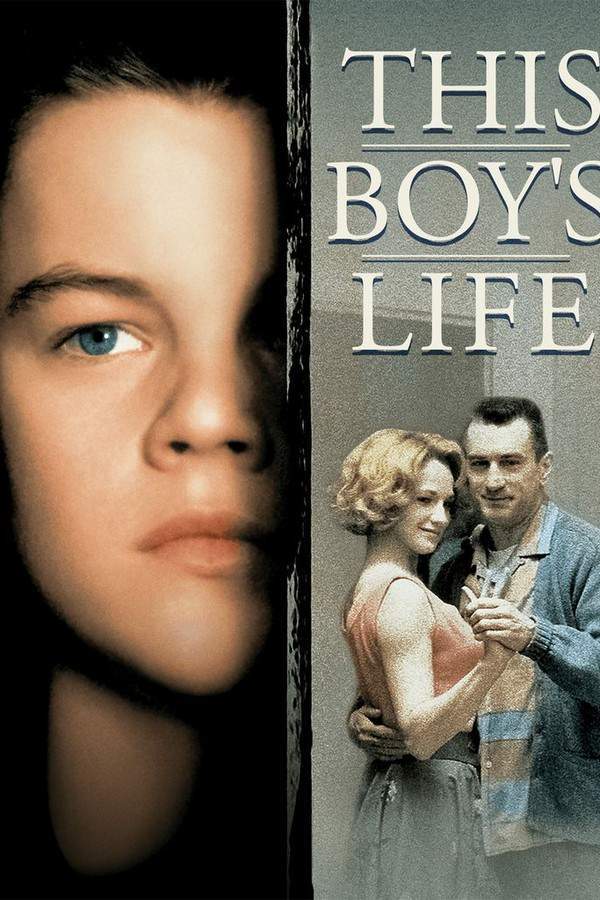
Intense family crisis dramas like The Crossing

Intense family stories where a single event forces characters to confront their past and future. Find movies similar to The Crossing that explore families grappling with loss and moral challenges. These intense dramas feature high stakes, tense atmospheres, and characters pushed to their limits, often culminating in a hopeful but hard-earned resolution.

  • tense
  • desperate
  • urgent
  • resolute
  • heavy
  • family drama
  • Tone: tense, desperate, urgent
  • Pacing: steady, urgent
Why these movies?

The story pattern: The narrative structure is often straightforward, centered on a clear catalytic event that disrupts the family's equilibrium. The plot follows the immediate and consequential fallout, exploring themes of responsibility, guilt, and reconciliation. The emotional journey is from a point of fracture and desperation towards a difficult but meaningful recalibration of family bonds.

Why they belong together: Movies in this thread share a high emotional intensity and a tense tone driven by familial crisis. They are united by a focus on the moral and emotional crossroads faced by characters, a steady pacing that builds urgency, and an emotional arc that moves from heavy despair towards a cathartic, if not entirely happy, conclusion.

Every angle

The Crossing (2000) Explained: Plot, Timeline & Characters

Everything about The Crossing in one place: what happens in the plot summary, the timeline in chronological order, the characters and meaning and a spoiler-free summary. What's After the Movie adds the cast, box office and post-credit scenes.

Coming soon on iOS and Android

The Plot Explained Movie Summary App

Plot summaries, endings explained and timelines on your phone. Catch up on any movie in minutes, save your favorites and never miss a twist again.

Be the first to know when we launch. Your email stays private, always.

Learn more about the app