Plot Explained Spoilers guaranteed!
Plot Explained

Browse by genre

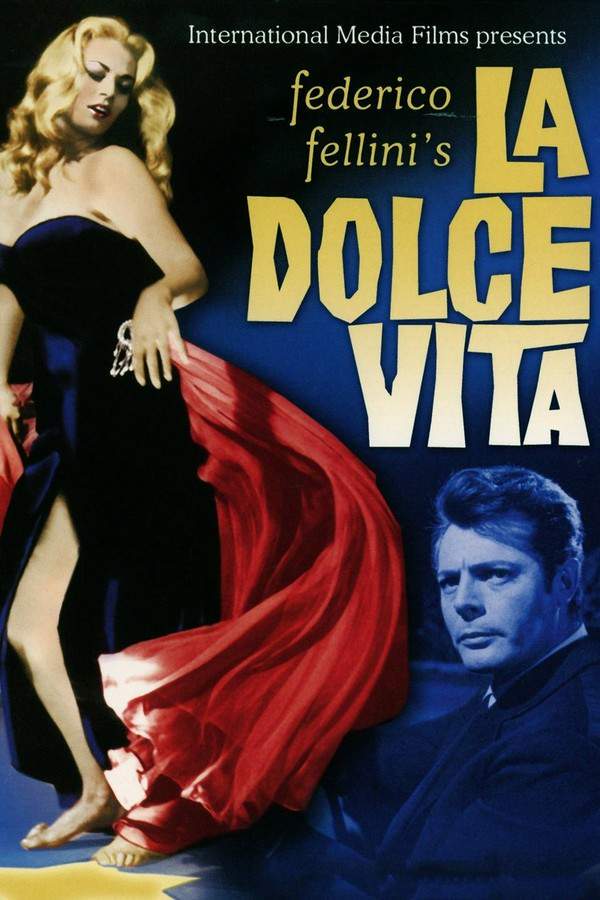
La Dolce Vita (1961) movie poster

Timeline

La Dolce Vita (1961) Timeline Explained – Every Event in Order

Release, runtime and language
1961 · 2 h 54 m · English
Directed by
Federico Fellini
Starring
Anouk Aimée, Marcello Mastroianni, Laura Betti, Anita Ekberg, Yvonne Furneaux, Mino Doro

A charismatic journalist and photographer, Marcello, drifts through the vibrant and decadent nightlife of Rome in the 1960s. As he pursues fleeting romances and witnesses the excesses of the wealthy, he confronts a growing sense of emptiness and moral ambiguity, struggling to find meaning in a world of superficiality and disillusionment.

On this page (5)
  1. 1 Events in order (15)
  2. 2 Timeline questions answered
  3. 3 Movie threads
  4. 4 Movies like La Dolce Vita
  5. 5 Every angle

15 events in order · contains spoilers

La Dolce Vita Timeline: Events in Chronological Order

Every key event of La Dolce Vita (1961) in order, scene by scene, with when and where it takes place. Use it to untangle flashbacks, time jumps and parallel storylines, to refresh your memory before the sequel or to find the exact scene you are thinking of.

  1. Arrival of the Christ Statue

    A monumental statue of Christ is transported through the ruins of ancient Rome by helicopter. Marcello Rubini, a paparazzo, captures the stunning views of the city, showcasing its iconic architecture and beauty while momentarily distracted by bikini-clad women.

    When
    Morning
    Where
    Rome
  2. Meeting Maddalena

    Later that night, Marcello encounters the stunning heiress, Maddalena, at an exclusive nightclub. Their chance meeting leads to a sultry rendezvous, igniting a passionate affair amid the enchanting backdrop of Rome.

    When
    Night
    Where
    Nightclub in Rome
  3. Emma's Overdose

    The next morning, Marcello returns home to find his fiancée Emma in a troubling state after a drug overdose. In a poignant moment, he professes his love for her, despite being distracted by thoughts of Maddalena from the previous night.

    When
    Morning
    Where
    Marcello's home
  4. Covering Sylvia's Arrival

    Marcello heads to Ciampino airport to report on the arrival of Swedish-American actress Sylvia. As he navigates through a throng of eager journalists, he grapples with the competing concerns for Emma's well-being and his career as a paparazzo.

    When
    Daytime
    Where
    Ciampino Airport
  5. Private Tour of St. Peter's Basilica

    After a chaotic press conference, Marcello suggests a private tour of St. Peter's Basilica for Sylvia. The two explore the sacred site together, engaging in a moment of connection as they enjoy the breathtaking views from the balcony.

    When
    Daytime
    Where
    St. Peter's Basilica
  6. Dance at the Baths of Caracalla

    As night falls, Marcello is mesmerized by Sylvia's seductive dance at the ancient Baths of Caracalla. Amidst the performance, tensions rise when her boyfriend Robert misinterprets the situation, sending Marcello and the paparazzi chasing after Sylvia.

    When
    Night
    Where
    Baths of Caracalla
  7. Splashing at the Trevi Fountain

    The following morning, amidst the magic of Rome, Sylvia playfully splashes water on Marcello. Their flirtation is abruptly interrupted by Robert's furious entrance, showcasing the tumultuous emotions surrounding their encounters.

    When
    Morning
    Where
    Trevi Fountain
  8. Discussion with Steiner

    Marcello finds solace in a church where he meets Steiner, who offers deep insights on the clash between material wealth and profound love. Their conversation reflects the complexities of life and ignites Marcello's creativity as they experiment with music.

    When
    Daytime
    Where
    Church
  9. Journey for the Madonna Apparition

    Marcello, Emma, and the paparazzi venture to the outskirts of Rome, drawn by rumors of a Madonna apparition. The event highlights the contrasting nature of faith and skepticism as they witness fervent believers hoping for a miracle.

    When
    Evening
    Where
    Outskirts of Rome
  10. Tragedy Strikes

    As the dawn breaks after the apparition event, chaos ensues when a child is crushed in the stampede for a glimpse of the Madonna. The tragedy serves as a stark reminder of the dangers of fanatical belief and the fragile nature of life.

    When
    Morning
    Where
    Site of the Apparition
  11. Gathering at Steiner's Home

    In the evening, Marcello and Emma join a gathering of intellectuals at Steiner's lavish abode. Amidst discussions of art and love, the captivating poet Iris Tree challenges Marcello's views on freedom versus commitment, leaving him contemplative.

    When
    Evening
    Where
    Steiner's Home
  12. Confrontation with Emma

    A quiet moment with Emma spirals into a passionate argument, leading to physical confrontations that culminate in her expulsion from his car. The emotional turmoil propels them into an awkward reunion later as they grapple with their feelings.

    When
    Evening
    Where
    Marcello's Car
  13. News of Steiner's Death

    Marcello's world shatters with the news of Steiner's murder-suicide alongside his children, leaving him heavy-hearted. The tragic event forces him to confront his own life choices and the fragility of happiness.

    When
    Daytime
    Where
    Steiner's Apartment
  14. Decadent Gathering at Fregene

    At a seaside retreat in Fregene, Marcello finds himself engulfed in a wild party amidst flamboyant company. The atmosphere shifts dramatically when the host Riccardo arrives, demanding an abrupt end to the festivities.

    When
    Evening
    Where
    Fregene
  15. Marcello's Unresolved Emotions

    As dawn breaks, Marcello finds a lifeless sea creature on the beach, symbolizing his own disorientation and struggle amid the chaos of his life. Leaving Paola behind, he faces the reality of fleeting connections and lingering regrets.

    When
    Morning
    Where
    Beach in Fregene

Last updated: November 17, 2024 at 18:01

Was this helpful?

Timeline questions answered

La Dolce Vita Timeline Explained: Your Questions Answered

When does it happen, and why in that order? The questions people ask about the chronology of La Dolce Vita (1961): time jumps, flashbacks, cause and effect between scenes and the correct order of events, each answered with spoilers.

Q1

Why does Marcello stay engaged to Emma when he clearly doesn't love her?

Marcello remains engaged to Emma despite lacking genuine love for her because she provides emotional stability and routine in his chaotic life. He's drawn to her devotion while simultaneously being distracted by more exciting women like Maddalena and Sylvia. Ultimately, Marcello is afraid of true commitment, he'd rather maintain a comfortable, predictable relationship than face the uncertainty of being alone, which reflects his broader inability to make meaningful choices throughout the film.

Foreshadowing: Earlier, the poet Iris Tree advises him to 'stay free, available' and never marry, advice Marcello finds appealing despite his engagement.

  • marcello
  • emma
  • engagement
  • commitment
  • fear of commitment
Q2

Why does Steiner commit murder-suicide with his children?

Steiner, the intellectual friend Marcello admires, kills his children and himself because he can no longer reconcile his philosophical ideals with the reality of his domestic life. Earlier in the film, Steiner tells Marcello he struggles between wanting material security and yearning for deeper love. His murder-suicide represents the ultimate failure of that internal battle, Steiner sees no way out except destruction. It's implied his wife may have been threatening to leave him, taking the children, which would have shattered the idealized life he'd constructed.

Foreshadowing: Steiner's own words about the tension between comfortable existence and authentic love foreshadow his tragic choice.

  • steiner
  • murder-suicide
  • children
  • intellectual
  • despair
Q3

What does the opening helicopter scene with the Christ statue symbolize?

The opening scene, where a helicopter carries a massive statue of Christ over Rome's ancient ruins while Marcello's news chopper follows, symbolizes the collision between sacred and secular in the film. Christ hovers above Rome but remains distant and inaccessible, much like the spiritual meaning Marcello desperately seeks but cannot grasp. The juxtaposition of the holy figure with Marcello's distraction by bikini-clad women establishes the film's central tension between spiritual yearning and earthly indulgence.

Foreshadowing: This scene establishes Marcello's pattern of seeking meaning while being distracted by superficial pleasures.

  • christ statue
  • helicopter
  • opening
  • symbolism
  • rome
  • sacred vs secular
Q4

What happens at the Madonna apparition scene?

Marcello, Emma, and a crowd of journalists travel to the outskirts of Rome following rumors of a Madonna apparition. Despite Church skepticism, thousands of believers gather hoping for a miracle. Emma fervently prays for Marcello's love. When the expected vision fails to appear, the desperate crowd stampedes through the vegetation, desperately trying to obtain relics. In the chaos, a child is crushed to death, a tragedy that exposes the dangerous extremes of religious fervor and the emptiness of blind faith.

Foreshadowing: The Church's skepticism foreshadows the event's failure to produce any genuine miracle.

  • madonna
  • apparition
  • miracle
  • stampede
  • child death
  • faith
Q5

What happens between Marcello and Paola at the end of the film?

In the final scenes, Marcello encounters Paola, an ethereal waitress he previously admired, who beckons him across an estuary. However, the howling wind carries away her words, leaving Marcello unable to understand her invitation. He eventually joins his friends, leaving Paola behind with an enigmatic smile. This ambiguous moment represents Marcello's persistent inability to connect meaningfully, opportunities for genuine connection slip away as he returns to his vacuous social circle, continuing his pattern of unfulfilled yearning.

Foreshadowing: Marcello's earlier admiration for Paola from the seaside restaurant establishes this as a missed opportunity for authentic connection.

  • paola
  • ending
  • estuary
  • wind
  • unfulfilled
  • missed connection
Q6

Why does Marcello's father leave Rome after his heart attack?

Marcello's father suffers a mild heart attack after a night of partying in Rome. Despite Marcello's pleading for him to stay so they can rebuild their relationship, his father insists on returning to Cesena. The elder Rubini's decision reflects his exhaustion with Rome's decadent lifestyle and his desire to retreat to a quieter, healthier life away from the chaos Marcello embodies. This rejection leaves Marcello feeling abandoned and underscores his fundamental isolation.

Foreshadowing: Their awkward reunion at the Cha-Cha Club, where Marcello reflects on childhood absence of his father, establishes the fragile nature of their bond.

  • father
  • heart attack
  • cesena
  • abandonment
  • relationship
Q7

Why does Sylvia leave during the dance at the Baths of Caracalla?

Sylvia leaves the Baths of Caracalla after her boyfriend Robert, who had been drinking, becomes jealous and angry at the charged atmosphere between her and Marcello. Robert's outbursts and the general chaos of the paparazzi chasing her force Sylvia to flee. This incident demonstrates the destructive nature of celebrity, Sylvia is constantly surrounded by attention yet unable to experience genuine freedom or connection, with her relationships polluted by jealousy and public scrutiny.

Foreshadowing: Earlier, Marcello suggests the private tour of St. Peter's Basilica, showing his opportunistic pursuit of Sylvia despite her relationship status.

  • sylvia
  • robert
  • baths of caracalla
  • jealousy
  • escape
  • paparazzi
Q8

What does the dead sea creature on the beach represent?

At dawn in Fregene, Marcello and the partygoers discover a grotesque dead sea creature washed ashore, a mysterious, surreal image that has baffled viewers for decades. Most interpretations see it as a symbol of spiritual and moral decay, reflecting the emptiness and death that permeate Marcello's world. The unnatural creature represents the rottenness beneath the glamorous surface of the decadent lifestyle, or perhaps Marcello's own sense of being spiritually dead while still physically moving through life.

Foreshadowing: The earlier scene of debauchery at Riccardo's castle establishes the moral decay that the sea creature ultimately symbolizes.

  • sea creature
  • beach
  • symbol
  • decay
  • surreal
  • interpretation
Q9

Why does Marcello avoid Maddalena's proposal at the castle party?

When Maddalena asks Marcello to marry her at the decadent castle party, he deflects and refuses. This reflects Marcello's fundamental inability to commit to anything meaningful, he prefers the excitement of pursuit and brief affairs over the responsibility of true partnership. Maddalena then turns to another suitor, showing how her wealth and status mean she has endless options. Marcello's choice illustrates his existential fear of losing freedom, even as his freedom leaves him increasingly isolated and unfulfilled.

Foreshadowing: Marcello's pattern of avoiding commitment began earlier, when he remained engaged to Emma while pursuing other women.

  • maddalena
  • proposal
  • marriage
  • commitment
  • avoidance
Q10

Why does Emma overdose on drugs in the film?

Emma, Marcello's fiancée, overdoses on drugs after a night Marcello spent with Maddalena. Her overdose stems from emotional desperation and her awareness of Marcello's infidelity. She loves him deeply but knows he doesn't reciprocate that love, leading her to seek escape through substance abuse. The incident reveals the destructive toll that Marcello's careless behavior has on those closest to him, even as he professes love for her in a moment of guilt.

Foreshadowing: Marcello's distraction by Maddalena's phone number while tending to Emma foreshadows his continued unfaithfulness.

  • emma
  • overdose
  • drugs
  • desperation
  • infidelity
Q11

What is Marcello searching for throughout the film?

Marcello drifts through Rome's nights seeking meaning, through women, journalism, intellectual conversations with Steiner, and connections with his father, but finds nothing that satisfies. His search represents the existential void of the modern intellectual in a decaying society. Every potential source of meaning (love, art, faith, family) ultimately disappoints him. The film suggests he's not searching sincerely but rather avoiding the emptiness by keeping constantly occupied, his perpetual motion is itself a form of running from confronting his own nothingness.

Foreshadowing: The opening scene establishes his pattern of seeking visual stimulation while neglecting deeper pursuits.

  • marcello
  • meaning
  • purpose
  • search
  • existential
  • void
Q12

What happens to Steiner's wife after the murder-suicide?

After Steiner kills his children and himself, Marcello receives the news and goes to inform Steiner's wife, who is apparently absent at the time of the murders. She's described as being away, possibly having threatened to leave with the children. The film doesn't show her reaction or fate directly, but Marcello must face her surrounded by hungry paparazzi seeking their headline. This moment forces Marcello to confront the consequences of his profession, he's part of the media machine that feeds on tragedy, even among his own friends.

Foreshadowing: Steiner's earlier concern about his children's future hinted at the domestic turmoil beneath his intellectual facade.

  • steiner wife
  • murder-suicide
  • paparazzi
  • aftermath
  • tragedy

Movie threads

More Movies Like La Dolce Vita, by Mood & Story

Curated lists built around what makes La Dolce Vita tick: the same mood, the same kind of story or the same emotional payoff. Each list explains why these movies belong together.

Movies about decadent alienation like La Dolce Vita

Characters adrift in worlds of hedonism, searching for meaning in the emptiness. If you liked the exploration of moral decay and existential emptiness in La Dolce Vita, discover similar movies. These stories feature characters drifting through opulent, hedonistic settings while struggling with profound disillusionment and a search for meaning.

  • decadent
  • alienated
  • disillusioned
  • yearning
  • cynical
  • nostalgic
  • Tone: melancholic, cynical, disillusioned
  • Pacing: slow, meandering, atmospheric
Why these movies?

The story pattern: These narratives often unfold in an episodic or meandering structure, charting a character's descent into or observation of a decadent lifestyle. The central journey is one of increasing disillusionment, as initial charm or excitement gives way to a deep, melancholic realization of the emptiness at the core of their world.

Why they belong together: They are grouped by their shared mood of cynical nostalgia and their thematic focus on the hollowness of hedonism. The experience is characterized by a slow, reflective pacing and a melancholic tone that explores the gap between surface glamour and inner despair.
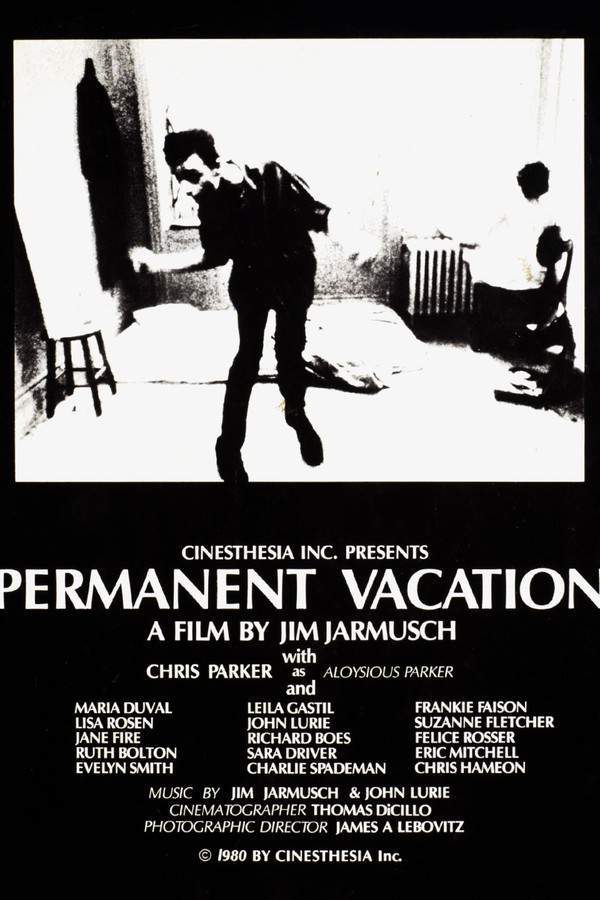
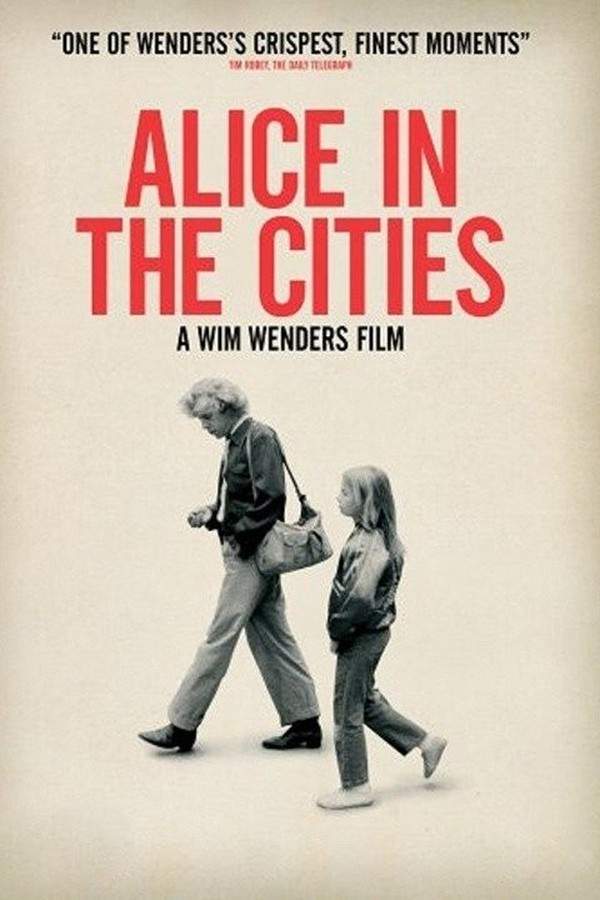
Episodic existential movies with the feel of La Dolce Vita

Dreamlike slices of life where characters wander in search of purpose. Find films with a narrative style and existential themes similar to La Dolce Vita. These movies use an episodic structure to explore characters adrift in society, grappling with moral ambiguity and the search for authenticity in a superficial world.

  • episodic
  • existential
  • dreamlike
  • reflective
  • alienated
  • satirical
  • Tone: melancholic, reflective, ambiguous
  • Pacing: slow, episodic, atmospheric
Why these movies?

The story pattern: The plot is secondary to mood and theme. The story progresses through a series of encounters and events that collectively reveal the protagonist's inner turmoil and philosophical questions. The ending is often ambiguous, reflecting the ongoing, unresolved nature of their search for meaning.

Why they belong together: They share a specific narrative structure and a core thematic concern. The episodic, slice-of-life approach combined with a focus on existential dread, social satire, and a character's passive observation of their environment creates a uniquely contemplative and dreamlike viewing experience.

If you liked this

Movies Like La Dolce Vita

Similar movies to La Dolce Vita: the same genre, themes or kind of story. Each one comes with its own plot summary, timeline and ending explained.

Browse all movie summaries

Every angle

La Dolce Vita (1961) Explained: Plot, Timeline & Characters

Everything about La Dolce Vita in one place: what happens in the plot summary, the timeline in chronological order, the characters and meaning and a spoiler-free summary. What's After the Movie adds the cast, box office and post-credit scenes.

Coming soon on iOS and Android

The Plot Explained Movie Summary App

Plot summaries, endings explained and timelines on your phone. Catch up on any movie in minutes, save your favorites and never miss a twist again.

Be the first to know when we launch. Your email stays private, always.

Learn more about the app