Plot Explained Spoilers guaranteed!
Plot Explained

Browse by genre

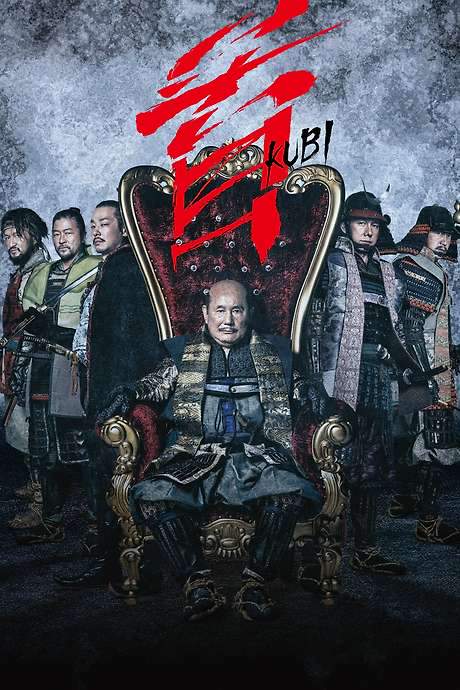
Kubi (2023) movie poster

Characters & Themes

Kubi (2023) Characters, Setting & Themes Explained

Release, runtime and language
2023 · 131 mins · Japanese
Loading streaming availability…
Starring
Susumu Terajima, Hidetoshi Nishijima, Ken'ichi Yajima, Masanobu Katsumura, Takeshi Kitano, Ryo Kase

Amidst the power struggles of feudal Japan, Lord Oda Nobunaga seeks to unify the nation through military conquest against competing clans. A crisis arises when Araki Murashige, a key vassal, leads a rebellion and vanishes, threatening Nobunaga’s ambitions and plunging the region into further turmoil. The search for the traitorous Murashige becomes paramount to maintaining order and achieving ultimate control.

On this page (7)
  1. 1 Where to watch
  2. 2 Characters explained (4)
  3. 3 Where & when it takes place
  4. 4 Themes & meaning (3)
  5. 5 Movie threads
  6. 6 Movies like Kubi
  7. 7 Every angle
Loading streaming availability…

4 main characters · contains spoilers

Kubi Characters Explained: Who Is Who

The main characters of Kubi (2023), heroes and villains: what drives them, how they change over the course of the story and what each of them reveals about the film's bigger ideas.

  • Hanya no Sahei

    played by Susumu Terajima

    A cunning and ambitious officer in Nobunaga's army, Hanya no Sahei navigates the treacherous waters of loyalty and betrayal. He is deeply involved in the personal and political conflicts among the generals, often using manipulation to achieve his goals. His character embodies the complexities of power struggles and the costs that come with them.

    • ⚔️ Samurai
    • 🏯 Loyalist
    • 🧠 Strategist
  • Akechi Mitsuhide

    played by Hidetoshi Nishijima

    A cunning strategist and one of Nobunaga's most trusted officers, Akechi Mitsuhide grapples with loyalty and his hidden desires. His deep-seated relationship with Murashige drives critical plot points, revealing layers of ambition and betrayal. Ultimately, Mitsuhide's choices lead to drastic consequences, marking him as a tragic figure in the narrative.

    • ⚔️ General
    • 💔 Betrayer
    • 🧠 Strategist
  • Oda Nobunaga

    played by Ryo Kase

    The powerful and ruthless warlord, Oda Nobunaga, epitomizes the brutal realities of feudal Japan. His use of intimidation and manipulation to secure loyalty from his generals illustrates his complex character. Driven by ambition and paranoia, Nobunaga's journey culminates in a tragic downfall, highlighting the perils of absolute power.

    • ⚔️ Warlord
    • 🏯 Ambitious
    • 🔥 Ruthless
  • Hideyoshi

    played by Takeshi Kitano

    A key character who carefully maneuvers through political intrigue without the emotional ties that bind others. Hideyoshi's intelligence and resourcefulness make him a formidable player in the power struggles at hand. He represents the pragmatic approach to survival and success amidst the chaos of war.

    • ⚔️ General
    • 🧠 Cunning
    • 🏯 Political Player

Last updated: November 02, 2026 at 20:29

Was this helpful?

Setting

Where and When Does Kubi Take Place?

The setting of Kubi (2023): the year and time period, the places and locations, and how they shape the characters, the mood and the tension of the story.

Time period

1579-1582

The film's timeline captures a transformative period in Japan, characterized by intense political machinations and military conflict during the Sengoku period. Events such as the Siege of Arioka Castle and the Honno-ji Incident signify the chaotic struggle for power, loyalty, and betrayal among samurai and warlords. This era was marked by shifting allegiances, the rise and fall of key figures, and the evolution of warfare and governance in the country.

Location

Arioka Castle, Honno-ji Temple, Yamazaki

Arioka Castle, a strategic stronghold, was the site of a notable siege during the power struggles in feudal Japan. Honno-ji Temple is infamous as the location where Oda Nobunaga met his demise, marking a pivotal event in Japanese history. Yamazaki, known for the significant battle that took place there, represents the clash of power among samurai and the tumultuous nature of alliances and betrayals.

  • 🏯 Historical Site
  • 🔥 Battle Ground
  • 🏞️ Castle

Last updated: November 02, 2026 at 20:29

Was this helpful?

3 major themes

Kubi Meaning: Themes & Message Explained

What is Kubi (2023) really about? The emotional, social and philosophical themes the film keeps returning to, its symbolism and the message beneath the surface.

  • Betrayal

    Betrayal is a central theme, illustrated through the complex interpersonal relationships among Nobunaga and his generals. Nobunaga's tactics of manipulation and intimidation breed treachery and rebellion, as loyalty is constantly tested. Ultimately, the film explores how ambition and fear lead to betrayal, culminating in violent power shifts.

  • War & Struggle

    The narrative vividly portrays the brutal realities of war and the struggle for supremacy in a feudal society. Battles such as the Siege of Takamatsu and the confrontation at Yamazaki highlight the violent nature of the era. War is not merely a backdrop but a catalyst that drives characters' motivations and choices throughout the film.

  • Love & Loyalty

    The film delves into unconventional relationships that define loyalty among the samurai, showcasing the intricate dynamics of love and power. Homosexual relationships serve as both a tool for manipulation and genuine connection amid the backdrop of political strife. This theme complicates traditional notions of loyalty and duty, emphasizing the personal stakes involved in a world fraught with danger.

Last updated: November 02, 2026 at 20:29

Was this helpful?

Movie threads

More Movies Like Kubi, by Mood & Story

Curated lists built around what makes Kubi tick: the same mood, the same kind of story or the same emotional payoff. Each list explains why these movies belong together.

Movies like Kubi: betrayal, power struggles, and unification

Rulers chase unification while betrayal turns every alliance into a lethal gamble. If you liked Kubi, explore dark historical dramas where rulers pursue unification, trusted vassals rebel, and shifting alliances turn court intrigue into warfare. These movies pair complex factional plotting with brutal consequences, focusing on ambition, authority, betrayal, and the costly pursuit of control.

  • power struggle
  • betrayal
  • political intrigue
  • warfare
  • oppressive
  • volatile
  • Tone: dark, ominous, volatile
  • Pacing: measured intrigue, sudden escalation
Why these movies?

The story pattern: Usually, an ambitious ruler tries to consolidate authority over divided factions, only for the struggle to turn inward through rebellion and suspected betrayal. Suspicion spreads, rivals vanish or regroup, and overlapping schemes drive the conflict toward open war. The arc turns political unity into a brutal contest in which loyalty, obedience, and succession are violently renegotiated.

Why they belong together: These films are united by intricate factional politics, coercive leadership, shifting alliances, and rebellion threatening a larger campaign. Their plots reward viewers who enjoy complex power dynamics, with court intrigue regularly erupting into violence and ambition portrayed as a corrupting force rather than a heroic aspiration.

Movies like Kubi: brutal court intrigue and bleak historical violence

Coercive rulers and grotesque violence expose the hollow cost of conquest. If you enjoyed Kubi, find similar dark historical dramas where political power is maintained through intimidation, sexual coercion, murder, and macabre spectacle. These tense stories use measured intrigue, sudden violence, grim humor, and bleak outcomes to show victory as emotionally hollow rather than triumphant.

  • visceral
  • grim
  • oppressive
  • macabre
  • intimidating
  • morally bleak
  • Tone: bleak, brutal, oppressive
  • Pacing: variable, punctuated by sudden violence
Why these movies?

The story pattern: Stories in this thread alternate between calculated confrontations and eruptions of brutality. Authority is tested through intimidation, coercion, murder, execution, and macabre spectacle; even dark jokes fail to puncture the menace for long. Victories arrive without moral clarity or emotional relief, leaving the surviving victor isolated, emotionally vacant, or confronted by the consequences of conquest.

Why they belong together: The grouping is driven by a shared atmosphere of oppressive hierarchy, sudden bodily violence, disturbing imagery, and sustained menace. These are grim, high-intensity experiences whose bleak endings deny the satisfaction of a clean triumph, while occasional gallows humor keeps the darkness volatile rather than solemn.

If you liked this

Movies Like Kubi

Similar movies to Kubi: the same genre, themes or kind of story. Each one comes with its own plot summary, timeline and ending explained.

Browse all movie summaries

Every angle

Kubi (2023) Explained: Plot, Timeline & Characters

Everything about Kubi in one place: what happens in the plot summary, the timeline in chronological order, the characters and meaning and a spoiler-free summary. What's After the Movie adds the cast, box office and post-credit scenes.

Coming soon on iOS and Android

The Plot Explained Movie Summary App

Plot summaries, endings explained and timelines on your phone. Catch up on any movie in minutes, save your favorites and never miss a twist again.

Be the first to know when we launch. Your email stays private, always.

Learn more about the app