Plot Explained Spoilers guaranteed!
Plot Explained

Browse by genre

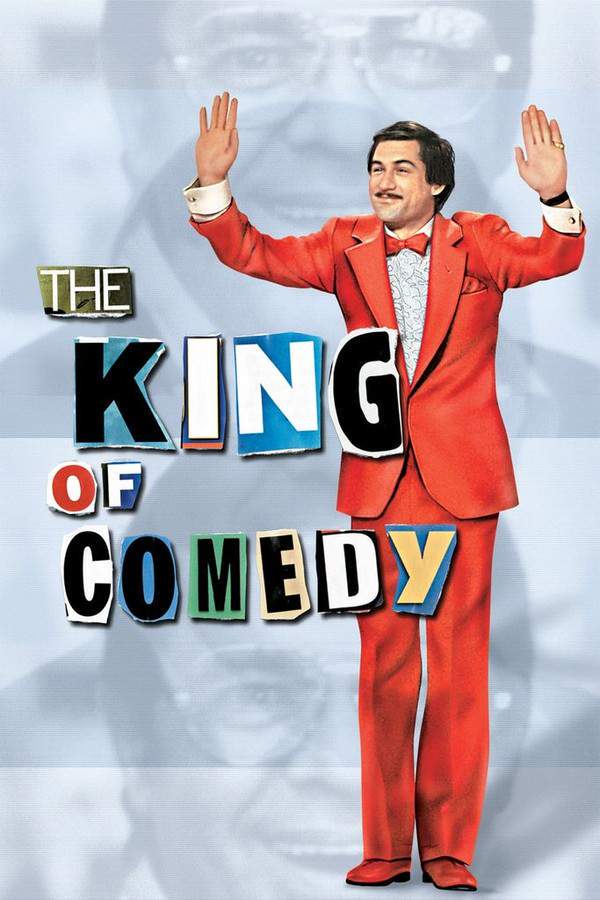
King of Comedy (1999) movie poster

Timeline

King of Comedy (1999) Timeline Explained – Every Event in Order

Release, runtime and language
1999 · 89 mins · Cantonese
Directed by
Lee Lik-Chi
Starring
Jackie Chan, Stephen Chow, Karen Mok, Cecilia Cheung, Ben Yuen, Tenky Tin Kai-Man

Wan Tin‑Sau is an actor whose career stalls at the level of movie extra, never landing a starring role. While chasing his dream, he simultaneously serves as the head of his village’s community centre, juggling the demands of his modest acting work with his leadership duties.

On this page (6)
  1. 1 Where to watch
  2. 2 Events in order (12)
  3. 3 Timeline questions answered
  4. 4 Movie threads
  5. 5 Movies like King of Comedy
  6. 6 Every angle

Where to watch

Where to Watch King of Comedy (1999)

Where can you watch King of Comedy? Stream, rent or buy it in the US, including on Amazon Video, Apple TV Store and Fandango At Home: current JustWatch availability with up-to-date prices.

Streaming availability powered by JustWatch

12 events in order · contains spoilers

King of Comedy Timeline: Events in Chronological Order

Every key event of King of Comedy (1999) in order, scene by scene, with when and where it takes place. Use it to untangle flashbacks, time jumps and parallel storylines, to refresh your memory before the sequel or to find the exact scene you are thinking of.

  1. Wan's double life begins

    Wan Tin-sau runs acting lessons at the village community centre and moonlights as a movie extra, chasing a bigger break in show business. He treats every acting opportunity with inflated seriousness, foreshadowing the gap between his ambitions and reality.

    When
    early in the story
    Where
    village community centre
  2. Club girls enlist Wan's coaching

    A group of club girls asks Wan to help them act like innocent schoolgirls to earn more money. He coaches them with his trademark intensity, hoping to sharpen their performances. Lau Piu-piu, initially skeptical, begins to open up under his tutelage.

    When
    early in the film
    Where
    local club rehearsal room
  3. Piu-piu improves and falls for Wan

    Under Wan's instruction, Piu-piu becomes a better actress and grows closer to him, developing romantic feelings. Wan senses the change and lets the attraction color his professional judgments. The budding romance complicates their dynamic as he pursues her.

    When
    early to mid
    Where
    club rehearsal space
  4. The tryst leads to a money scare

    After they sleep together, Wan frantically searches his home for enough money to pay Piu-piu for her 'services'. He misreads her motives, thinking she slept with him for money. Piu-piu leaves him in anger, hurt and distrust.

    When
    shortly after their encounter
    Where
    Wan's home
  5. Wan lands a leading role

    Returning to the film studio, Wan lands a lead part, starring alongside legendary actress Sister Cuckoo. The opportunity signals a possible rise to real fame and shifts the balance of power in his career. The moment foreshadows the precarious nature of success.

    When
    soon after
    Where
    film studio
  6. Reconciliation with Piu-piu

    Wan reconciles with Piu-piu and pledges to support her for life. He vows to be more than a paycheck, signaling a deeper commitment. The personal reconciliation is framed as both romantic and practical.

    When
    after landing the role
    Where
    Wan's home
  7. The lead role is pulled from Wan

    Just as Wan seems poised to settle into stardom, the lead part is handed back to a more in-demand male actor. He must cope with another setback in his career. The volatility of the industry tests his resolve.

    When
    soon after
    Where
    film studio
  8. The lunchman steps in

    The misanthropic lunchman at the studio, secretly a C.I.B. agent, helps Wan regain confidence and becomes his mentor. He recruits Wan for an undercover operation. This shift moves Wan from romantic and personal stakes to dangerous professional intrigue.

    When
    after the setback
    Where
    studio cafeteria
  9. Undercover sting: delivery boy

    Wan participates in an undercover sting, disguised as a delivery boy who must smuggle a hidden gun and listening device inside take-out food. The operation relies on Wan's ordinary appearance to avoid suspicion. Tension rises as the ruse unfolds.

    When
    during sting
    Where
    city streets near studio
  10. The ruse is blown; Wan acts

    The undercover ruse is exposed and the C.I.B. agent is shot. Wan grabs the gun and helps save the day, turning the tide of the mission. The lunchman is rushed to the hospital but survives.

    When
    during operation
    Where
    studio grounds and hospital
  11. Stardom through Thunder Storm

    Following the sting, Wan becomes famous through a standout performance in Thunder Storm, joined by Piu-piu, Sister Cuckoo, and his Triad pupils. The production solidifies his ascent from extra to star. The moment marks his real breakthrough.

    When
    after sting
    Where
    Thunder Storm stage
  12. Pringles end credits plug

    The film ends with a conspicuous Pringles advertisement: the cast backstage munching chips as the cans' logos face the camera. A comic moment features a quarrel over who should play Bruce Lee's character, followed by the line don't fight, eat chips. The closing credits cut to a final Pringles sting.

    When
    closing credits
    Where
    backstage and screen

Last updated: October 07, 2025 at 09:26

Was this helpful?

Timeline questions answered

King of Comedy Timeline Explained: Your Questions Answered

When does it happen, and why in that order? The questions people ask about the chronology of King of Comedy (1999): time jumps, flashbacks, cause and effect between scenes and the correct order of events, each answered with spoilers.

Q1

Why does Piu-piu leave after sleeping with Wan?

Piu-piu leaves because Wan mistakenly believes she slept with him for money. After their intimate night together, Wan frantically searches his home for cash to pay her, implying he thinks she was working as a prostitute. This insult deeply wounds Piu-piu, who genuinely fell in love with him, and she storms out in anger, feeling trusted neither as a woman nor as an actress.

Foreshadowing: Earlier, Wan treats every acting job with exaggerated seriousness, foreshadowing his tendency to misread situations and prioritize money over genuine connection.

  • piu-piu
  • miscommunication
  • money
  • romance
  • leaves wan
Q2

Why does Wan search for money after his night with Piu-piu?

Wan searches for money because he assumes Piu-piu slept with him as part of her work as a club girl. His insecurity and lack of self-worth as an unsuccessful actor lead him to believe she must have been motivated by payment rather than genuine affection. This misunderstanding stems from his inability to accept that someone could love him for who he is.

Foreshadowing: Wan's inflated seriousness about acting extends to his romantic life, where he projects commercial transaction logic onto a genuine romantic connection.

  • wan tin-sau
  • money
  • misunderstanding
  • piupiu
  • insecurity
Q3

Why is Wan's lead role taken away in the movie?

Wan's lead role is handed back to a more in-demand male actor. After finally landing a starring position opposite Sister Cuckoo, the studio decides to give the part to someone with greater commercial appeal. This setback reflects the volatile nature of the film industry, where even hard-won opportunities can be revoked based on market demands rather than talent or effort.

Foreshadowing: The timeline notes that Wan's early treating of every acting opportunity with inflated seriousness foreshadows the precarious nature of his career.

  • lead role
  • casting
  • studio
  • sister cuckoo
  • setback
Q4

Who is the lunchman at the film studio?

The lunchman is secretly a C.I.B. (Criminal Investigation Bureau) agent working undercover at the film studio. He approaches Wan after his career setback, helping him regain confidence and recruiting him for an undercover police operation. Despite his misanthropic demeanor in the cafeteria, he becomes Wan's mentor and sees potential in the struggling actor.

Foreshadowing: The lunchman appears after Wan loses his lead role, stepping in at a moment of personal and professional crisis.

  • lunchman
  • cib agent
  • undercover
  • mentor
  • police operation
Q5

What does the C.I.B. operation involve Wan doing?

The C.I.B. recruits Wan for an undercover sting, disguising him as a delivery boy. His mission is to deliver take-out food containing a hidden gun and listening device to suspects. The operation relies on his ordinary appearance to avoid suspicion. Though the ruse is eventually exposed and the undercover agent is shot, Wan steps in heroically, grabbing the gun and helping complete the mission.

Foreshadowing: The operation takes place after Wan loses his acting role, shifting him from romantic storylines to dangerous professional intrigue.

  • undercover
  • sting
  • delivery
  • gun
  • cib
  • police
Q6

How does Wan finally become famous?

Wan achieves fame through his performance in the stage play Thunder Storm, which features Piu-piu, Sister Cuckoo, and his Triad students in the cast. This theatrical production marks his real breakthrough from movie extra to recognized performer. The successful sting operation and his heroic actions earlier also contribute to his rising celebrity.

Foreshadowing: Wan's journey from running acting classes at the community center to performing on stage represents the culmination of his persistent pursuit of stardom.

  • thunder storm
  • fame
  • stage play
  • breakthrough
  • success
Q7

Why does Wan help the club girls act like schoolgirls?

A group of club girls asks Wan to coach them because they want to pose as innocent schoolgirls to earn more money from customers. Wan agrees, treating the request with his characteristic intensity and seriousness. This job represents one of his many acting gigs as he struggles to make ends meet while pursuing his dreams. It also introduces him to Piu-piu, who initially doubts his advice but eventually becomes his student and love interest.

Foreshadowing: This early storyline establishes Wan's dual identity as both a struggling actor and someone who takes his craft seriously, even in seemingly trivial roles.

  • club girls
  • schoolgirls
  • acting class
  • coaching
  • piupiu
Q8

Do Wan and Piu-piu end up together?

Yes, Wan and Piu-piu ultimately end up together. After their initial misunderstanding and separation, Wan reconciles with Piu-piu after landing his lead role and pledges to support her for the rest of his life. Their relationship survives the misunderstanding, the lost role, and the dangerous undercover operation, culminating in both performing together in Thunder Storm.

Foreshadowing: The early romance subplot builds toward reconciliation once Wan proves his commitment goes beyond financial transactions.

  • relationship
  • piupiu
  • reconciliation
  • together
  • love
Q9

Why does the movie end with a Pringles advertisement?

The film concludes with a conspicuous Pringles product placement during the Thunder Storm backstage scene. The entire cast stands munching Pringles while the chip cans' logos face the camera directly. A comic argument erupts over who should play Bruce Lee's character, leading to the line "don't fight, eat chips!" The closing credits feature an additional Pringles advertisement. This ending reflects the film's black comedy tone and satirical approach to commercialism in the entertainment industry.

Foreshadowing: The meta, self-aware humor of the Pringles plug aligns with the film's overall satirical treatment of fame and the acting industry.

  • pringles
  • ending
  • product placement
  • credits
  • humor

Movie threads

More Movies Like King of Comedy, by Mood & Story

Curated lists built around what makes King of Comedy tick: the same mood, the same kind of story or the same emotional payoff. Each list explains why these movies belong together.

Movies about quirky creative journeys like King of Comedy

Witty and quirky stories about artists finding their way in a ridiculous world. If you enjoyed the satirical take on Hong Kong's film industry in King of Comedy, you'll like these movies about artists, actors, and creators. These stories blend comedy with heartfelt journeys, offering a similar mix of whimsy, ambition, and romantic misadventures.

  • satirical
  • quirky
  • aspirational
  • playful
  • whimsical
  • creative
  • Tone: light, whimsical, satirical
  • Pacing: variable, character-driven
Why these movies?

The story pattern: Movies in this thread follow passionate but struggling artists navigating the eccentric and often illogical world of a creative industry. The journey is filled with humorous obstacles, quirky characters, and a satirical look at the business side of art, culminating in a personal victory that redefines what success means for the protagonist.

Why they belong together: These films are grouped together for their shared lighthearted, satirical tone and their focus on the creative process. They balance the absurdity of industry politics with a genuine affection for their protagonists, creating a feel-good experience centered on artistic triumph.

Romantic comedies with chaotic plots like King of Comedy

Where romantic entanglements get tangled up with bigger, bizarre life plots. Fans of the romantic and comedic blend in King of Comedy will enjoy these movies. They feature a strong romance subplot set against a backdrop of larger, often absurd life adventures, providing a similar feel of playful drama and heartfelt connection.

  • romantic
  • playful
  • quirky
  • absurd
  • aspirational
  • chaotic
  • Tone: light, romantic, playful
  • Pacing: variable, blending steady romance with faster subplots
Why these movies?

The story pattern: The narrative pattern involves a protagonist pursuing a romantic interest while simultaneously being swept up in an unrelated, often ridiculous adventure. These two threads converge, with the romance either complicating or ultimately aiding the resolution of the larger plot, leading to a happy ending on both fronts.

Why they belong together: These movies share a specific structure that balances a moderate level of romance with other genre elements like comedy or crime. The tone remains light throughout, ensuring the various plotlines feel cohesive and entertaining rather than stressful, resulting in a satisfying and fun viewing experience.

If you liked this

Movies Like King of Comedy

Similar movies to King of Comedy: the same genre, themes or kind of story. Each one comes with its own plot summary, timeline and ending explained.

Browse all movie summaries

Every angle

King of Comedy (1999) Explained: Plot, Timeline & Characters

Everything about King of Comedy in one place: what happens in the plot summary, the timeline in chronological order, the characters and meaning and a spoiler-free summary. What's After the Movie adds the cast, box office and post-credit scenes.

Coming soon on iOS and Android

The Plot Explained Movie Summary App

Plot summaries, endings explained and timelines on your phone. Catch up on any movie in minutes, save your favorites and never miss a twist again.

Be the first to know when we launch. Your email stays private, always.

Learn more about the app