
























Plot Explained Spoilers guaranteed!
Plot Explained

Browse by genre

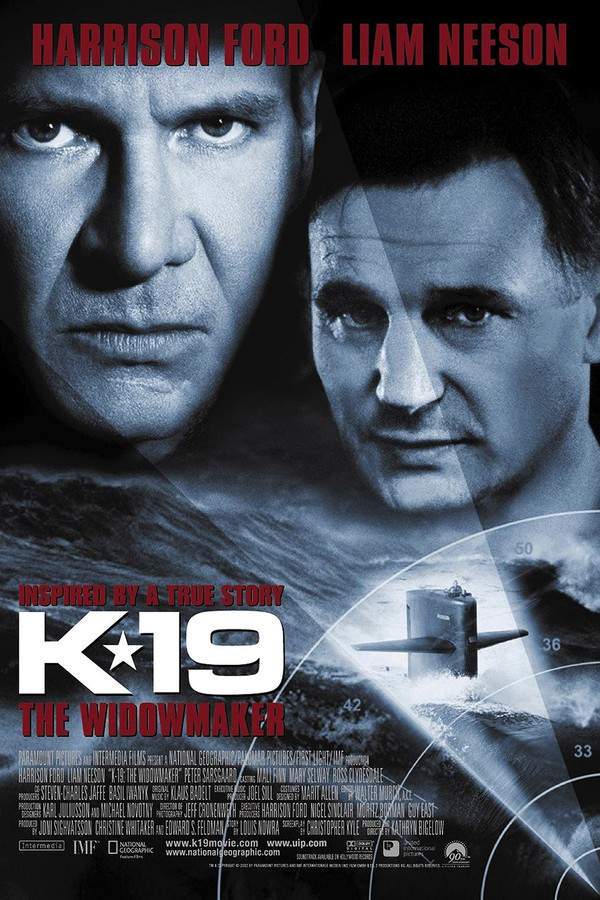
K-19: The Widowmaker (2002) movie poster

Timeline

K-19: The Widowmaker (2002) Timeline Explained – Every Event in Order

Release, runtime and language
2002 · 138 min · English
JustWatch #10,687 419
Directed by
Kathryn Bigelow
Budget
$100M

During the height of the Cold War, Captain Alexei Vostrikov is unexpectedly tasked with taking command of the nuclear missile submarine K-19. He must quickly prepare the sub for its first mission, facing challenges from the experienced Captain Polenin and a crew under immense pressure. The film explores the tense atmosphere and difficult choices made as Vostrikov races against time, highlighting the human cost of readiness in a dangerous era. Inspired by a true story, this gripping drama portrays a critical moment in history.

On this page (6)
  1. 1 Where to watch
  2. 2 Events in order (14)
  3. 3 Timeline questions answered
  4. 4 Movie threads
  5. 5 Movies like K-19: The Widowmaker
  6. 6 Every angle

Where to watch

Where to Watch K-19: The Widowmaker (2002)

Where can you watch K-19: The Widowmaker? Stream, rent or buy it in the US, including on Amazon Prime Video, fuboTV and History Vault: current JustWatch availability with up-to-date prices.

Streaming availability powered by JustWatch

14 events in order · contains spoilers

K-19: The Widowmaker Timeline: Events in Chronological Order

Every key event of K-19: The Widowmaker (2002) in order, scene by scene, with when and where it takes place. Use it to untangle flashbacks, time jumps and parallel storylines, to refresh your memory before the sequel or to find the exact scene you are thinking of.

  1. Launch of K-19

    In 1961, the Soviet Union launches its first ballistic missile nuclear submarine, K-19, under the command of Captain 2nd Rank Alexei Vostrikov. This ambitious venture is prompted by the geopolitical tensions of the era, particularly the presence of U.S. nuclear submarines near Soviet shores.

    When
    1961
    Where
    Soviet Union
  2. Command Disputes

    Captain 2nd Rank Alexei Vostrikov's leadership is questioned by his crew and superiors, amidst rumors of his political connections. This internal strife complicates his efforts to command respect and authority on the K-19, causing friction, particularly with his executive officer, Captain 3rd Rank Mikhail Polenin.

  3. Critical Mission Requirement

    The K-19's mission requires surfacing in the Arctic to launch an unarmed intercontinental ballistic missile. This maneuver is critical for the Soviet Union to demonstrate its military capabilities against significant threats posed by the U.S., particularly towards major cities like New York and Washington, D.C.

    Where
    Arctic
  4. Deployment Pressure

    As Vostrikov faces pressure from senior officials, including Marshal Zolentsov and Admiral Bratyeev, he expresses his concerns about the submarine's readiness. The authorities, however, insist on a swift deployment without the necessary sea trials, highlighting the escalating tension surrounding military preparedness.

  5. Personnel Crisis

    Vostrikov discovers that the submarine's reactor officer is intoxicated and asleep on duty. He takes the drastic step of replacing him with the inexperienced Vadim Radtchenko, despite Polenin's protests about the risks posed by such a decision, showcasing the precarious nature of command on board the K-19.

  6. Launch Ceremony

    The launch ceremony for the K-19 is marked by tragedy as the medical officer is killed in an accident. Additionally, a champagne bottle fails to break during the ceremony, further adding to the ominous tone, leading the submarine to be nicknamed ‘The Widowmaker’ after the deaths of nine crew members during its construction.

  7. Training Regimen

    Vostrikov imposes a rigorous training regimen on the crew, which includes notable figures such as Gennadi Savran and Mikhail Kornilov. The demanding schedule is aimed at ensuring the crew is fully prepared, but it also strains relationships and morale among the men.

  8. High-Stakes Emergency Drill

    During a critical emergency dive drill, Vostrikov pushes the submarine beyond its operational limits, leading to a successful missile test launch but also causing damage to the submarine's systems. This incident sets the stage for future crises as the crew's capability comes into question.

  9. Catastrophic Incident

    The K-19 faces a catastrophic situation when a coolant pipe in the reactor bursts, threatening a core meltdown. With time running out, the crew must act swiftly to find a makeshift solution while exposed to high levels of radiation, showcasing their bravery under extreme duress.

  10. Desperate Plan

    In a frantic effort to cool the reactor, the crew devises a risky plan to use the submarine's fresh water supply. This strategy requires hazardous maneuvers, and crew members bravely expose themselves to lethal doses of radiation in a bid to avert disaster.

  11. Defiance Against Authority

    Despite mutiny brewing among the crew and continued resistance from senior officers, Vostrikov remains steadfast in his command. He musters the courage to lead a dangerous dive to repair the reactor, thereby avoiding a potential nuclear catastrophe at immense personal risk.

  12. Aftermath of the Crisis

    Following the crisis, the K-19 survives, but the toll on its crew is significant, with many facing lasting consequences from radiation exposure. Vostrikov finds himself on trial for his decisions during the incident, but he is ultimately acquitted, although his naval career is effectively over.

  13. Final Encounters

    In 1989, an older Vostrikov meets Polenin and other survivors at a cemetery, reflecting on the harrowing events they endured. He expresses his desire to honor their fallen comrades but is reminded of the harsh realities within the military recognition system, a poignant moment of remembrance.

    When
    1989
    Where
    Cemetery
  14. Legacy and Reflection

    Vostrikov's encounter at the cemetery leads him to champion the memory of the deceased crew members, emphasizing the sacrifices they made. As they raise a toast in memory, Vostrikov articulates the struggles of seeking honor in a system that often overlooks those without combat experience.

Last updated: November 15, 2024 at 19:18

Was this helpful?

Timeline questions answered

K-19: The Widowmaker Timeline Explained: Your Questions Answered

When does it happen, and why in that order? The questions people ask about the chronology of K-19: The Widowmaker (2002): time jumps, flashbacks, cause and effect between scenes and the correct order of events, each answered with spoilers.

Q1

Why was Vostrikov appointed as captain of K-19?

Vostrikov was appointed captain of K-19 amid rumors that he earned his rank through his wife's political connections rather than pure merit. This created tension with his crew, especially with Polenin, who had originally commanded the submarine. The political appointment made some senior officers question his competence during the crisis.

  • vostrikov appointment
  • polenin
  • k-19 command
  • soviet navy
  • political connections
Q2

Why was K-19 launched without proper sea trials?

The Soviet Union was under intense pressure to deploy the submarine quickly due to U.S. nuclear submarines positioning near Soviet shores. Senior officials, including Marshal Zolentsov and Admiral Bratyeev, insisted on a swift deployment to demonstrate Soviet military capability as part of the Mutually Assured Destruction policy. Vostrikov protested but was overruled, forcing the submarine to sea with missing equipment and untested systems.

  • k-19 deployment
  • cold war
  • sea trials
  • soviet military
  • missile submarine
Q3

Why did Vostrikov replace the reactor officer with the inexperienced Radtchenko?

Vostrikov discovered the submarine's reactor officer was intoxicated and sleeping on duty, a dangerous violation given the nuclear nature of the submarine. He immediately replaced him with Vadim Radtchenko, who lacked experience. Polenin protested, arguing the original officer was the navy's best, but Vostrikov deemed the situation unacceptable.

  • reactor officer
  • radtchenko
  • inebriated
  • vostrikov decision
  • k-19 crew
Q4

How did the crew prevent a reactor meltdown on K-19?

When the reactor's coolant pipe burst and temperature rose dangerously, Vostrikov and his crew devised a desperate plan to use the submarine's fresh water supply as an alternative coolant. This required crew members to enter highly radioactive areas and perform risky maneuvers, exposing them to lethal radiation doses. They ultimately led a dangerous dive to directly repair the reactor, averting disaster.

Foreshadowing: Earlier training drills that pushed the submarine beyond operational limits set the stage for the mechanical failure.

  • reactor meltdown
  • coolant pipe
  • radiation
  • k-19 crisis
  • nuclear disaster prevention
Q5

Why did Vostrikov refuse help from the U.S. Navy helicopter?

Despite the grave danger and his crew suffering radiation exposure, Vostrikov refused assistance from a hovering U.S. Navy helicopter. Accepting help would have meant revealing the Soviet submarine's location and capabilities to American forces, potentially causing an international incident. He chose to handle the crisis internally rather than compromise Soviet military secrets.

  • us navy helicopter
  • cold war
  • refused help
  • k-19 location
  • international incident
Q6

Why did the crew consider mutiny against Vostrikov?

The crew's mutiny attempt stemmed from Vostrikov's relentless training demands and his decision to push the submarine beyond its operational limits during drills. Combined with the reactor crisis and their exposure to lethal radiation, some crew members lost faith in his command decisions. Despite the mutiny brewing, Vostrikov maintained authority and led the critical repair mission.

Foreshadowing: Vostrikov's demanding training regimen and pushing submarine limits during drills created growing resentment among the crew.

  • mutiny
  • k-19 crew
  • vostrikov command
  • radiation exposure
  • tension on submarine
Q7

What happened to Vostrikov after the K-19 crisis?

Following the crisis, Vostrikov was put on trial for his decisions during the reactor malfunction. While he was ultimately acquitted, his naval career was effectively over. Despite being cleared of wrongdoing, the military establishment did not restore him to command, and he lived under a vow of secrecy about the events.

  • vostrikov trial
  • aftermath
  • career ended
  • acquitted
  • k-19 legacy
Q8

What does the nickname "The Widowmaker" refer to?

K-19 earned the ominous nickname "The Widowmaker" after nine crew members died during the submarine's construction. The tragic launch ceremony, where a medical officer was killed in a supply truck accident and a champagne bottle failed to break, further reinforced this dark foreshadowing of the sacrifices to come.

  • widowmaker nickname
  • k-19 deaths
  • construction deaths
  • ominous nickname
  • ceremony accident
Q9

Why does Vostrikov meet survivors at a cemetery in 1989?

In 1989, an older Vostrikov meets Polenin and other surviving crew members at a cemetery to honor those who died during the reactor crisis. Vostrikov had tried to get the deceased crew members nominated for the Hero of the Soviet Union award but was denied, as such honors were typically reserved for those with combat experience. The meeting is a poignant reflection on sacrifice and recognition.

  • 1989 cemetery
  • vostrikov survivors
  • polenin
  • honor recognition
  • hero of soviet union
Q10

Why did Vostrikov and Polenin have conflicting leadership styles?

Vostrikov and Polenin clashed fundamentally over approach to command. Vostrikov prioritized operational readiness and followed orders to deploy quickly, pushing the crew through rigorous training. Polenin, who had originally commanded K-19, focused on crew morale and safety, arguing the submarine wasn't ready for deployment. Their clash represented the tension between political pressure and practical naval judgment.

  • vostrikov polenin conflict
  • leadership styles
  • crew morale
  • operational readiness
  • executive officer

Movie threads

More Movies Like K-19: The Widowmaker, by Mood & Story

Curated lists built around what makes K-19: The Widowmaker tick: the same mood, the same kind of story or the same emotional payoff. Each list explains why these movies belong together.

Claustrophobic Disaster Movies like K-19: The Widowmaker

Stories where a ticking time bomb threatens a trapped group in an unforgiving environment. If you liked the tense, confined crisis in K-19: The Widowmaker, explore more movies about disasters in trapped spaces. These films feature groups facing extreme threats in submarines, spaceships, or deep-sea stations, where the setting itself becomes a major source of suspense and drama.

  • claustrophobic
  • anxious
  • stressful
  • technical
  • survival
  • urgent
  • Tone: tense, grim, urgent
  • Pacing: steady, methodical build
Why these movies?

The story pattern: These narratives typically begin with a team or crew in a high-tech but vulnerable environment. A catastrophic failure or external threat occurs, initiating a race against time to prevent total disaster. The plot is driven by technical challenges, leadership conflicts under pressure, and the grim reality of sacrifice for the greater good.

Why they belong together: Movies are grouped here for their shared focus on a contained disaster, where the setting's limitations create intense, sustained suspense. They share a high-intensity, technical-thriller vibe, exploring how ordinary people perform extraordinary acts under unimaginable pressure while trapped.

Movies About the Burden of Command like K-19: The Widowmaker

Films about leaders making impossible decisions that save the day but ruin their reputations. If you appreciated the complex leadership dilemmas in K-19: The Widowmaker, you'll find similar themes here. These movies explore commanders facing impossible odds, where doing the right thing comes at a profound personal and professional cost, often resulting in a bittersweet or tragic resolution.

  • somber
  • tense
  • grim
  • heroic
  • stressful
  • moral dilemma
  • Tone: tense, somber, bittersweet
  • Pacing: steady, character-driven
Why these movies?

The story pattern: The narrative follows a leader thrust into a crisis, often clashing with subordinates or established protocols. They implement a harsh but necessary strategy that averts a larger catastrophe but results in significant collateral damage or loss of life. The story concludes with the protagonist being scapegoated, misunderstood, or living with the heavy guilt of their actions, despite their success.

Why they belong together: These films are united by their exploration of a specific leadership archetype: the flawed savior. They share a heavy emotional weight, a tense tone from high-stakes decision-making, and a consistently bittersweet ending where victory is Pyrrhic and honor is found only in the eyes of a few.

If you liked this

Movies Like K-19: The Widowmaker

Similar movies to K-19: The Widowmaker: the same genre, themes or kind of story. Each one comes with its own plot summary, timeline and ending explained.

Browse all movie summaries

Every angle

K-19: The Widowmaker (2002) Explained: Plot, Timeline & Characters

Everything about K-19: The Widowmaker in one place: what happens in the plot summary, the timeline in chronological order, the characters and meaning and a spoiler-free summary. What's After the Movie adds the cast, box office and post-credit scenes.

Coming soon on iOS and Android

The Plot Explained Movie Summary App

Plot summaries, endings explained and timelines on your phone. Catch up on any movie in minutes, save your favorites and never miss a twist again.

Be the first to know when we launch. Your email stays private, always.

Learn more about the app