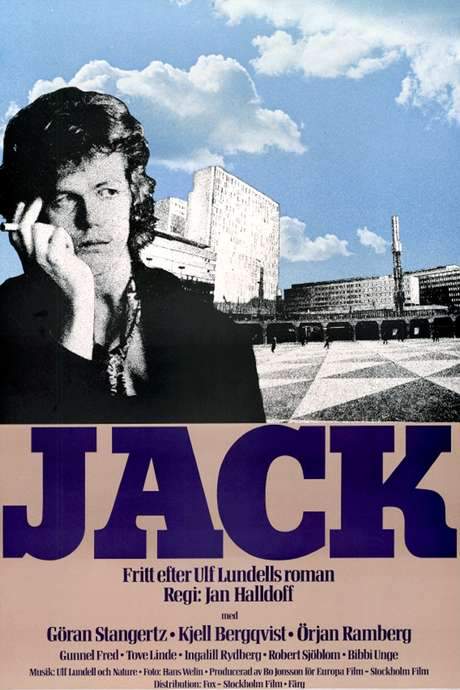
Jack Leary and his younger brother Dylan Leary begin anew in Oakland, California, in 1972 after their mother, Elizabeth Leary, is killed in a car crash. Their father, John Leary, hosts Midnight Shriek, a late-night horror program, as the boisterous but troubled host-commentator “Al Gory,” a persona that energizes the household even as his drinking problem adds strain to daily life. In the midst of this upheaval, Jack takes on more parental responsibilities, guiding Dylan through his first day of preschool and trying to keep a sense of normalcy for both boys.
Across the street, a neighbor named Norman Strick walks with a cane and carries a volatile mix of anger and prejudice. Norman’s anti-social worldview—rooted in a sense that the neighborhood is spiraling—casts a shadow over the Leary family and their friends, including Karen Morris, with whom Jack begins a romance. The couple’s budding relationship unfolds even as Jack’s friend and next-door neighbor, Dexter, observes life from a different, more precarious angle, living with his grandparents after a fractured home life. Meanwhile, Norman’s influence grows darker as Halloween approaches, and Norman presses John on television for support of a racially prejudiced candidate, a moment that foreshadows greater trouble to come.
During a televised screening of Invasion of the Body Snatchers, a drunken John interrupts the film and mimics Norman’s harmful views while naming the candidate, a moment that triggers immediate backlash. The next day, tragedy strikes when Norman’s golden retriever, Cheyenne, dies on the Learys’ front lawn under suspicious circumstances. John publicly apologizes and offers condolences on air, yet Norman refuses to shake his hand, deepening the rift and jeopardizing John’s job. The fallout imperils Jack’s relationship with [Karen Morris], intensifying the pressure at home.
As tensions mount, John’s anger is directed at Dylan, and he temporarily leaves Dylan in the care of Dexter, with the horrifying realization that Dylan has been kidnapped by Norman. Fearing for the safety of the boys, Jack and John alert the police, and Dylan is located days later in a nearby forest. The young boy survives but is traumatized by the experience and rendered mute, a silent reminder of the danger that has infiltrated their lives.
Three days pass, and Norman disappears for a while, fueling John’s escalating agitation. He confronts the Strick family, striking out with a bat and tearing into Norman’s prized car, the T-Bird, in a fit of frustration. Sensing the danger signals in his own mind, John decides to remove the boys from Oakland for their safety, entrusting them to his in-laws, Mr. Morris and Mrs. Morris, who take the children to Los Angeles while he tries to pull his life back together. Meanwhile, Jack slips back to Oakland to sleep in front of the old monster films they used to enjoy, a reminder of the fragile balance between fear and wonder that this family has navigated for years.
The tension peaks when Norman returns, cutting the power to the house to destabilize the Learys further. Jack, awakened by the outage, senses an intruder and escapes through a bathroom window by climbing a tree as Norman gives chase. The pursuit ends badly when Norman loses his grip and plummets behind the Leary house, where he is mauled by the neighboring Doberman Pinschers. Norman’s parents soon leave town, and Dylan slowly returns home, bringing a fragile sense of closure with him. John’s TV show resumes, now leaning into lighter, more comedic horror films like Abbott and Costello, signaling a shift in tone and a chance for healing.
In the days that follow, the neighborhood children once again gather around John, inviting him to play the familiar “monster game.” This time, however, he declines, recognizing that real dangers exist beyond the screen and that he must guide the children toward a healthier form of play. The emotional weight of the past presses on him as he looks on at his sons—Jack, now playing a lullaby on the piano, and Dylan, who finds comfort in their closeness. John consoles his boys and, together, they arrive at a quiet sense of closure, underscored by Dylan’s whispered recollection of the lullaby’s title, “Jack the Bear.” The family’s sense of normalcy gradually returns, and a calmer, steadier life settles into place as John watches his sons at play in the front yard.