

Plot Explained Spoilers guaranteed!
Plot Explained

Browse by genre

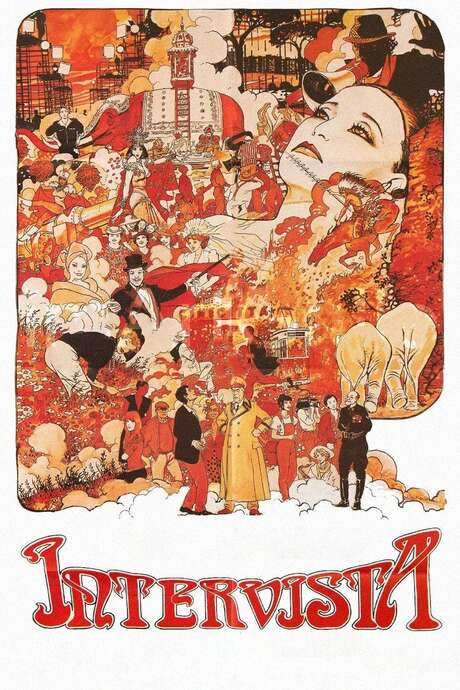
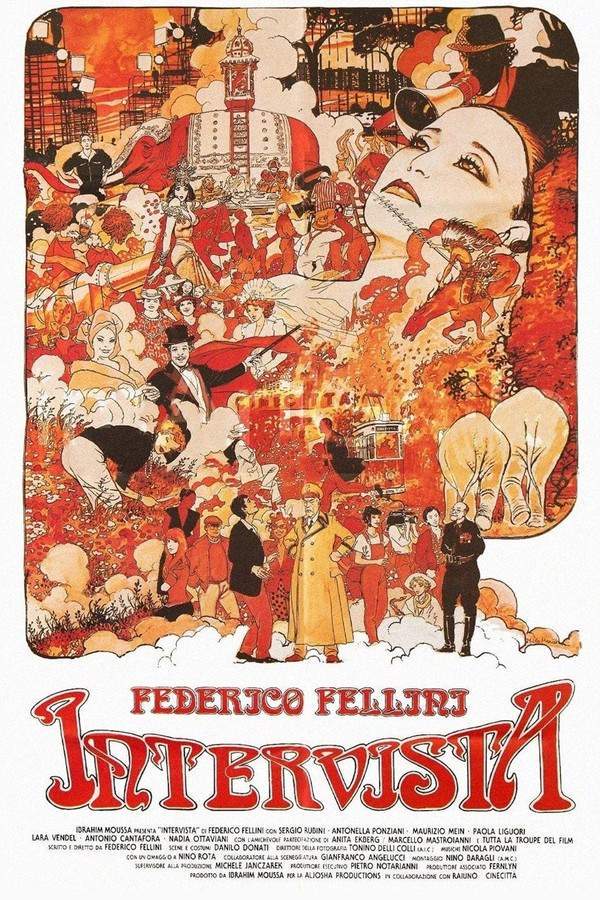
Intervista (1992) movie poster

Timeline

Intervista (1992) Timeline Explained – Every Event in Order

Release, runtime and language
1992 · 107 min · Italian
Directed by
Federico Fellini
Starring
Marcello Mastroianni, Anita Ekberg, Antonella Ponziani, Antonio Cantafora, Lara Wendel, Maria Teresa Battaglia

A celebrated filmmaker allows a Japanese documentary crew to follow him as he reflects on his career and prepares for a new project. The resulting film is a playful exploration of memory and creativity, interweaving moments of nostalgia with fantastical sequences. The documentary offers a unique glimpse into the artist's process and the inspirations behind his iconic works, blurring the lines between his past and present.

On this page (6)
  1. 1 Where to watch
  2. 2 Events in order (15)
  3. 3 Timeline questions answered
  4. 4 Movie threads
  5. 5 Movies like Intervista
  6. 6 Every angle

Where to watch

Where to Watch Intervista (1992)

Where can you watch Intervista? Stream, rent or buy it in the US: current JustWatch availability with up-to-date prices.

Streaming availability powered by JustWatch

15 events in order · contains spoilers

Intervista Timeline: Events in Chronological Order

Every key event of Intervista (1992) in order, scene by scene, with when and where it takes place. Use it to untangle flashbacks, time jumps and parallel storylines, to refresh your memory before the sequel or to find the exact scene you are thinking of.

  1. Interview with Japanese Crew

    Federico Fellini is interviewed by a Japanese television crew who are preparing a report on his latest film. This sets the stage for an exploration of Fellini's creative process and the challenges he faces as he ages.

    When
    Night
    Where
    Cinecittà
  2. Preparation for Nighttime Scene

    As the crew prepares to film a nighttime scene described by Fellini as 'the prisoner’s dream', he reflects on his struggles with aging. He feels the metaphorical weight of escaping a dark tunnel becoming increasingly daunting.

    When
    Night
    Where
    Cinecittà
  3. Remarkable Perspective

    Once he breaks free from his dark reflections, Fellini finds himself at an astonishing height, gazing down at the Cinecittà studios. This imagery symbolizes his complex relationship with the filmmaking process and artistic freedom.

    When
    Night
    Where
    Cinecittà
  4. Tour of Cinecittà Studios

    The next morning, Fellini joins the Japanese crew for a tour of the Cinecittà studios. They witness various outrageous television commercials being filmed, showcasing the extravagant side of Italian cinema.

    When
    Morning
    Where
    Cinecittà
  5. Casting Karl Rossmann

    During the tour, Fellini's casting director presents four young actors for the lead role of Karl Rossmann in his adaptation of Kafka's Amerika. This moment highlights Fellini's commitment to finding the perfect cast.

    When
    Morning
    Where
    Cinecittà
  6. Encounter with Nadia Ottaviani

    Fellini introduces the audience to Nadia Ottaviani, the charming female custodian of Cinecittà. She cleverly evades the interview by retreating into Studio 5's backlot to gather dandelions for herbal tea, reflecting the everyday magic of the film set.

    When
    Morning
    Where
    Cinecittà
  7. Reflection on the Casa del Passeggero

    Fellini's assistant director, Maurizio Mein, works at the Casa del Passeggero, now a drugstore. Fellini wishes to feature this location in his film, reminiscing about his first visit to Cinecittà during the Fascist regime in 1938.

    When
    Morning
    Where
    Casa del Passeggero
  8. Young Fellini's Journey

    Fellini interacts with his younger self, portrayed by Sergio Rubini, as crew members reconstruct the façade of the Casa del Passeggero. This scene bridges the gap between past and present in Fellini's cinematic world.

    When
    Afternoon
    Where
    Cinecittà
  9. The Fake Tramway Journey

    In a surreal sequence, a fake tramway transports the young Fellini from an American Wild West setting to a breathtaking cliff in Ethiopia. This journey epitomizes Fellini's imaginative storytelling and influences from diverse cultures.

    When
    Afternoon
    Where
    Cinecittà
  10. Interview with Katya

    Fellini interviews the matinee idol Katya during his adventures at Cinecittà. Katya serves as a homage to actress Greta Gonda, marking a significant connection to Fellini's past experiences in film.

    When
    Afternoon
    Where
    Cinecittà
  11. Blurring Reality and Filmmaking

    As the narrative unfolds, the lines between reality and filmmaking blur. The audience is thrust into the tumultuous worlds of domineering directors and their chaotic productions, reflecting the unpredictability of cinema.

    When
    Afternoon
    Where
    Cinecittà
  12. Challenges in Production

    Fellini and Maurizio Mein tirelessly assemble the perfect cast for Amerika. Their efforts are complicated by disgruntled actors, unsettling bomb threats, and visits to Anita Ekberg's home for reenactments, highlighting the challenges mixed with creativity.

    When
    Various
    Where
    Cinecittà
  13. Bizarre Screen Tests

    The film features bizarre screen tests with Kafka's character Brunelda, who finds herself in a bathtub with two young men. These peculiar moments amplify the surreal nature that is characteristic of Fellini's filmmaking.

    When
    Evening
    Where
    Cinecittà
  14. Thunderstorm Disruption

    As chaos looms, a thunderstorm threatens the production of Amerika, culminating in a bizarre attack led by faux Indians wielding television antennas as spears. This scene metaphorically represents the unpredictability of film production.

    When
    Evening
    Where
    Cinecittà
  15. Conclusion of the Film

    Back in Studio 5 at Cinecittà, Fellini offers a melancholy reflection on the completion of his film. He humorously responds to producers criticizing his somber ending, illuminating their world with a hopeful arc lamp's glow.

    When
    Evening
    Where
    Cinecittà

Last updated: November 15, 2024 at 19:14

Was this helpful?

Timeline questions answered

Intervista Timeline Explained: Your Questions Answered

When does it happen, and why in that order? The questions people ask about the chronology of Intervista (1992): time jumps, flashbacks, cause and effect between scenes and the correct order of events, each answered with spoilers.

Q1

What does the "prisoner's dream" scene mean in the film?

The "prisoner's dream" is a nighttime scene Fellini prepares while being interviewed. He describes it as his hands seeking a way out of a dark tunnel, using it as a metaphor for his struggles with aging and the increasing difficulty of "flying away" from creative constraints. Once he breaks free, he gazes down at Cinecittà from a great height, symbolizing his complex relationship with filmmaking and artistic freedom.

  • prisoner's dream
  • aging
  • fellini
  • tunnel metaphor
  • cinecittà
Q2

Who is Nadia Ottaviani and why does she avoid the interview?

Nadia Ottaviani is the female custodian of Cinecittà studios. She cleverly evades Fellini's interview by retreating into the desolate backlot of Studio 5 to gather dandelions for herbal tea. This whimsical behavior reflects the film's playful tone and the everyday magic Found within the film set.

  • nadia ottaviani
  • custodian
  • interview
  • escape
  • dandelions
Q3

Why does Fellini interact with a younger version of himself?

Fellini interacts with his younger self, portrayed by actor Sergio Rubini, to bridge his past and present. This occurs when the crew reconstructs the façade of the Casa del Passeggero. The younger self represents Fellini's memories of his first visit to Cinecittà in 1938 during the Fascist regime, allowing him to explore the passage of time and his evolution as a filmmaker.

  • younger fellini
  • sergio rubini
  • time
  • memory
  • 1938
  • fascist regime
Q4

What is the significance of casting Karl Rossmann for Amerika?

Fellini is casting for the lead role of Karl Rossmann in his adaptation of Kafka's novel "Amerika." His casting director presents four young actors for this part. This project represents Fellini's ongoing creative challenge and connects to the film's theme of searching for identity and purpose, themes central to Kafka's original novel.

  • karl rossmann
  • amerika
  • kafka
  • casting
  • cinecittà
Q5

What is the purpose of the surreal journey from the American Wild West to Ethiopia?

In a fantastical sequence, a fake tramway transports the young Fellini from an American Wild West setting populated by Indian warriors to a cliff overlooking wild elephants off the coast of Ethiopia. This surreal journey exemplifies Fellini's imaginative storytelling and his use of diverse cultural influences, blending fantasy with memory.

  • wild west
  • ethiopia
  • elephants
  • tramway
  • surreal journey
  • fellini fantasy
Q6

Who is Katya and why is she important to Fellini?

Katya is a matinee idol whom Fellini interviews during his time at Cinecittà. She serves as a direct homage to actress Greta Gonda, with whom Fellini conducted his very first interview early in his career. This character connects the present-day filmmaker to his past experiences and honors his roots in cinema.

  • katya
  • greta ganda
  • homage
  • interview
  • first interview
  • m actress
Q7

Why does Marcello Mastroianni appear in a TV commercial as Mandrake the Magician?

Marcello Mastroianni, a frequent collaborator with Fellini, appears in a TV commercial as Mandrake the Magician during the film's depiction of chaotic production work. This moment showcases the absurdity of commercial filmmaking and highlights the variety of work happening at Cinecittà, while also playing with Mastroianni's iconic screen persona.

  • marcello mastroianni
  • mandrake
  • magician
  • tv commercial
  • cinecittà
Q8

What is the significance of the visit to Anita Ekberg's home?

Fellini and Mastroianni visit Anita Ekberg at her home where they reenact scenes from "La Dolce Vita," the 1960 classic that made Ekberg famous. This nostalgic moment connects the present-day filmmaking to Fellini's most celebrated works, reinforcing themes of memory, nostalgia, and the eternal nature of cinematic icons.

Foreshadowing: The film references La Dolce Vita, one of Fellini's most famous works.

  • anita ekberg
  • la dolce vita
  • reenactment
  • nostalgia
  • mastroianni
  • cinecittà
Q9

What is the bizarre screen test with Brunelda in the bathtub?

The film features bizarre screen tests with Kafka's character Brunelda, who is depicted in a bathtub surrounded by two young men. This peculiar scene reflects Fellini's surreal style and the strange, sometimes uncomfortable nature of the audition and screen-testing process for his adaptation of "Amerika."

  • brunelda
  • kafka
  • bathtub
  • screen test
  • amerika
  • surreal
Q10

What does the thunderstorm and Indian attack symbolize?

A thunderstorm threatens the production of "Amerika," culminating in a bizarre attack by faux Indians wielding television antennas like spears. This chaotic scene metaphorically represents the unpredictability and danger inherent in filmmaking, where creative visions can be disrupted by external forces at any moment.

  • thunderstorm
  • indians
  • tv antennas
  • attack
  • production
  • chaos
  • amerika
Q11

Why does the film end with the arc lamp and hopeful gesture?

The film concludes with Fellini offering a melancholy reflection that "the movie should end here. Actually, it's finished." In response to producers who criticize his somber conclusions, he illuminates their world with the hopeful glow of an arc lamp, presenting a soaring ray of sunshine. This bittersweet ending encapsulates the film's blend of sadness and light, resignation and hope.

  • arc lamp
  • conclusion
  • ending
  • hopeful
  • bittersweet
  • producers
  • maestro
Q12

Why do the boundaries between reality and filmmaking blur throughout the film?

The film deliberately blurs the lines between reality and filmmaking, plunging viewers into the chaotic worlds of domineering directors. This structural choice reflects Fellini's exploration of memory and creativity, where past and present, fact and fiction intertwine. It represents how a filmmaker's reality becomes inseparable from their cinematic creations.

  • reality
  • filmmaking
  • boundaries
  • blur
  • meta-fiction
  • creativity
  • memory

Movie threads

More Movies Like Intervista, by Mood & Story

Curated lists built around what makes Intervista tick: the same mood, the same kind of story or the same emotional payoff. Each list explains why these movies belong together.

Movies about artistic creation like Intervista

Films that explore the messy, magical process of creation through memory and fantasy. Discover movies like Intervista that delve into the whimsical and reflective world of artists. These films often blend documentary-style realism with surreal fantasy, exploring themes of memory, inspiration, and the bittersweet process of creation, perfect for fans of meta-narratives.

  • dreamlike
  • reflective
  • playful
  • melancholic
  • nostalgic
  • magical
  • Tone: whimsical, melancholic, reflective
  • Pacing: variable, dreamlike
Why these movies?

The story pattern: Stories in this thread typically follow a creator reflecting on their life and work. The narrative structure is often non-linear, folding memories, fantasies, and the present moment into a complex tapestry that illustrates how art is born from a mix of chaos, nostalgia, and disciplined craft.

Why they belong together: These movies are grouped by their shared focus on the artist's internal world. They possess a whimsical yet melancholic tone, use variable pacing to mirror the creative process, and celebrate the act of creation while acknowledging its inherent struggles and fleeting nature.
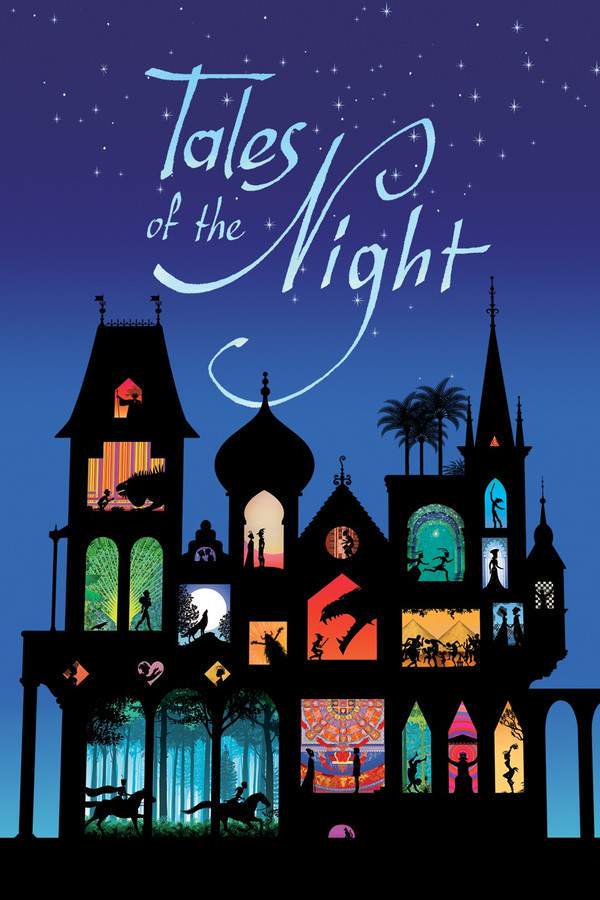
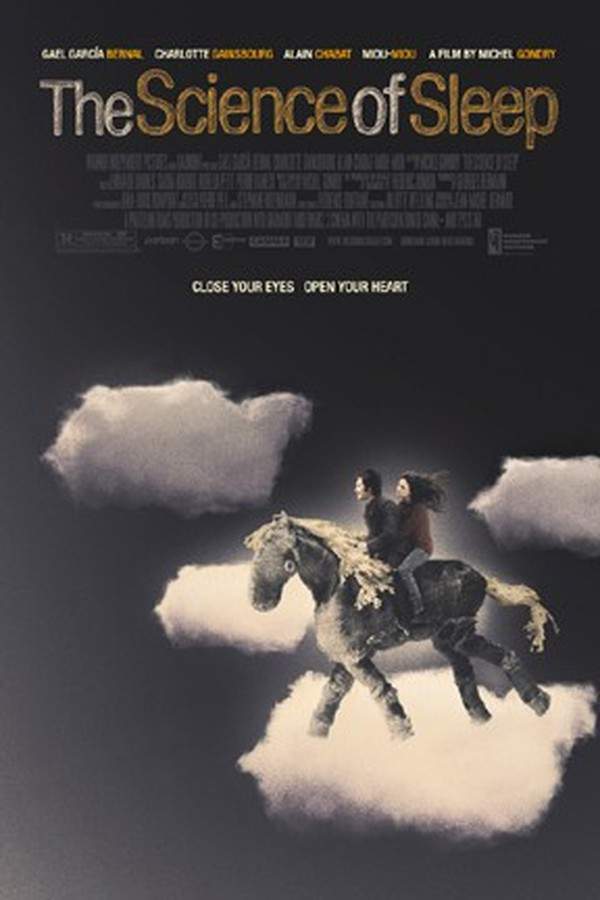
Meta-narrative movies about filmmaking like Intervista

Stories that playfully deconstruct the art of cinema, breaking the fourth wall with charm. Explore films like Intervista that celebrate and deconstruct the magic of cinema. These meta-narratives are perfect for viewers who enjoy stories about filmmaking, playful blurring of reality, and bittersweet reflections on art and memory.

  • meta-fictional
  • playful
  • nostalgic
  • celebratory
  • self-referential
  • chaotic
  • Tone: whimsical, bittersweet, playful
  • Pacing: variable, chaotic
Why these movies?

The story pattern: The narrative pattern involves a film within a film, where the process of creation becomes the story. It playfully breaks the fourth wall, mixing documentary aesthetics with fictional flights of fancy, leading to a complex structure that is both a celebration and a critique of the cinematic form.

Why they belong together: These films share a specific blend of whimsy and melancholy tied directly to the subject of cinema. They have a variable, often playful pace, a medium emotional weight focused on artistic legacy, and a unique, self-aware tone that sets them apart.

If you liked this

Movies Like Intervista

Similar movies to Intervista: the same genre, themes or kind of story. Each one comes with its own plot summary, timeline and ending explained.

Browse all movie summaries

Every angle

Intervista (1992) Explained: Plot, Timeline & Characters

Everything about Intervista in one place: what happens in the plot summary, the timeline in chronological order, the characters and meaning and a spoiler-free summary. What's After the Movie adds the cast, box office and post-credit scenes.

Coming soon on iOS and Android

The Plot Explained Movie Summary App

Plot summaries, endings explained and timelines on your phone. Catch up on any movie in minutes, save your favorites and never miss a twist again.

Be the first to know when we launch. Your email stays private, always.

Learn more about the app