Plot Explained Spoilers guaranteed!
Plot Explained

Browse by genre

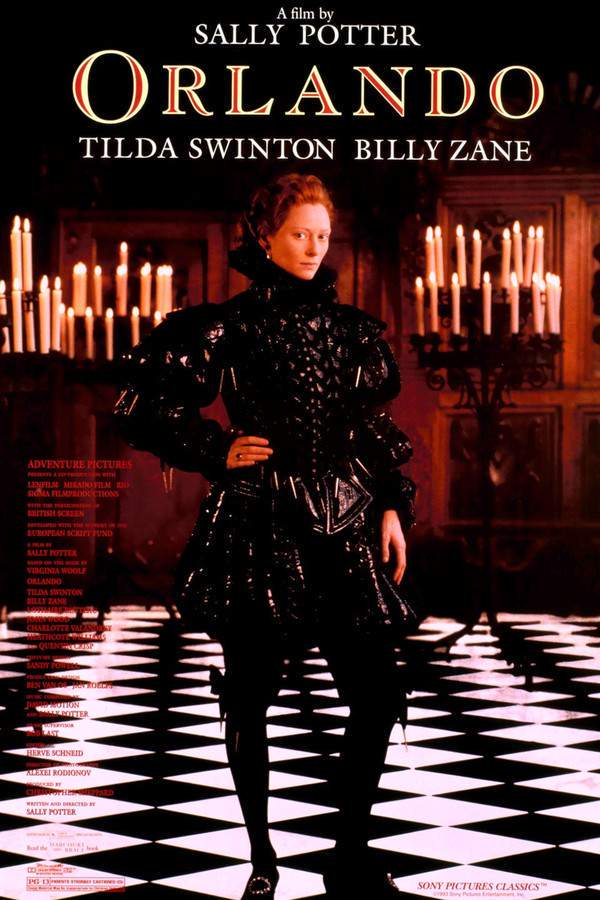
Orlando (1993) movie poster

Plot Summary

Orlando (1993) Plot Summary Explained

Release, runtime and language
1993 · 93 min · English
Directed by
Sally Potter
Starring
Tilda Swinton

Following a decree from Queen Elizabeth I, the nobleman Orlando is granted a magical gift: the ability to live for centuries and experience life from both male and female perspectives. The film chronicles his extraordinary journey across four hundred years, exploring themes of love, identity, and societal change. From the Elizabethan court to the vibrant salons of the 18th century and into the modern age, Orlando's experiences challenge conventional notions of gender and belonging as he searches for self-discovery and acceptance in a changing world.

On this page (7)
  1. 1 Where to watch
  2. 2 What happens: full plot
  3. 3 Plot questions answered
  4. 4 The book behind the movie
  5. 5 Movie threads
  6. 6 Movies like Orlando
  7. 7 Every angle

Where to watch

Where to Watch Orlando (1993)

Where can you watch Orlando? Stream, rent or buy it in the US, including on YouTube Free, Amazon Video and Apple TV Store: current JustWatch availability with up-to-date prices.

Streaming availability powered by JustWatch

Full plot summary · contains spoilers

What Happens in Orlando: Full Plot Summary

The whole story of Orlando (1993) explained, from the opening scene to the final frame: every key event, every twist and what it all adds up to. Read it as a quick recap before the sequel, to check a scene you missed, or to finally understand what really happened.

The tale unfolds in the Elizabethan era, specifically in 1600 AD, just before the passing of Queen Elizabeth I (Quentin Crisp) in 1603. On her deathbed, the queen grants an androgynous young nobleman named Orlando (Tilda Swinton) a substantial tract of land and a castle, along with a generous monetary gift. However, this is contingent upon an unusual command: “Do not fade. Do not wither. Do not grow old.” Queen Elizabeth cherished Orlando as the son of her later years, regarding him with fondness.

Following Elizabeth's death, Orlando finds himself captivated by Sasha ([Charlotte Valandrey]), the daughter of a Russian diplomat, in 1610, while he is engaged to an English noblewoman. The Earl of Moray ([Simon Russell Beale]) cautions Orlando about the potential fallout from this liaison. Despite the warning, Orlando chooses love over duty, thus ending his engagement. However, his joy is shattered when he sees Sasha sharing a kiss with a Russian sailor. Although Sasha insists it was merely a misunderstanding, Orlando is heartbroken when she decides to leave once the ice melts.

By 1650, Orlando decides to retreat into solitude in the castle, sleeping for an entire week and spending centuries immersed in poetry and art. He seeks validation for his work from prominent poets like Nick Greene ([Heathcote Williams]), who scorns his efforts. Despite trying to cultivate a friendship, Orlando learns a harsh lesson about the art world and sends Greene away after realizing the disdain hidden behind Greene's mirth.

In 1700, Orlando embarks on a new chapter as the English ambassador to the Ottoman Empire, where he forms a close bond with The Khan ([Lothaire Bluteau]), the emperor, over shared meals and camaraderie. However, the arrival of Archduke Harry ([John Wood]) marks both promotion and turmoil. Amid escalating tensions and the threat of war, Orlando is thrust into battle, where the brutality of conflict leaves a deep impression on him.

After a week of unconsciousness following the war, Orlando awakens to a shocking revelation: he has transformed into a woman. Now identified as Lady Orlando, she returns to her estate in 1750, dressed in Middle Eastern garb, only to discover looming lawsuits claiming her inheritance on the basis that she is a woman and thus ineligible. Although Archduke Harry offers marriage for respectability, Orlando rebuffs him, leading to indignation.

Orlando's journey continues as she embraces her passion for poetry, crossing paths with influential writers like Swift ([Roger Hammond]) and Pope ([Peter Eyre]). She recognizes that while they draw inspiration from women, their opinions reflect a profound disrespect for the female experience, regarding women without male guardianship as “lost.”

Over the ensuing centuries, Orlando's heart finds new love in an American adventurer named Shelmerdine ([Billy Zane]). She believes she has finally met her soulmate, yet political demands complicate her life as the British crown declares her a female who must produce an heir to retain her estate. Torn between love and obligation, Orlando chooses to remain, refusing Shelmerdine’s invitation to the land of liberty and freedom.

Ultimately, the journey of love, loss, marriages, and the weight of history unfolds, leading into the early 1990s, where Orlando, now a mother, is in search of a publisher for her work. A literary editor, played by Heathcote Williams, acknowledges her efforts as “quite good,” marking a significant moment in her literary pursuit. Reflecting on her extraordinary life, Orlando, now relaxing with her daughter, simply points out an angel in the sky, embodying the surreal beauty of her existence.

Last updated: November 08, 2024 at 00:00

Was this helpful?

Plot questions answered

Orlando Plot Explained: Your Questions Answered

The questions people ask most about Orlando (1993): what happens in the confusing scenes, why the characters do what they do, the twists, hidden details and what the ending means. Each answer contains spoilers.

Q1

Why did Queen Elizabeth I command Orlando not to fade, wither, or grow old?

Queen Elizabeth I granted Orlando this magical gift because she cherished him as the son of her later years. The command was an expression of her deep affection and desire to preserve Orlando forever as she knew him, young and androgynous, reflecting the queen's desperation to hold onto something beautiful and eternal as she faced her own mortality.

  • queen elizabeth
  • orlando
  • magical gift
  • immortality
  • fading
Q2

Why did Orlando abandon his engagement for Sasha?

Orlando fell genuinely in love with Sasha, the daughter of a Russian diplomat, choosing love over duty despite the Earl of Moray's warning about the political consequences. This choice reflects Orlando's romantic nature and willingness to prioritize personal passion over societal expectations, a pattern that would define much of his journey through the centuries.

Foreshadowing: The Earl of Moray's warning about the liaison foreshadows the heartbreak that follows when Sasha leaves with the melting ice.

  • sasha
  • orlando
  • love
  • engagement
  • marriage
Q3

What caused Orlando to transform into a woman?

Orlando's transformation occurred after he was knocked unconscious for a week following the brutal battle in the Ottoman Empire. The precise cause is never explained within the narrative, it simply happens as part of the magical premise established by Elizabeth's original command, suggesting the vow to 'not fade, not wither, not grow old' included the possibility of radical transformation itself.

  • orlando
  • transformation
  • woman
  • gender
  • magical
Q4

Why did Orlando refuse Archduke Harry's marriage proposal?

Lady Orlando rejected Archduke Harry's proposal because she refused to marry simply for respectability and social convenience. After experiencing the freedom of being a woman in the world and facing the hypocrisy of a society that would dismiss her creative work, she chose to define her own identity rather than conform to expectations. The refusal also reflects her defiance against the very laws that threatened her inheritance.

  • archduke harry
  • marriage
  • orlando
  • respectability
  • rejection
Q5

Why did Orlando choose to stay instead of going to America with Shelmerdine?

Orlando remained in England because the British crown declared that as a woman, she must produce an heir to retain her estate. Though she loved Shelmerdine and believed him to be her soulmate, the weight of her historical obligations and property tied her to England. This choice represents the persistent tension between personal freedom and societal duty that Orlando experiences throughout her centuries of life.

  • shelmerdine
  • orlando
  • america
  • love
  • obligation
  • estate
Q6

Why did poets like Nick Greene disdain Orlando's poetry?

When Orlando sought validation from poets like Nick Greene, he encountered the art world's superficiality and disdain. Greene mocked Orlando's efforts while appearing friendly, revealing the hypocrisy of the literary establishment. This harsh lesson about the art world led Orlando to sever ties with Greene, representing the broader theme of artistic validation being denied to those who exist outside conventional social structures.

  • nick greene
  • poets
  • poetry
  • orlando
  • art world
  • scorn
Q7

Why did Orlando retreat into solitude for centuries?

After heartbreak over Sasha's departure, Orlando retreated into his castle, sleeping for an entire week and then spending centuries immersed in poetry and art. This solitude was both a response to emotional devastation and a deliberate immersion in creative pursuits, reflecting Orlando's ongoing search for meaning and artistic validation across the centuries.

  • orlando
  • solitude
  • centuries
  • poetry
  • art
  • castle
Q8

Why did Orlando face lawsuits over her inheritance after transforming?

When Orlando transformed into a woman and returned to her estate in 1750, she faced lawsuits claiming her inheritance because the law did not recognize a woman as eligible to inherit property in the same way a man could. This reflects the historical legal constraints on women's property rights and represents the societal barriers Orlando encounters after her transformation.

  • inheritance
  • lawsuit
  • orlando
  • woman
  • property
  • legal
Q9

What did Orlando learn from meeting Swift and Pope?

Orlando encountered writers like Swift and Pope while pursuing her passion for poetry, discovering that while these authors drew inspiration from women, they held profound disrespect for the female experience. They regarded women without male guardianship as 'lost,' exposing the deep misogyny in the literary establishment that would later dismiss Orlando's own creative work.

  • swift
  • pope
  • orlando
  • poetry
  • women
  • misogyny
Q10

Who is Orlando's daughter in the modern era?

Orlando's daughter appears in the 1990s timeline, though the film does not explicitly name her father. Given Orlando's refusal to marry Archduke Harry and her departure from Shelmerdine, the daughter's father remains ambiguous. The focus in the final scenes is on Orlando's achievement of literary recognition and motherhood rather than the specific details of the child's parentage.

  • orlando
  • daughter
  • motherhood
  • 1990s
  • modern
Q11

What does the ending with the angel in the sky represent?

In the final scene, Orlando relaxes with her daughter and effortlessly points out an angel in the sky, embodying the surreal beauty of her extraordinary existence. This moment represents the culmination of her 400-year journey, finding peace and wonder despite centuries of loss, heartbreak, and transformation. The angel symbolizes the magical, transcendent quality of a life lived beyond ordinary human constraints.

  • angel
  • orlando
  • ending
  • reflection
  • surreal

Movie threads

More Movies Like Orlando, by Mood & Story

Curated lists built around what makes Orlando tick: the same mood, the same kind of story or the same emotional payoff. Each list explains why these movies belong together.

Epic journeys of self-discovery across time like in Orlando

Characters who traverse history or vast distances to understand their core identity. Find movies like Orlando that explore identity through vast spans of time. These films feature protagonists on fantastical, historical quests for meaning, blending personal transformation with a sweeping, lyrical view of history. If you liked Orlando's centuries-spanning story, you'll enjoy these similar character-driven epics.

  • epic
  • reflective
  • melancholic
  • dreamlike
  • lyrical
  • historical
  • Tone: whimsical, melancholic, reflective
  • Pacing: variable, episodic
Why these movies?

The story pattern: Narratives in this thread follow a central character—sometimes gifted with immortality or time travel—as they navigate multiple distinct historical or social epochs. The plot is often episodic, structured around key moments of personal and societal change, with a focus on the protagonist's internal evolution rather than a single external goal. The journey is marked by repeated encounters with love, loss, and the shifting constraints of society.

Why they belong together: These movies are grouped together because they share a unique combination of a vast chronological scale with an intimate, character-focused exploration of self. They blend the epic with the personal, using a variable, sometimes dreamlike pace to convey the weight and wonder of experiencing centuries of change.

Whimsical and melancholy reflections on gender and society like in Orlando

Surreal and lyrical stories that challenge conventional notions of identity and belonging. Discover movies similar to Orlando that blend whimsy and melancholy to explore gender identity and social constraints. These poetic and surreal dramas challenge conventions with a dreamlike quality. If you enjoyed Orlando's unique tone and themes, you'll find more inventive and reflective films here.

  • whimsical
  • melancholic
  • ethereal
  • lyrical
  • dreamlike
  • reflective
  • Tone: whimsical, melancholic, lyrical
  • Pacing: variable, reflective
Why these movies?

The story pattern: These stories often follow a character who exists outside of rigid societal definitions, whether through magical transformation, unique circumstance, or inherent difference. The conflict arises from their interaction with a world that tries to categorize them, leading to a journey of self-acceptance. The narrative structure is frequently unconventional, prioritizing thematic resonance over traditional plot, and ending on a note of hard-won, bittersweet fulfillment.

Why they belong together: Movies in this thread share a specific and cohesive mood: a blend of the whimsical and the melancholic, applied to profound thematic explorations of identity. They have a similar medium intensity and emotional weight, favoring poetic expression and intellectual curiosity over high-stakes drama, creating a uniquely thoughtful and aesthetically distinct vibe.

If you liked this

Movies Like Orlando

Similar movies to Orlando: the same genre, themes or kind of story. Each one comes with its own plot summary, timeline and ending explained.

Browse all movie summaries

Every angle

Orlando (1993) Explained: Plot, Timeline & Characters

Everything about Orlando in one place: what happens in the plot summary, the timeline in chronological order, the characters and meaning and a spoiler-free summary. What's After the Movie adds the cast, box office and post-credit scenes.

Coming soon on iOS and Android

The Plot Explained Movie Summary App

Plot summaries, endings explained and timelines on your phone. Catch up on any movie in minutes, save your favorites and never miss a twist again.

Be the first to know when we launch. Your email stays private, always.

Learn more about the app