Plot Explained Spoilers guaranteed!
Plot Explained

Browse by genre

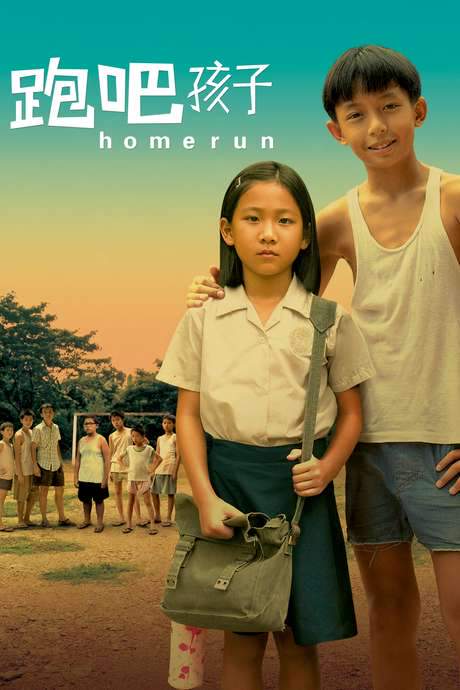
Homerun (2003) movie poster

Timeline

Homerun (2003) Timeline Explained – Every Event in Order

Release, runtime and language
2003 · 108 mins · Chinese
Starring
Mark Lee, Marcus Chin, Patricia Mok, Jack Neo, Huang Wenyong, Shawn Lee

A remake of the award-winning Iranian film Children of Heaven, Homerun is a drama about two poor siblings and their adventures over a lost pair of shoes.

On this page (5)
  1. 1 Events in order (13)
  2. 2 Timeline questions answered
  3. 3 Movie threads
  4. 4 Movies like Homerun
  5. 5 Every angle

13 events in order · contains spoilers

Homerun Timeline: Events in Chronological Order

Every key event of Homerun (2003) in order, scene by scene, with when and where it takes place. Use it to untangle flashbacks, time jumps and parallel storylines, to refresh your memory before the sequel or to find the exact scene you are thinking of.

  1. Lost shoes and a karung guni claim

    Kiat Kun accidentally loses Seow Fang's shoes while they are being repaired. A karung guni man claims the shoes as unwanted rubbish, leaving the siblings desperate. They search the area in vain, trying to locate the missing footwear.

    When
    1965
    Where
    Singapore, village area
  2. Father's plan: share shoes to attend school

    Seeing their hardship, their father inspires Kiat Kun to share his shoes with Seow Fang so they can both attend school. They decide to trade off wearing the shoes between classes. This small act aims to keep the siblings in school despite their poverty.

    When
    1965
    Where
    Home
  3. Oversized shoes and lateness

    Seow Fang wears the oversized shoes to school, and the exchange routine forces Kiat Kun to wait and be late. The situation strains their mornings and draws attention from teachers. It becomes a daily hurdle in their attempt to keep up with school.

    When
    1965
    Where
    School route
  4. Deal with Beng Soon: play on team for shoes and homework help

    At school, Tan Beng Soon and friends form an amateur soccer team. Kiat Kun and his friends strike a deal to play on the team using the other boys' shoes in exchange for helping with their homework. The quarrel over the arrangement leads Beng Soon to yank them from the team.

    When
    1965
    Where
    School field
  5. Beng Soon's punishment and caning

    With substandard homework, Beng Soon and friends are punished. Mrs. Ang, the form teacher, persuades the Principal to bring Beng Soon's parents to witness his private caning in the staff room. The episode ends with his father chastising him for prioritizing football over studies.

    When
    1965
    Where
    School staff room
  6. Beng Soon sent to England

    Following the incident, Beng Soon's father decides to send him away to study in England. The decision signals a new course for his education and their family. The family continues to endure financial strain as they cope with separation.

    When
    1965
    Where
    Home
  7. Kiat Kun’s expulsion risk, saved by a teacher

    Kiat Kun, who is frequently late, risks expulsion. The Principal considers this action, but his Form Teacher intervenes and ensures he can stay in school. The intervention highlights the teacher's role in supporting the family.

    When
    1965
    Where
    School
  8. Seow Fang confronts classmate about the shoes

    Seow Fang spots a classmate wearing her lost shoes and follows the girl home with Kiat Kun. They learn the classmate's father is blind and that the family faces greater hardship than their own. The siblings decide not to reclaim the shoes, choosing empathy over possession.

    When
    1965
    Where
    Classmate's home; village
  9. Old shoes found discarded at the garbage dump

    A few days later, Seow Fang discovers the classmate has discarded the old shoes in the village garbage dump. The Chew siblings search the dump frantically, but the shoes are ruined. The search ends when the shoes are destroyed during a trade unionist riot against a police officer.

    When
    1965
    Where
    Village garbage dump
  10. Third prize shoe prize motivates Kiat Kun

    Kiat Kun learns that the third prize in the National Primary School Cross Country Competition is a pair of shoes. He had been sick on the day the team was selected, so he pleads with his PE teacher to let him enter. The teacher relents and allows him to run.

    When
    1965
    Where
    School
  11. Cross country race: Kiat Kun wins

    On race day, Kiat Kun pushes to the lead and defies expectations. He unexpectedly trips on a stone and finishes first, while Beng Soon finishes in third place. The race reshapes the siblings' outlook and relations with Beng Soon.

    When
    Race day, 1965
    Where
    National Primary School Cross Country Course
  12. Birth of a baby on independence day

    While Kiat Kun runs, Mrs. Chew goes into labor and Seow Fang runs across a long path littered with broken glass to find a midwife. The baby boy is born on the very day Singapore becomes independent from Malaysia.

    When
    9 August 1965 (Singapore independence day)
    Where
    Home
  13. Reconciliation and departure for London

    Some time after the race, Beng Soon gives Kiat Kun and Seow Fang new pairs of shoes as a sign of reconciliation, and then departs for London. The gesture marks a hopeful note in the siblings' lives amid ongoing hardship.

    When
    Shortly after 1965
    Where
    Home

Last updated: October 09, 2025 at 15:09

Was this helpful?

Timeline questions answered

Homerun Timeline Explained: Your Questions Answered

When does it happen, and why in that order? The questions people ask about the chronology of Homerun (2003): time jumps, flashbacks, cause and effect between scenes and the correct order of events, each answered with spoilers.

Q1

Why do Kiat Kun and Seow Fang share one pair of shoes?

After Kiat Kun accidentally loses Seow Fang's only shoes while taking them for repair, the family cannot afford replacements. Their father comes up with a plan: Kiat Kun will lend his shoes to Seow Fang for her school hours, then she returns them so he can attend his afternoon classes. This arrangement allows both children to continue schooling despite their extreme poverty.

Foreshadowing: The father's earlier struggle to keep the family afloat hints at his resourcefulness in finding solutions.

  • shoe sharing
  • family poverty
  • school attendance
  • sibling bond
Q2

Why don't the siblings tell their father about losing the shoes?

The family is already deeply in debt to a rice merchant and provision shop owner. Their father works long hours at odd jobs to keep the family afloat. Adding another expense for shoes would worsen their financial crisis and burden their father further, so the siblings keep the loss secret to protect him from additional stress.

Foreshadowing: The family's debt and the father's exhaustion are established early, setting the context for the children's silence.

  • family debt
  • parental stress
  • secret keeping
  • poverty
Q3

Why do Kiat and Seow Fang decide not to reclaim the shoes from the classmate?

When Seow Fang discovers her lost shoes on a classmate, they follow her home and learn her father is blind and their family is even poorer than theirs. Rather than take the shoes back, the siblings choose empathy over possession, deciding the classmate needs them more. This act of compassion defines their character and highlights the film's themes of dignity and kindness.

Foreshadowing: The siblings' earlier hardship establishes their understanding of need.

  • empathy
  • compassion
  • poverty comparison
  • moral choice
Q4

Why does Beng Soon's father send him to study in England?

After Beng Soon and his friends receive punishment for substandard homework, their form teacher Mrs. Ang persuades the principal to bring Beng Soon's parents to witness his private caning. The experience embarrasses the family and convinces his father that Beng Soon needs a stricter academic environment away from football distractions, leading to the decision to send him to England.

Foreshadowing: The earlier bargain between the children and Beng Soon over soccer reveals his priorities.

  • caning
  • discipline
  • education
  • family decision
Q5

Why does Kiat Kun specifically aim for third place in the cross country race?

Kiat Kun learns that third prize in the National Primary School Cross Country Competition is a new pair of shoes. Since he lost his sister's shoes, winning third place would earn them a replacement pair. However, he had been sick on the day team representatives were chosen, so he must convince his PE teacher to let him enter the race.

Foreshadowing: The lost shoes and the family's inability to buy replacements establish the stakes.

  • third prize
  • shoes
  • cross country
  • competition
Q6

What happens during the race - why does Kiat Kun win first place?

During the race, Kiat Kun pushes harder than expected despite his poverty and exhaustion. He trips on a rough patch of ground but recovers with a surge of effort that propels him to first place, while Beng Soon finishes third. Rather than the third-place prize he needed, he wins first, a twist that reframes his achievement as something beyond material reward.

Foreshadowing: His determination to help his family despite his circumstances has been building throughout.

  • first place
  • race victory
  • unexpected win
  • determination
Q7

Why does Seow Fang's mother go into labor during the cross country race?

While Kiat Kun runs the race, Mrs. Chew unexpectedly goes into labor at home. Seow Fang must run across a dangerous path littered with broken glass to find a midwife in time. The parallel races, both children pushing their limits, create a dramatic convergence of personal struggles.

Foreshadowing: The mother's late-stage pregnancy is mentioned early in the film.

  • labor
  • childbirth
  • emergency
  • broken glass
Q8

Why is the baby born on Singapore independence day significant?

Mrs. Chew gives birth to a baby boy on August 9, 1965, the exact day Singapore becomes independent from Malaysia. This historical coincidence parallels the family's small victory in the race with the nation's birth, suggesting that hope emerges even during transitions. The timing elevates the personal moment into a symbol of new beginnings.

Foreshadowing: The film is set in 1965, establishing the historical context.

  • independence day
  • Singapore
  • baby birth
  • symbolism
Q9

Why does the school almost expel Kiat Kun?

Kiat Kun repeatedly arrives late to school because of the shoe-sharing arrangement, he must wait for his sister to return his shoes after her classes end. The principal considers expelling him for his chronic lateness, but his form teacher Marcus Chin intervenes and defends him, explaining the boy's difficult family circumstances, allowing him to remain in school.

Foreshadowing: The shoe-sharing routine causes lateness from the beginning.

  • expulsion
  • lateness
  • form teacher
  • school
Q10

What is the resolution between Kiat Kun and Beng Soon?

After the race, Beng Soon reconciles with the siblings by gifting them new pairs of shoes, a gesture that transcends their earlier conflicts over the soccer team and homework. Shortly after, Beng Soon departs for London to study, marking the end of their rivalry and offering the Chews a hopeful outcome despite ongoing hardship.

Foreshadowing: The race outcome shifts their relationship dynamics.

  • reconciliation
  • new shoes
  • departure
  • friendship

Movie threads

More Movies Like Homerun, by Mood & Story

Curated lists built around what makes Homerun tick: the same mood, the same kind of story or the same emotional payoff. Each list explains why these movies belong together.

Movies about childhood resilience like Homerun

Young protagonists overcoming adversity with quiet resilience and hope. Find more movies like Homerun that follow young characters facing tough circumstances. If you enjoyed the story of siblings overcoming poverty, you'll appreciate these similar films about childhood challenges, family bonds, and hopeful triumphs.

  • hopeful
  • heartfelt
  • resilient
  • humble
  • tender
  • nostalgic
  • Tone: hopeful, heartfelt
  • Pacing: steady, character-driven
Why these movies?

The story pattern: The narrative follows young protagonists as they confront a central problem stemming from their difficult circumstances. The plot unfolds through their resourceful attempts to solve it, often involving a tight-knit family or sibling bond, leading to a resolution that is bittersweet yet affirming of their strength.

Why they belong together: These movies are grouped by their focus on a child's-eye view of struggle, where emotional hardship is balanced by a fundamentally hopeful tone. They share a steady, character-driven pace and a medium emotional weight, making the journey poignant without being overwhelmingly dark.


Bittersweet dramas about everyday life like Homerun

Grounded dramas where life's hardships meet quiet, hopeful perseverance. Discover films similar to Homerun that capture the bittersweet feeling of overcoming daily challenges. These movies share a steady pace, relatable characters, and stories where hope and hardship intertwine, perfect for viewers who appreciated the sincere tone of Homerun.

  • bittersweet
  • heartfelt
  • grounded
  • humble
  • tender
  • resilient
  • Tone: bittersweet, hopeful
  • Pacing: steady, deliberate
Why these movies?

The story pattern: Narratives in this thread are often linear and focused on a central, relatable problem affecting a family or community. The conflict arises from socioeconomic realities or personal limitations, resolved not with dramatic escapism but with a mix of compromise and small, meaningful victories that feel true to life.

Why they belong together: They are connected by a specific emotional blend: a bittersweet core wrapped in a hopeful tone. The pacing is steady, the complexity is straightforward, and the intensity is medium, creating a coherent viewing experience that is emotionally engaging yet ultimately uplifting.

If you liked this

Movies Like Homerun

Similar movies to Homerun: the same genre, themes or kind of story. Each one comes with its own plot summary, timeline and ending explained.

Browse all movie summaries

Every angle

Homerun (2003) Explained: Plot, Timeline & Characters

Everything about Homerun in one place: what happens in the plot summary, the timeline in chronological order, the characters and meaning and a spoiler-free summary. What's After the Movie adds the cast, box office and post-credit scenes.

Coming soon on iOS and Android

The Plot Explained Movie Summary App

Plot summaries, endings explained and timelines on your phone. Catch up on any movie in minutes, save your favorites and never miss a twist again.

Be the first to know when we launch. Your email stays private, always.

Learn more about the app