

Plot Explained Spoilers guaranteed!
Plot Explained

Browse by genre

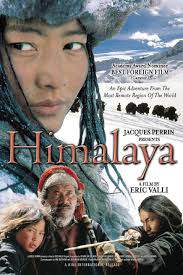
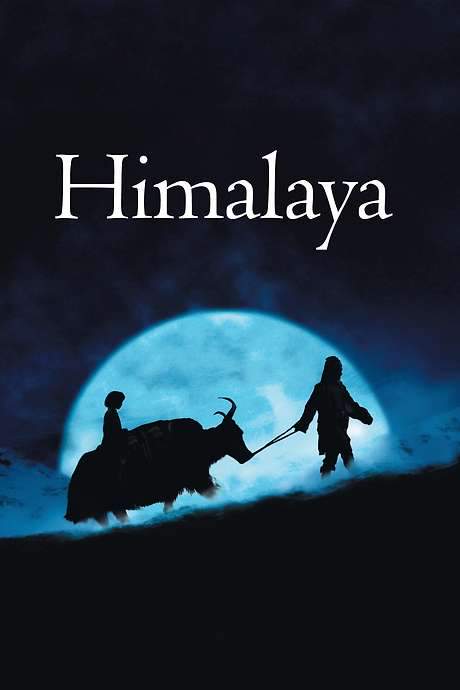
Himalaya (1999) movie poster

Characters & Themes

Himalaya (1999) Characters, Setting & Themes Explained

Release, runtime and language
1999 · 108 mins · Tibetan
Directed by
Eric Valli
Starring
Gurgon Kyap, Thilen Lhondup, Jampa Kalsang Tamang, Karma Wangel, Lhakpa Tsamchoe, Karma Tensing

When villagers of a remote Tibetan settlement begin their yearly trek to exchange salt for grain, loyalties divide between elder chieftain Tinle (Thilen Lhondup) and rebellious youth Karma (Gurgon Kyap). Tinle fights to keep his authority and ancient customs, while Karma openly challenges him, sparking a clash of tradition and rebellion.

On this page (8)
  1. 1 Where to watch
  2. 2 Characters explained (5)
  3. 3 Where & when it takes place
  4. 4 Themes & meaning (3)
  5. 5 Character & meaning questions
  6. 6 Movie threads
  7. 7 Movies like Himalaya
  8. 8 Every angle

Where to watch

Where to Watch Himalaya (1999)

Where can you watch Himalaya? Stream, rent or buy it in the US, including on Kanopy: current JustWatch availability with up-to-date prices.

Streaming availability powered by JustWatch

5 main characters · contains spoilers

Himalaya Characters Explained: Who Is Who

The main characters of Himalaya (1999), heroes and villains: what drives them, how they change over the course of the story and what each of them reveals about the film's bigger ideas.

  • Tinle

    played by Thilen Lhondup

    An aging tribal chief who guards tradition and the caravan's ancient routes. He weighs experience against ambition and remains a steady, authoritative presence even as fatigue tests his resolve. His leadership is marked by resilience in the mountains and a quiet insistence on honor, even when he is challenged by younger ambitions. He inspires loyalty and respect through years of guiding his people through peril.

    • 🏔️ Elder
    • 🧭 Leader
    • ❄️ Stoic
  • Karma

    played by Gurgon Kyap

    A bold young herdsman determined to prove himself worthy of leadership. He chooses a shortcut and leaves early to test his limits, risking trust and unity. His actions drive the central rivalry with Tinle and reveal a capacity for courage that earns him mixed admiration. He becomes a role model for Tinle’s grandson, embodying initiative and risk-taking.

    • 🗺️ Trailblazer
    • 🧭 Ambition
    • 🐂 Herding
  • Norbou

    played by Karma Tensing

    Tinle’s monastic son, a measured voice who carries spiritual and practical duties. He joins the caravan and acts as a bridge between ritual obligation and real-world problem solving. He respects tradition while supporting his father and Karma’s efforts, and he honors the caravan's legacy with quiet leadership. At the end, he honors Tinle by painting a monastery wall with the journey’s memories.

    • 🕊️ Spirit
    • ⛪ Religion
    • 🧭 Bridge
  • Pema

    played by Lhakpa Tsamchoe

    The tribe’s heir to chieftainship who dies early in the journey after a botched shortcut attempt. His death triggers a leadership scramble and forces the caravan to adapt without a clear successor. His absence underscores the fragility of traditional succession and the need for communal agreement. His memory continues to influence decisions and the caravan’s cohesion.

    • 👑 Heir
    • 🏔️ Leadership
  • Tserin

    Tinle’s grandson who witnesses the caravan’s struggles and learns from Karma’s courage and Tinle’s restraint. He represents the next generation watching the mountains test maturity. The events shape his understanding of duty, loyalty, and the costs of leadership.

    • 🧒 Youth
    • 👪 Family

Last updated: October 04, 2025 at 18:44

Was this helpful?

Setting

Where and When Does Himalaya Take Place?

The setting of Himalaya (1999): the year and time period, the places and locations, and how they shape the characters, the mood and the tension of the story.

Time period

Location

Dolpa, Nepal

Set in the Dolpa region of the Nepalese Himalayas at an altitude of about five thousand meters, the area is a remote mountainous landscape. It is known for its harsh winters and an annual rock-salt caravan that sustains village life. The landscape shapes daily life, survival strategies, and enduring traditions.

  • 🏔️ Mountainous
  • ❄️ Snowy
  • 🗺️ Remote

Last updated: October 04, 2025 at 18:44

Was this helpful?

3 major themes

Himalaya Meaning: Themes & Message Explained

What is Himalaya (1999) really about? The emotional, social and philosophical themes the film keeps returning to, its symbolism and the message beneath the surface.

  • Leadership

    Two leaders emerge in tension: Tinle, the aging chief who embodies tradition, and Karma, the daring herdsman eager to prove himself. The caravan becomes a test ground for authority, trust, and responsibility. Their rivalry drives difficult decisions about who deserves to lead and how to keep the community safe. The film examines how experience and courage influence leadership under pressure.

  • Survival

    Nature is an unpredictable antagonist to human plans. The looming snowstorm exposes the fragility of schedules, routes, and lives in the mountains. Tinle and Karma must navigate weather, time, and terrain to keep the caravan intact. The storm becomes a moral and physical challenge that forces sacrifice and teamwork.

  • Tradition

    Traditional loyalties and lineage shape who may lead the caravan when Lhakpa is gone. Karma’s bold moves clash with communal consent, testing the balance between innovation and ceremony. Norbou, the monastic son, embodies a bridge between ritual duty and practical action. The ending honors Tinle’s legacy while leaving room for renewal.

Last updated: October 04, 2025 at 18:44

Was this helpful?

Character & theme questions

Himalaya Characters & Meaning: Your Questions Answered

The questions people ask about Himalaya (1999): who the characters really are, their relationships, what the symbols mean, where it takes place and what the movie is really about. Each answer contains spoilers.

Q1

Where is the movie Himalaya set?

The film is set in the Dolpa region of the Nepalese Himalayas at an altitude of approximately five thousand meters. This remote mountainous area is known for its harsh winters and serves as the backdrop for an annual rock-salt caravan that sustains village life.

  • dolpa
  • nepal
  • himalayas
  • setting
  • remote mountain village
Q2

What is the salt caravan in the film about?

The annual rock-salt caravan is a traditional journey where villagers trade salt for grain, forming the economic lifeline of the remote settlement. This journey tests the community's unity, leadership, and survival skills as they traverse dangerous mountain terrain.

  • salt caravan
  • trade journey
  • survival
  • village economy
Q3

Who is Tinle and what kind of leader is he?

Tinle is the aging tribal chief who guards tradition and the caravan's ancient routes. He embodies the values of experience, honor, and resilience, serving as a steady, authoritative presence despite fatigue. His leadership is marked by quiet insistence on communal duty and earned respect through years of guiding his people through mountain perils.

  • tinle
  • chief
  • leader
  • tradition
  • experience
Q4

Who is Karma and why does he challenge tradition?

Karma is a bold young herdsman determined to prove himself worthy of leadership. He represents the restless energy of youth, choosing a risky shortcut early in the journey to test his limits. His ambition drives the central conflict between old and new ways, revealing both courage and the potential cost of recklessness.

  • karma
  • young herdsman
  • ambition
  • rebellion
  • leadership challenge
Q5

What role does Norbou play in the story?

Norbou is Tinle's monastic son who joins the caravan, serving as a bridge between spiritual duty and practical action. He represents the connection between ritual and reality, respecting tradition while supporting both his father and Karma. At the film's end, he honors Tinle's legacy by painting a monastery wall with memories of the journey.

  • norbou
  • monk
  • spiritual duty
  • bridge between worlds
Q6

What does the film say about leadership?

The film examines how experience and courage influence leadership under pressure. Through the rivalry between Tinle and Karma, it explores who deserves to lead and how to keep the community safe. The caravan becomes a test ground for authority, trust, and responsibility, questioning whether wisdom or ambition better serves the group.

  • leadership
  • authority
  • experience
  • courage
  • responsibility
Q7

What is the conflict between tradition and innovation about?

The film explores how traditional loyalties and lineage shape community decisions, particularly about who may lead. Karma's bold moves challenge communal consent and test the balance between innovation and ceremony. The ending honors Tinle's traditional legacy while leaving room for renewal and new approaches.

  • tradition
  • innovation
  • change
  • customs
  • community values
Q8

How does nature function in the film's story?

Nature serves as an unpredictable antagonist that exposes the fragility of human plans. The looming snowstorm becomes both a physical and moral challenge, forcing characters to navigate weather, time, and harsh terrain. This forces sacrifice and teamwork, demonstrating how the mountain environment shapes survival strategies and tests human resolve.

  • nature
  • survival
  • storm
  • mountain
  • harsh environment
Q9

What does the film say about legacy?

The film deals with the meaning of legacy through the clash between old and new ways. The bittersweet ending sees an elder lost, but his legacy is celebrated through Norbou's artistic tribute. The community endures, suggesting that true legacy lives on through both tradition and the下一代 who carry forward its lessons.

  • legacy
  • tradition
  • family
  • continuity
  • remembrance
Q10

Who is Tserin and what is his significance?

Tserin is Tinle's grandson who witnesses the caravan's struggles and learns from both Karma's courage and Tinle's restraint. He represents the next generation, watching the mountains test maturity. The events shape his understanding of duty, loyalty, and the costs of leadership, suggesting he may carry forward the community's values.

  • tserin
  • grandson
  • next generation
  • learning
  • youth

Movie threads

More Movies Like Himalaya, by Mood & Story

Curated lists built around what makes Himalaya tick: the same mood, the same kind of story or the same emotional payoff. Each list explains why these movies belong together.

Slow-burn epics of generational conflict like Himalaya

Stories where the clash between tradition and youth unfolds against vast landscapes. If you liked the clash between Tinle and Karma in Himalaya, explore more movies like it. These films capture similar stories of tradition vs. progress, featuring slow, immersive pacing, stunning natural backdrops, and deep emotional stakes centered on family and community survival.

  • epic
  • somber
  • contemplative
  • reverent
  • enduring
  • austere
  • Tone: bittersweet, reverent, somber
  • Pacing: slow, deliberate, contemplative
Why these movies?

The story pattern: The narrative follows a linear, straightforward path focused on a central dispute over leadership or methods within a close-knit community. The conflict simmers rather than explodes, often culminating in a bittersweet resolution where loss is acknowledged, but the continuation of the community offers a glimmer of hope.

Why they belong together: Movies are grouped here for their shared focus on intergenerational tension, their slow and deliberate pacing that allows for deep immersion in a culture, and their bittersweet emotional tone that balances hardship with enduring human spirit.

Austere journeys of survival and legacy like Himalaya

Films about arduous trefs that test character and define what is left behind. For viewers who appreciated the harsh salt caravan journey in Himalaya, this collection highlights similar movies about survival treks. Discover films with a slow, steady pace, emotional weight, and themes of enduring human spirit against nature's power, much like the experience of Himalaya.

  • austere
  • somber
  • enduring
  • epic
  • contemplative
  • tranquil
  • Tone: somber, bittersweet, enduring
  • Pacing: slow, steady, journey-based
Why these movies?

The story pattern: The plot is structured around a linear, physically demanding expedition. The challenges of the journey force characters to confront mortality, leadership, and the meaning of their traditions. The ending often carries a bittersweet feel, honoring those lost while affirming the necessity of carrying on.

Why they belong together: These films share a core narrative of a survival journey, a straightforward plot driven by external challenges, a medium emotional weight dealing with death and legacy, and a consistent tone that balances the bleakness of hardship with dignified endurance.

If you liked this

Movies Like Himalaya

Similar movies to Himalaya: the same genre, themes or kind of story. Each one comes with its own plot summary, timeline and ending explained.

Browse all movie summaries

Every angle

Himalaya (1999) Explained: Plot, Timeline & Characters

Everything about Himalaya in one place: what happens in the plot summary, the timeline in chronological order, the characters and meaning and a spoiler-free summary. What's After the Movie adds the cast, box office and post-credit scenes.

Coming soon on iOS and Android

The Plot Explained Movie Summary App

Plot summaries, endings explained and timelines on your phone. Catch up on any movie in minutes, save your favorites and never miss a twist again.

Be the first to know when we launch. Your email stays private, always.

Learn more about the app