Plot Explained Spoilers guaranteed!
Plot Explained

Browse by genre

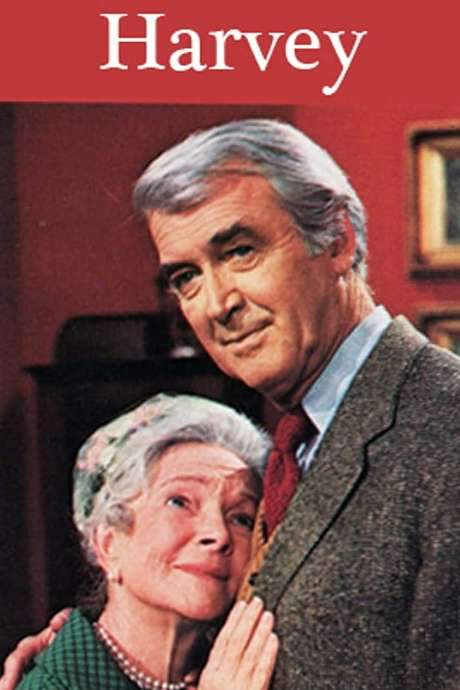
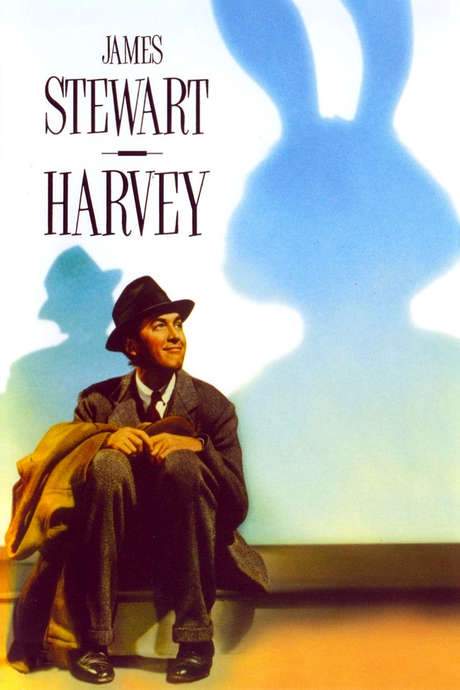
Harvey (1950) movie poster

Plot Summary

Harvey (1950) Plot Summary Explained

Release, runtime and language
1950 · 104 mins · English
Loading streaming availability…
Directed by
Henry Koster
Starring
James Stewart, Jesse White, Cecil Kellaway, Don Brodie, Wallace Ford, Clem Bevans

Elwood P. Dowd, a genial, slightly eccentric man, forms a friendship with Harvey, a six‑foot‑tall rabbit only he can see. When his sister pushes to have him committed to a mental institution, a series of comedic misunderstandings erupts. Through Elwood and Harvey’s whimsical influence, family tensions ease and unexpected romance blooms.

On this page (6)
  1. 1 Where to watch
  2. 2 What happens: full plot
  3. 3 Plot questions answered
  4. 4 Movie threads
  5. 5 Movies like Harvey
  6. 6 Every angle
Loading streaming availability…

Full plot summary · contains spoilers

What Happens in Harvey: Full Plot Summary

The whole story of Harvey (1950) explained, from the opening scene to the final frame: every key event, every twist and what it all adds up to. Read it as a quick recap before the sequel, to check a scene you missed, or to finally understand what really happened.

Elwood P. Dowd is a charmingly easygoing man whose closest companion is Harvey, his invisible friend—a towering white rabbit who, in Elwood’s account, is a púca from Celtic folklore. Instead of hiding Harvey, Elwood proudly travels with him through town, stopping at bars, introducing Harvey to everyone they meet, and quietly challenging the world’s sense of reality. To many, Elwood’s devotion to Harvey seems whimsical, but to his circle of friends it is simply a steady, human kindness that makes life feel gentler. Elwood’s sister, Veta Louise Simmons, and his niece, Myrtle Mae Simmons, share his large estate and have grown weary of the social scrutiny that follows them around because of Elwood’s antics and the phantom presence they insist doesn’t exist.

When Elwood’s influence threatens to derail a carefully staged party, Veta Louise Simmons makes a desperate bid to have him committed to a local sanatorium. In a moment of exasperation, she confesses to the attending psychiatrist that she herself occasionally sees Harvey. The hospital staff misreads the confession, believing Elwood is the one who needs care, and he is released while Veta is herself confined. The sanatorium’s head, Dr. Chumley, soon realizes the mistake and resolves to bring Elwood back, enlisting the help of Wilson, played by Jesse White, an orderly who knows the town and its secrets well. With Veta Louise Simmons’s reluctant aid, Chumley threads a search through the streets to locate Elwood.

The pursuit leads them to Charlie’s, a favorite bar where Elwood explains Harvey’s presence with quiet warmth. He even manages to coax Dr. Sanderson and nurse Miss Kelly to dance, sparking a romance that had been dimmed by the sanatorium’s stiff routines. In Elwood’s view, Harvey is a companion that reveals deeper human yearnings—the aspiration to connect, to dream, and to see the best in people. He recounts how he first met Harvey after escorting a drunk friend to a taxi, and how Harvey has since become a counterweight to the harshness of the world.

As the doctors grow more concerned that Harvey may be guiding Elwood toward destabilizing episodes, Dr. Chumley contemplates a drastic measure: a serum known as Formula 977 that, in his words, would make Elwood “normal.” The tension intensifies when Veta Louise Simmons shows up with Judge Gaffney and Myrtle Mae Simmons, hoping to place Elwood under lock and key. Sanderson intercedes, arguing that the key to resolving the situation lies less in coercion and more in understanding the special bond Elwood shares with Harvey. A test dose is proposed, meant to quiet the rabbit’s influence and restore order to the family’s life.

In a pivotal moment, Miss Kelly and the others prepare for the injection, but a practical obstacle—Veta’s missing coin purse—brings the situation to a halt. She interrupts the procedure, pleading with Elwood to pay a cab driver she cannot reach with cash. The kindly driver—who has ferried many like Elwood to the sanatorium in the past—warns that once Elwood’s “Harvey” touch wears off, the world may become starkly ordinary and, in his estimation, stingier. This insight helps Veta reassess her stance, and she discovers her coin purse, realizing that Harvey’s intervention has saved not just Elwood, but her own peace of mind as well.

Meanwhile, Myrtle Mae Simmons and Wilson have grown closer, a union that hints at a future calmer than the familias’ current social turbulence. The pair’s budding romance offers a quiet counterpoint to the larger upheavals surrounding Elwood. After the hospital visit, Elwood is found again at the bar, where he announces that Harvey has decided to accompany him on a fantasy trip to Akron. The moment is less a withdrawal from reality than a gentle invitation to embrace possibility, even within the limits of a small-town world.

As dawn approaches, Veta Louise Simmons and the others leave the sanatorium behind, still uncertain about Harvey’s permanence in Elwood’s life. In the end, Elwood steps onto the porch with Harvey by his side; Harvey’s presence seems to tilt reality toward a kinder, more hopeful path. The gate’s lever—moved by an unseen force—opens, and Elwood’s quizzical smile meets the first light of sunrise. He acknowledges the rabbit with warmth, saying, “Well, thank you, Harvey; I prefer you too,” and together they walk toward the road and into the future, where possibility and friendship carry them toward the horizon.

Notes on characters and appearances:

- Dr. Chumley and Dr. Sanderson drive the sanatorium’s tension, challenging Elwood’s Cordial worldview with questions about reality and care.

- The family circle includes Veta Louise Simmons and Myrtle Mae Simmons, whose social withdrawal frames the story’s critique of convention.

- Mr. Herman Shimelplatzer and the wider cast populate the sanatorium’s world, while Miss Kelly and Wilson help drive the plot’s emotional beats.

- Supporting figures such as Mrs. Ethel Chauvenet and Mrs. Hazel Chumley deepen the social context that surrounds Elwood and Harvey.
Last updated: October 09, 2025 at 12:41

Was this helpful?

Plot questions answered

Harvey Plot Explained: Your Questions Answered

The questions people ask most about Harvey (1950): what happens in the confusing scenes, why the characters do what they do, the twists, hidden details and what the ending means. Each answer contains spoilers.

Q1

Why does Veta get committed to the sanatorium instead of Elwood?

Veta confesses to Dr. Sanderson that she occasionally sees Harvey, hoping this would help convince him of Elwood's delusion. However, the doctors misinterpret her confession as evidence that she is the disturbed patient, while the seemingly calm Elwood appears rational. This mix-up leads to Veta being locked up and Elwood being released, creating the central comedic misunderstanding of the film.

  • veta
  • commitment
  • sanatorium
  • mistake
  • misunderstanding
Q2

What powers does Elwood say Harvey possesses?

Elwood explains at Charlie's bar that Harvey has remarkable abilities: he can stop time, send people to other places, and return them completely unchanged. These powers position Harvey not merely as an imaginary friend but as a supernatural being, a púca from Celtic folklore, with the capability to manipulate reality itself.

  • harvey powers
  • supernatural
  • púca
  • time stop
  • invisibility
Q3

What is Formula 977 and what would it do to Elwood?

Formula 977 is an experimental serum that Dr. Sanderson proposes to inject into Elwood. In Chumley's words, it would make Elwood "normal", essentially curing him of seeing Harvey. The injection represents the rational medical attempt to erase Elwood's unique perception and force him to conform to conventional reality.

  • formula 977
  • serum
  • cure
  • injection
  • normality
Q4

How does Harvey manage to interrupt the injection procedure?

Harvey's intervention comes through a chain of small events: Veta cannot pay the cab driver because her purse is missing, which stalls the procedure. The cabbie then warns that once Elwood's "Harvey touch" wears off, he'll become a "perfectly normal human being" in a world that feels starker and stingier. This insight causes Veta to reconsider her stance, and she subsequently finds her purse, derailing the injection entirely.

  • injection interrupted
  • purse
  • cab driver
  • salvation
  • intervention
Q5

Why does Veta change her mind about having Elwood committed?

Veta's transformation comes from the cab driver's warning about what happens when Elwood loses his "Harvey touch", the world becomes ordinary and stingy. This moment makes her realize that Harvey's presence has been beneficial, not just to Elwood but to everyone around him. She chooses acceptance over conformity, discovering that Harvey's influence has saved her own peace of mind as well.

  • veta change
  • acceptance
  • cab driver
  • normality
  • peace
Q6

What happens to Dr. Chumley when he goes with Harvey?

Dr. Chumley wanders off during Elwood's time at Charlie's bar and returns to the sanatorium in a disheveled state, with doors opening and closing around him seemingly on their own. Later, he admits to believing Harvey is real after experiencing these events himself. At the film's end, Harvey decides to stay and takes Chumley on a fantasy trip to Akron, suggesting Chumley has been transformed by his encounter with the supernatural rabbit.

  • chumley
  • akron
  • fantasy trip
  • transformation
  • reality shift
Q7

Why do Myrtle Mae and Wilson end up together?

Myrtle Mae and Wilson grow closer during the chaos surrounding Elwood's situation, meeting at Elwood's house during the various medical crises. Their budding romance represents a quieter resolution amid all the upheavals, it suggests that even in a world complicated by Elwood's unique perception, normal human connections can still develop and flourish.

  • myrtle mae
  • wilson
  • romance
  • relationship
  • couple
Q8

Is Harvey actually real in the movie?

The film deliberately maintains ambiguity about Harvey's existence. While no one else sees him, the various characters experience unexplained phenomena, doors moving on their own, Chumley's strange disappearance and return, and the uncanny timing of events that seem to benefit Elwood. The movie suggests that whether Harvey is real matters less than the kindness and possibility he brings to the world.

  • harvey real
  • supernatural
  • ambiguity
  • reality
  • interpretation
Q9

What does the ending with the sunrise mean?

The ending shows Elwood stepping onto the porch with Harvey as dawn breaks, the gate opening seemingly by an unseen force. Elwood warmly acknowledges Harvey's preference for him, and they walk toward the road together. This sunrise moment represents validation of Elwood's gentle worldview, the film suggests that choosing kindness and possibility over harsh reality leads toward hope and a brighter future.

  • ending
  • sunrise
  • gate
  • hope
  • future
  • validation
Q10

Why does Elwood introduce Harvey to everyone he meets?

Elwood doesn't hide or be embarrassed by Harvey, he proudly travels with the rabbit through town, introducing him at bars and to nearly everyone he encounters. Elwood sees Harvey as a benevolent presence that reveals deeper human yearnings: the desire to connect, to dream, and to see the best in people. Rather than being delusional, Elwood treats this companionship as something to be shared and celebrated.

  • introducing harvey
  • companions
  • visibility
  • openness
  • acceptance

Movie threads

More Movies Like Harvey, by Mood & Story

Curated lists built around what makes Harvey tick: the same mood, the same kind of story or the same emotional payoff. Each list explains why these movies belong together.

Movies about kind eccentrics like Harvey

Stories where gentle misfits challenge convention with their unique perspectives. If you liked the charming Elwood P. Dowd in 'Harvey', explore more movies about gentle misfits and lovable eccentrics. These films feature characters with unique worldviews whose kindness and whimsy challenge convention, leading to heartwarming and humorous stories about acceptance.

  • whimsical
  • charming
  • quirky
  • optimistic
  • gentle
  • heartwarming
  • Tone: whimsical, hopeful
  • Pacing: steady, character-driven
Why these movies?

The story pattern: The narrative typically revolves around a character whose benign eccentricity (like having an invisible friend) creates conflict with their family or society, often involving attempts to 'fix' them. Through a series of comedic or touching events, the story reveals the value of their perspective, leading to reconciliation and a broader acceptance of individuality.

Why they belong together: These films are grouped by their shared focus on a benevolent, eccentric protagonist whose unique outlook is initially a source of conflict but ultimately proves to be a positive, transformative force. They share a gentle, optimistic tone where kindness triumphs over judgment.

Gentle comedies of misunderstanding like Harvey

Lighthearted stories where confusion and social blunders drive the plot. Looking for more movies like 'Harvey'? This collection features gentle comedies where the plot is driven by lighthearted misunderstandings and social blunders. These films charm viewers with their low-stakes, humorous confusion that ultimately leads to happy endings and stronger bonds.

  • comedic
  • charming
  • lighthearted
  • misunderstanding
  • farce
  • optimistic
  • Tone: whimsical, light
  • Pacing: steady
Why these movies?

The story pattern: The plot is set in motion by a simple misunderstanding (like mistaking a sane person for a patient) that snowballs into a series of comedic chases and confusions. The structure involves clearing up the mistakes one by one, with the chaos serving to reveal hidden truths and ultimately bring characters closer together in a satisfying, happy conclusion.

Why they belong together: Movies in this thread share a specific comedic engine: plot-driving misunderstandings that are more amusing than threatening. They prioritize charm and wit over mean-spirited humor, maintaining a steady pace and a light emotional weight where the confusion ultimately leads to positive growth.

If you liked this

Movies Like Harvey

Similar movies to Harvey: the same genre, themes or kind of story. Each one comes with its own plot summary, timeline and ending explained.

Browse all movie summaries

Every angle

Harvey (1950) Explained: Plot, Timeline & Characters

Everything about Harvey in one place: what happens in the plot summary, the timeline in chronological order, the characters and meaning and a spoiler-free summary. What's After the Movie adds the cast, box office and post-credit scenes.

Coming soon on iOS and Android

The Plot Explained Movie Summary App

Plot summaries, endings explained and timelines on your phone. Catch up on any movie in minutes, save your favorites and never miss a twist again.

Be the first to know when we launch. Your email stays private, always.

Learn more about the app