













Plot Explained Spoilers guaranteed!
Plot Explained

Browse by genre

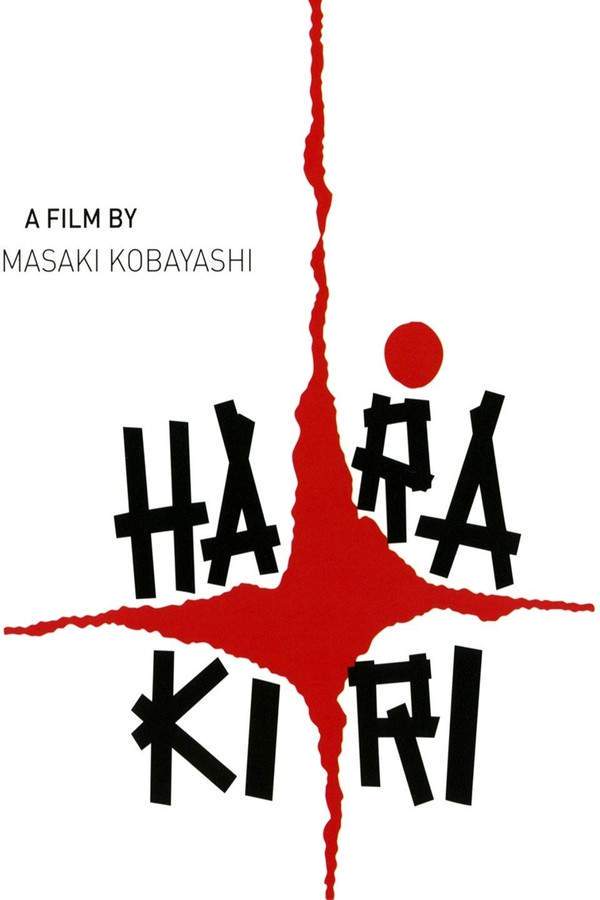
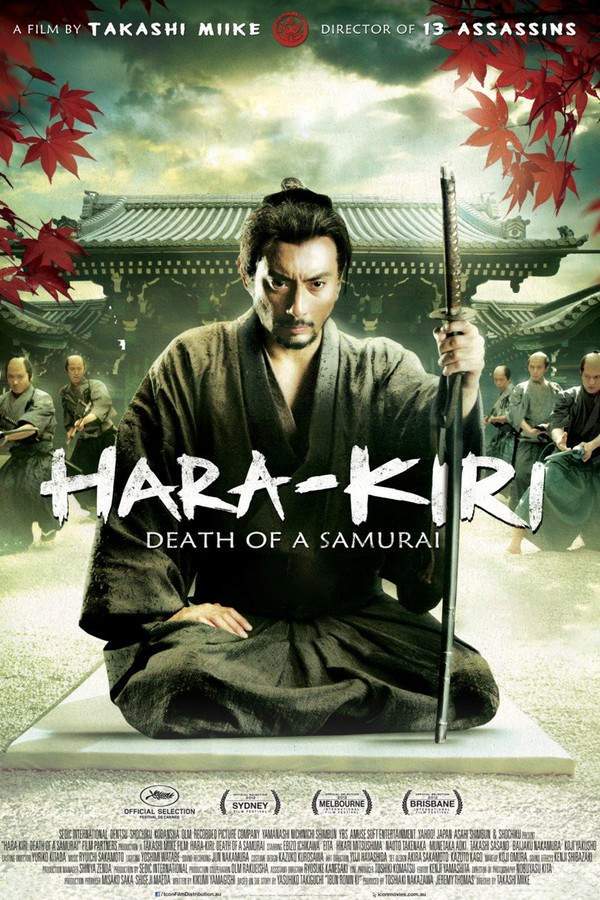
Hara-Kiri: Death of a Samurai (2012) movie poster

Timeline

Hara-Kiri: Death of a Samurai (2012) Timeline Explained – Every Event in Order

Release, runtime and language
2012 · 126 min · Japanese
JustWatch #10,055 5
Directed by
Takashi Miike

A desperate samurai requests permission to perform seppuku, a ritual suicide, within the grounds of a wealthy lord’s estate. The request prompts the lord to investigate the circumstances surrounding a similar request made months earlier by another samurai, uncovering a tragic story of hardship, debt, and a desperate attempt to find redemption and provide for loved ones. The lord must then grapple with questions of honor, duty, and the harsh realities faced by those living under the feudal system.

On this page (6)
  1. 1 Where to watch
  2. 2 Events in order (14)
  3. 3 Timeline questions answered
  4. 4 Movie threads
  5. 5 Movies like Hara-Kiri: Death of a Samurai
  6. 6 Every angle

Where to watch

Where to Watch Hara-Kiri: Death of a Samurai (2012)

Where can you watch Hara-Kiri: Death of a Samurai? Stream, rent or buy it in the US, including on ARROW, MUBI and Fawesome: current JustWatch availability with up-to-date prices.

Streaming availability powered by JustWatch

14 events in order · contains spoilers

Hara-Kiri: Death of a Samurai Timeline: Events in Chronological Order

Every key event of Hara-Kiri: Death of a Samurai (2012) in order, scene by scene, with when and where it takes place. Use it to untangle flashbacks, time jumps and parallel storylines, to refresh your memory before the sequel or to find the exact scene you are thinking of.

  1. The Fall of Hanshiro's Clan

    In 1635, Hanshiro Tsugumo experiences a profound sense of loss as his clan has fallen from grace. This sets the stage for his quest to regain honor through the ritual of seppuku.

    When
    1635
    Where
    Lord Ii's Castle
  2. A Request for Seppuku

    Hanshiro arrives at Lord Ii's castle and formally requests to perform seppuku in the courtyard. This traditional ritual is meant to restore his honor in the eyes of his peers.

    Where
    Lord Ii's Castle
  3. The Tale of Motome

    Kageyu Saitō, a senior retainer, intervenes and begins to narrate the tragic story of Squire Motome Chijiiwa from the previous year. This tale reveals the circumstances leading to Motome’s ill-fated ritual.

    When
    1634
    Where
    Lord Ii's Castle
  4. Motome's Desperate Plea

    During Motome's seppuku ceremony, he pleads for one more day to secure money for his sick family, specifically asking for 3 ryō. His desperate request is ignored, leading to a tragic outcome.

    Where
    Lord Ii's Castle
  5. The Tragic Attempt

    In a moment of despair, Motome attempts to take his life with a bamboo sword. The sword breaks ineffectively, and he suffers further humiliation until Saitō mercifully ends his pain.

    Where
    Lord Ii's Castle
  6. Hanshiro's Resolution

    Despite Saitō's offer to dismiss his seppuku request, Hanshiro remains firm in his decision. He chooses Omodaka as his second, but is soon met with obstacles when Omodaka and others are missing.

    Where
    Lord Ii's Castle
  7. The History of Motome's Family

    Hanshiro mournfully recalls the plight of Motome's father, Jinnai Chijiiwa, who was banished and died. This background gives context to Motome's struggles and the burdens he carried.

  8. Motome's Family Tragedy

    Years later, with financial struggles due to their sick child, Motome sells his sword to pay for medical expenses. This act highlights the desperation faced by the family, eventually leading to further misfortune.

  9. The Heartbreaking Outcomes

    After Motome's death, the tragic consequences continue as his son dies and his wife Miho, overwhelmed with despair, commits suicide using the broken bamboo sword. This deepens the tragedy surrounding Motome's life.

  10. Hanshiro's Vengeance

    Infuriated by the injustices faced by Motome, Hanshiro sets out to find Omodaka, Matsuzaki, and Kawabe. He takes humiliating actions against them, cutting off their chonmage topknots.

  11. The Challenge

    In a bold act of defiance, Hanshiro returns the 3 ryō to Saitō and challenges the other samurai to a duel wielding a bamboo sword. This is a declaration of his belief that a warrior's honor is not just a superficial mark.

    Where
    Lord Ii's Castle
  12. The Final Act of Shame

    Faced with the repercussions of their actions, Omodaka, Matsuzaki, and Kawabe choose to commit seppuku. This decision underscores the samurai's code of honor while reflecting their deep shame.

    Where
    Lord Ii's Castle
  13. Restoration and Reflection

    As tensions ease in the courtyard, the remaining retainers work to restore the decorative suit of armor. This symbolizes the continuous cycle of honor and pride within the samurai culture.

    Where
    Lord Ii's Castle
  14. Lord Ii's Inquiry

    When Lord Ii reenters the castle, he inquires about the polishing of the suit of armor. This moment signifies the enduring values of honor and pride that govern their samurai society.

    Where
    Lord Ii's Castle

Last updated: November 15, 2024 at 19:51

Was this helpful?

Timeline questions answered

Hara-Kiri: Death of a Samurai Timeline Explained: Your Questions Answered

When does it happen, and why in that order? The questions people ask about the chronology of Hara-Kiri: Death of a Samurai (2012): time jumps, flashbacks, cause and effect between scenes and the correct order of events, each answered with spoilers.

Q1

Why does Hanshiro request to perform seppuku at Lord Ii's castle?

Hanshiro requests seppuku because his clan has fallen from grace, and he seeks to restore his honor through the ritual suicide. By choosing to die honorably in the courtyard of a powerful lord, he hopes to regain the standing he has lost.

  • hanshiro tsugumo
  • seppuku
  • honor
  • clan fallen
Q2

Why does Kageyu Saitō tell Hanshiro about Squire Motome?

Saitō tells the story of Motome to determine whether Hanshiro's request is genuine or a bluff for money, similar to what he suspects Motome attempted the previous year. By sharing the tragic details, Saitō hopes to discourage Hanshiro from proceeding.

Foreshadowing: The timeline reveals this tale occurs in 1634, a year before Hanshiro's arrival.

  • kageyu saito
  • motome chijiiwa
  • story
  • seppuku ceremony
Q3

Why was Motome's request for 3 ryō denied during his seppuku ceremony?

Motome's request for 3 ryō was denied because the retainers suspected he was bluffing to obtain money rather than genuinely intending to commit seppuku. They refused to grant him even one more day to secure funds for his sick wife and child, insisting the ceremony proceed.

  • motome
  • 3 ryo
  • plea denied
  • family
  • medical expenses
Q4

What happened to Motome's wife and son after his death?

After Motome's death, his infant son died from illness, and his wife Miho committed suicide using the same broken bamboo sword that failed Motome. She received his body back along with the 3 ryō, which made her despair complete.

Foreshadowing: The broken bamboo sword used in Motome's failed attempt becomes the instrument of Miho's death.

  • miho
  • son death
  • suicide
  • bamboo sword
  • tragedy
Q5

How is Hanshiro related to Motome Chijiiwa?

Hanshiro is Motome's father-in-law and guardian. After Motome's father Jinnai was banished for unauthorized castle work and later died, Hanshiro took care of Motome. Years later, Motome married Hanshiro's daughter Miho, deepening their family bond.

Foreshadowing: The timeline establishes that Jinnai Chijiiwa was banished, leaving Motome in Hanshiro's care.

  • hanshiro
  • motome
  • father-in-law
  • jinnai chijiiwa
  • miho
Q6

Why does Hanshiro hunt down Omodaka, Matsuzaki, and Kawabe?

Hanshiro seeks vengeance because these three retainers callously refused to help Motome during his seppuku ceremony, forcing him to go through with the ritual despite his desperate pleas. Their inaction directly led to Motome's suffering and death, fueling Hanshiro's rage.

Foreshadowing: Timeline events 4 and 5 establish their refusal to grant Motome's final request.

  • hanshiro
  • omodaka
  • matsuzaki
  • kawabe
  • vengeance
  • chonmage
Q7

What does cutting off their chonmage topknots signify?

Cutting off a samurai's chonmage topknot is one of the most severe disgraces in feudal Japan, second only to death. It symbolizes the loss of samurai status and honor, forcing the victims into hiding as they can no longer show their faces in society.

  • chonmage
  • topknot
  • disgrace
  • samurai honor
  • humiliation
Q8

Why does Hanshiro return the 3 ryō and challenge the samurai to a duel?

Hanshiro returns the money to make a powerful statement about honor, he refuses to be bought. By challenging the samurai to a duel with a bamboo sword, he demonstrates that true warrior honor lies in action and principle, not in decorative displays or rigid ceremonies.

  • 3 ryo
  • challenge
  • bamboo sword
  • warrior honor
  • defiance
Q9

Why do Omodaka, Matsuzaki, and Kawabe commit seppuku at the end?

Overwhelmed by shame and unable to face the consequences of their cruel treatment of Motome, Omodaka, Matsuzaki, and Kawabe choose to commit seppuku. Hanshiro's public humiliation and their loss of honor leave them no other dignified path.

  • omodaka
  • seppuku
  • shame
  • honor
  • collective suicide
Q10

What does Lord Ii's question about the polished armor symbolize?

Lord Ii's inquiry about whether the suit of armor has been polished represents the enduring pride and honor of the samurai society. Despite the day's tragic events and collective shame, life and the rigid code of the samurai continue unchanged.

  • lord ii
  • armor
  • polished
  • honor
  • samurai society
  • ending

Movie threads

More Movies Like Hara-Kiri: Death of a Samurai, by Mood & Story

Curated lists built around what makes Hara-Kiri: Death of a Samurai tick: the same mood, the same kind of story or the same emotional payoff. Each list explains why these movies belong together.

Slow-burn revenge dramas like Hara-Kiri: Death of a Samurai

Methodical tales of vengeance where patience and tragedy build to a climactic confrontation. Explore movies like Hara-Kiri: Death of a Samurai that focus on tragic, methodical revenge. If you appreciated the patient build-up and profound emotional weight behind the quest for vengeance in this film, you'll find similar stories here where justice is pursued with solemn determination and tragic origins.

  • vengeful
  • tragic
  • methodical
  • somber
  • tense
  • honorable
  • Tone: dark, tragic, vengeful
  • Pacing: steady, methodical
Why these movies?

The story pattern: These narratives typically employ a structured, often non-linear, approach to storytelling, gradually unveiling a past tragedy that justifies the protagonist's single-minded pursuit of retribution. The central conflict is as much an internal battle with grief and honor as it is an external one, culminating in a confrontation that is more about moral reckoning than simple victory.

Why they belong together: Movies are grouped here for their shared focus on revenge as a solemn, character-driven process rather than a chaotic action spectacle. They prioritize emotional depth, a steady pace that builds tension, and a tone that balances personal tragedy with the cold resolve of vengeance.
Historical dramas about hardship and injustice like Hara-Kiri: Death of a Samurai

Stories exposing the brutal realities and moral conflicts of rigid historical societies. Find movies similar to Hara-Kiri: Death of a Samurai that delve into the harsh realities of feudal systems and codes of honor. These films share a dark tone, heavy emotional weight, and a focus on characters battling poverty, debt, and societal oppression in a historical context.

  • oppressive
  • grim
  • somber
  • tragic
  • desperate
  • historical
  • Tone: dark, grim, oppressive
  • Pacing: steady, immersive
Why these movies?

The story pattern: The narrative pattern often follows a protagonist or family facing insurmountable odds due to their place within a strict social hierarchy. The plot revolves around their attempts to survive, maintain honor, or seek a semblance of justice within a system designed to oppress them, resulting in a emotionally draining journey that questions the very foundations of that society.

Why they belong together: These films are connected by their unflinching portrayal of historical socio-economic hardship, a dark and somber tone, and a thematic focus on the conflict between personal morality and oppressive societal rules. They create an immersive, often oppressive, atmosphere that makes the characters' struggles feel immediate and visceral.

If you liked this

Movies Like Hara-Kiri: Death of a Samurai

Similar movies to Hara-Kiri: Death of a Samurai: the same genre, themes or kind of story. Each one comes with its own plot summary, timeline and ending explained.

Browse all movie summaries

Every angle

Hara-Kiri: Death of a Samurai (2012) Explained: Plot, Timeline & Characters

Everything about Hara-Kiri: Death of a Samurai in one place: what happens in the plot summary, the timeline in chronological order, the characters and meaning and a spoiler-free summary. What's After the Movie adds the cast, box office and post-credit scenes.

Coming soon on iOS and Android

The Plot Explained Movie Summary App

Plot summaries, endings explained and timelines on your phone. Catch up on any movie in minutes, save your favorites and never miss a twist again.

Be the first to know when we launch. Your email stays private, always.

Learn more about the app