Year: 1971
Runtime: 149 mins
Language: Hindi
A young man journeys to Kathmandu intent on locating his long‑lost sister, who has joined a group of hippie travelers. He must persuade her to return home, confronting cultural differences, the bohemian lifestyle, and unexpected obstacles that make the reunion far more difficult than he anticipated.
Warning: spoilers below!
Haven’t seen Haré Rama Haré Krishna yet? This summary contains major spoilers. Bookmark the page, watch the movie, and come back for the full breakdown. If you're ready, scroll on and relive the story!
Read the complete plot breakdown of Haré Rama Haré Krishna (1971), including all key story events, major twists, and the ending explained in detail. Discover what really happened—and what it all means.
Set against the rise of the International Hare Krishna movement in the 1970s, this drama follows a Montreal-based Jaiswal family—mom, dad, son Prashant Dev Anand, and daughter Jasbir Jaiswal Zeenat Aman. Differences drive the couple apart, leaving Jasbir with her father and Prashant with his mother. The film traces how the split reshapes the family: the father remarries, brings his new wife home, and Jasbir’s nanny cruelly tells her that her mother and brother are dead. Back in India, Prashant is sent to a boarding school, and his father ensures that none of Prashant’s letters reach Jasbir, hoping to shield her from emotional pain. The result is a growing rift, as Jasbir grows resentful of her father’s distant, business‑focused life and her stepmother’s perceived indifference.
Years later, Prashant has become a pilot. A letter from his father relays that Jasbir, who had rebelled and left home, is now in Kathmandu, Nepal, living among a group of hippies. Determined to bring his sister back, Prashant travels to Kathmandu, only to discover Janice—a sister who has shed her old identity and now spends her days with the same carefree circle, often drinking and using drugs. Janice has no memory of her childhood, and her bond with the hippie community has grown strong.
Janice’s circle rents property from a local landlord, Dronacharya [Prem Chopra], who hides a darker business beneath the surface: the theft and sale of ancient artifacts to foreign buyers. Among the hippies is Michael, the other party who handles the illicit work. Janice’s relationship with a boyfriend named Deepak is strained by misunderstandings, as he suspects Prashant is trying to win her affection. A further complication arises when Dronacharya sets his sights on Shanti [Mumtaz Askari], a local shopgirl who has genuine feelings for Prashant. This love triangle feeds a mounting tension that complicates Prashant’s mission.
Prashant and Shanti eventually elope and marry, a decision that enrages Dronacharya and unsettles the fragile balance in Kathmandu. Meanwhile, a precious idol is stolen from a temple by Michael and hidden in Janice’s house. Prashant secretly witnesses these events, while Dronacharya attempts to frame Shanti by planting another stolen artifact in her home. Rumors spread that since Prashant’s arrival, idols vanish and that he stalks local girls, turning the locals against him.
The city’s police commissioner, a friend of Prashant’s father, receives a warning letter explaining Prashant’s true purpose for visiting. He grows suspicious that Dronacharya is orchestrating the frame against Prashant and Shanti. A search of Dronacharya’s property uncovers a diary with contacts abroad who help move stolen items, and the authorities recover the idol from Shanti’s home, deepening the accusation against Prashant. Shanti, hurt and bewildered, searches for Prashant, while Prashant tries to prove to Janice that he is indeed her brother. Michael overhears their conversation and schemes to shift blame onto them.
As tensions rise, Dronacharya and Michael incite the locals against Prashant, leaving him marked for attack the moment he appears. A confrontation with the mob is narrowly avoided when the police intervene, and the true nature of Dronacharya’s crimes comes to light. Dronacharya attempts to flee but meets his end, outrun by justice. The day’s revelations finally bring Janice face to face with her parents, who have come to see their daughter in her distressed state. Overwhelmed by the sight, Janice runs away and ultimately takes her own life, leaving behind a suicide note in which she professes a deep, enduring love for Prashant and explains that ending her life was the only escape from the turmoil that surrounded them.
This tale blends family estrangement, mistaken identities, and the allure—and danger—of a countercultural world, all set against a backdrop of ancient artifacts and a community in flux. It is a meditation on belonging, the costs of separation, and the painful ways in which families are tested when the past returns with new faces and old wounds.
Last Updated: October 09, 2025 at 12:33
Discover curated groups of movies connected by mood, themes, and story style. Browse collections built around emotion, atmosphere, and narrative focus to easily find films that match what you feel like watching right now.
Stories of searching for lost family members across cultural and emotional divides.If you were moved by the search for a lost sibling in Haré Rama Haré Krishna, explore these movies like it. This collection features similar dramatic family sagas and stories of estrangement, focusing on the emotional toll of seeking reunion amidst cultural clashes and personal tragedy.
The narrative follows a protagonist on a mission to find a family member who has been lost or has chosen a different path. The journey involves confronting a foreign world or ideology, leading to dramatic clashes and a reunion that is emotionally complex, often ending on a bittersweet or tragic note rather than a fully resolved happy ending.
These movies are grouped by their shared focus on the heavy emotional weight of fractured families. They combine a melancholic tone with a steady, character-driven pace, exploring themes of identity, belonging, and the often-painful cost of reconciliation.
Character studies of individuals lost within idealistic but destructive movements.Fans of the 1970s hippie movement backdrop and its tragic consequences in Haré Rama Haré Krishna will find similar movies here. Discover dramas and tragic stories about drug use, crime, and deception within idealistic communities that explore the dark side of the bohemian lifestyle.
The story is set within a specific countercultural world, initially appearing as a haven for freedom. However, it reveals underlying dangers such as crime, addiction, or toxic ideologies. The narrative follows a character's descent within this world, often leading to a climax involving betrayal, tragedy, or a desperate attempt at escape.
These films share a specific world-building element—the depiction of a counterculture—combined with a melancholic, heavy tone. They balance steady pacing with moderate complexity, weaving together personal drama with darker subplots like crime, resulting in a consistently tense and ultimately heartbreaking experience.
Don't stop at just watching — explore Haré Rama Haré Krishna in full detail. From the complete plot summary and scene-by-scene timeline to character breakdowns, thematic analysis, and a deep dive into the ending — every page helps you truly understand what Haré Rama Haré Krishna is all about. Plus, discover what's next after the movie.
Track the full timeline of Haré Rama Haré Krishna with every major event arranged chronologically. Perfect for decoding non-linear storytelling, flashbacks, or parallel narratives with a clear scene-by-scene breakdown.
Discover the characters, locations, and core themes that shape Haré Rama Haré Krishna. Get insights into symbolic elements, setting significance, and deeper narrative meaning — ideal for thematic analysis and movie breakdowns.
Get a quick, spoiler-free overview of Haré Rama Haré Krishna that covers the main plot points and key details without revealing any major twists or spoilers. Perfect for those who want to know what to expect before diving in.
Visit What's After the Movie to explore more about Haré Rama Haré Krishna: box office results, cast and crew info, production details, post-credit scenes, and external links — all in one place for movie fans and researchers.
Discover movies like Haré Rama Haré Krishna that share similar genres, themes, and storytelling elements. Whether you’re drawn to the atmosphere, character arcs, or plot structure, these curated recommendations will help you explore more films you’ll love.
Haré Rama Haré Krishna (1971) Scene-by-Scene Movie Timeline
Haré Rama Haré Krishna (1971) Movie Characters, Themes & Settings
Haré Rama Haré Krishna (1971) Spoiler-Free Summary & Key Flow
Movies Like Haré Rama Haré Krishna – Similar Titles You’ll Enjoy
Himalaya (2001) Full Summary & Key Details
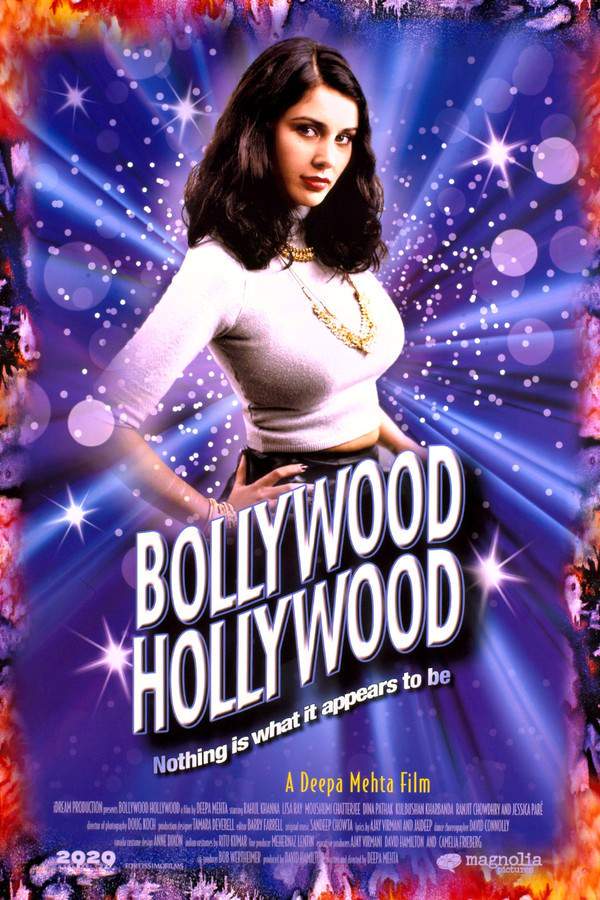
Bollywood/Hollywood (2003) Ending Explained & Film Insights
Ramji Londonwaley (2005) Story Summary & Characters
In Harihar Nagar (1990) Spoiler-Packed Plot Recap
Ram Balram (1980) Story Summary & Characters
Ram Teri Ganga Maili (1985) Film Overview & Timeline
Salaam Bombay! (1988) Story Summary & Characters
Himalaya Singh (2005) Movie Recap & Themes
Rana Naidu (1000) Full Summary & Key Details
Ram Aur Shyam (1967) Story Summary & Characters
The River (1951) Plot Summary & Ending Explained
Deshdrohi (2008) Spoiler-Packed Plot Recap
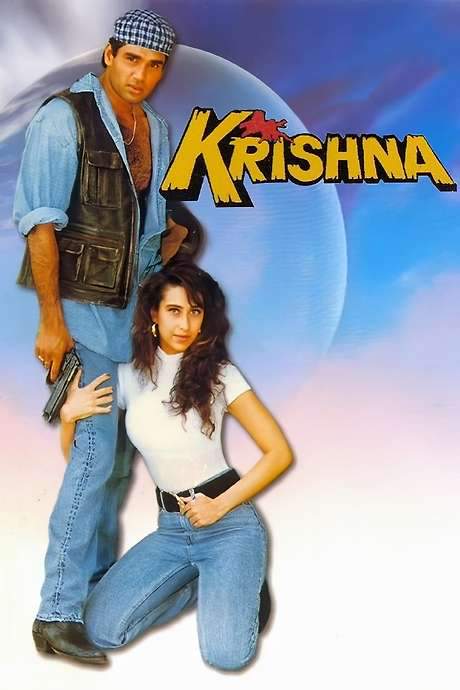
Krishna (1996) Detailed Story Recap
Hare Ram (2008) Movie Recap & Themes
Katmandu (1969) Story Summary & Characters