





Plot Explained Spoilers guaranteed!
Plot Explained

Browse by genre

Hans Christian Andersen (1952) movie poster

Timeline

Hans Christian Andersen (1952) Timeline Explained – Every Event in Order

Release, runtime and language
1952 · 112 mins · English
Directed by
Charles Vidor
Starring
Joseph Walsh, John Qualen, Farley Granger, George Chandler, John Brown, Danny Kaye

Chronicles the rise of Hans, a humble small‑town shoemaker with an innate talent for weaving tales, as he experiences both joy and sorrow on his quest to become a celebrated writer. The film celebrates his passion for storytelling, the highs and lows of his creative path, and the enduring legacy of the world‑renowned author.

On this page (6)
  1. 1 Where to watch
  2. 2 Events in order (15)
  3. 3 Timeline questions answered
  4. 4 Movie threads
  5. 5 Movies like Hans Christian Andersen
  6. 6 Every angle

Where to watch

Where to Watch Hans Christian Andersen (1952)

Where can you watch Hans Christian Andersen? Stream, rent or buy it in the US, including on Amazon Prime Video, Fawesome and Hoopla: current JustWatch availability with up-to-date prices.

Streaming availability powered by JustWatch

15 events in order · contains spoilers

Hans Christian Andersen Timeline: Events in Chronological Order

Every key event of Hans Christian Andersen (1952) in order, scene by scene, with when and where it takes place. Use it to untangle flashbacks, time jumps and parallel storylines, to refresh your memory before the sequel or to find the exact scene you are thinking of.

  1. Hans entertains Odense children with fairy tales

    In the 1830s, Hans Christian Andersen spends his days spinning fairy tales for the village children in Odense. His stories enchant the youngsters but draw the ire of the stern schoolmaster. The town's leaders worry the tales are distracting the students.

    When
    1830s
    Where
    Odense
  2. Town officials order Hans out of Odense

    The schoolmaster pleads with the Burgomaster and councilmen to curb Hans's storytelling. Faced with the dispute, the council decides that Hans must leave Odense. Hans's bright future in the town is abruptly halted.

    When
    1830s
    Where
    Odense
  3. Hans and Peter head to Copenhagen to seek a new start

    Hans and his teenage assistant Peter decide to travel to Copenhagen to escape the town's ban. They prepare for a sea voyage, seeking a new start in the capital. The decision marks the first step toward a life in the wider world of theater.

    When
    1830s
    Where
    Odense
  4. Arrival in Copenhagen and the arrest at the Great Square

    Upon arriving in Copenhagen, they make for the Great Square and Hans stands atop a king statue to address the crowd. His bold act leads to an arrest for defaming the image of their leader. Peter hides near the Royal Theatre and overhears choreographer Niels arranging to free Hans.

    When
    arrival
    Where
    Copenhagen – Great Square
  5. Peter overhears the plan to free Hans

    Peter seeks refuge by the back entrance of the Royal Theatre and overhears Niels demanding that a company producer fetch a cobbler to free Hans. The plan hinges on quick, secret maneuvering to rescue him from custody. The tension escalates as Hans's fate hangs in the balance.

    When
    that day
    Where
    Royal Theatre vicinity, Copenhagen
  6. Hans is bailed out and introduced to the theatre

    Hans is bailed out by the theatre company and brought to the theatre, where he becomes entranced by a Royal Danish Ballet rehearsal. He is drawn to the beauty and talent of the company, especially Doro, the lead ballerina. The encounter foreshadows a complicated romance.

    When
    the night of bail
    Where
    Royal Theatre, Copenhagen
  7. Doro lends slippers and Hans falls for her

    Doro gives Hans the slippers she uses, and his infatuation deepens as he watches the dancers. Peter discovers that Niels and Doro are happily married, despite their quarrels, complicating Hans's feelings. The moment cements the unrequited nature of his love.

    When
    evening
    Where
    Royal Theatre, Copenhagen
  8. Hans writes The Little Mermaid as a love letter

    Hans writes a love letter to Doro in the form of a fable called The Little Mermaid, telling her that she has chosen the wrong man. That night, while Peter secretly reads the letter, a gust of wind carries it into the theatre and a doorman delivers it to Doro. The gesture intertwines his art with his longing.

    When
    that night
    Where
    Theatre, Copenhagen
  9. The ballet tour begins; Hans returns to storytelling

    The ballet company sets off on its annual tour, leaving Hans bereft. He finds solace by entertaining a new group of children with his stories as he counts the days by making bright satin slippers for his absent ballerina. The writer's art remains his refuge.

    When
    during the tour
    Where
    Various venues on the tour
  10. Hans meets Lars and tells the Ugly Duckling

    One day, Lars, a sad boy, remains behind after the others tease him. Hans tells him the tale of the Ugly Duckling, illustrating how ostracism can turn to beauty. He also keeps busy by crafting pairs of satin slippers for his absent ballerina.

    When
    during the tour
    Where
    With the children on tour
  11. The Gazette invites publication of Ugly Duckling

    Lars's father, the publisher of the Gazette, invites Hans to publish The Ugly Duckling in the newspaper. Hans rejoices and asks that his credit be changed to 'Hans Christian Andersen'. The moment marks a turning point toward wider recognition.

    When
    during the tour
    Where
    Gazette office
  12. Doro reveals the ballet based on The Little Mermaid

    Doro tells Hans that the company has created a ballet based on his story The Little Mermaid, which he believes is a sign of her love. The next day, Peter warns that Doro might humiliate him, and Hans suggests they part ways to avoid further heartbreak. He heads to the opening of the new ballet.

    When
    the evening after the invitation
    Where
    Copenhagen – theatre
  13. Opening night: Hans is locked in a closet

    During the opening night, Hans tries to deliver Doro's slippers backstage, but Niels locks him in a closet to stop him from disrupting the performance. Hans listens to the music and dreams of his own tale as the ballet unfolds on stage. The tension between art, love, and pride comes to a head.

    When
    opening night
    Where
    Theatre, Copenhagen
  14. Morning after: revelations and departure

    The morning after, Doro confronts the romance and learns that Hans's feelings may be unreciprocated. Niels continues to belittle him by offering money for The Little Mermaid, which Hans refuses. He leaves in sorrow, heading back toward Odense with his friend Peter by his side.

    When
    the day after opening night
    Where
    Theatre / on the road to Odense
  15. Return to Odense as a celebrity storyteller

    Back in Odense, Hans is greeted as a celebrity and regales the townspeople, including the schoolmaster, with his now-famous moral tales. He returns to his craft richer for his experiences and ready to share his fairy tales with a wider audience.

    When
    post-tour
    Where
    Odense

Last updated: October 07, 2025 at 08:14

Was this helpful?

Timeline questions answered

Hans Christian Andersen Timeline Explained: Your Questions Answered

When does it happen, and why in that order? The questions people ask about the chronology of Hans Christian Andersen (1952): time jumps, flashbacks, cause and effect between scenes and the correct order of events, each answered with spoilers.

Q1

Why was Hans ordered to leave Odense?

The town council expelled Hans because the schoolmaster complained that his storytelling was distracting the village children from their studies. The Burgomaster and councilmen sided with the schoolmaster, deciding that Hans must leave Odense to stop disrupting the students' education.

  • odense
  • expulsion
  • schoolmaster
  • council
  • storytelling ban
Q2

Why was Hans arrested upon arriving in Copenhagen?

Hans was arrested for defaming the king after he climbed atop a statue of the monarch in the Great Square and addressed the crowd. His bold, spontaneous speech was interpreted as a political statement against the ruler, leading to his detention.

  • arrest
  • copenhagen
  • great square
  • king statue
  • defaming
Q3

How did Hans become connected to the Royal Theatre?

After his arrest, Peter overheard the choreographer Niels arranging to free Hans by securing a cobbler to pose as his employer. The theatre company bailed him out and brought him to the theatre, where he became mesmerized by the Royal Danish Ballet rehearsal.

  • royal theatre
  • ballet
  • niels
  • bail
  • copenhagen
Q4

Why did Hans write The Little Mermaid as a love letter?

Hans wrote The Little Mermaid as a fable to express his feelings for Doro, the lead ballerina. The story was his way of telling her she had chosen the wrong man, implying she should be with him instead of her husband Niels. He transformed his personal longing into a fairy tale.

  • the little mermaid
  • love letter
  • doro
  • unrequited love
  • fairy tale
Q5

Why was Hans locked in a closet during the ballet opening?

Niels locked Hans in a closet to prevent him from disrupting the opening night performance. Hans was trying to deliver Doro's slippers backstage, and Niels feared his presence would cause a scene or embarrass the theatre during the premiere of The Little Mermaid ballet.

  • opening night
  • closet
  • niels
  • little mermaid ballet
  • interruption
Q6

Why did Hans leave Copenhagen after the ballet premiere?

Hans left because he realized his feelings for Doro were unreciprocated. After the opening night, Doro confronted him about the romance, making clear it was not mutual. Additionally, Niels offered Hans money for The Little Mermaid story, which Hans refused, viewing it as a final insult. Heartbroken, he returned to Odense.

  • departure
  • rejection
  • copenhagen
  • odense
  • heartbreak
Q7

What happened when Hans returned to Odense?

Hans returned to Odense as a celebrated celebrity. The townspeople, including the once-disapproving schoolmaster, greeted him as a hero. He regaled them with his famous moral tales, having gained recognition through The Ugly Duckling publication and his theatrical connection.

  • return
  • odense
  • celebrity
  • storyteller
  • town welcome
Q8

Why did Peter warn Hans that Doro might humiliate him?

Peter warned Hans because he suspected Doro's announcement about the ballet was not a gesture of love, but rather a way to use Hans's story without reciprocating his romantic feelings. Peter feared Hans would be publicly embarrassed when he attended the premiere expecting a romantic reunion.

Q9

Why couldn't Hans pursue a relationship with Doro?

Hans couldn't pursue a relationship with Doro because she was already happily married to Niels, the choreographer. Despite their frequent quarrels, Doro and Niels were committed to each other. This made Hans's affection completely unrequited from the start.

  • doro
  • niels
  • married
  • unrequited love
  • relationship
Q10

How did The Ugly Duckling get published in the Gazette?

Lars, a sad boy who was teased by others, became friends with Hans during the tour. Hans told him the story of The Ugly Duckling as a way to comfort him. Lars's father, who was the publisher of the Gazette, was so impressed that he invited Hans to publish the story in his newspaper, giving Hans his first real recognition as a writer.

  • ugly duckling
  • gazette
  • publication
  • lars
  • publisher
Q11

Why did Hans change his name to Hans Christian Andersen?

When his story was published in the Gazette, Hans asked that his credit be changed from his given name to 'Hans Christian Andersen.' This marked his adoption of the full professional name under which he would become famous, establishing his identity as the legendary fairy tale author.

  • name change
  • hans christian andersen
  • credit
  • professional identity
Q12

Why did Hans make satin slippers for Doro during the tour?

While the ballet company was on tour, Hans remained behind and passed the time by crafting bright satin slippers for Doro. The slippers served as both a creative outlet and a tangible reminder of his affection for her, symbolizing his longing during their separation.

  • slippers
  • doro
  • craft
  • love
  • tour

Movie threads

More Movies Like Hans Christian Andersen, by Mood & Story

Curated lists built around what makes Hans Christian Andersen tick: the same mood, the same kind of story or the same emotional payoff. Each list explains why these movies belong together.

Uplifting Artist's Journey Movies like Hans Christian Andersen

Whimsical stories about finding joy and success through artistic expression. If you enjoyed the heartwarming and whimsical story of creative discovery in Hans Christian Andersen, you'll love these movies about artists finding their voice. Discover similar musical fantasies, charming tales of personal growth, and feel-good stories celebrating imagination and storytelling.

  • uplifting
  • whimsical
  • heartwarming
  • charming
  • nostalgic
  • dreamlike
  • Tone: whimsical, uplifting
  • Pacing: steady, character-driven
Why these movies?

The story pattern: Stories in this thread follow a straightforward, steady path as a gifted but humble individual navigates the world, using their imagination and talent to overcome obstacles. The central conflict is often internal—self-doubt or finding inspiration—with the narrative culminating in a celebrated and happy resolution that affirms the power of creativity.

Why they belong together: These movies are grouped for their shared light emotional weight, whimsical tone, and focus on the uplifting aspects of an artist's journey. They provide a comforting, low-stakes experience centered on wonder, charm, and the triumph of imagination, making them perfect for viewers seeking an optimistic and heartwarming escape.
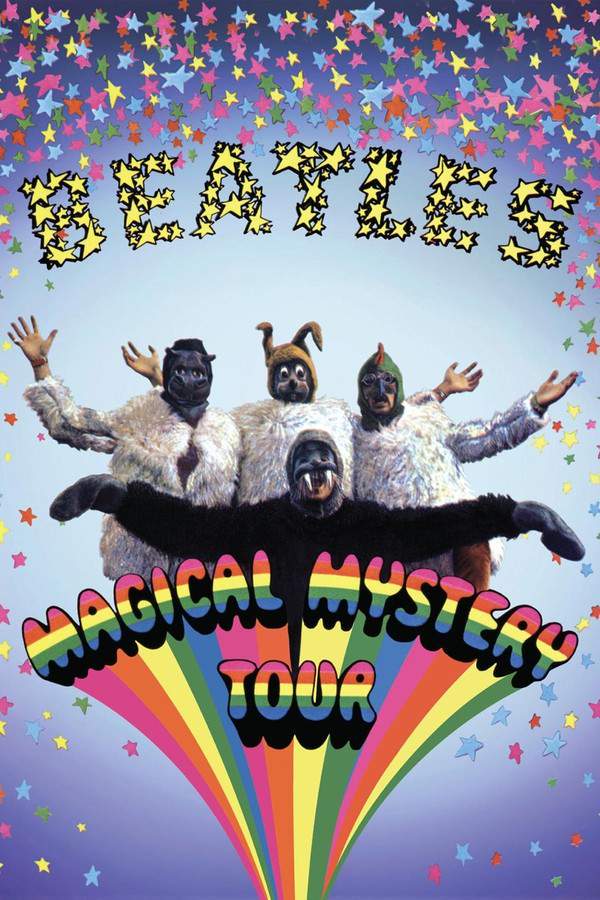
Charming Musical Fantasies like Hans Christian Andersen

Charming, low-stakes stories where imagination creates a magical world. Looking for more movies with the charming, dreamlike vibe of Hans Christian Andersen? This list features gentle musical fantasies with a steady pace, light emotional weight, and a focus on innocence and imagination. Perfect for fans of heartwarming, whimsical stories that feel like a comforting escape.

  • dreamlike
  • charming
  • nostalgic
  • whimsical
  • heartwarming
  • musical
  • Tone: whimsical, charming
  • Pacing: steady, melodic
Why these movies?

The story pattern: The narrative pattern is less about high-stakes conflict and more about a guided tour through a charming world. The plot serves as a vehicle for musical numbers and fantastical vignettes, unfolding at a steady, comfortable pace. The emotional journey is one of sustained wonder, with any moments of sorrow being brief and ultimately overshadowed by the overall happy and celebratory tone.

Why they belong together: These films are united by their specific mix of a musical format, a whimsical and dreamlike tone, and a very low-intensity, gentle viewing experience. They share a DNA of nostalgia, charm, and a fundamental kindness, making them ideal for family viewing or when seeking comfort and light-hearted escapism.

If you liked this

Movies Like Hans Christian Andersen

Similar movies to Hans Christian Andersen: the same genre, themes or kind of story. Each one comes with its own plot summary, timeline and ending explained.

Browse all movie summaries

Every angle

Hans Christian Andersen (1952) Explained: Plot, Timeline & Characters

Everything about Hans Christian Andersen in one place: what happens in the plot summary, the timeline in chronological order, the characters and meaning. What's After the Movie adds the cast, box office and post-credit scenes.

Coming soon on iOS and Android

The Plot Explained Movie Summary App

Plot summaries, endings explained and timelines on your phone. Catch up on any movie in minutes, save your favorites and never miss a twist again.

Be the first to know when we launch. Your email stays private, always.

Learn more about the app