




























Plot Explained Spoilers guaranteed!
Plot Explained

Browse by genre

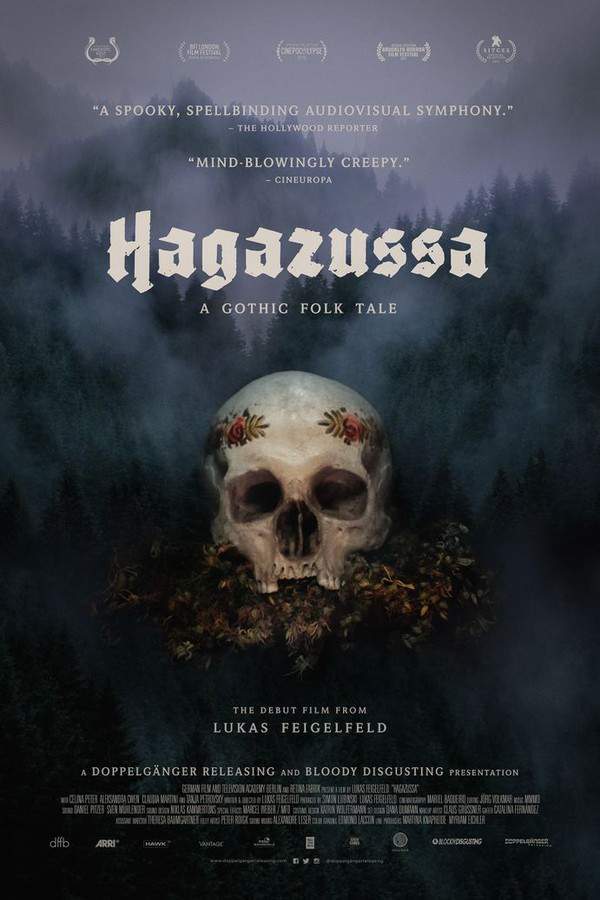
Hagazussa (2019) movie poster

Timeline

Hagazussa (2019) Timeline Explained – Every Event in Order

Release, runtime and language
2019 · 102 min · German
Echo score 66
JustWatch #17,390 3
Directed by
Lukas Feigelfeld
Starring
Aleksandra Cwen, Celina Peter, Claudia Martini, Franz Stadler, Gerdi Marlen Simonn, Haymon Maria Buttinger

Set in 15th-century Austria, this dark legend follows Albrun, a young woman living in the Alps. Struggling to maintain her sanity, she finds herself caught between ancient folklore, deeply held beliefs, and the encroaching threat of madness. The harsh landscape and isolation exacerbate her struggles, blurring the line between reality and superstition as she battles to protect her mind.

On this page (6)
  1. 1 Where to watch
  2. 2 Events in order (14)
  3. 3 Timeline questions answered
  4. 4 Movie threads
  5. 5 Movies like Hagazussa
  6. 6 Every angle

Where to watch

Where to Watch Hagazussa (2019)

Where can you watch Hagazussa? Stream, rent or buy it in the US, including on Amazon Prime Video, AMC+ and MUBI: current JustWatch availability with up-to-date prices.

Streaming availability powered by JustWatch

14 events in order · contains spoilers

Hagazussa Timeline: Events in Chronological Order

Every key event of Hagazussa (2019) in order, scene by scene, with when and where it takes place. Use it to untangle flashbacks, time jumps and parallel storylines, to refresh your memory before the sequel or to find the exact scene you are thinking of.

  1. Albrun's Early Life

    The story begins in 15th-century Austria, where a lonely young girl named Albrun lives a secluded life with her goat-herding mother. The mystery surrounding her father's identity looms over their humble existence in an unforgiving landscape.

    When
    15th century
    Where
    Austria
  2. Warning from a Traveler

    A traveler arrives at their cottage and delivers a grave warning about the malevolent spirit, the Perchta. He advises Albrun and her mother to turn back and avoid any harm that may come from the spirit's wrath.

    Where
    Albrun's Cottage
  3. The Accusation

    One fateful night, men in goat skins and horns invade Albrun's cottage. They accuse her mother of witchcraft and demand they be burned alive, showcasing the rampant superstitions gripping the community.

    Where
    Albrun's Cottage
  4. Mother's Illness

    Following the terrifying invasion, Albrun's mother falls gravely ill and is deemed beyond help by a doctor and a nun. Albrun is left to care for her ailing mother as her condition deteriorates both physically and mentally.

    Where
    Albrun's Cottage
  5. The Fatal Escape

    In a moment of despair, Albrun's mother flees into the unforgiving winter night. The next morning, Albrun discovers her mother's lifeless body surrounded by snakes, marking a traumatic turning point in her life.

    Where
    The Forest
  6. Fifteen Years Later

    Fast forward fifteen years, Albrun still lives in the same cottage, now caring for her infant daughter, Baby Martha. Facing similar hardships, Albrun tends goats and struggles against the superstitions of the local townsfolk.

    Where
    Albrun's Cottage
  7. Rejection in Town

    Attempting to sell goat milk in town, Albrun is met with rejection due to the townsfolk's superstitions, further isolating her. After being tormented by a group of unruly boys, she receives unexpected compassion from a townswoman named Swinda.

    Where
    The Town
  8. A Disturbing Gift

    During a meeting with the town's parson in the church ossuary, Albrun receives a polished skull, a harbinger of disturbing events. The parson's cryptic message about cleansing sacrilege adds to Albrun's growing frustration and despair.

    Where
    The Church
  9. Brutal Assault

    Albrun's life spirals further as she becomes a victim of a brutal assault staged by Swinda and a local man. This traumatic event deepens her sense of isolation and drives her into a frenzy over the theft of her goats.

    Where
    The Town
  10. Poisoning the Water

    In a fit of rage after losing her goats, Albrun poisons the local water source, marking a drastic shift towards vengeance. Alone, she communes with her mother's skull, deepening her descent into madness.

    Where
    Local Water Source
  11. Vision of Death

    As Albrun walks through town, she is horrified to see corpses being removed, signaling a spreading death. In a desperate attempt to escape her grim reality, she consumes a hallucinogenic mushroom and falls into psychosis.

    Where
    The Town
  12. Tragedy in the Woods

    Lost in her disturbed state, Albrun tragically leads her daughter to a stagnant pond, resulting in Baby Martha's drowning. In this moment of horror, Albrun succumbs to a dark calm enveloping her.

    Where
    The Woods
  13. Confronting Grief

    Albrun awakes to find a snake over her, an ominous sign from her mother. Overcome with grief upon discovering her daughter’s lifeless body, she bizarrely drops it into a bubbling soup, facing the horror of her actions.

    Where
    Albrun's Cabin
  14. The Final Descent

    Overwhelmed by visions and the specters of her past, Albrun experiences a complete breakdown. As dawn breaks, she lies in despair on a mountaintop, ultimately igniting herself in the flames under the rising sun.

    Where
    Mountaintop

Last updated: November 16, 2024 at 12:13

Was this helpful?

Timeline questions answered

Hagazussa Timeline Explained: Your Questions Answered

When does it happen, and why in that order? The questions people ask about the chronology of Hagazussa (2019): time jumps, flashbacks, cause and effect between scenes and the correct order of events, each answered with spoilers.

Q1

Why does Albrun's mother flee into the night and die surrounded by snakes?

Albrun's mother flees after the traumatic invasion where men accuse her of witchcraft. The combination of terror, physical deterioration from illness, and psychological breakdown drives her to desperation. The snakes surrounding her body appear in the morning, though it's ambiguous whether they are real or part of Albrun's traumatized perception. This moment establishes the supernatural or symbolic elements that will blur reality throughout the film.

Foreshadowing: The traveler's warning about the malevolent Perchta spirit foreshadows this death, as the men who invade wear goat skins and horns, likely invoking the Perchta's imagery.

  • albrun's mother
  • snakes
  • death
  • witchcraft accusation
  • Perchta
Q2

Why does the parson give Albrun her mother's skull?

The parson presents Albrun with her mother's polished skull in the church ossuary, declaring that cleansing sacrilege strengthens religious community faith. This is both a cruel gesture and a weapon of psychological torment, he weaponizes religious authority to remind Albrun of her mother's alleged witchcraft and the community's rejection of her family.

Foreshadowing: This moment directly foreshadows Albrun's final communion with the skull, deepening her descent into madness.

  • parson
  • skull
  • mother
  • church
  • faith
  • ossuary
Q3

Why does Baby Martha refuse to nurse from Albrun?

Baby Martha's refusal to nurse marks a devastating turning point. This occurs after Albrun receives her mother's skull and experiences disturbing encounters. The refusal symbolizes the break in the mother-child bond and foreshadows the tragedy to come, Martha will die, and Albrun will lose her connection to both her child and her own mother.

Foreshadowing: This moment directly foreshadows Albrun's later actions with her daughter in the woods.

  • baby martha
  • nursing
  • mother
  • refusal
  • breastfeeding
Q4

Why does Swinda betray Albrun and organize her assault?

Swinda appears compassionate, intervening when boys torment Albrun and delivering the parson's message. However, she later orchestrates Albrun's brutal assault alongside a local man. This betrayal likely stems from the town's deep-seated superstition and desire to eliminate Albrun, who is viewed as a witch and outcast. Swinda's kindness may have been a facade to lure Albrun into vulnerability.

Foreshadowing: Swinda's earlier warning about those without God takes on sinister meaning after the betrayal.

  • swinda
  • betrayal
  • assault
  • town
  • outcast
  • attack
Q5

Why does Albrun poison the local water source?

After being assaulted and having her goats stolen, Albrun acts out of rage and desperation. The goats represent her livelihood and connection to her mother who tended them. Poisoning the water is her act of vengeance against a community that has persecuted her, rejected her, and now brutalized her. This marks her complete shift from victim to perpetrator.

Foreshadowing: This act connects to the corpses Albrun later sees being removed from town, her revenge has caused death.

  • poison
  • water
  • goats
  • revenge
  • assault
  • village
Q6

Why does Albrun drown her infant daughter in the pond?

Albrun consumes a hallucinogenic mushroom, plunging into psychosis. In her disturbed state, she leads Baby Martha to a stagnant pond and allows the infant to drown. It's unclear whether she understands what she's doing or perceives it differently within her hallucination. The drowning represents the ultimate destruction of her maternal bond and her complete surrender to madness.

Foreshadowing: This tragedy is foreshadowed by Baby Martha's earlier refusal to nurse, breaking their mother-child connection.

  • baby martha
  • drowning
  • pond
  • mushroom
  • hallucination
  • psychosis
  • infanticide
Q7

Why does Albrun eat her own daughter after finding her dead body?

In her grief-stricken and psychosis-ridden state, Albrun discovers her daughter's corpse in the cabin. Overcome with horror and madness, she drops the body into bubbling soup and takes a bite, immediately vomiting. This act represents the complete collapse of her sanity and the horrifying realization of what her psychosis has caused.

Foreshadowing: This cannibalistic act follows directly from the pond scene and her mushroom-induced madness.

  • cannibalism
  • daughter
  • soup
  • horror
  • grief
  • madness
Q8

Why does Albrun set herself on fire at the end?

After experiencing the full horrors of her psychosis, including visions of her mother, the dead daughter, and disturbing laughter, Albrun flees her cabin. She lies on a mountaintop as dawn breaks and ignites herself in the rising sun's flames. This final act represents her complete destruction: loss of her mother, loss of her child, loss of her sanity, and her acceptance of the fiery death the village once threatened.

Foreshadowing: The men's original demand that Albrun and her mother be burned alive foreshadows this self-inflicted end.

  • self-immolation
  • fire
  • death
  • mountaintop
  • sunrise
  • ending
Q9

What is the Perchta and why is it significant?

The Perchta is a malevolent Alpine spirit warned about by the traveler at the start. Men wearing goat skins and horns invade Albrun's home, invoking Perchta's imagery. The film blurs whether supernatural forces are at work or if these are projections of the community's superstition and Albrun's deteriorating mind. The Perchta represents the folklore and fear that define how society treats Albrun.

Foreshadowing: The Perchta warning sets the tone for supernatural ambiguity that persists throughout the film.

  • perchta
  • spirit
  • folklore
  • goat
  • supernatural
  • Austria
Q10

Why are Albrun and her mother accused of witchcraft?

The men who invade their cottage accuse them of witchcraft based on superstition and their isolated, outsider status. Living alone with goats in 15th-century Alpine Austria, they are easy targets for the community's fear. The accusation allows the villagers to justify their persecution and attempt to destroy what they perceive as evil, setting the tragic events in motion.

Foreshadowing: The mother's death and Albrun's later persecution confirm the devastating consequences of this accusation.

  • witchcraft
  • accusation
  • village
  • superstition
  • persecution
  • goats

Movie threads

More Movies Like Hagazussa, by Mood & Story

Curated lists built around what makes Hagazussa tick: the same mood, the same kind of story or the same emotional payoff. Each list explains why these movies belong together.

Slow Burn Psychological Unraveling Movies like Hagazussa

Atmospheric stories where isolation and trauma lead to a blurring of reality. If you appreciated the slow, dreadful descent into madness in Hagazussa, this collection features similar movies. These atmospheric psychological dramas use deliberate pacing and isolation to explore the fragile human mind, blurring reality and paranoia in a deeply unsettling way.

  • psychological
  • unsettling
  • dreadful
  • atmospheric
  • paranoid
  • despairing
  • Tone: dark, dreadful, melancholic
  • Pacing: slow burn, deliberate
Why these movies?

The story pattern: The narrative follows a character, often isolated or ostracized, whose grip on reality begins to falter under the weight of trauma, grief, or external pressure. The story unfolds methodically, emphasizing mood over plot, as hallucinations and ambiguous events challenge both the protagonist and the viewer to discern what is real, culminating in a tragic or bleak resolution.

Why they belong together: These films are grouped by their shared commitment to a slow-burn pace, a heavy and dark emotional tone, and a central theme of psychological unraveling. They prioritize atmospheric dread and character psychology over conventional horror or plot-driven action, creating a uniquely immersive and unsettling experience.
Atmospheric Folk Horror Movies Similar to Hagazussa

Unsettling stories rooted in ancient folklore, superstition, and rural isolation. For viewers who liked the folk horror roots and oppressive Alpine setting of Hagazussa, this list curates similar movies. These films use folklore, superstition, and isolation to create a distinct brand of horror that feels primal and deeply connected to the land and its old beliefs.

  • folk horror
  • atmospheric
  • unsettling
  • isolated
  • supernatural
  • paranoid
  • Tone: dark, unsettling, atmospheric
  • Pacing: slow, steady
Why these movies?

The story pattern: Stories are typically set in remote, often historical, rural communities where ancient customs and superstitions hold power. The conflict arises from the clash between these old ways and an individual, often an outsider or someone accused of witchcraft. The narrative explores paranoia, social ostracism, and the terrifying possibility that the folk myths might be real.

Why they belong together: These movies are united by their foundation in folkloric horror, emphasizing atmosphere and the power of landscape over jump scares. They share themes of superstition, persecution, and the ambiguous line between psychological fear and supernatural presence, creating a unique, earthy, and unsettling vibe.

If you liked this

Movies Like Hagazussa

Similar movies to Hagazussa: the same genre, themes or kind of story. Each one comes with its own plot summary, timeline and ending explained.

Browse all movie summaries

Every angle

Hagazussa (2019) Explained: Plot, Timeline & Characters

Everything about Hagazussa in one place: what happens in the plot summary, the timeline in chronological order, the characters and meaning and a spoiler-free summary. What's After the Movie adds the cast, box office and post-credit scenes.

Coming soon on iOS and Android

The Plot Explained Movie Summary App

Plot summaries, endings explained and timelines on your phone. Catch up on any movie in minutes, save your favorites and never miss a twist again.

Be the first to know when we launch. Your email stays private, always.

Learn more about the app