







Plot Explained Spoilers guaranteed!
Plot Explained

Browse by genre

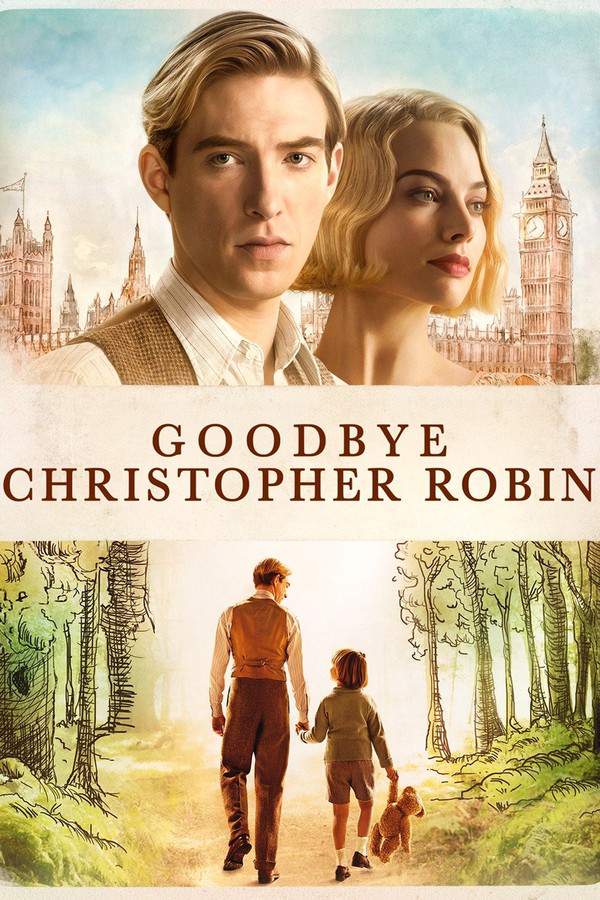
Goodbye Christopher Robin (2017) movie poster

Timeline

Goodbye Christopher Robin (2017) Timeline Explained – Every Event in Order

Release, runtime and language
2017 · 107 min · English
Echo score 79
JustWatch #4,197 38
Directed by
Simon Curtis
Starring
Margot Robbie, Kelly Macdonald, Domhnall Gleeson, Nico Mirallegro, Phoebe Waller-Bridge, Simon Williams

As Winnie the Pooh captures the hearts of audiences worldwide, a young boy’s childhood is tested by the pressures of sudden fame. This poignant film portrays A.A. Milne's son, Christopher Robin, and his family as they grapple with the impact of international success. Balancing the enchanting world of toys and imagination with the challenges of maintaining a normal life proves difficult as the family confronts the complexities of their newfound celebrity.

On this page (6)
  1. 1 Where to watch
  2. 2 Events in order (15)
  3. 3 Timeline questions answered
  4. 4 Movie threads
  5. 5 Movies like Goodbye Christopher Robin
  6. 6 Every angle

Where to watch

Where to Watch Goodbye Christopher Robin (2017)

Where can you watch Goodbye Christopher Robin? Stream, rent or buy it in the US, including on HBO Max, Amazon Video and Apple TV Store: current JustWatch availability with up-to-date prices.

Streaming availability powered by JustWatch

15 events in order · contains spoilers

Goodbye Christopher Robin Timeline: Events in Chronological Order

Every key event of Goodbye Christopher Robin (2017) in order, scene by scene, with when and where it takes place. Use it to untangle flashbacks, time jumps and parallel storylines, to refresh your memory before the sequel or to find the exact scene you are thinking of.

  1. Battle of the Somme

    In 1916, during World War I, Alan Alexander Milne, affectionately known as Blue, fights valiantly at the Battle of the Somme. This grueling experience leaves deep psychological scars, shaping his character and perspective for years to come.

    When
    1916
    Where
    The Somme, France
  2. Return to Civilian Life

    After the war, Blue struggles to integrate back into civilian life, haunted by his traumatic experiences. During this difficult transition, his relationship with his wife, Daphne, flourishes as they welcome their son, Christopher Robin Milne.

  3. Birth of Christopher Robin

    The birth of their son, Christopher Robin, brings immense joy to Blue and Daphne. However, this happiness is tinged with Daphne's feelings of disconnection, as she had hoped for a daughter and faced the trials of new motherhood.

  4. Move to the Countryside

    Desiring inspiration for his writing, Blue and his family relocate to a peaceful countryside home surrounded by nature. While Blue finds solace in this serene environment, Daphne struggles with feelings of isolation from her former city life.

    Where
    Countryside
  5. Whimsical Tales of Billy Moon

    With Daphne away in London, Blue immerses himself in his imagination, crafting whimsical stories about his son Billy's adventures with his plush toys. These charming stories ultimately evolve into the beloved Winnie-the-Pooh books, enchanting readers around the world.

  6. Daphne's Poem Recognition

    Daphne returns from London, significantly boosting the family's morale with her poem 'Vespers' published in Vanity Fair. This newfound recognition propels Blue into the literary spotlight, dramatically shifting the family's dynamics and fortune.

  7. Rise to Fame

    The success of the Winnie-the-Pooh books catapults the Milne family into fame and celebrity status. However, this new reality poses challenges for young Billy, who grapples with living in the shadow of the character his father has created.

  8. Family Tensions Emerge

    As familial complexities arise, Billy confides in his parents about romantic tensions involving Olive. This leads to a heated confrontation between Daphne and Olive, ultimately culminating in Olive's resignation, accusing the Milnes of exploiting Billy's imagination.

  9. Blue Abandons Storytelling

    In response to Olive's accusations, Blue makes the painful decision to quit storytelling, ending the creative collaboration he shared with Billy. This choice leads to a rapid transformation in their lives and signifies the rising conflicts within the family.

  10. Billy's Boarding School

    Blue enrolls Billy in a prestigious boarding school, attempting to shield him from the consequences of celebrity. Unfortunately, this new environment exposes Billy to bullying, further straining their father-son relationship.

    Where
    Boarding School
  11. Enlistment in World War II

    As World War II intensifies, Billy seeks to enlist in the military, defying his father's reservations. Despite health issues that initially disqualify him, he convinces Blue to use his influence to secure his acceptance into the army.

    When
    1941
  12. Emotional Farewell

    Before Billy leaves for military service, he gives Blue a cricket ball, a poignant token from their shared matches. This moment is bittersweet, as Blue desperately tries to connect with his son one last time before his departure.

  13. Telegram of Devastation

    The family's nightmare escalates when they receive a telegram declaring Billy missing in action. This devastating news sends ripples of grief through Blue, Daphne, and Olive, culminating in strained relations and sorrow.

  14. Billy's Return

    In a surprising twist, Billy returns unannounced to the family estate, leading to an emotional reunion. He shares the significant impact of Winnie-the-Pooh that resonated with him and his comrades during wartime, mending the bond with Blue.

  15. Reflections in the Woods

    As the story comes to a close, Blue and Billy take a reflective stroll through the woods. This journey symbolizes Billy's growth and the transformations he underwent, highlighting the enduring connection between father and son amidst life's trials.

    Where
    Woods

Last updated: November 22, 2024 at 14:09

Was this helpful?

Timeline questions answered

Goodbye Christopher Robin Timeline Explained: Your Questions Answered

When does it happen, and why in that order? The questions people ask about the chronology of Goodbye Christopher Robin (2017): time jumps, flashbacks, cause and effect between scenes and the correct order of events, each answered with spoilers.

Q1

Why did A.A. Milne start writing the Winnie-the-Pooh stories for his son?

Blue began writing the stories as a way to process his traumatic experiences from World War I. After returning from the Battle of the Somme with deep psychological scars, he struggled to transition to civilian life and sought solace through writing. The stories emerged while his wife Daphne was away in London, as he created whimsical tales about young Billy Moon's adventures with his plush toys in the countryside.

Foreshadowing: Earlier scenes show Blue haunted by his war experiences and searching for a new purpose beyond combat.

  • wwi trauma
  • writing process
  • billy moon inspiration
  • countryside writing
Q2

Why did Christopher Robin struggle with his father's literary success?

Billy felt overshadowed by the character his father had created. As the Winnie-the-Pooh books gained international fame, he found himself living in the shadow of a fictional version of himself. This caused him to feel disconnected from his own identity, as people treated him as the character rather than as his own person.

Foreshadowing: The film shows Billy's discomfort even during early book celebrations, foreshadowing his later resentment.

  • identity struggle
  • fame burden
  • christopher robin feelings
  • character vs real person
Q3

Why did Olive leave the Milne family after confronting Daphne?

Olive left because of romantic tensions and accusations that the family was exploiting Billy's imagination. When Billy confided in his parents about Olive's romantic interests, it led to a heated confrontation between Daphne and Olive. During this argument, Olive accused Blue and Daphne of exploiting their son's childhood for profit and literary gain.

Foreshadowing: Earlier hints show Olive's growing discomfort with the family's commercialization of Billy's life.

  • olive nurse
  • family conflict
  • exploitation accusation
  • billy's childhood
Q4

Why did A.A. Milne stop writing stories after Olive's departure?

Blue decided to abandon storytelling as a direct response to Olive's accusations that he had exploited Billy's imagination. The bitter argument with Olive, who resigned and criticized the family for capitalizing on their son's innocence, prompted Blue to sever his creative connection to the stories. He halted Billy's public appearances and made the painful decision to end the storytelling tradition.

Foreshadowing: Olive's resignation scene directly precedes Blue's decision to abandon storytelling.

  • creative block
  • olive conflict
  • father son strain
  • writing career end
Q5

Why did Christopher Robin want to enlist in World War II despite his father's objections?

Billy sought to enlist as a way to escape the shadow of his father's literary legacy and prove his own identity. Despite health issues that initially disqualified him, he pleaded with Blue to use his connections to secure acceptance into the army. He wanted to forge his own path separate from the fame and wealth the Winnie-the-Pooh books had brought the family.

Foreshadowing: Earlier scenes show Billy's resentment toward his father and his desire to distance himself from the family legacy.

  • military enlistment
  • father son conflict
  • wwii service
  • identity independence
Q6

What was the significance of the cricket ball given to Blue before Billy left?

The cricket ball represented the last physical reminder of the close bond between Blue and Billy. It came from their one and only cricket match together, symbolizing a rare moment of genuine connection and shared activity between father and son. Blue desperately tried to intervene at the last moment to prevent Billy's departure, but Billy's determination to leave overrode his father's attempts.

Foreshadowing: The film's opening establishes cricket as a rare shared activity between Blue and his son.

  • cricket
  • father son bond
  • farewell gift
  • emotional moment
Q7

What happened to Christopher Robin during the war that made him missing in action?

Billy was reported missing in action during his military service in World War II, causing devastating grief for the entire family. The telegram declaring him presumed dead created a painful period of mourning. The film shows how this devastating news affected Blue, Daphne, and especially Olive, who had formed a deep bond with Billy.

Foreshadowing: Earlier scenes establish Billy's determination to serve despite his father's fears about war.

  • missing in action
  • wwii
  • family grief
  • telegram news
Q8

How did Christopher Robin and A.A. Milne reconcile after years of conflict?

The reconciliation occurred when Billy returned unexpectedly from the war and shared a profound realization with his father. He told Blue that during his military service, a comrade had serenaded their group with a melody from Winnie-the-Pooh, reminding Billy of the literary legacy his father created. This moment showed Billy that his father's work had actually touched lives even in wartime, helping him find meaning in their shared history.

Foreshadowing: The film's emotional climax ties the whimsical stories to their deeper significance through wartime reflection.

  • reconciliation
  • wartime realization
  • father son healing
  • winnie-the-pooh legacy
Q9

Why did Daphne struggle with motherhood after Christopher Robin was born?

Daphne experienced feelings of disconnection because she had yearned for a daughter rather than a son and struggled to grasp the realities of motherhood. While Blue found joy in their new child, Daphne felt unsettled and unable to bond with Billy in the same way. This emotional distance contributed to her later feelings of isolation when the family moved to the countryside.

Foreshadowing: The birth scene immediately establishes Daphne's ambivalence about having a son.

  • daphne milne
  • postpartum
  • motherhood struggle
  • family dynamics
Q10

Why did the Milne family move to the countryside?

Blue moved the family to the countryside seeking inspiration for his writing, particularly a treatise against war that had been festering inside him since his traumatic experiences at the Somme. The tranquil environment surrounded by lush woodlands and wildlife was meant to help him find the creative solitude needed to process and express his anti-war sentiments through writing.

Foreshadowing: Blue's war trauma is established early, explaining his need to find meaning through writing.

  • countryside move
  • writing inspiration
  • war trauma recovery
  • rural england
Q11

Why did A.A. Milne struggle to readjust to civilian life after the war?

Blue found it extremely difficult to match his traumatic wartime experiences with the demands of civilian life. His service at the Battle of the Somme left deep psychological scars that haunted him long after the fighting ended. This struggle to integrate back into normal life shaped his character and relationships, eventually leading him to seek purpose through writing as a way to process the horrors he witnessed.

Foreshadowing: The film opens with the Battle of the Somme, establishing the source of Blue's psychological trauma.

  • ptsd
  • wwi veteran
  • somme battle
  • civilian adjustment
Q12

Why did Christopher Robin feel abandoned at boarding school?

Blue enrolled Billy in boarding school to shield him from the consequences of the family's celebrity status and to remove him from the public eye after Olive's departure. However, this new environment exposed Billy to harsh realities, including bullying, which intensified his growing animosity toward his father. Billy interpreted the move as another example of his father prioritizing his own interests over his son's wellbeing.

Foreshadowing: The timing of Billy's enrollment immediately follows Blue's decision to quit storytelling and end their creative bond.

  • boarding school
  • bullying
  • father son resentment
  • family separation

Movie threads

More Movies Like Goodbye Christopher Robin, by Mood & Story

Curated lists built around what makes Goodbye Christopher Robin tick: the same mood, the same kind of story or the same emotional payoff. Each list explains why these movies belong together.

Movies about creative legacy like Goodbye Christopher Robin

Exploring the emotional cost and lasting impact of creating a beloved work. If you liked the bittersweet exploration of fame in Goodbye Christopher Robin, discover other movies about the complex relationship between an artist's work and their personal life. These films often feature historical figures and examine the emotional fallout of creating something that captures the world's imagination.

  • nostalgic
  • poignant
  • reflective
  • melancholic
  • sentimental
  • hopeful
  • Tone: bittersweet, melancholic
  • Pacing: steady, reflective
Why these movies?

The story pattern: Stories in this thread typically follow a creator or their family, tracing the journey from inspiration to international acclaim. The narrative often reveals the hidden costs of fame, such as strained relationships, loss of privacy, and the struggle to reconcile the public persona with the private self, leading to a reflective and emotionally resonant conclusion.

Why they belong together: These movies are grouped together because they share a core focus on the duality of artistic success. They blend a tone of melancholy pride, a steady, character-driven pace, and a heavy emotional weight centered on themes of sacrifice, memory, and the complex price of a lasting legacy.

Movies about fame and childhood like Goodbye Christopher Robin

Stories of young lives disrupted and shaped by unexpected fame. Find movies similar to Goodbye Christopher Robin that explore the theme of a child's life upended by fame. These stories often depict the strain between a whimsical public image and a difficult private reality, appealing to viewers interested in dramas about family, memory, and the exploitation of innocence.

  • strained
  • sentimental
  • melancholic
  • nostalgic
  • poignant
  • hopeful
  • Tone: poignant, bittersweet
  • Pacing: steady, character-driven
Why these movies?

The story pattern: The narrative pattern centers on a child thrust into the public eye, often through their family's actions. The story follows the initial excitement giving way to isolation, pressure, and a fractured sense of normalcy. Conflict arises from the tension between the child's need for a genuine childhood and the demands of their public role, leading to a reflective reckoning in adulthood.

Why they belong together: These films share a specific emotional core: the bittersweet contrast between public joy and private sorrow. They are united by a heavy emotional weight, a melancholic and reflective mood, and a steady pacing that allows for a deep, character-focused exploration of how early fame shapes an entire life.

If you liked this

Movies Like Goodbye Christopher Robin

Similar movies to Goodbye Christopher Robin: the same genre, themes or kind of story. Each one comes with its own plot summary, timeline and ending explained.

Browse all movie summaries

Every angle

Goodbye Christopher Robin (2017) Explained: Plot, Timeline & Characters

Everything about Goodbye Christopher Robin in one place: what happens in the plot summary, the timeline in chronological order, the characters and meaning and a spoiler-free summary. What's After the Movie adds the cast, box office and post-credit scenes.

Coming soon on iOS and Android

The Plot Explained Movie Summary App

Plot summaries, endings explained and timelines on your phone. Catch up on any movie in minutes, save your favorites and never miss a twist again.

Be the first to know when we launch. Your email stays private, always.

Learn more about the app