Plot Explained Spoilers guaranteed!
Plot Explained

Browse by genre

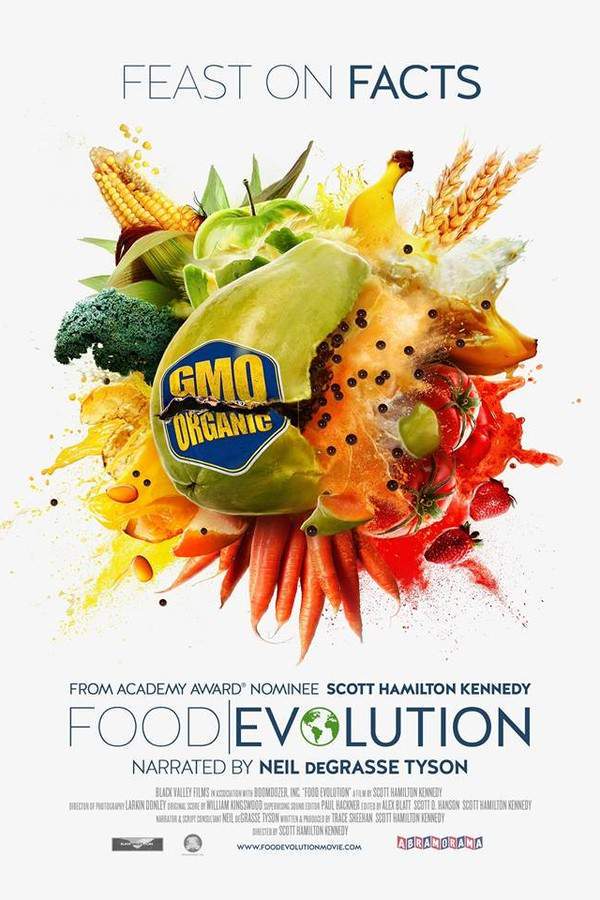
Food Evolution (2017) movie poster

Characters & Themes

Food Evolution (2017) Characters, Setting & Themes Explained

Release, runtime and language
2017 · 92 min · English
Echo score 72
Loading streaming availability…
Directed by
Scott Hamilton Kennedy
Starring
Bill Nye, Michael Pollan, Charles Benbrook, Emma Naluyima Mugerwa, Karl Haro von Mogel, Kavin Senapathy
Budget
$250K

Embarking on a global journey, this documentary explores the complexities of the food crisis and the passionate debate surrounding it. The film examines the emotional and scientific dimensions of food production, featuring perspectives from experts, farmers, scientists, and advocates. It investigates the need for safe, nutritious, and sustainable food sources while considering the challenges and differing viewpoints within this critical issue.

On this page (8)
  1. 1 Where to watch
  2. 2 Characters explained (4)
  3. 3 Where & when it takes place
  4. 4 Themes & meaning (2)
  5. 5 Character & meaning questions
  6. 6 Movie threads
  7. 7 Movies like Food Evolution
  8. 8 Every angle
Loading streaming availability…

4 main characters · contains spoilers

Food Evolution Characters Explained: Who Is Who

The main characters of Food Evolution (2017), heroes and villains: what drives them, how they change over the course of the story and what each of them reveals about the film's bigger ideas.

  • Bill Nye

    Bill Nye is a well-known science communicator who brings a rational perspective to the discussion of GMOs and food evolution. He advocates for science-based solutions to agricultural challenges and emphasizes the importance of understanding scientific principles in public discourse. His approachable demeanor makes complex scientific topics accessible to general audiences.

    • 🔬 Science Advocate
    • 🎙️ Communicator
  • Charles Benbrook

    Charles Benbrook is an agricultural scientist who examines the implications of biotechnology in farming. He provides insights into the environmental and health considerations surrounding GMO crops, contributing to the dialogue about their impact on sustainable agriculture. His expertise helps shape a comprehensive understanding of the risks and benefits associated with GMOs.

    • 🌾 Agriculture Expert
    • 📊 Researcher
  • Pamela Ronald

    Pamela Ronald is a prominent plant geneticist who discusses the advancements in genetic engineering of crops. She advocates for the potential benefits of GMOs in feeding a growing population while minimizing environmental impacts. Her work reflects a balanced approach to technology in agriculture, highlighting both innovation and responsibility.

    • 🔬 Geneticist
    • 🌍 Environmentalist
  • Emma Naluyima Mugerwa

    Emma Naluyima Mugerwa is a Ugandan farmer who shares her experiences and challenges faced in the agricultural sector related to banana farming. Her story represents the local voices in the global conversation about food security and the impact of policies on smallholder farmers, making her perspective vital in the GMO debate.

    • 👩‍🌾 Farmer
    • 🌱 Local Advocate

Last updated: October 18, 2026 at 16:58

Was this helpful?

Setting

Where and When Does Food Evolution Take Place?

The setting of Food Evolution (2017): the year and time period, the places and locations, and how they shape the characters, the mood and the tension of the story.

Time period

The movie delves into contemporary issues surrounding food production, particularly focusing on the recent debates over GMOs. It highlights the evolving perspectives and laws regarding food safety and environmental concerns that have surfaced over the last few decades.

Location

Hawaii, Uganda, Iowa

The film explores various agricultural landscapes, including the lush papaya groves of Hawaii, known for their tropical fruits and diverse ecosystems. In Uganda, banana farms represent the local agricultural practices and challenges faced by farmers. The cornfields of Iowa symbolize American agriculture, showcasing the significance of corn production in the U.S. economy.

  • 🏝️ Tropical
  • 🌍 Agricultural
  • 🇺🇸 Midwest

Last updated: October 18, 2026 at 16:58

Was this helpful?

2 major themes

Food Evolution Meaning: Themes & Message Explained

What is Food Evolution (2017) really about? The emotional, social and philosophical themes the film keeps returning to, its symbolism and the message beneath the surface.

  • Food and Agriculture

    The theme of food and agriculture is central to the film, examining the complexities of food production practices, especially with regard to GMOs. It highlights the emotional and scientific aspects of food evolution, emphasizing the impact on health, safety, and the environment. Through various case studies, the film illustrates the ongoing debate over the future of food.

  • Science vs. Misinformation

    The film addresses the conflict between scientific evidence and public perception regarding GMOs. It underscores the role of misinformation in shaping public opinions and legislative actions. By showcasing data, evidence, and expert opinions, the documentary advocates for informed discussions based on facts rather than fears.

Last updated: October 18, 2026 at 16:58

Was this helpful?

Character & theme questions

Food Evolution Characters & Meaning: Your Questions Answered

The questions people ask about Food Evolution (2017): who the characters really are, their relationships, what the symbols mean, where it takes place and what the movie is really about. Each answer contains spoilers.

Q1

Why does the documentary focus on Hawaii, Uganda, and Iowa?

Food Evolution uses these three locations to represent different agricultural systems and cultural contexts within the global food conversation. Hawaii showcases tropical fruit farming and biotech intervention, Uganda represents smallholder banana farms facing disease and food security challenges, and Iowa symbolizes large-scale American corn production. Together, they illustrate how GMO debates unfold very differently depending on geography, farm size, and economic conditions.

  • hawaii
  • uganda
  • iowa
  • global agriculture
  • case studies
  • geographic scope
Q2

What role does Hawaii play in the film?

Hawaii's papaya groves serve as a key case study in Food Evolution, showing how genetic engineering was used to save papaya crops from the devastating ringspot virus. The island setting demonstrates how biotech solutions can directly address agricultural crises in specific ecosystems. It also highlights tensions between organic farming advocates and growers who depend on modified crops to survive.

  • hawaii
  • papaya
  • ringspot virus
  • genetic engineering
  • biotech
Q3

What perspective does Uganda bring to the film?

Uganda represents the developing-world perspective in Food Evolution's GMO debate, particularly through smallholder banana farmers dealing with crop failures and food insecurity. The segment with farmer Emma Naluyima Mugerwa emphasizes how Western-driven policies and anti-GMO campaigns affect farmers who rely on these crops for survival. It adds a human, on-the-ground dimension to questions about food sovereignty and technology access in poorer regions.

  • uganda
  • banana farming
  • smallholder farmers
  • food security
  • food sovereignty
Q4

What time period does the documentary address?

Food Evolution focuses on contemporary issues surrounding food production, particularly the GMO discussions that have intensified over the last few decades. Rather than covering the entire history of agriculture, it grounds its investigation in recent scientific developments and current regulatory debates. The film treats the GMO conversation as an ongoing, evolving issue rather than a settled matter.

  • contemporary
  • recent decades
  • modern agriculture
  • current debates
Q5

What is the documentary's main message about GMOs?

Food Evolution advocates for evidence-based evaluation of genetically modified crops rather than fear-based rejection of them. It argues that scientific consensus on GMO safety should carry weight in public policy and consumer choices. At the same time, the film acknowledges real concerns about corporate control, environmental impact, and the importance of transparency in food labeling.

  • gmos
  • scientific consensus
  • food safety
  • food policy
Q6

How does the film address misinformation about food?

Food Evolution directly tackles how misinformation and emotional appeals have shaped public opinion against GMOs, despite scientific evidence supporting their safety. It contrasts data-driven arguments with activist messaging and explores how fear can override rational discourse. The documentary positions itself as a corrective, encouraging viewers to distinguish between ideology and empirical research.

  • misinformation
  • gmos
  • fear
  • evidence
  • public perception
Q7

What does the documentary say about science versus public opinion?

Food Evolution highlights the growing gap between scientific consensus on GMO safety and widespread public skepticism. It examines how media narratives, advocacy groups, and cultural values have created resistance to genetic engineering even among informed consumers. Rather than dismissing public doubt, the film encourages more transparent engagement between scientists and the communities they serve.

  • science
  • public opinion
  • scientific consensus
  • communication
Q8

What does the film say about feeding a growing population?

Food Evolution frames food security as one of the central challenges justifying continued agricultural innovation, including genetic engineering. It explores how traditional farming approaches may be insufficient to feed billions while preserving ecosystems and farmland. The film suggests that rejecting all technological solutions could carry serious humanitarian costs in the coming decades.

  • food security
  • population growth
  • agricultural innovation
  • sustainability
Q9

Who is Bill Nye in this documentary?

Bill Nye appears in Food Evolution as a science communicator who frames GMO discussions in accessible terms for general audiences. He advocates for science-based agricultural policy and helps explain the genetic principles behind crop modification. His involvement signals the film's intent to engage mainstream viewers who may be unfamiliar with the technical details of food science.

  • bill nye
  • science communicator
  • gmos
  • food science
Q10

Why is Emma Naluyima Mugerwa featured in the film?

Emma Naluyima Mugerwa is included to give voice to smallholder African farmers directly affected by agricultural policies and the global GMO debate. As a Ugandan farmer working with bananas, she illustrates the practical stakes of food security in developing nations. Her perspective anchors Food Evolution's broader claims in real, on-the-ground experience rather than abstract policy discussion.

  • emma naluyima mugerwa
  • uganda farmer
  • banana
  • food security
Q11

What does Pamela Ronald contribute to the film?

Pamela Ronald provides scientific expertise on plant genetics and the potential of genetic engineering to address agricultural challenges. She argues that GMOs can help feed growing populations while reducing environmental damage from conventional farming. Her balanced, research-driven perspective reinforces Food Evolution's pro-science stance without dismissing legitimate critiques of agricultural biotechnology.

  • pamela ronald
  • plant genetics
  • genetic engineering
  • sustainability
Q12

What is Charles Benbrook's role in the documentary?

Charles Benbrook contributes agricultural science expertise, particularly on the environmental and health implications of GMO crops. He offers critical analysis of biotechnology's risks and benefits, adding nuance to Food Evolution's investigation. His inclusion signals the film's commitment to presenting multiple expert viewpoints rather than promoting a single ideological position on genetic modification.

  • charles benbrook
  • agricultural science
  • biotech
  • environmental impact

Movie threads

More Movies Like Food Evolution, by Mood & Story

Curated lists built around what makes Food Evolution tick: the same mood, the same kind of story or the same emotional payoff. Each list explains why these movies belong together.

Science vs. fear documentaries like Food Evolution

Contested truths where data, emotion, and misinformation collide in the public square. Explore documentaries like Food Evolution that investigate controversial science, public skepticism, and the emotional battles behind food safety, GMOs, and environmental debates. These investigative films balance expert insight with passionate dissent, perfect for viewers seeking thought-provoking science documentaries that challenge assumptions and reveal how misinformation spreads.

  • investigative
  • thought-provoking
  • scientific
  • analytical
  • contemplative
  • debate-driven
  • Tone: contemplative, analytical, serious
  • Pacing: steady, methodical
Why these movies?

The story pattern: Films in this thread typically open with a deceptively simple question—Is this safe? Should we trust this?—and then expand outward into a global investigation. Interviews with scientists are juxtaposed with passionate skeptics, and the narrative gradually reveals how misinformation spreads, how emotional reasoning competes with data, and how policy gets shaped by forces beyond the lab. The arc rarely resolves into a tidy answer; instead, viewers are left holding competing truths and asked to weigh them themselves.

Why they belong together: These films share a commitment to intellectual honesty in the face of emotionally charged topics. They tend to balance technical expertise with human stories, move at a measured pace that lets arguments breathe, and resist the urge to villainize any single side. Viewers come away thinking rather than cheering.

Balanced multi-viewpoint documentaries like Food Evolution

Films that lay out every side of a debate and trust you to decide. Discover documentaries like Food Evolution that deliberately present every side of a heated debate without choosing a winner. These balanced investigative films weave together farmers, scientists, activists, and critics, offering intellectual viewing for audiences who want to weigh complex issues, from food policy to climate change, for themselves.

  • balanced
  • investigative
  • journalistic
  • thought-provoking
  • neutral
  • informative
  • Tone: neutral, balanced, contemplative
  • Pacing: steady, reflective
Why these movies?

The story pattern: Stories here move through a series of perspectives, geographies, and case studies rather than following a single protagonist. The narrative structure resembles a mosaic: each chapter introduces a new angle, a new community, a new argument, and the whole picture only emerges by the final frame. The arc is deliberately unresolved, less about reaching a destination than about expanding the viewer's map of the issue.

Why they belong together: These films share a journalistic ethos of fairness and an educational ambition to inform without persuading. They reward patient viewers who appreciate complexity, prefer nuance to slogans, and want to understand how an issue looks from inside different camps before forming their own view.

If you liked this

Movies Like Food Evolution

Similar movies to Food Evolution: the same genre, themes or kind of story. Each one comes with its own plot summary, timeline and ending explained.

Browse all movie summaries

Every angle

Food Evolution (2017) Explained: Plot, Timeline & Characters

Everything about Food Evolution in one place: what happens in the plot summary, the timeline in chronological order, the characters and meaning and a spoiler-free summary. What's After the Movie adds the cast, box office and post-credit scenes.

Coming soon on iOS and Android

The Plot Explained Movie Summary App

Plot summaries, endings explained and timelines on your phone. Catch up on any movie in minutes, save your favorites and never miss a twist again.

Be the first to know when we launch. Your email stays private, always.

Learn more about the app