
















Plot Explained Spoilers guaranteed!
Plot Explained

Browse by genre

Escape from Sobibor (1987) movie poster

Characters & Themes

Escape from Sobibor (1987) Characters, Setting & Themes Explained

Release, runtime and language
1987 · 169 mins · English
JustWatch #14,039 17
Directed by
Jack Gold
Starring
Howard K. Smith, Alan Arkin, Rutger Hauer, Sara Sugarman, Joanna Pacula, David Miller

The true story of WWII’s notorious Sobibor Nazi death camp, where a courageous inmate orchestrates and leads the escape of over 300 prisoners.

On this page (8)
  1. 1 Where to watch
  2. 2 Characters explained (6)
  3. 3 Where & when it takes place
  4. 4 Themes & meaning (3)
  5. 5 Character & meaning questions
  6. 6 Movie threads
  7. 7 Movies like Escape from Sobibor
  8. 8 Every angle

Where to watch

Where to Watch Escape from Sobibor (1987)

Where can you watch Escape from Sobibor? Stream, rent or buy it in the US, including on Artiflix, FlixFling and Philo: current JustWatch availability with up-to-date prices.

Streaming availability powered by JustWatch

6 main characters · contains spoilers

Escape from Sobibor Characters Explained: Who Is Who

The main characters of Escape from Sobibor (1987), heroes and villains: what drives them, how they change over the course of the story and what each of them reveals about the film's bigger ideas.

  • Leon Feldhendler (Alan Arkin)

    Leader of the prisoner group, Feldhendler is pragmatic and calculating, early in recognizing the camp’s imminent danger. He drives the escape plan, balancing risk with a belief that collective action can overthrow the guards. His resolve and collaboration with Sasha Pechersky anchor the revolt and its tempo.

    • 🎯 Leader
    • 🧭 Strategist
    • 🧍 Prisoner
  • Alexander 'Sasha' Pechersky (Rutger Hauer)

    A decisive organizer among the Soviet Jewish inmates, Pechersky brings military acumen and discipline to the revolt. He arms the group with tactical insight, coordinating assaults and escape routes. His leadership helps unite diverse prisoner factions toward a common goal.

    • 🧭 Commander
    • 🎖️ Rebel
    • 🧪 Tactician
  • Gustav Wagner (Hartmut Becker)

    The camp's most clever and sadistic officer, Wagner embodies the brutal efficiency of the murder machine. His threats and capricious violence heighten danger for prisoners and test their will to resist. His absence during part of the plan provides a brief strategic window for the rebellion.

    • 🗡️ Brutality
    • 🎖️ Authority
    • 🧬 Tyranny
  • Karl Frenzel (Kurt Raab)

    An officer who becomes aware of the brewing revolt and inadvertently triggers alarm when he discovers a crime scene. His actions heighten the stakes for the prisoners as they execute their daring plan. Frenzel's role marks a turning point that intensifies the escape sequence.

    • ⚠️ Authority
    • 🧭 Risk
    • 🧩 Catalyst
  • Itzhak Lichtman (Jack Shepherd)

    A prisoner whose presence and participation reflect the diverse internal dynamics of Sobibor’s inmate population. Lichtman contributes to the collective effort, sharing in the risks and decisions of the revolt. His involvement illustrates the cross-group cooperation in the uprising.

    • 🧭 Worker
    • 🧬 Survivor
  • Chaim Engel (Robert Gwilym)

    A survivor whose experience represents the broader human dimension of the escape. Engel’s perspective during the uprising underscores the personal costs and the enduring will to live beyond the camp’s confines. He embodies resilience amid extreme danger.

    • 🧭 Survivor
    • 📝 Witness

Last updated: October 04, 2025 at 13:47

Was this helpful?

Setting

Where and When Does Escape from Sobibor Take Place?

The setting of Escape from Sobibor (1987): the year and time period, the places and locations, and how they shape the characters, the mood and the tension of the story.

Time period

1943

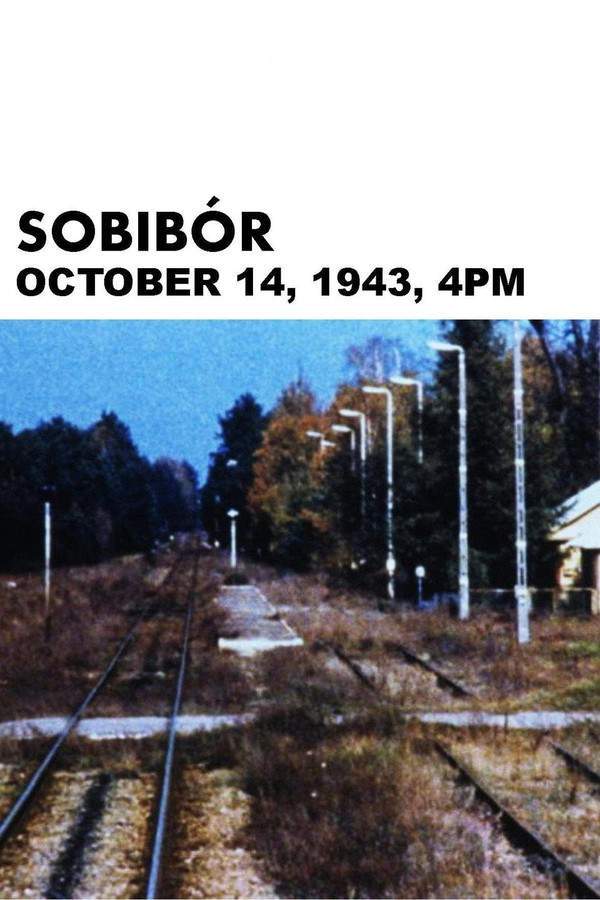
The events unfold during World War II, with Sobibor operating as a Nazi death camp in occupied Poland. On 14 October 1943, prisoners carried out a coordinated revolt to overpower their guards and escape. Though many were killed in the breakout, about 300 reached the forest and roughly 50 survived the war ending in 1945.

Location

Sobibor extermination camp, Sobibór, Poland

Sobibor was a Nazi extermination camp in occupied Poland where Jews were murdered in gas chambers and their belongings looted for the benefit of the SS. A separate area housed prisoners kept for forced labor, who endured brutal conditions while factories and ovens processed victims. After the uprising, Sobibor was bulldozed and trees were planted to erase its existence.

  • 🔎 Holocaust site
  • 🔥 Death camp
  • 🗺️ Poland

Last updated: October 04, 2025 at 13:47

Was this helpful?

3 major themes

Escape from Sobibor Meaning: Themes & Message Explained

What is Escape from Sobibor (1987) really about? The emotional, social and philosophical themes the film keeps returning to, its symbolism and the message beneath the surface.

  • Resistance

    Prisoners organize a bold plan to topple their captors and reclaim freedom. The revolt relies on deception, luring guards into traps and executing a calculated, covert assault. Unity among prisoner groups, including Red Army prisoners, is crucial to the plan's success. It remains one of the largest escapes from a Nazi prison camp in Europe during WWII.

  • Survival

    Conditions in Sobibor were brutal, with routine executions and brutal beatings used to suppress dissent. A small group maintained a fragile existence through forced labor, scavenging moments to support the escape plan. The narrative highlights resilience and the humanity that endured amid dehumanizing cruelty.

  • Memory

    Howard K. Smith's narration ties the film to survivor accounts and historical records, grounding the story in real testimony. The film emphasizes remembering the victims and the survivors whose lives intersected with the uprising. It underscores the lasting warning of totalitarian violence and the cost of forgetting.

Last updated: October 04, 2025 at 13:47

Was this helpful?

Character & theme questions

Escape from Sobibor Characters & Meaning: Your Questions Answered

The questions people ask about Escape from Sobibor (1987): who the characters really are, their relationships, what the symbols mean, where it takes place and what the movie is really about. Each answer contains spoilers.

Q1

Where is the movie set?

Escape from Sobibor is set in the Sobibor Nazi extermination camp, located in occupied Poland during World War II. The camp was part of Operation Reinhard, designed specifically for the mass extermination of Jews. A separate area housed prisoners kept for forced labor, who endured brutal conditions while the camp's factories and ovens processed victims.

  • sobibor
  • nazi camp
  • poland
  • extermination camp
  • world war 2
Q2

What year does the story take place?

The story takes place in 1943, during World War II. The specific date of the escape attempt is October 14, 1943, when prisoners carried out a coordinated revolt to overpower their guards and escape. The film depicts the historical reality that unfolded during this pivotal year of the war.

  • 1943
  • world war 2
  • october 1943
  • historical
  • wwii
Q3

What are the main themes?

The film explores three major themes: Resistance, as prisoners organize a bold plan to topple their captors and reclaim freedom through deception and calculated assault; Survival, highlighting the brutal conditions and the resilience and humanity that endured amid dehumanizing cruelty; and Memory, emphasizing the importance of remembering victims and survivors as a warning against totalitarian violence.

  • resistance
  • survival
  • memory
  • holocaust
  • theme
Q4

Who is Leon Feldhendler?

Leon Feldhendler, played by Alan Arkin, is the leader of the prisoner group in Sobibor. He is depicted as pragmatic and calculating, early in recognizing the camp's imminent danger. Feldhendler drives the escape plan, balancing risk with a belief that collective action can overthrow the guards. His resolve and collaboration with Sasha Pechersky anchor the revolt.

  • leon feldhendler
  • alan arkin
  • prisoner leader
  • escape plan
Q5

Who is Sasha Pechersky?

Alexander 'Sasha' Pechersky, played by Rutger Hauer, is a decisive organizer among the Soviet Jewish inmates. He brings military acumen and discipline to the revolt, arms the group with tactical insight, and coordinates assaults and escape routes. His leadership helps unite diverse prisoner factions toward the common goal of escape.

  • sasha pechersky
  • rutger hauer
  • soviet jewish
  • military leader
  • revolt
Q6

Who is Gustav Wagner?

Gustav Wagner, played by Hartmut Becker, is the camp's most clever and sadistic officer in the film. He embodies the brutal efficiency of the Nazi murder machine. His threats and capricious violence heighten danger for prisoners and test their will to resist. His absence during part of the escape plan provides a brief strategic window for the rebellion.

  • gustav wagner
  • hartmut becker
  • ss officer
  • nazi
  • guard
Q7

What was Sobibor camp?

Sobibor was a Nazi extermination camp in occupied Poland where Jews were murdered in gas chambers and their belongings were looted for the benefit of the SS. It was part of Operation Reinhard, the deadliest phase of the Holocaust. After the uprising, the Nazis bulldozed the camp and planted trees to erase its existence, attempting to hide the evidence of their crimes.

  • death camp
  • extermination
  • gas chambers
  • operation reinhard
  • holocaust
Q8

How many prisoners escaped from Sobibor?

About 300 prisoners reached the forest during the escape from Sobibor. However, due to the harsh conditions, pursuit by Nazis, and the dangerous wartime environment, roughly only 50 survivors lived to see the war end in 1945. The escape remains one of the largest from a Nazi prison camp in Europe during World War II.

  • escape
  • prisoners
  • survivors
  • 300
  • 50
  • sobibor uprising
Q9

What does the movie say about resistance?

The film portrays resistance as a powerful act of reclaiming humanity against impossible oppression. The revolt relies on deception, luring guards into traps and executing a calculated, covert assault. Unity among diverse prisoner groups, including Red Army prisoners, is depicted as crucial to the plan's success, showing that collective action can challenge even overwhelming violence.

  • resistance
  • revolt
  • prisoners
  • collective action
  • uprising
Q10

Is the movie based on true events?

Yes, Escape from Sobibor is based on the true story of the Sobibor Nazi death camp uprising in 1943. Howard K. Smith's narration ties the film to survivor accounts and historical records, grounding the story in real testimony. The film emphasizes remembering the victims and survivors whose lives intersected with the uprising, serving as both a memorial and a historical account.

  • true story
  • historical
  • survivor accounts
  • howard k smith
  • testimony
Q11

What is the tone and ending feel of the movie?

The film has a dark, intense tone rooted in the stark reality of systematic extermination and brutality, though the organized resistance introduces a courageous counterpoint. The ending feel is bittersweet, the escape is a monumental act of resistance and victory, but it is tempered by the historical fact that most escapees were subsequently killed, leaving a legacy of both triumph and profound loss.

  • tone
  • bittersweet
  • ending
  • resistance
  • triumph
  • loss

Movie threads

More Movies Like Escape from Sobibor, by Mood & Story

Curated lists built around what makes Escape from Sobibor tick: the same mood, the same kind of story or the same emotional payoff. Each list explains why these movies belong together.

Harrowing historical escapes like in Escape from Sobibor

True stories of desperate, organized resistance against overwhelming brutality. If you were captivated by the courageous uprising in Escape from Sobibor, explore more movies like it. These similar war dramas and thrillers are based on true stories, featuring desperate escapes from oppressive regimes, prisons, or camps under immense pressure and high stakes.

  • tense
  • grim
  • courageous
  • suspenseful
  • harrowing
  • somber
  • Tone: dark, tense, courageous
  • Pacing: steady, methodical build
Why these movies?

The story pattern: Narratives in this thread typically follow a clear, chronological build from establishing a brutal, inescapable reality to the slow, dangerous organization of a resistance. The climax is the escape attempt itself, a chaotic and suspenseful event that represents a monumental victory of the human spirit, even if its ultimate success is limited or bittersweet.

Why they belong together: These movies are grouped by their shared foundation in true historical events of resistance, their oppressive and high-intensity atmosphere, and their central plot of a carefully planned mass escape. They deliver a heavy emotional experience that is both devastating and inspiring.
Movies about moral defiance like Escape from Sobibor

Stories where retaining humanity is the ultimate act of rebellion. For viewers who appreciated the profound moral courage in Escape from Sobibor, this list features similar heavy dramas and thrillers. These films explore characters maintaining their humanity and organizing resistance within hopeless, oppressive systems, leading to bittersweet or costly victories.

  • somber
  • grim
  • thought-provoking
  • harrowing
  • courageous
  • heavy
  • Tone: dark, somber, morally complex
  • Pacing: steady, character-driven
Why these movies?

The story pattern: The narrative pattern involves characters being broken down by an inhuman system. The central conflict becomes an internal and external one: choosing between passive survival and active, dangerous resistance. The journey culminates in a defiant act that is as much about reclaiming dignity as it is about achieving a physical goal, often with a heavy emotional cost.

Why they belong together: Movies in this thread share an exploration of the human spirit under extreme duress. They are united by a dark, heavy tone, a focus on ethical choices in impossible situations, and the theme that rebellion can be a form of victory even in the face of likely failure.

If you liked this

Movies Like Escape from Sobibor

Similar movies to Escape from Sobibor: the same genre, themes or kind of story. Each one comes with its own plot summary, timeline and ending explained.

Browse all movie summaries

Every angle

Escape from Sobibor (1987) Explained: Plot, Timeline & Characters

Everything about Escape from Sobibor in one place: what happens in the plot summary, the timeline in chronological order, the characters and meaning and a spoiler-free summary. What's After the Movie adds the cast, box office and post-credit scenes.

Coming soon on iOS and Android

The Plot Explained Movie Summary App

Plot summaries, endings explained and timelines on your phone. Catch up on any movie in minutes, save your favorites and never miss a twist again.

Be the first to know when we launch. Your email stays private, always.

Learn more about the app